Table of Contents
Finding the perfect journal can be a bit overwhelming, especially with so many options littering the shelves of Amazon. You’re not alone if you feel lost in a sea of covers, paper types, and layouts. It’s easy to wonder which ones are worth your time and money.
But fear not! If you stick around, I’ll help you navigate the best-selling journals on Amazon, ensuring you find the right one that suits your needs and style. Together, we’ll explore not just what’s hot but also what makes these journals stand out from the crowd.
From shiny covers to thoughtful designs, we’ll dive into various features, types, and even some savvy tips for snagging discounts. You’ll be a journal expert in no time, ready to embark on your writing journey!
Key Takeaways
- Finding the perfect journal among many options on Amazon can be overwhelming, but there are standout choices.
- Popular journals include the Leuchtturm1917 Dotted Notebook and Moleskine Classic Notebook, known for quality and style.
- Key features of good journals are high-quality paper, binding options, and useful extras like page numbers and pockets.
- Different journal types serve various purposes: travel, bullet, gratitude, and art journals each have unique benefits.
- Journaling fosters self-awareness, reduces stress, boosts creativity, and helps track personal goals.
- Consider your journaling purpose, size preference, paper type, binding style, and budget when choosing a journal.
- Customer reviews provide valuable insights into popular journals, highlighting pros like smooth paper and cons like weight.
Top Best Selling Journals on Amazon
When it comes to journaling, the choices can be overwhelming, but some journals stand out for their popularity and features.
Top sellers often include options like the Leuchtturm1917 Dotted Notebook, known for its high-quality paper, and the Moleskine Classic Notebook, which brings a timeless feel.
These journals not only serve the purpose of writing but also act as companions for creativity and self-reflection.
Many buyers look for specific features such as size, paper type, and binding when deciding which journal to purchase.
Features of Popular Journals
Popular journals tend to share several key features that cater to both functionality and aesthetics.
Most notable is the paper quality; higher-end journals often use acid-free paper to prevent yellowing over time.
Binding style is also crucial—whether you prefer spiral-bound, stitched, or glued binding can change your writing experience.
Additional features like numbered pages, pockets for notes, and page markers offer convenience and help keep your thoughts organized.
Some journals come with prompts or writing guides, which can spark creativity if you ever find yourself stuck.
Different Types of Journals Available
The world of journaling includes a variety of types, each serving unique purposes and preferences.
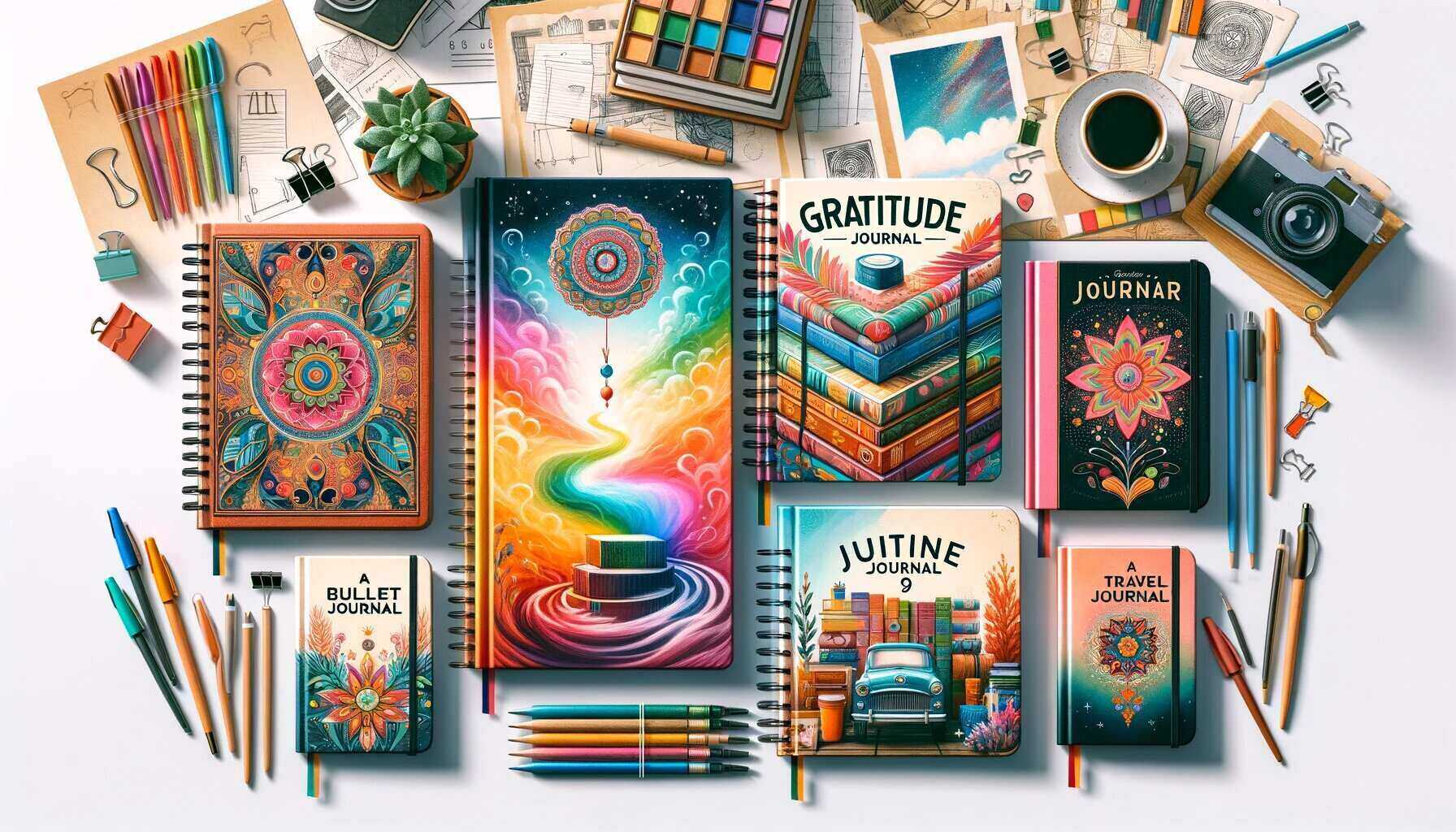
For example, travel journals are great for documenting adventures, complete with ample space for sketches or mementos.
Bullet journals offer a customizable way to track your tasks and goals while adding a flair of creativity with art and design.
Meanwhile, gratitude journals focus on positivity, encouraging users to jot down things they are thankful for each day.
Then there are art journals, which support doodling and mixed media, allowing expression through various artistic forms.
Benefits of Keeping a Journal
Keeping a journal comes with a host of benefits that extend far beyond just having a place to write.
Firstly, journaling can help clarify thoughts and emotions, making you more self-aware and focused.
It serves as a wonderful stress reliever; writing down your feelings can help unload mental burdens.
Journaling also enhances creativity; the more you write, the more ideas tend to flow.
Additionally, it’s an excellent tool for setting and tracking personal goals, allowing you to reflect on progress over time.

Buying Guide for Choosing the Right Journal
Choosing the right journal can feel like a monumental task, especially with so many options on the market.
Start by considering your main purpose for journaling; are you writing daily reflections, tracking habits, or letting your creativity run wild?
Next, think about the size and portability. A compact journal might be perfect for on-the-go, while a larger one suits home use.
Don’t forget about the type of paper that feels good to you. Some people prefer creamy, thick pages for fountain pens, while others might like lighter sheets for everyday writing.
Also, evaluate binding styles; spiral-bound journals lay flat, but hardcover options feel more durable.
Finally, look at cost—there are great journals across all price ranges, so set a budget and see what’s available.
Check out online reviews or even sample pages if possible to ensure you’re investing in a journal that aligns with your writing style.
Reviews of the Best Selling Journals
When it comes to best-selling journals, customer feedback can provide insightful direction.
The Leuchtturm1917 Dotted Notebook is often praised for its premium paper and versatility, making it a favorite among bullet journal enthusiasts.
Another top pick, the Moleskine Classic Notebook, is cherished for its elegance and textured cover, making it great for both notes and sketches.
If you are looking for something a bit different, the Erin Condren LifePlanner not only helps manage your time but also adds a creative burst to your planning.
Read customer reviews carefully to see what real users think about the features that matter most to you.
Customer Feedback on Popular Journals
Customer feedback is invaluable when narrowing down your journal choices.
Review platforms and e-commerce websites often highlight pros and cons that potential buyers should pay attention to.
For instance, many users rave about the smoothness of the paper in the Leuchtturm1917 Notebook, sharing how it enhances their writing experience.
On the flip side, some might mention the weight of hardcover options as a drawback for travel.
Another key point mentioned is the durability; many appreciate journals that can withstand daily wear and tear.
By taking the time to read through customer experiences, you can avoid the pitfalls of ill-suited journal choices.
Look for patterns in reviews to get a true sense of both the benefits and potential issues.

Comparison of Price Ranges for Journals
Understanding the price ranges of journals can help you find one that fits your budget without sacrificing quality.
At the lower end, you can find basic notebooks for around $5 to $15. These are often more simplistic in design but can serve daily journaling needs just fine.
Mid-range journals typically fall between $15 to $30. These often feature better materials and added functionalities like built-in bookmarks or pockets.
High-end journals can cost anywhere from $30 to over $100. These often come with premium paper, protective covers, and unique designs that elevate the journaling experience.
It’s worth checking out various retailers, as the same journal can have different prices across platforms.
Where to Find Discounts on Journals
You don’t have to pay full price to get a great journal; discounts and deals are often just a click away.
Start by checking major retailers like Amazon, who frequently have sales and promotions on popular items.
Sign up for newsletters from your favorite brands—they often send exclusive discounts to subscribers.
Consider checking out clearance sections both in physical stores and online for journals that are being discontinued.
Social media platforms can also be a great source for deals; follow brands for flash sales or coupon codes.
Lastly, don’t overlook local shops; they sometimes offer promotions that online retailers don’t.
Trends in Journal Usage
Journaling has seen a resurgence in popularity, with various trends emerging in recent years.
One notable trend is the rise of digital journaling. Many users are turning to apps for convenience, especially with smartphones in hand.
However, traditional paper journals still hold a sentimental and tactile appeal that digital apps can’t replicate.
Another trend is the integration of mindfulness practices into journaling. Many people are using journals to track emotions and foster gratitude, contributing to mental wellness.
Bullet journaling remains a hot topic, as individuals seek ways to combine productivity with creativity.
Lastly, theme-based journals, such as fitness or travel journals, are gaining traction, helping people stay focused on specific aspects of their lives.
FAQs
Popular types of journals include lined, bullet, gratitude, travel, and art journals. Each type serves different purposes such as daily reflection, goal tracking, or creative expression, appealing to various preferences.
Keeping a journal offers numerous benefits, including improved mental clarity, emotional regulation, and enhanced creativity. It can also aid in tracking personal growth, setting goals, and relieving stress.
To choose the right journal, consider your writing style, preferred format (lined, blank, or grid), size, and any specific features like prompts or artwork. Decide whether you want it for reflection, planning, or creativity.
Discounts on journals can be found on websites like Amazon, Etsy, and through specialty stationery retailers. Additionally, subscribe to newsletters and follow brands on social media for exclusive deals and promotions.