Table of Contents
Creating memorable and unique character names can feel like a daunting task, especially when you want to make your story pop. We’ve all been there, staring at a blank page, unsure how to find that perfect name that really captures your character’s essence. But don’t worry; you’re not alone in this!
If you stick around, I promise to guide you through the wonders of a book character name generator. You’ll discover how easy it is to create names that not only fit various genres but also enhance your storytelling.
From practical tips to different types of name generators, I’ve got you covered. Let’s dive in and unleash your creativity with some unique character names that will leave a lasting impression!
Key Takeaways
- Using a character name generator simplifies the naming process by allowing you to input preferences like gender and genre.
- Different genres have distinct naming styles; choose a generator that matches your story’s tone.
- Take time to refine and choose names that reflect your character’s traits and background.
- A good character name should be memorable, easy to pronounce, and culturally sensitive.
- Avoid complex names, repetition, and ensure names fit the character’s personality to enhance storytelling.
- Utilize resources like books, name meaning databases, and online communities for inspiration.
Book Character Name Generator: Create Unique Character Names
How to Use the Name Generator
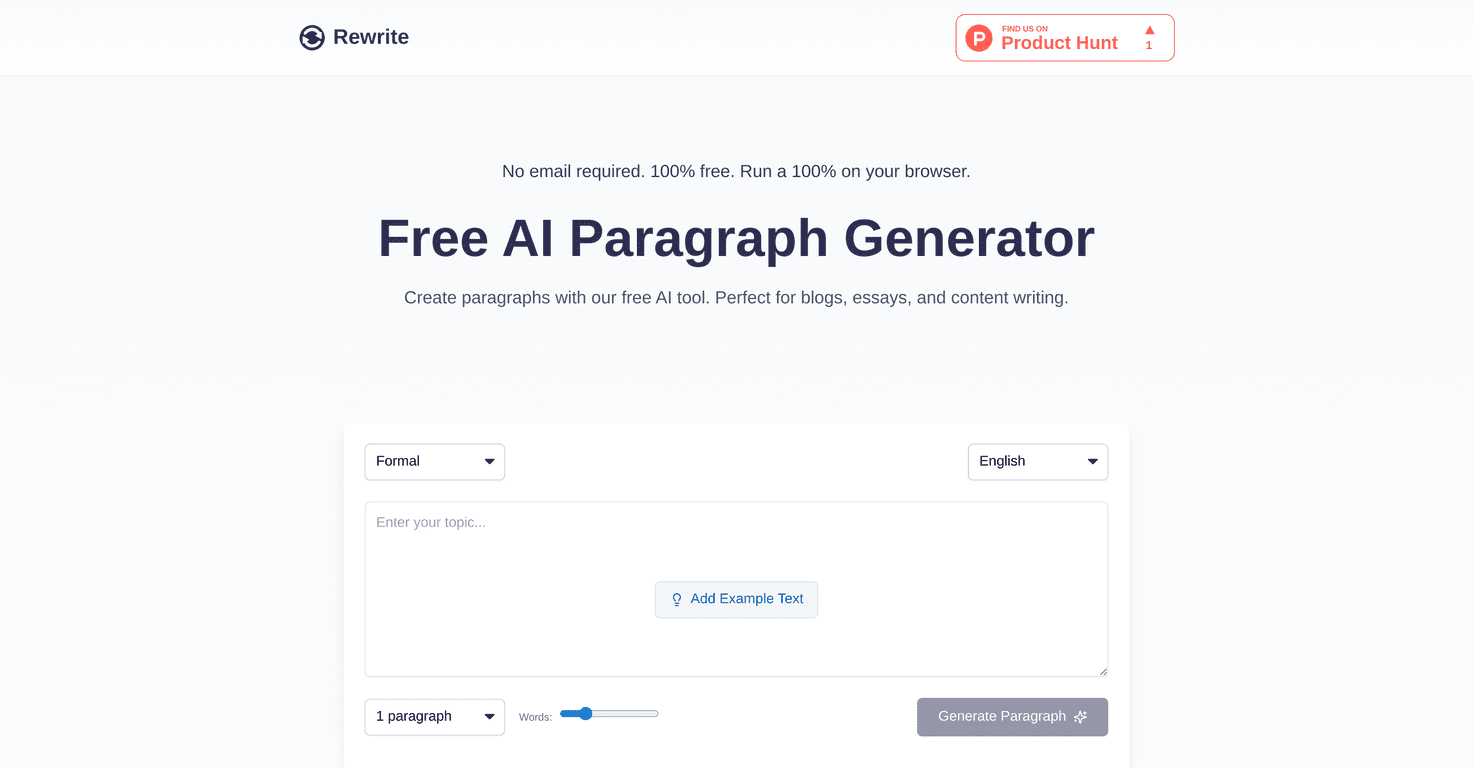
Using a book character name generator can make the daunting task of naming your characters a breeze. Most generators are straightforward; you just input a few preferences like gender or genre, and voila! You’ve got a list of potential names at your fingertips.
To maximize your experience, consider experimenting with different settings and preferences. Some generators allow you to refine names based on cultural backgrounds or even personality traits, which can really help in crafting the perfect name.
Don’t rush the process! Take your time to sift through the names generated and see which resonate with your character’s personality or story arc best. You might find a name you love that you didn’t consider before!
Options for Different Genres (Fantasy, Sci-Fi, Mystery, etc.)
When it comes to genres, a name generator can be particularly handy because each genre has its own flavor when it comes to names. In fantasy, for instance, names are often more whimsical or ethereal—think “Elowen” or “Thalion.” But in contemporary mystery, names might be more straightforward and relatable, like “Linda” or “Tom.”
Many name generators cater to specific genres and even offer iconic names from popular culture as inspiration. If you’re writing a sci-fi story, look for generators that create futuristic names or even alien-sounding monikers.
Don’t shy away from mixing genres! A fantasy character in a modern setting can carry a name that feels out of place yet intriguing, adding depth to your story.
Tips for Choosing the Right Name
Picking the right name involves more than just liking how it sounds. Think about how the name reflects your character’s traits or background—it can set the tone for the entire narrative. Consider a name’s meaning, as it can add an extra layer of significance to your character.
Sound is important too! Names that are hard to pronounce or too lengthily complicated can sometimes pull readers out of the story. Try saying the name out loud—it should roll off the tongue smoothly.
Finally, get feedback! Sometimes our own biases get in the way, so asking friends or colleagues for their impressions can reveal how effective your name choices are. Who knows? They might help you brainstorm even better options!
Importance of Character Names in Storytelling
How Names Affect Character Perception
Character names play a pivotal role in shaping how readers perceive your characters. A name can evoke certain images or feelings, lending a clue about their personality or role in the story right from the start.
For example, names like “Lilith” might conjure up connotations of mystery or danger, while a name like “Sarah” feels much more approachable and familiar. This initial interpretation can color reader empathy and engagement from the get-go.
Additionally, a unique name can make a character memorable, while a common name might blend them into a sea of indistinct faces. Standing out is especially important if you want your character to resonate with your audience!
The Role of Names in Plot Development
Names can significantly influence plot development by serving as plot devices in themselves. A character’s name might be tied to their destiny, hinting at their journey or potential transformations throughout the narrative.
Consider how a name might set up expectations. If your protagonist is named “Victor,” readers may anticipate triumph, while a villain named “Gloom” might lead expectations toward darkness. Clever use of names can add intriguing layers to your storytelling!
Furthermore, names can trigger character dynamics and relationships within your narrative. A name passed down through generations can signify legacy and conflict, deepening character motivations and interactions.
Features of a Good Character Name
Memorability and Pronunciation
A good character name should be memorable and easy to pronounce. A name that sticks in a reader’s mind can enhance their connection to the character.
Think of names like “Arya” from *Game of Thrones*—short, sweet, and unforgettable.
In contrast, overly complicated or obscure names may lead to frustration and disengagement.
To test this, try saying the name out loud; if it trips you up, it might trip your readers up too.
Cultural and Historical Considerations
It’s essential to consider cultural and historical context when naming your characters. Names can carry weight and significance that reflect geographical or cultural backgrounds.
For instance, a character from ancient Greece might have a name like “Persephone,” which resonates with rich mythological themes.
Research can help you avoid cultural appropriation and ensure authenticity, making your characters feel more grounded and believable.
Personality and Traits Reflected in Names
A great name often reflects the character’s personality and traits, adding depth to their identity. Think about what you want the name to convey—strength, intelligence, or a hint of mischief.
A villain named “Silas” might evoke a more sinister vibe, while a character named “Joy” definitely sets a lighthearted tone.
Using meaningful names can create delightful ‘aha!’ moments for your readers as they discover layers in your characters.
Types of Character Name Generators
Random Name Generators
Random name generators are perfect for those moments when inspiration eludes you. With just a click, you can receive an array of names, some of which may spark an idea just right for your character.
These tools often generate names that can lead to creative brainstorming, providing you with options you may never have considered.
Whether you’re in need of a quirky sidekick or a robust hero, a random generator can surprise you in the best ways!
Themed Name Generators
Themed name generators focus on specific genres or themes, tailoring their results to fit your story’s style. For instance, if you’re developing a character for a fantasy novel, these generators can provide you with names that sound magical and otherworldly.
Finding the right name that aligns with your genre helps set the atmosphere right from the start.
So, if you’re crafting a sci-fi tale, look for a generator that can whip up something futuristic and out-of-this-world!
Customizable Name Generators
Customizable name generators take personalization to the next level. These allow you to input specific criteria—like cultural backgrounds, desired characteristics, or other personality traits.
This means you can fine-tune outcomes to align perfectly with your character’s backstory or role in your narrative.
The ultimate goal is to find a name that not just fits but feels tailor-made for your unique creation. Talk about a perfect match!
Common Mistakes to Avoid When Naming Characters
Choosing Overly Complex Names
One common mistake is opting for names that are overly complex or difficult to pronounce. While unique names can be intriguing, if they resemble an unpronounceable password, you’ve lost your readers.
Keep it simple; even fantasy names can have a rhythm that makes them easy to say and remember.
After all, you want readers to focus on the story, not deciphering how to pronounce “Thyaphis!”
Name Repetition in Stories
Repetition of names can lead to confusion, making characters blend into one another. If a story has multiple characters with similar names, readers may struggle to keep them straight.
To avoid this pitfall, strive for distinctiveness; this could be a slight tweak in spelling or choosing an entirely different style of name.
Remember, each character should feel unique, just like people in real life!
Ignoring Cultural Sensitivity
Ignoring cultural sensitivity when naming characters can lead to unintentional offense. Names are often tied to rich histories and traditions, so using names superficially without understanding their significance can be problematic.
Research is your best friend here; ensuring that the names you choose honor their origins can elevate your writing.
After all, a little respect goes a long way in connecting with your readers and portraying your characters authentically!
Resources for Finding Inspiration for Character Names
Books and Movies for Name Ideas
Books and movies are treasure troves of inspiration for character names. By diving into both fiction and non-fiction, you can uncover a wealth of names that spark creativity.
Consider keeping a list of names you come across that resonate with you or fit a vibe you’re going for in your project.
Sometimes, the perfect name may be hidden in a beloved book you hadn’t thought to reference.
Name Meaning and Origin Resources
Understanding the meaning and origin of names can provide unique angles for character development. Websites like *Behind the Name* offer extensive databases to explore name meanings and historical origins.
This not only enriches your character’s backstory but can also guide you in selecting a name that complements their personality or arc.
After all, a name is not just a label; it can embody a character’s journey or inner conflict.
Online Name Communities and Forums
Diving into online name communities and forums can lead to fresh ideas and suggestions. Websites like *Nameberry* and *Namic* provide a platform for discussions about names, trends, and preferences.
You can even engage directly with other writers to seek feedback or brainstorm together.
These communities can be a fantastic resource for expanding your horizon beyond your initial thoughts!
Using a Name Generator for Diverse Characters
Creating Names for Different Cultures
Using a name generator can help you create diverse and culturally rich character names that resonate with their backgrounds.
By selecting specific cultural settings in your generator, you can generate names that reflect the heritage and traditions you want your characters to embody.
Whether it’s a name from an African, Asian, or European background, these tools can break down barriers and let you explore a world of names that aren’t just unique but also meaningful.
Gender-Neutral Name Choices
In today’s storytelling, gender-neutral names are becoming increasingly popular as they allow for greater inclusivity.
A good name generator can easily provide you with options that don’t lean toward traditional gender norms, giving your characters a fresh twist.
This approach can help readers connect more easily, as these names can feel relatable to everyone, regardless of gender.
Generating Names for Villains vs. Heroes
Choosing names for your protagonists and antagonists can set the tone for their roles in your story, and a name generator can help you distinguish between the two.
Names for heroes might evoke strength and valor, while you might select darker, more sinister-sounding names for villains.
Taking advantage of these generators can help you create an impactful contrast that enhances your narrative and keeps readers on their toes!
Final Thoughts on Naming Characters
Revisiting and Revising Character Names
Your character’s name isn’t set in stone; it can—and should—evolve as their story unfolds.
Don’t hesitate to revisit names you’ve chosen; you might discover that as your character develops, their name no longer feels like the perfect fit.
Making adjustments can breathe new life into your character and enhance your readers’ experience with them.
Encouraging Feedback from Readers and Peers
Getting feedback on character names can be incredibly valuable, so don’t shy away from sharing your choices with friends or writing groups.
Sometimes, an outside perspective can shed light on how names resonate with readers and what they’ll be remembered for.
Moreover, this process can spark interesting discussions, leading to even more name ideas you might not have previously considered.
Conclusion
Naming your characters is a vital part of storytelling that shouldn’t be underestimated.
Using a book character name generator can offer a treasure trove of possibilities, helping you find names that not only sound good but feel right for your story.
Remember to consider cultural significance, character traits, and the impact names can have on reader perception.
So, whether you need an enchanting name for a hero or a chilling one for a villain, embrace the tools at your disposal and let your creativity flow!
Now, get out there, generate some names, and create unforgettable characters that readers will love! Happy writing!
FAQs
To utilize a character name generator effectively, choose the desired genre or theme, experiment with different settings, and customize options to suit your character’s background and traits for a more personalized and fitting result.
When naming characters, consider their personality, cultural background, and the genre of your story. Names should be memorable, easy to pronounce, and reflective of the character’s traits or role in the narrative.
Avoid overly complex names, repetitive naming across characters, and cultural insensitivity. Such mistakes can confuse readers and diminish the story’s authenticity, making it harder for them to connect with the characters and plot.
To generate diverse character names, use a generator that specifically caters to various cultures, explore gender-neutral options, and create distinct names for heroes and villains to enhance the richness of your characters and storyline.