Table of Contents
You’re curious about BookBub review? Let me tell you, it’s quite the spot for book lovers and authors alike. Imagine a place where you can discover your next favorite book or, if you’re an author, get your book in front of eager readers. That’s BookBub for you.
This platform is a community where book recommendations, deals, and discoveries happen every day. Whether you’re on the hunt for something new to read or looking to boost your book’s visibility, BookBub has something for everyone.
In this article, we’re going to break down what BookBub offers, how it works, and why it might just be the tool you didn’t know you needed. Stick around, and let’s explore together what makes BookBub stand out in the sea of book-related platforms.
BookBub Review
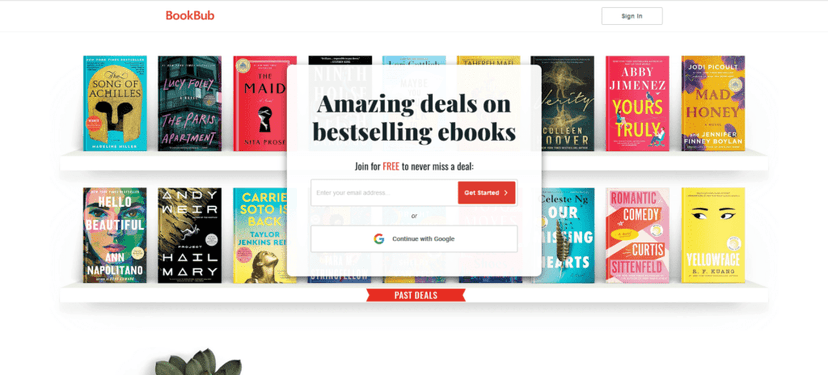
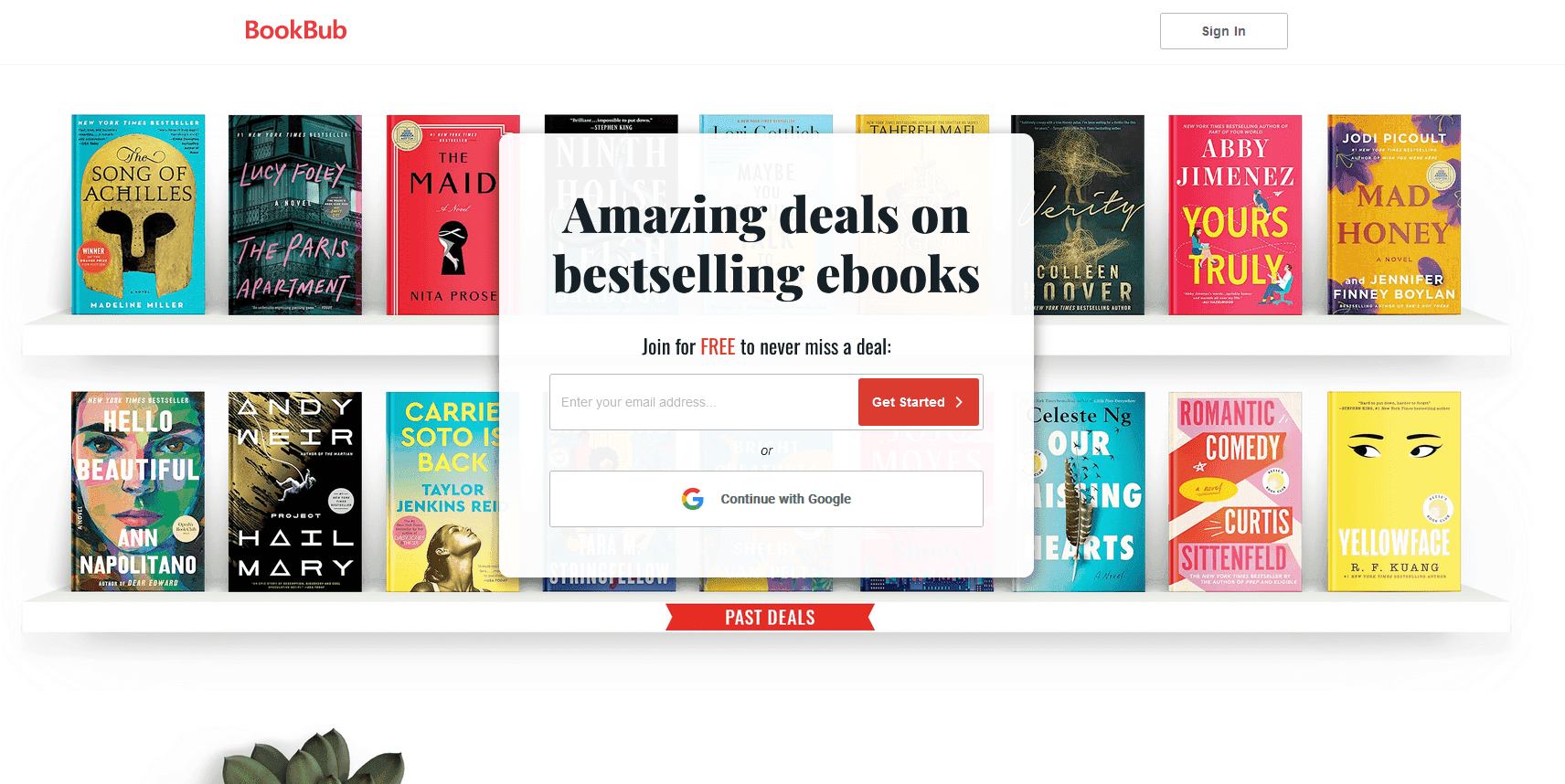
Using BookBub has been quite the experience. As a reader, the platform is a no-brainer. You tell it what you like, and it brings deals and discoveries straight to your inbox.
I found myself stumbling upon books I might not have considered otherwise, which is a big plus.
The discounts can be substantial, which makes it easier to justify trying out new authors or genres without breaking the bank.
The aspect of following authors is something I particularly enjoy. It keeps me in the loop with my favorites, ensuring I never miss a new release or a surprise deal.
This feature alone has introduced a level of engagement and anticipation to my reading habits that wasn’t there before.
For authors, the narrative is a bit more nuanced. On the one hand, BookBub offers powerful tools to get your work seen. The Featured Deals, for instance, can propel a book into the spotlight, potentially skyrocketing sales and boosting your author profile.
However, the application process for these deals is rigorous. You submit your book, cross your fingers, and hope it stands out among the thousands of others vying for the same attention.
Running ads is another way to gain visibility on BookBub. This is somewhat more in your control, allowing you to target specific readers based on their interests.
It requires a bit of a learning curve and an investment upfront, without any guarantees. But when it works, it can work well, driving sales and increasing your book’s exposure.
The review and recommendation system on BookBub adds another layer of community interaction. It’s rewarding to see your book reviewed and recommended by readers, and as an author, you can do the same for others.
This fosters a sense of community and mutual support that’s valuable in the often solitary world of writing.
So, to wrap up, my expanded take on BookBub is that it’s a platform with lots of potentials.
For readers, it’s almost all upside, offering a steady stream of book deals tailored to your tastes. For authors, it’s a mix of opportunity and challenge.
The features designed to boost your book’s visibility are competitive but can be incredibly effective. And while success on the platform isn’t guaranteed, the potential benefits make it a worthwhile avenue to explore.
How Does BookBub Work
BookBub is essentially a service that connects books with readers who love them.
It starts with readers signing up for free and choosing their favorite genres. This customization allows BookBub to tailor book recommendations and deals to match each reader’s interests.
Furthermore, BookBub’s algorithms take into account your past interactions with their emails—like which deals you click on—to further tailor recommendations. This dynamic adjustment means the more you use BookBub, the better it gets at predicting what you’ll love to read next.
On the author side, BookBub provides detailed analytics for their promotional campaigns. Authors can see how many clicks their featured deals or ads received, which helps in understanding reader interest and refining future marketing strategies. This feedback loop is crucial for authors aiming to maximize their reach and effectiveness on the platform.
For authors and publishers, BookBub acts as a promotional tool. They can apply to have their books featured in BookBub’s daily emails, which are sent to millions of subscribers. These emails highlight book deals, including discounts and freebies, tailored to the genres that subscribers have expressed interest in.
Getting a book featured can significantly boost its visibility, potentially leading to higher sales and more readers.
The platform uses a selective process for featuring books, aiming to ensure that subscribers only receive recommendations for high-quality reads.
Authors can also use BookBub’s advertising tools to target their promotions more directly to interested readers, further enhancing the chances of discovery.
In essence, BookBub works by creating a win-win situation: readers get personalized book recommendations and deals on titles they’re likely to enjoy, while authors and publishers gain a valuable channel for promoting their work to a targeted audience.
Furthermore, BookBub also hosts a feature called “BookBub Deals” where readers can directly purchase or download books at a promotional price.
This integration simplifies the process, making it easy for readers to acquire new books instantly and for authors to track the success of their promotions in real time.
Lastly, the community aspect of BookBub, through user reviews and the ability to follow authors, adds a layer of engagement that enriches the experience for both readers and writers.
Authors can engage with their readers through these platforms, building a fan base directly within BookBub. This direct line of communication is invaluable for authors looking to establish a loyal readership.
Each of these elements contributes to the ecosystem of BookBub, making it not just a promotional tool, but a comprehensive platform for discovery, marketing, and community building within the literary world.
Key Features of BookBub
BookBub has a few features that make it stand out for readers and authors.
First, when you sign up, you pick the types of books you like. BookBub uses this to send you deals on books you might enjoy. It’s straightforward – you tell them what you like, they send you deals related to your interests.
For authors, BookBub offers a way to get their books noticed. The Featured Deals are one way to do this, putting books in front of many readers quickly.
Authors can also pay to have their books advertised on BookBub, targeting readers interested in their genre.
Users can also follow authors they like on BookBub. This means they get updates when these authors release new books or have special deals. This is a simple way for readers to keep up with their favorite authors.
Lastly, BookBub gives authors information on how their promotions are doing. This means authors can see how many people are seeing their ads or deals, which helps them understand what works and what doesn’t.
So, BookBub is basically about matching books with people who want to read them, giving authors a way to reach more readers, and helping readers find deals on books they’ll like.
Benefits of Using BookBub
Using BookBub comes with several clear benefits for both readers and authors, each enhancing the experience on either side of the book world.
For readers, the primary benefit is access to a wide range of book deals tailored to their interests. This means savings on purchases of books they are likely to enjoy.
It’s a straightforward way to discover new authors and titles without having to sift through overwhelming options online.
Plus, the convenience of having these deals sent directly to their inbox makes finding their next read easy and enjoyable.
Authors, on the other hand, gain a significant visibility boost when they use BookBub. Being featured on BookBub can lead to increased sales, more reviews, and a wider reader base. It’s a powerful tool for book launches or reviving interest in older titles.
The targeted ads BookBub offers also allow authors to reach specific audiences that are most likely to be interested in their books, making their marketing efforts more effective and efficient.
Both groups benefit from the community aspects of BookBub. Readers can follow authors, ensuring they never miss a new release or special offer. Authors can engage with their fan base, share updates, and build anticipation for upcoming projects.
This direct line of communication enriches the relationship between authors and readers, fostering a more connected book community.
Overall, BookBub simplifies the discovery process for readers and amplifies promotional efforts for authors, making it a valuable platform in the literary ecosystem.
Limitations and Considerations
While BookBub offers significant benefits, there are a few limitations and considerations to keep in mind, whether you’re a reader or an author.
One limitation for authors is the competitive nature of getting a book featured. BookBub selects only a small fraction of submissions for its Featured Deals, meaning many books won’t make the cut despite their quality or the effort put into their submission.
This selectivity can be discouraging, especially for new or indie authors with limited marketing budgets.
For both authors and readers, the focus on deals and discounts means that not all books are presented at full price, which might affect how authors price their books and their overall earnings.
Authors need to weigh the potential boost in readership and the long-term benefits of new fans against the immediate financial impact of discounted sales.
Another consideration is the algorithmic nature of book recommendations. While BookBub customizes suggestions based on user preferences and behavior, the recommendations might not always match every reader’s taste perfectly.
This could lead to a sense of repetition or a lack of discovery for niche genres outside of one’s usual preferences.
Lastly, the effectiveness of paid advertising on BookBub can vary. Authors may need to experiment with different ad creatives, targeting options, and budgets to find what works best for their books.
This experimentation can require a significant time and financial investment with no guaranteed return, which might be a barrier for some.
In summary, while BookBub is a powerful platform for book discovery and promotion, users should approach it with realistic expectations and an understanding of its limitations.
For authors, it’s one of many tools available for book marketing, and for readers, it’s a convenient but not exhaustive source for finding new books.
BookBub vs. Other Writing Tools
When comparing BookBub to other tools in the market, it’s essential to focus on what sets each platform apart, especially for authors and readers looking to maximize their experiences.
Goodreads
A giant in the book community, Goodreads is more than just a platform for finding books; it’s a social network for book lovers.
Unlike BookBub, which focuses on book deals and recommendations based on genres and preferences, Goodreads allows users to see what their friends are reading, post book reviews, and participate in discussions.
While Goodreads doesn’t specialize in book deals, its strength lies in its community features and the vast amount of user-generated content like reviews and ratings, making it a comprehensive resource for discovering books and engaging with fellow readers.
Amazon Kindle Unlimited
This service offers a subscription model, allowing readers unlimited access to a wide range of books for a monthly fee. Unlike BookBub, which offers deals on a per-book basis, Kindle Unlimited provides an all-you-can-read model.
This can be a more cost-effective solution for voracious readers who consume books quickly.
However, it’s worth noting that Kindle Unlimited’s library, while extensive, may not always include the latest bestsellers or titles from all publishers, which is where BookBub’s a la carte deals might appeal to users looking for specific books rather than a broad subscription service.
Everand
Similar to Kindle Unlimited, Everand operates on a subscription model, offering access to books, audiobooks, and more for a monthly fee.
What sets Everand apart is its inclusion of other types of content, such as documents, sheet music, and magazines, making it a more diversified platform.
However, like Kindle Unlimited, Everand might limit access to certain books based on your reading habits or the agreements they have with publishers, which is a different approach compared to BookBub’s model of providing discounts and deals on individual titles without a subscription barrier.
Each of these platforms has its unique strengths and caters to different needs. BookBub excels in connecting readers with deals tailored to their interests and helping authors promote their work to targeted audiences.
Goodreads shines with its community features and comprehensive book information. Kindle Unlimited and Everand offer great value for avid readers through their subscription models, with Everand providing a broader range of content beyond just books.
Depending on your reading habits, promotional needs as an author, or preference for subscription vs. individual purchases, you might find one of these platforms more suitable than the others.
Who Should Use BookBub?
BookBub serves a diverse audience, making it beneficial for various users in the book community. Here’s a breakdown of who might find BookBub particularly useful:
- Readers Looking for Deals: If you’re an avid reader always on the lookout for your next great read without wanting to break the bank, BookBub is ideal. It’s perfect for those who are open to discovering new authors and genres, as the platform offers daily deals, often at significantly reduced prices or even for free.
- Authors and Publishers Seeking Visibility: For authors, especially self-published or indie authors, getting your book in front of readers can be a challenge. BookBub provides a platform to increase visibility through featured deals and targeted ads. It’s especially beneficial for launching new titles or giving life to backlist books.
- Readers Who Enjoy Curated Suggestions: If you appreciate a nudge in the direction of books that align with your tastes, BookBub’s personalized recommendations can introduce you to titles you might not have found on your own. This service is tailored to your genre preferences and past selections, making book discovery effortless and enjoyable.
- Authors Looking to Build a Following: Beyond book deals, BookBub offers features that help authors connect with readers, such as the ability to follow authors. This is useful for authors aiming to build a loyal readership, as it provides a direct line to communicate new releases and other updates.
- Book Marketers and Promoters: For those involved in book marketing, BookBub’s advertising tools allow for precise targeting of potential readers. Whether it’s promoting a debut novel or highlighting a temporary discount, the platform offers a variety of promotional tools to fit different goals and budgets.
In summary, BookBub is suited for anyone in the book ecosystem looking for a comprehensive platform that offers both discovery and promotion tools. Whether you’re diving into a new book every week or looking to get your novel into the hands of readers who’ll cherish it, BookBub has something to offer.
Conclusion
To wrap up this BookBub review, it’s clear that the platform offers a unique blend of services for both readers and authors. Readers get to enjoy personalized book recommendations and deals, making it easier to discover and purchase new reads affordably. Authors have a powerful tool at their disposal to boost visibility and connect with a targeted audience, essential for both new and established writers.
BookBub stands out for its commitment to fostering a community where book lovers can explore new titles and authors can expand their reach. Whether you’re looking to fill your library without emptying your wallet or find new fans for your latest book, BookBub is a platform worth exploring.