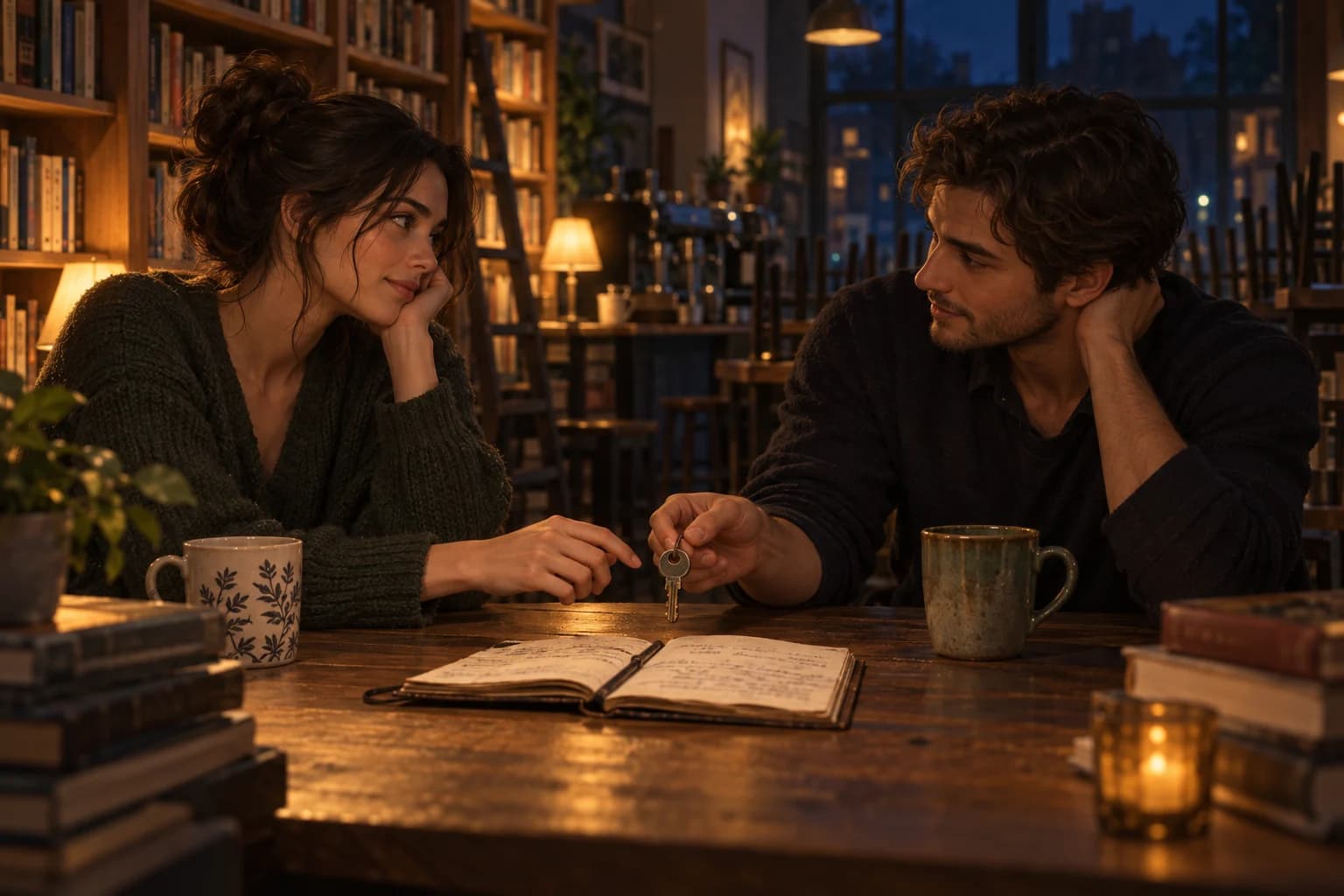
Table of Contents
Start with a city where dead citizens still vote, a court that punishes imperfect apologies, or a society that gives children a new family every year. These 20 dystopian story ideas include characters, conflicts, opening scenes, and possible plots. Each protagonist has a practical reason to believe in the system—until an ordinary duty means helping it hurt someone.
Choose the kind of conflict you want to explore: political control, memory and family, work and scarce resources, climate, or language and information. Each idea below gives you a world to enter and a person with something to lose. The openings and plot directions are options to develop, so you can take an idea toward the ending that interests you.
Dystopian ideas about citizenship and power
Secure housing, disaster protection, meaningful representation, and more humane justice are promises people have good reasons to support. Each can also become a means of control. Build your political dystopia around that tension, giving the protagonist something worth saving within the institution they challenge. They must confront the harm while protecting people who depend on its services.
1. The borrowed vote
Citizens tired of endless referendums entrust their votes to accredited representatives for ten-year terms. While handling her father’s estate, a delegation broker discovers that his vote is still active. Thousands of other dead clients are voting too. Their borrowed authority has kept an emergency housing program politically viable.
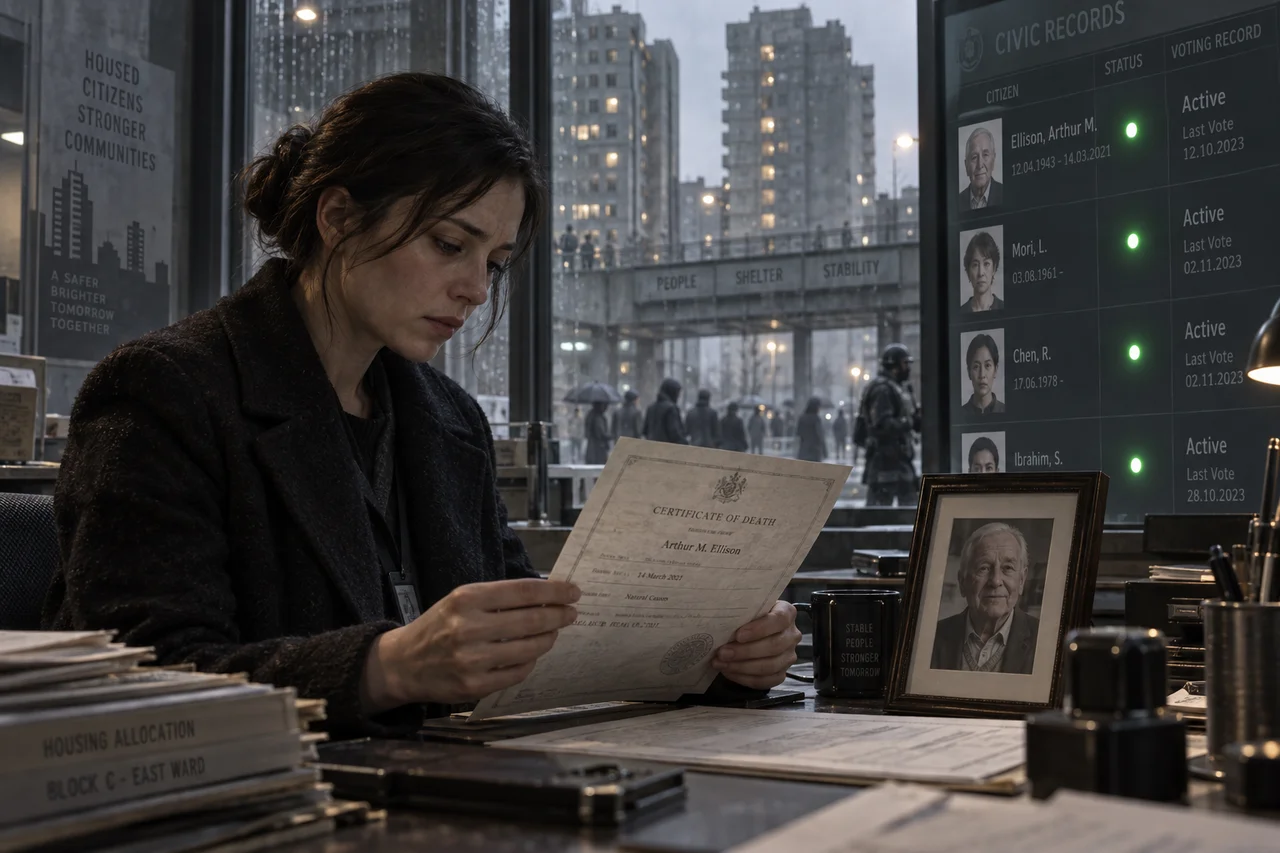
Her father’s vote helped authorize the demolition of the street where she grew up. Setting the register straight would acknowledge that wrong, but also invalidate decisions supporting thousands of shelter residents. Officials warn that politicians who would gain from an honest count intend to close the shelters. Even residents disagree: some want the scheme exposed; others see silence as their best chance of keeping a home.
Open with a bereavement form rejected because the dead person supposedly voted that morning. The broker traces the authorizations and recruits residents to check accounts, only to realize that leaking the evidence won’t keep them housed. Build toward a public challenge in which residents seek a legitimate mandate for the program before its fraudulent foundation gives way. Give the broker a personal loss beyond her job—perhaps her belief that her father’s political legacy was entirely his own.
2. The apology court
Public hearings have replaced imprisonment, with defendants’ apologies scored for sincerity. A speech coach earns her living teaching people how to pass. Having seen what the old prisons did to people, she considers her work humane. Then she notices that the scoring system reads certain speech patterns and expressions as signs of dishonesty.
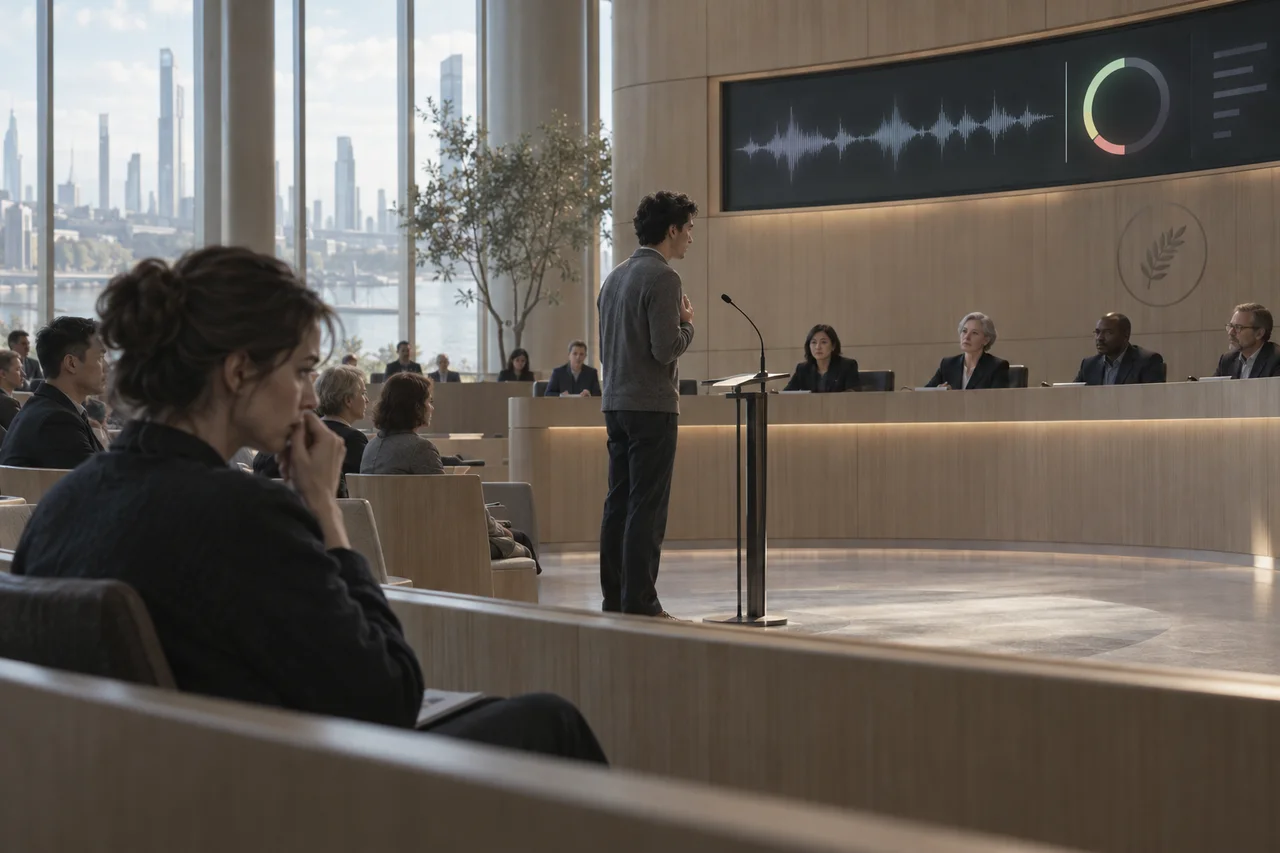
When someone she loves receives a summons, she knows how to prepare them. Helping them deliver the expected performance, though, would endorse a test she no longer trusts. Experienced defendants resist her challenge. They’ve spent years learning what the court wants and fear losing that protection if its standards change while its power over them remains intact.
Begin with a client winning release through a flawless apology for something they never did. The coach compares hearings, listens to people the court repeatedly rejects, and plans a public demonstration officials can’t dismiss as one unsuccessful defendant’s complaint. Let the climax draw apart three things the court has confused: sincerity, responsibility, and actual repair. Proving the score unreliable is one achievement. Winning support for a workable response to harm asks something more of her and the community.
3. The rotating border
A federation regularly redraws internal borders, supposedly to share responsibility for climate-vulnerable land. Checking a delivery route, a surveyor discovers a town that has removed itself from official maps. Becoming administratively invisible saved its residents from compulsory relocation. Now those missing records mean food and medicine pass them by.
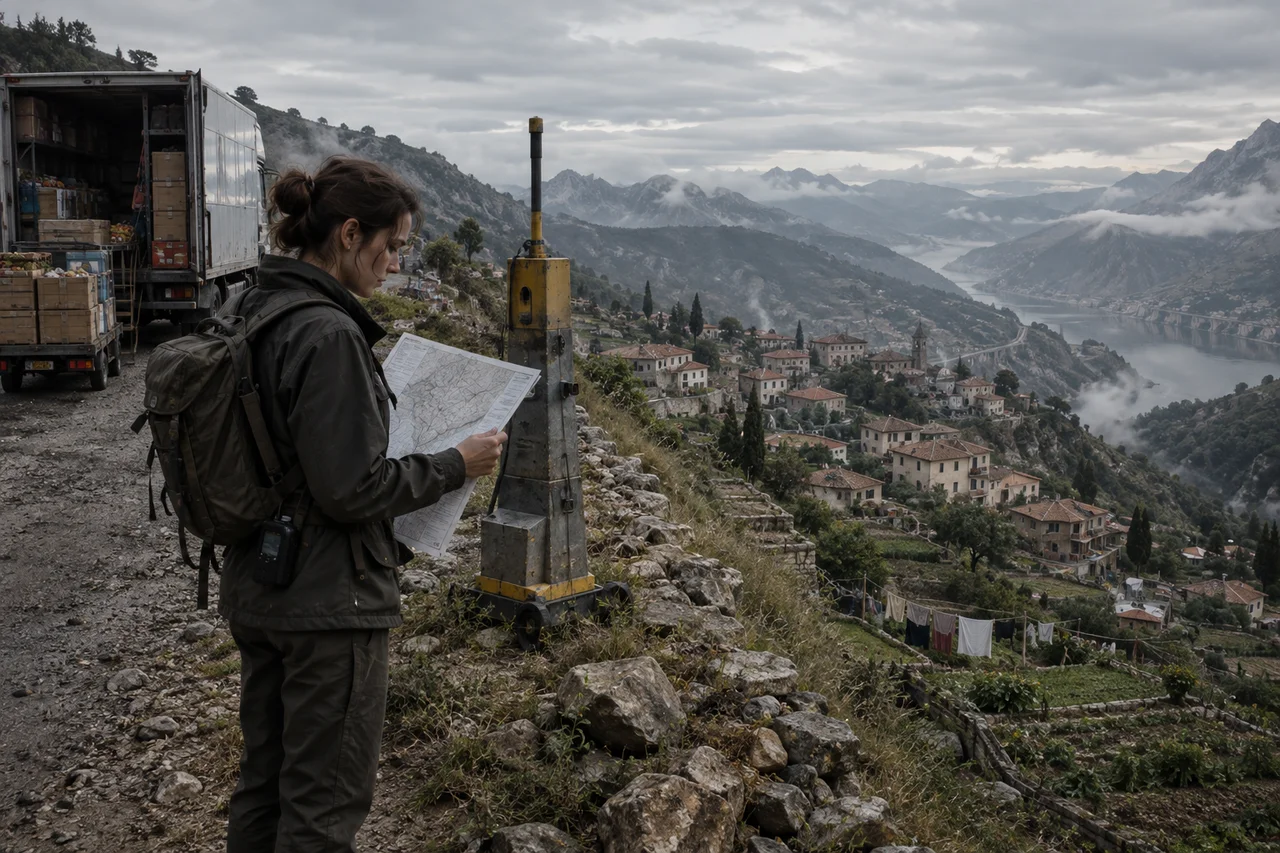
To restore deliveries, the surveyor must assign the town to a district already struggling with its allocation. Supplies promised to one community would come from another. The town’s leaders want recognition without giving up control, while younger residents would accept relocation in return for dependable services. Neither group can honestly claim to speak for everyone.
Start with a delivery truck arriving at an officially empty coordinate, even as the surveyor spots rooftops beyond a ridge. Following the supply crew into town reveals how each corrected record creates another claim elsewhere. The investigation could uncover why officials tolerated the original disappearance and who gained from it. Let the final map emerge from difficult negotiations over supplies, representation, and relocation, rather than an outsider’s kindly verdict. Drawing a boundary matters only if someone takes responsibility for the people within it.
4. The jury of futures
No law can pass until simulated descendants approve its consequences. An auditor checking their family trees finds a strange pattern: certain political beliefs consistently lead to branches with no future inhabitants. Later generations appear to agree because the model has quietly excluded people likely to dissent.
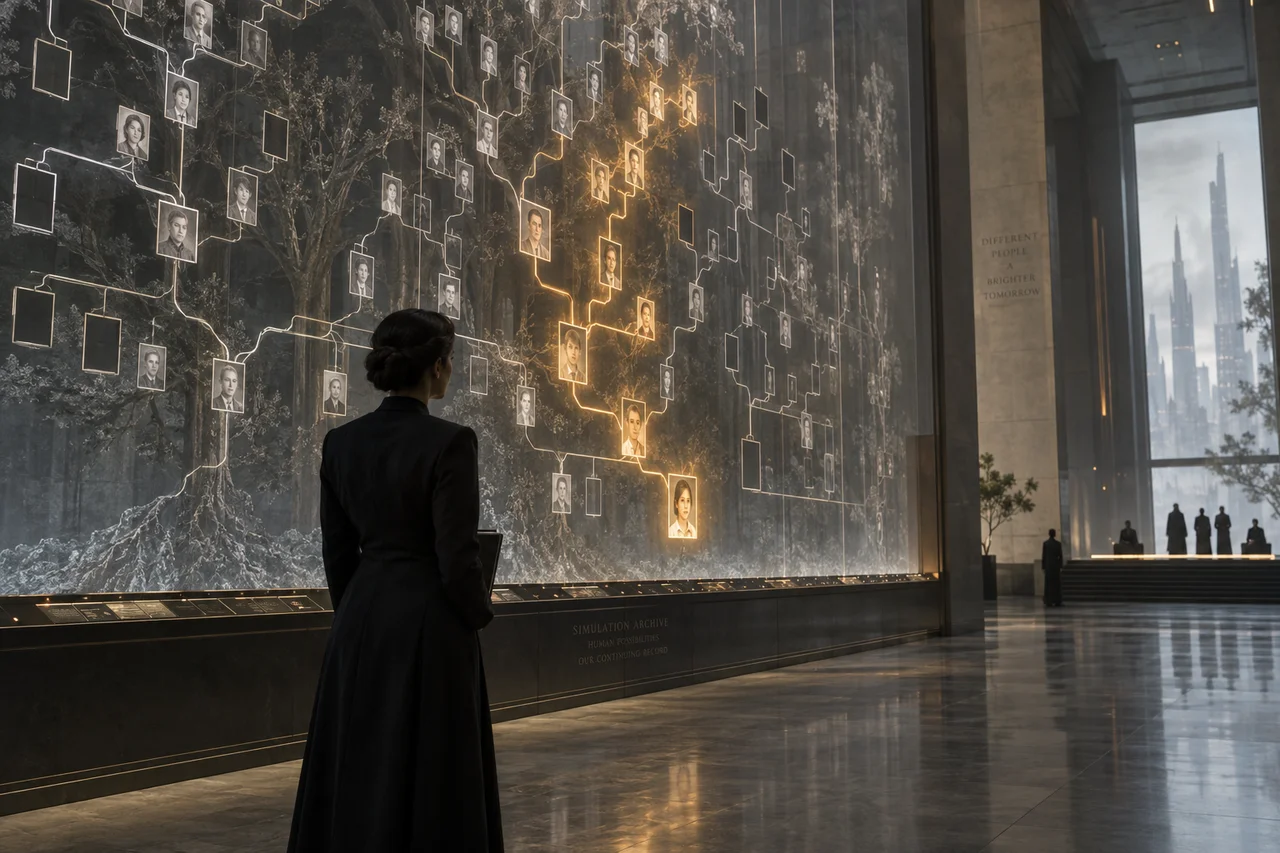
Once restored, the excluded populations reject a reform she has spent her career supporting. They foresee consequences its present-day advocates never considered. Officials threaten to shut down the simulation rather than acknowledge how selectively they built its electorate. She must defend the descendants’ right to be heard while considering how much authority simulated objections should have over living people.
Open with one missing descendant whose absence contradicts the model’s published rules. A technical investigation grows into an argument over which futures deserve a voice. Give the newly included groups conflicting priorities; a broader electorate needn’t produce an easier consensus. The climax might establish a right to consultation rather than an absolute veto. You can leave the simulations’ consciousness unresolved if the story centers on how present-day institutions use imagined future people to justify their power.
An institution becomes personal when the protagonist discovers that its records contain something from their own life.
Dystopian ideas about memory, identity, and family
Threaten a relationship, and control over identity becomes personal. An archive can help someone find their family while preventing another person from starting again. A placement system can rescue a child from danger, then refuse to listen when that child asks for something different. Give the protagonist a genuine benefit to remember when its cost becomes clear.
Before planning a solution, decide what your invention cannot do. In “Plausibility Revisited,” Ursula K. Le Guin discusses fiction’s credibility through its observation of its created world and its treatment of believable behavior. (ursulakleguin.com) Copying a memory differs from interpreting it, just as changing an identity record differs from changing a person. These limits shape what characters can prove, misunderstand, and never recover.
5. Inherited memories
On their eighteenth birthdays, citizens receive a selected memory from each parent, a gift meant to connect the generations. A technician investigating duplicate records finds the same childhood garden in thousands of unrelated families. She knows that garden: it’s the memory her mother gave her, something she always believed was private.
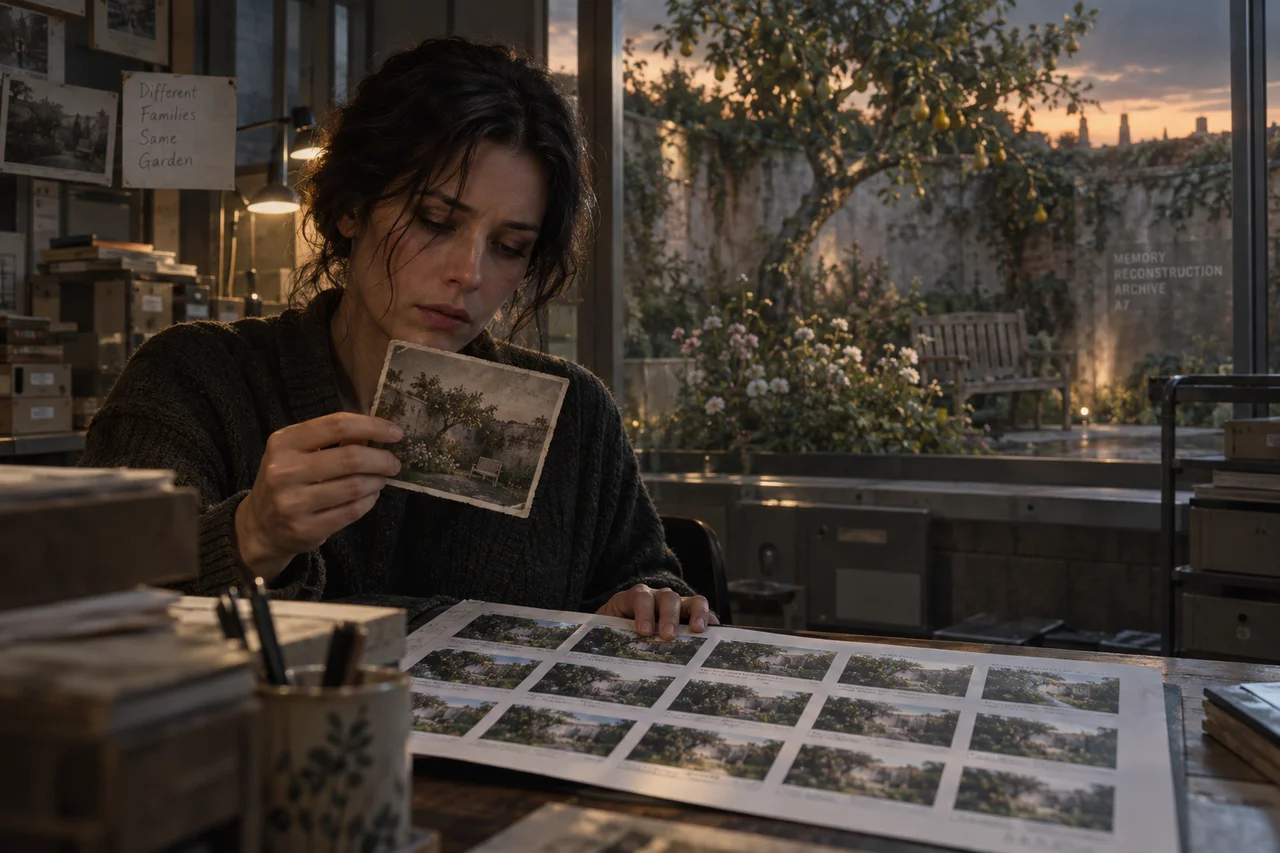
After a disaster, officials distributed the garden memory to teach a survival response. They also displaced recollections identifying those responsible for the catastrophe. Some recipients want their original histories restored. Others won’t surrender a cherished experience simply because someone manufactured it. The technician’s mother refuses to say whether she volunteered their family or was deceived herself.
Begin with an angry customer whose private childhood home has just been described by a stranger. Follow the complaint through archived versions, conflicting family accounts, and recipients asking for different remedies. Let the technician discover something she can’t neatly undo: the garden is false, but years of conversations about it still helped build a real relationship. The ending could make restoration a choice instead of another compulsory intervention. Leave her with a personal loss: a full public explanation cannot bring back every overwritten experience.
6. The grief license
Bereavement leave ends after a strictly controlled interval. Anyone who continues mourning publicly is treated as refusing to resume civic duties. A clerk repeatedly extends one stranger’s application because its descriptions of the dead person feel familiar. As details arrive, she begins to recognize her own biography.
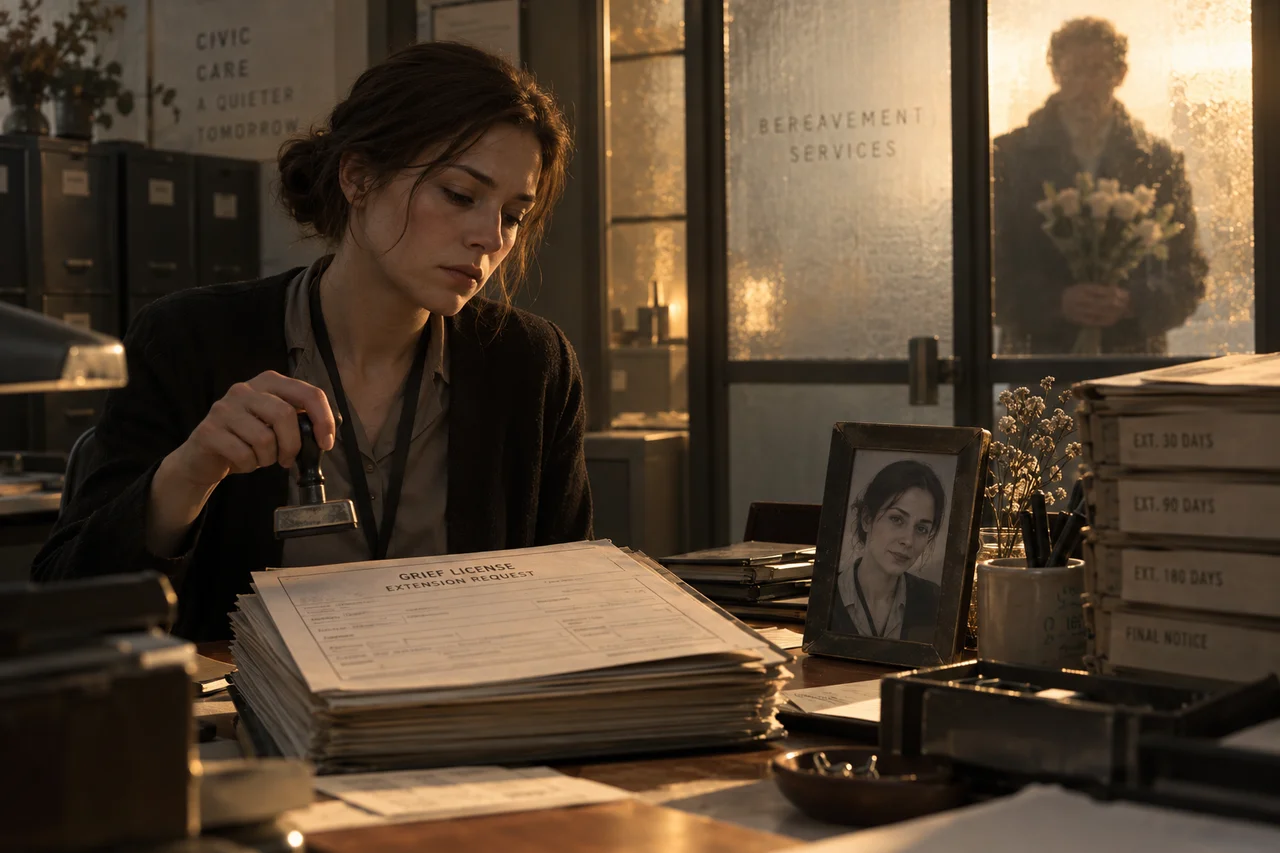
The city secretly replaces workers who can no longer perform their assigned roles, and the clerk may be one of those replacements. Her family memories feel real, but gaps in her employment records resist explanation. The applicant doesn’t want to expose or destroy her. They want permission to mourn the person she replaced, without officials insisting that her existence makes their loss irrelevant.
Open with an application containing a phrase the clerk thought only her family used. Each extension gives her time to investigate while increasing the risk of an audit. She searches records, questions people who remember different versions of her, and considers meeting the applicant away from work. Bring the emotional conflict to what she owes the dead without dismissing her present life as counterfeit. An ending acknowledging both lives can challenge the city’s convenient claim that keeping a role filled means nobody has been lost.
7. Family by compatibility
Every year, a predictive system moves children into households expected to improve their future wellbeing. A placement officer strongly believes in it: the program removed her from an unsafe home. Then her niece’s highest-scoring match is a family campaigning to end annual reassignment. Trusting the result means approving a placement with the system’s opponents.
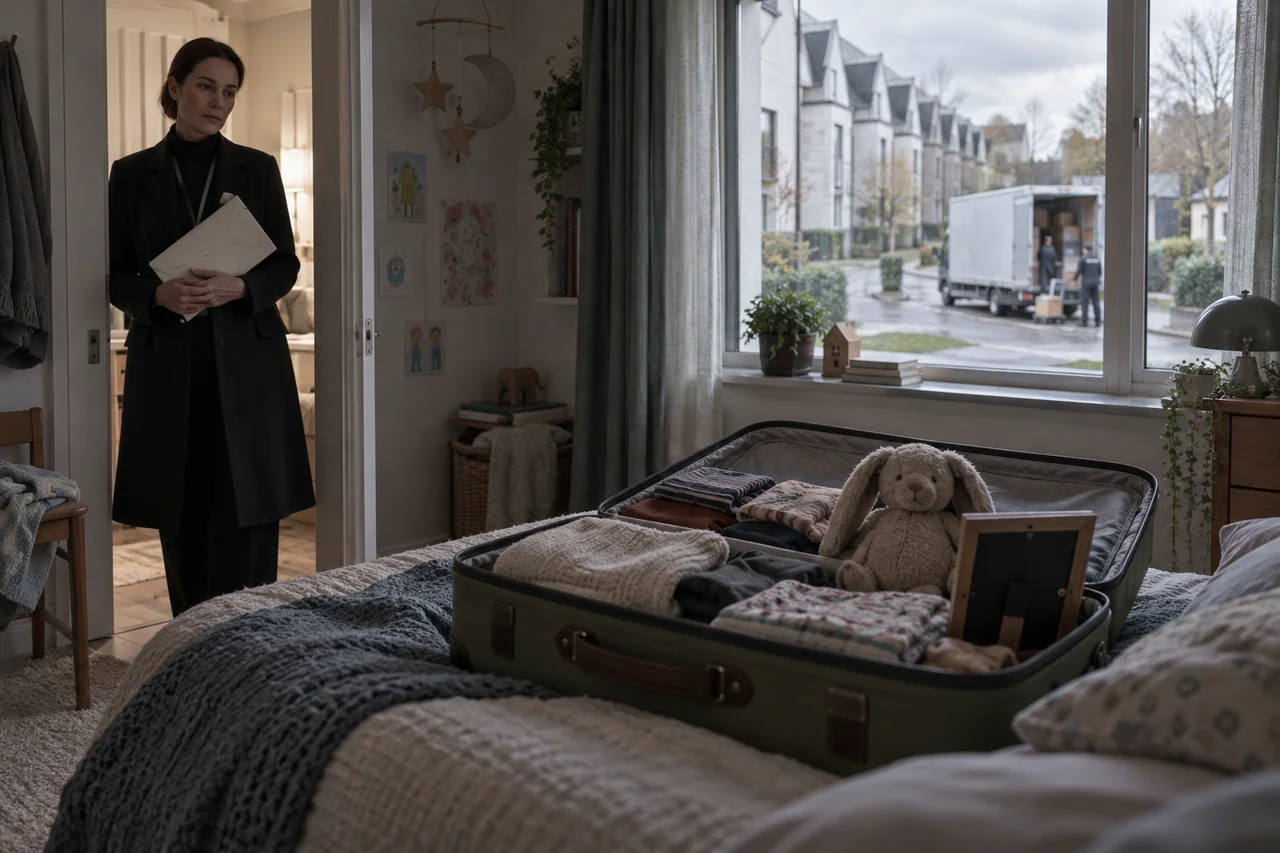
Her niece wants to go. The officer fears political exploitation, yet blocking the move would disregard both the approved result and her niece’s wishes. Investigating the recommendation exposes the assumptions behind its score: what counts as stability, achievement, or affection, and how much each should matter. The campaigning family may offer a loving home while still having interests of its own.
Begin on packing day, with the niece fitting a year of her life into the allowed luggage. Give her an agenda: arrange a visit, preserve a sibling relationship, or insist on taking a treasured possession. As the officer examines the placement, bring every adult’s argument back to what the child actually says and does. The climax could change who gets a say without declaring every reassignment good or bad. Safety and a child’s voice remain continuing responsibilities, rather than questions a better score can settle forever.
8. The face archive
Changing your appearance is routine, but every former face remains publicly searchable. An archivist is ordered to disclose a whistleblower’s earlier identity. The whistleblower is her closest friend. She knows how dangerous disclosure could be, but also why people value the archive: it recently helped her find a missing relative.
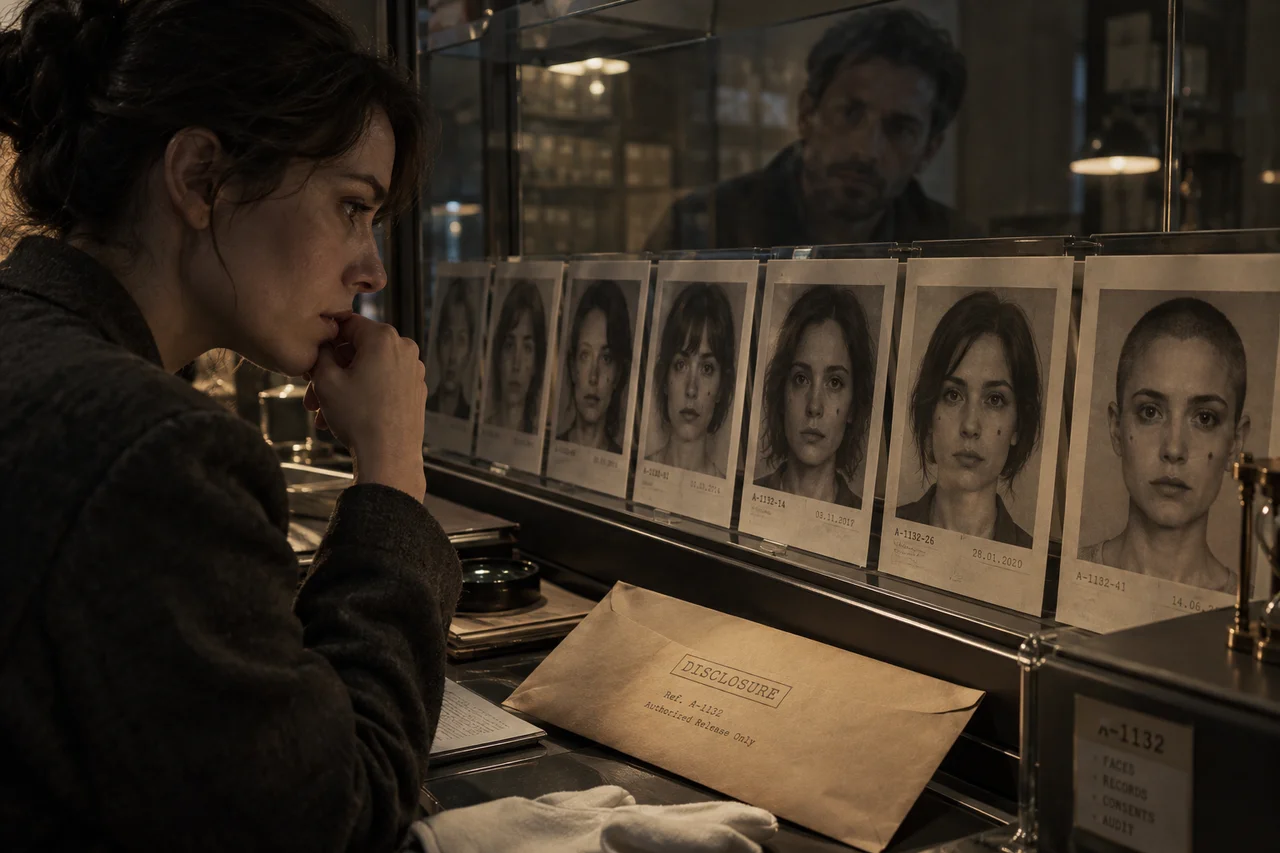
A searchable record leaves her friend open to retaliation. Erasing it would remove evidence wanted by people harmed under that previous identity. Her friend asks for the chance to survive and begin again; another claimant seeks acknowledgment and repair. Both have real needs. Treating the database as wholly beneficial or wholly oppressive would avoid the hardest part of her decision.
Open with her recognizing a familiar expression that survives every cosmetic alteration. Follow disclosure requests and testimony toward a clearer picture of what each claimant needs to know. Selective access could conceal the face while exposing identifying dates or locations. The final decision might separate public exposure from accountable testimony. Who will control the preserved history, and how can harmed people challenge it? Bring the archivist’s own conduct into the reckoning: will she explain her role in making private lives searchable?
Dystopian ideas about work and resources
A timesheet, care record, product certificate, or leave application can give an oppressive system its everyday grip. Establish the cost of refusing an ordinary transaction before moving toward rebellion. Risking a promotion calls for a different choice from risking the income that keeps a dependent housed. Readers should understand what the protagonist stands to lose.
An invented economy doesn’t need spectacular machinery. In “A Rant About ‘Technology,’” Le Guin includes everyday material practices—food preparation, clothing, building, and power—in her understanding of technology. (ursulakleguin.com) Show who maintains equipment, who records the work, and whose essential effort goes uncounted. Colleagues can recognize unfairness and still disagree about resisting it, especially when their livelihoods depend on one another’s decisions.
9. The kindness quota
A universal income program pays extra for verified acts of care. A home-care worker discovers that unrecorded assistance counts as suspicious labor: officials can neither measure it nor credit the appropriate household. Then a client refuses filming inside their home, leaving the worker without acceptable proof of her work.
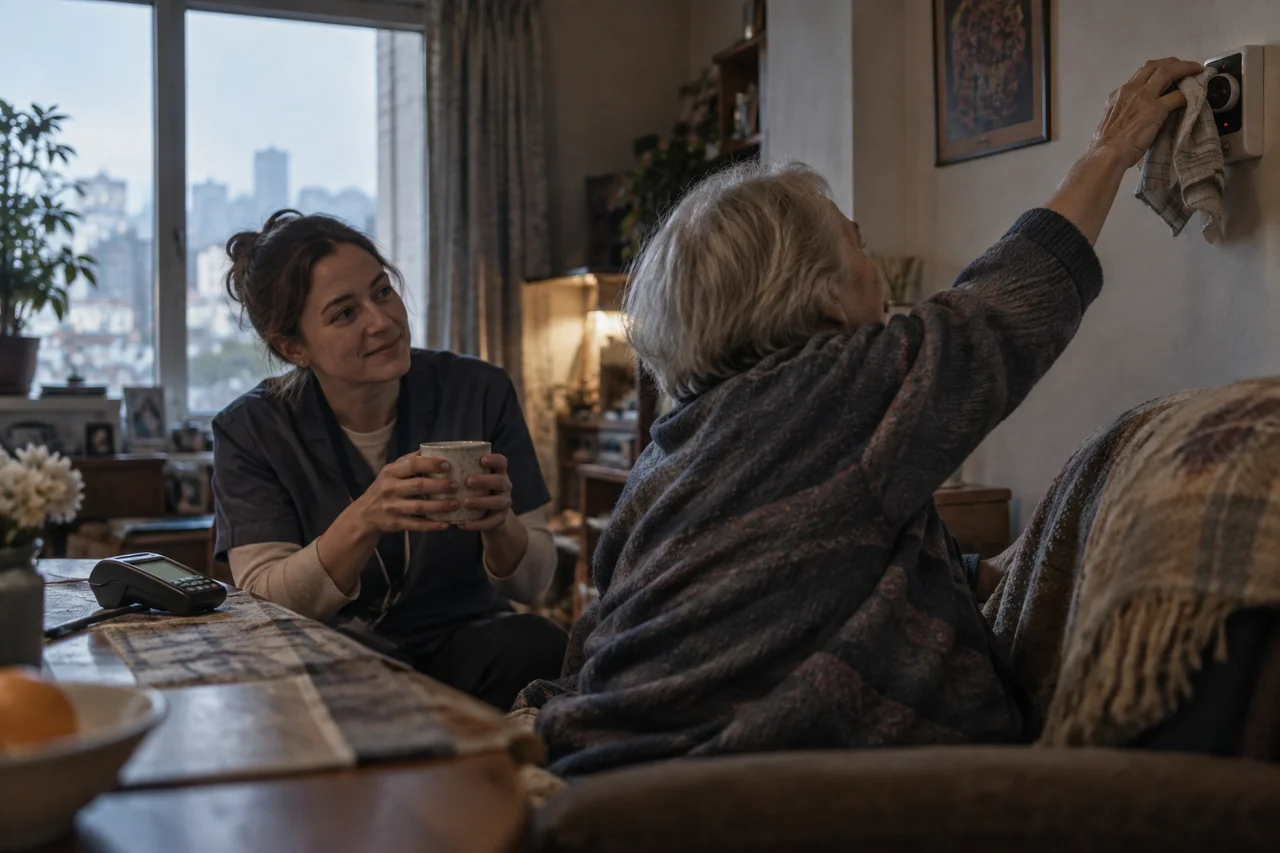
She could report the refusal, fake footage, or keep caring without compensation. Working unpaid would put her family’s finances at risk. Her supervisor understands, but worries that privacy exemptions would let wealthy households collect payments for care that never happened. Clients resent seeing their intimate moments turned into proof that someone else deserves financial support.
Start with the worker asking a distressed client to repeat a comforting conversation because the camera missed it. She joins other carers to devise less intrusive verification, perhaps through client-controlled statements and independent checks. Then someone exploits the alternative, handing opponents a reason to close it down. Let the final conflict turn on whose testimony people trust and what oversight asks of them. Success needs to protect care and privacy while allowing for fraud; neither goodwill nor constant filming can make every record honest.
10. Sleep as public infrastructure
Citizens lease their unused dream capacity to civic simulations. A maintenance engineer receives fault reports from a neighborhood that should vanish when its contributors wake. Instead, it persists. Its inhabitants submit repair requests through the city’s ordinary reporting system, asking her to maintain a place that shouldn’t exist.
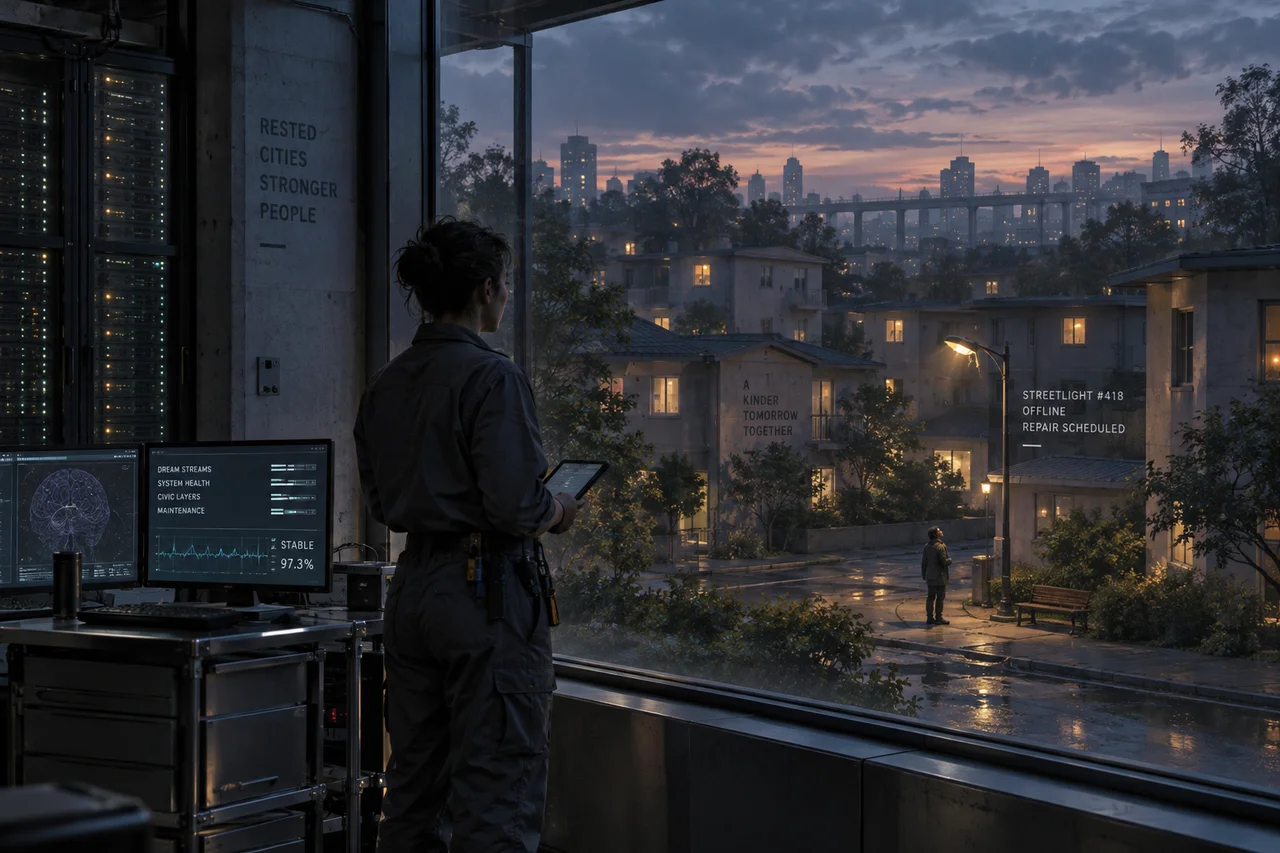
Keeping the neighborhood running takes capacity away from hospital planning. Switching it off might destroy people the city has no way to recognize officially. A colleague argues that uncertain digital lives cannot warrant putting known patients at risk. One dream resident offers to help reduce the load, but the engineer must investigate whether that offer can work.
Begin with a repair ticket for a street missing from every waking map. Give the dream community households, factions, practical limits, and arguments about dealing with outsiders. Some residents might agree to migrate; others might reject a plan that saves their memories but dismantles their home. The story can grow from a concealed maintenance exception into a public hearing over resources. Recognition brings obligations involving capacity and consent. The climax asks what the city owes beings it created unintentionally, alongside duties to its existing population.
11. The last inefficient craft
Handmade goods are permitted only when automation cannot reproduce their practical purpose. A certification inspector finds a potter deliberately making uneven bowls and cups. Their apparent flaws encode family histories erased from public archives. These everyday objects preserve records people can keep at home.
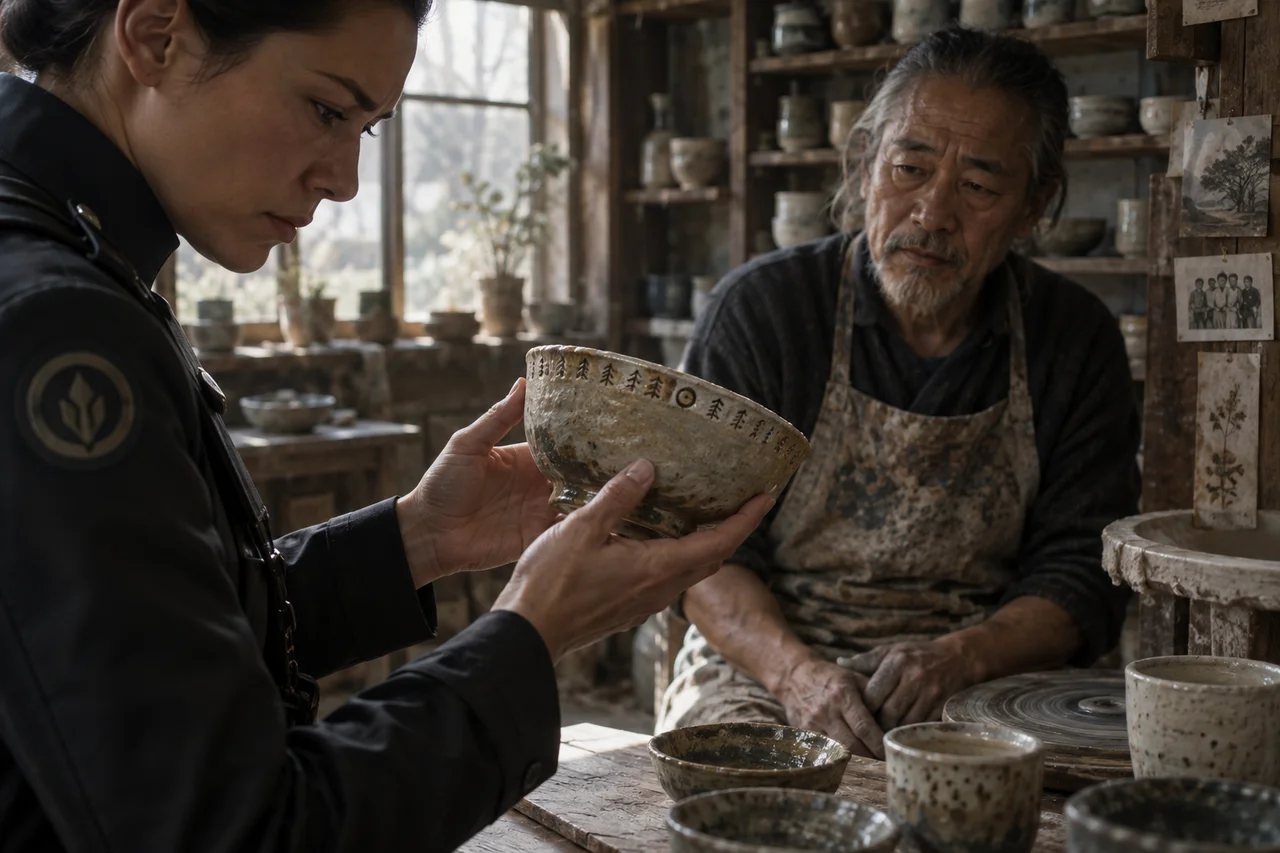
Closing the workshop would secure the inspector’s promotion. Accepting memory preservation as a legitimate function might save it, but could also create a luxury market for certified objects with supposedly meaningful histories. Neighbors could find themselves priced out of their own past. The potter wants to teach people the patterns, not watch collectors monopolize them.
Open with the inspector rejecting a bowl whose uneven rim recalls one from childhood. The case might lead to a certification hearing, secret lessons, or a race to share patterns before closure. An early attempt to authenticate the objects could expose the families whose histories they carry. Eventually, the inspector must choose between saving a prestigious workshop and helping ordinary people continue its practice elsewhere. An ending built around shared skill can preserve the knowledge while leaving a delicate question: who may repeat a history entrusted to a particular household?
12. The time-debt harvest
Workers pay for leave now by giving up years of future retirement. A payroll analyst discovers accounts charging some of this debt to projected workers who haven’t yet been born. Their expected earnings support benefits people already receive, including the parental leave she recently took.
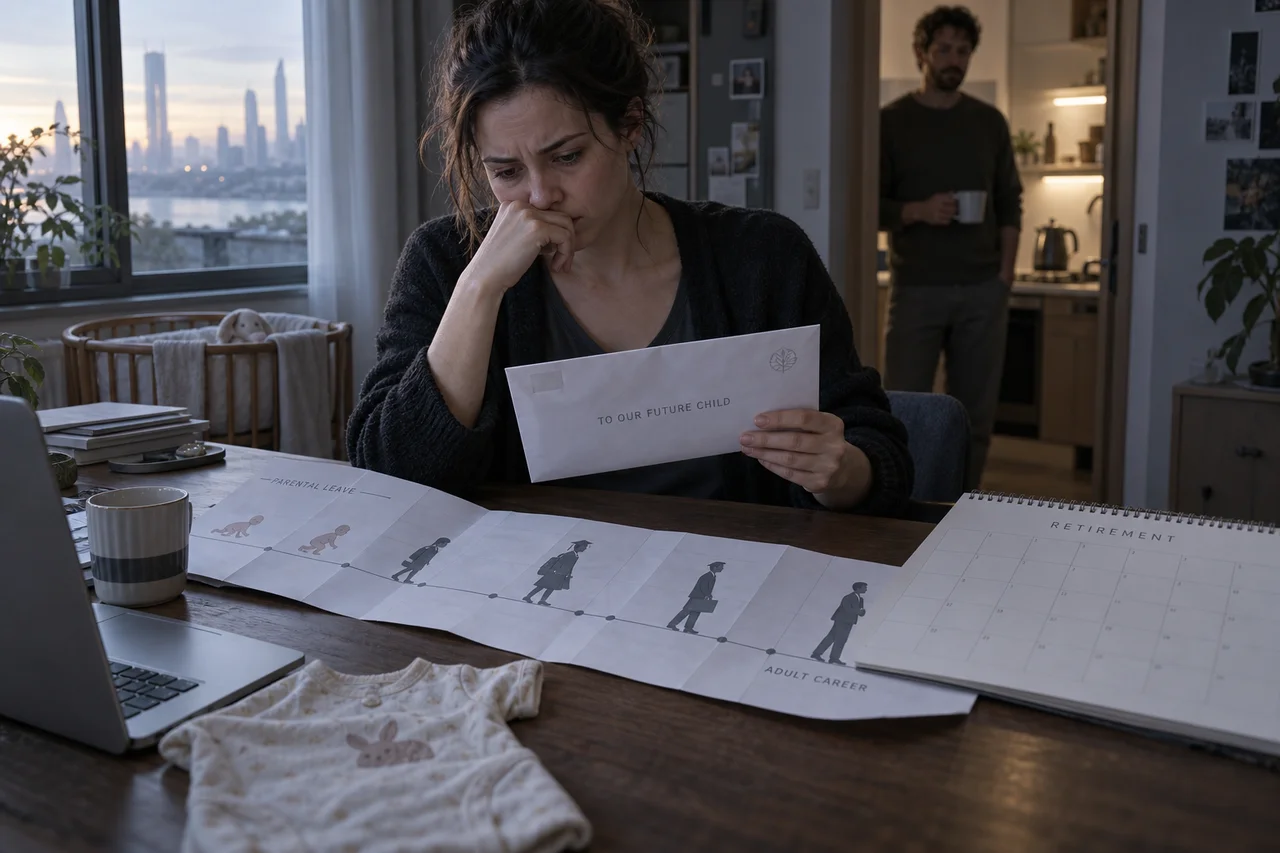
Canceling the accounts would strip promised income from families who depend on it. Supporters call the arrangement an investment in future prosperity. Other parents find that projections have hardened into obligations: their children’s education and eventual jobs are being assigned to protect repayment. The analyst must acknowledge that her own welcome benefit rests on decisions she had no permission to make for another person.
Begin with a benefits statement addressed to an unborn child. Explain the invented accounting as that household tries to correct the bill, change a projected career, or leave the scheme. A public audit can uncover who originally accepted the risk and who quietly passed it on. Build toward workers renegotiating obligations rather than every debt conveniently disappearing. Make their alternative concrete: who pays now, which promises survive, and how will future children gain the right to refuse lives already budgeted for them?
A small object can carry a large conflict: the bowl is useful, imperfect, and a record of a history the system would rather erase.
Dystopian ideas about climate and infrastructure
A protected district beside a neglected one can reveal as much as a vast disaster. Build environmental conflict around who receives protection and who pays for it. A dependable harvest might rely on banning unregistered alternatives; a comfortable neighborhood might be safe because danger has been sent elsewhere. Show the system’s achievements alongside the people excluded.
Decide how far each speculative mechanism reaches, what keeps it running, and how it can fail. These weather networks and movable cities are invented settings, not engineering forecasts. If a machine can divert every storm effortlessly and without consequences, why does anyone remain exposed? Limit the machine if necessary. Separate repairs the protagonist can make from allocation decisions requiring other people’s agreement.
13. Weather rationing
A regional network assigns each district annual amounts of rain, wind, and sunlight. A coastal scheduler learns that her district stays safe because severe storms are diverted into a supposedly unoccupied zone. Then a recent maintenance photograph shows laundry outside houses there. Someone is living in the storms’ path.

Continuing the diversion threatens an unregistered settlement. Reversing it would expose her own district, including her family’s home, to flooding. Managers insist that anyone settling outside the protected boundary accepted the risk. The hidden community’s residents say they were never given a realistic route into the protection scheme.
Open with the photograph arriving just before the next scheduled storm. The scheduler tries to confirm occupancy, warn residents, and arrange evacuation transport while officials argue over authority. A delay meant to prevent panic could consume the time people need to leave. Bring technical work together with roads, shelter space, and public cooperation in the climax; a button cannot move a community to safety. Afterward, return to the rule that put them in danger. A rescue matters, but they still need a claim on protection when the next storm comes.
14. The pollinator passport
Households must register flowering plants because the government centrally manages pollen routes. A route keeper discovers a wild bee colony in the ventilation system of a tightly regulated food-production tower. Procedure calls for fumigation. Hiding the colony could disrupt the tower’s approved crop plan.

Residents have sustained the bees through forbidden balcony gardens. They see an independent source of resilience, while tower workers see a threat to the harvest that pays their wages. The route keeper initially hopes to clear up an anomaly. Instead, she’s ordered to destroy an alternative before anyone can evaluate whether it could help.
Begin with a flower growing in a corridor where maintenance rules say none should survive. Following the gardens leads the route keeper to gather observations and propose a limited trial. Give it a measurable aim within the invented setting and a real chance of failure. A bad season or compromised test should cost people something beyond a lost argument. The ending might allow monitored coexistence or uncover an unacceptable risk. Either way, let evidence and participation shape the decision, without assuming nature or centralized technology must always prevail.
15. The museum of extinct weather
Children know snow, fog, and thunderstorms through licensed sensory museums. During a new storm exhibition, a curator notices real rain hitting the building. Visitors applaud, taking it for an extension of the installation. Then a child reaches past the exhibit boundary and catches a drop.
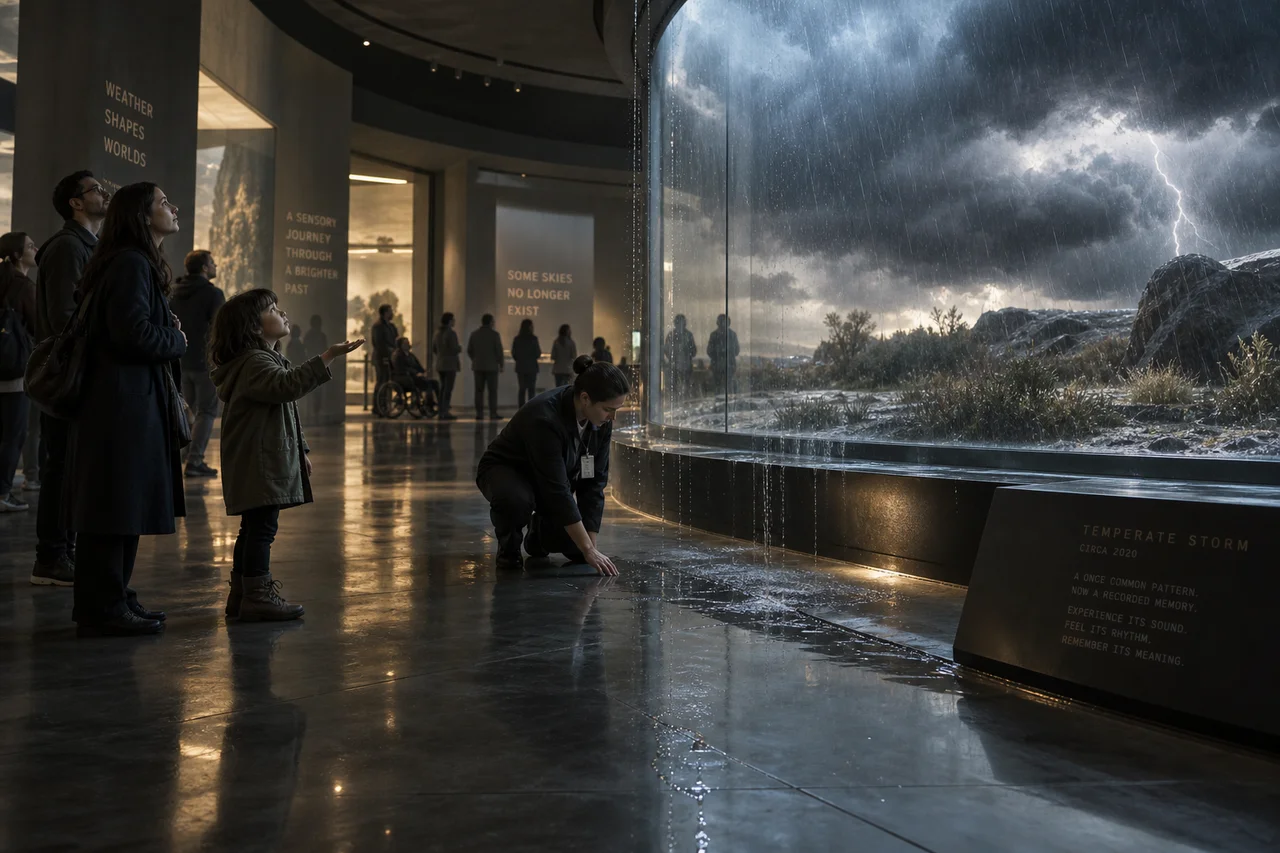
The city has been using museum programming to disguise failures in its climate controls. Calling an evacuation would reveal the deception and might provoke panic. Keeping the show going could leave visitors in danger. The curator’s former mentor defends the concealment: people traumatized by earlier disasters, they argue, cannot bear another stretch of uncertainty.
The child’s discovery can launch a thriller unfolding over one afternoon. The curator attempts a quiet safety check, discovers that warnings have been rewritten as exhibit commentary, and tries to persuade staff to contradict the museum’s authoritative voice. A longer novel could follow the aftermath, when citizens need practical preparation and reliable information as well as a confession. Let the climax change who may issue warnings and how people respond. The spectacular weather becomes consequential when someone recognizes a condition requiring action, rather than another display to watch.
16. The reversible city
Every building must move once every five years, preventing permanent claims on desirable land. Preparing for relocation, an architect discovers a room that cannot be detached. It holds the city’s original land records. Nearby lives a family displaced during the first move, still seeking proof of what was taken.
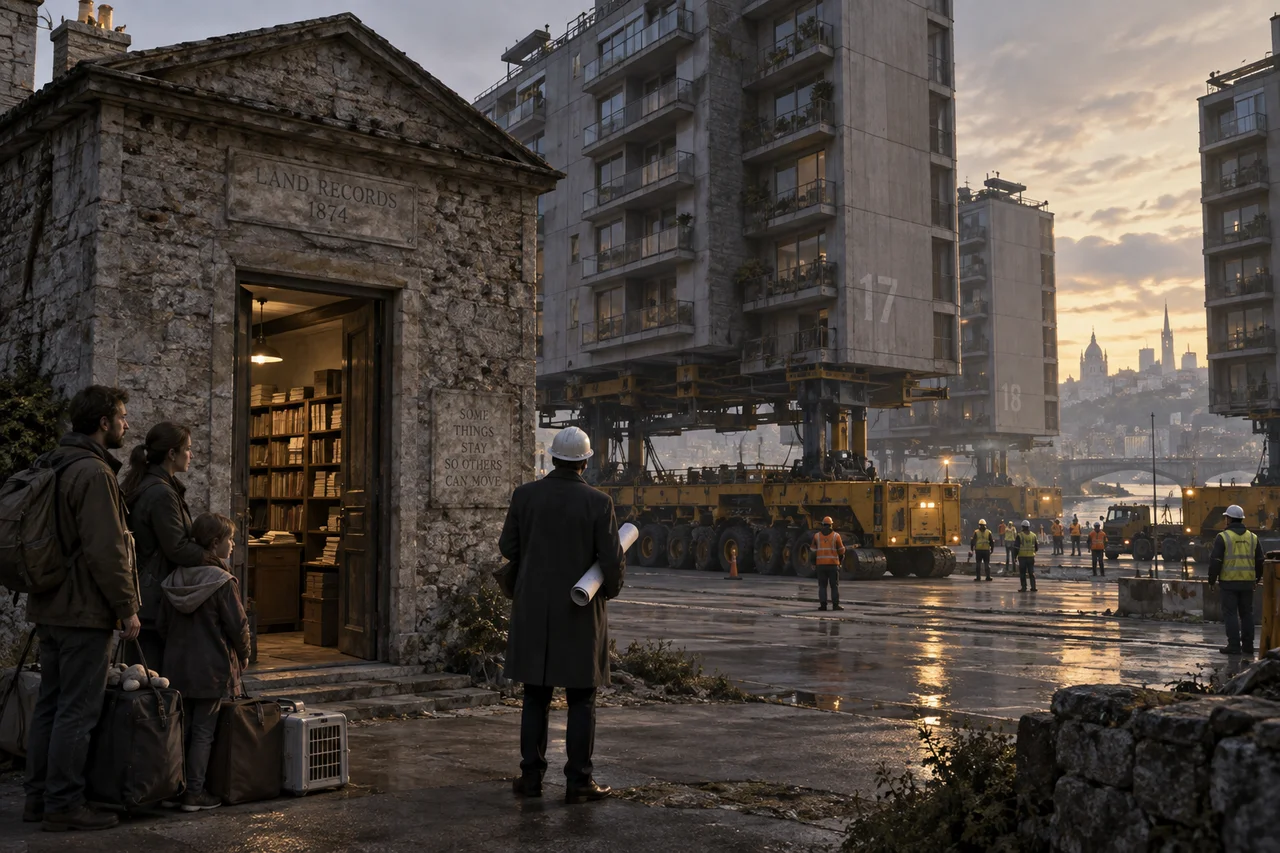
The moving system has also kept powerful families from holding the best locations indefinitely. Restoring old ownership might compensate one dispossessed household while reviving the hierarchy the city was designed to dismantle. Saving the room, publishing its documents, and reinstating every deed would have different consequences.
Start with an ordinary structural inspection and a wall that refuses to release. Relocation provides a physical deadline as claimants gather around the stubborn room. The architect investigates why it survived and whether acknowledging loss must mean granting permanent ownership. A hearing or occupation can bring those questions into conflict with crews waiting to move the buildings. End with a specific decision about who may stay, what compensation involves, and who will manage future moves. The rediscovered records should complicate the city’s history rather than settle every claim at once.
A clear physical rule creates scenes: when the city must move, an immovable room becomes a deadline, a problem, and a claim.
Dystopian ideas about information and language
Missing evidence, forbidden distribution, unaffordable access, and official categories that distort meaning create different communication problems. Choose the precise obstacle so characters can respond to it. Copying a document may preserve information yet achieve little if nobody can testify that it describes their experience. The route from knowing something to being heard is part of the story.
Show the restriction in an everyday exchange before explaining its history. An altered caption, duplicate appointment, or form missing the right option can create an immediate task and a larger mystery. When language is central, distinguish an institution’s refusal to recognize an idea from a person’s ability to think it. Speakers can still improvise, misunderstand, cooperate, and resist.
17. The vocabulary tax
Each household gets a free daily word allowance on the communication network and pays for anything beyond it. A subtitle editor notices a child inserting messages into captions on other people’s broadcasts. The changes use her credentials, so every added sentence comes out of her family’s allowance.
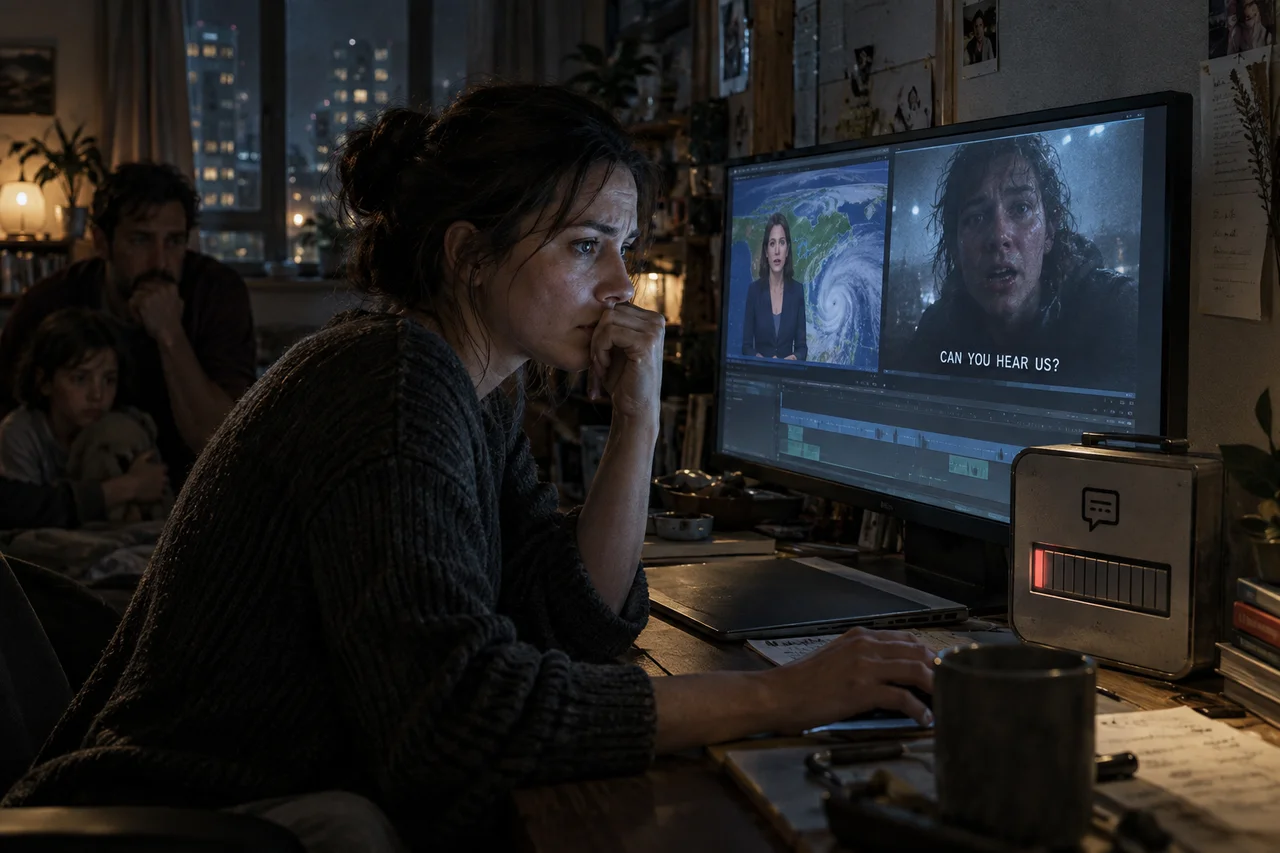
The first messages describe everyday needs. Later ones reveal a group barred from authorized communication. Closing the channel would protect the editor’s household and silence people with no recognized way to request help. Leaving it open consumes words her family needs for urgent conversations. Her expertise gives strangers a chance to be heard, but her resources remain limited.
Open with an ordinary weather report that suddenly includes a sentence addressed to her. She traces the alteration, tries replying, and learns that the child cannot safely use the same route twice. Be clear about what incurs charges: networked messages, written material, or monitored speech. If only network use is metered, establish why offline contact is difficult. The plot can follow the search for a lasting channel as authorities close particular loopholes. Let the eventual victory secure access rather than spend everything on a single broadcast.
18. The spoiler office
To reduce anxiety, the state releases the ending of every approved story before publication. An editor receives a novel whose compulsory ending describes a real person’s murder the following day. Earlier chapters seem to lay out the steps needed to cause that death.
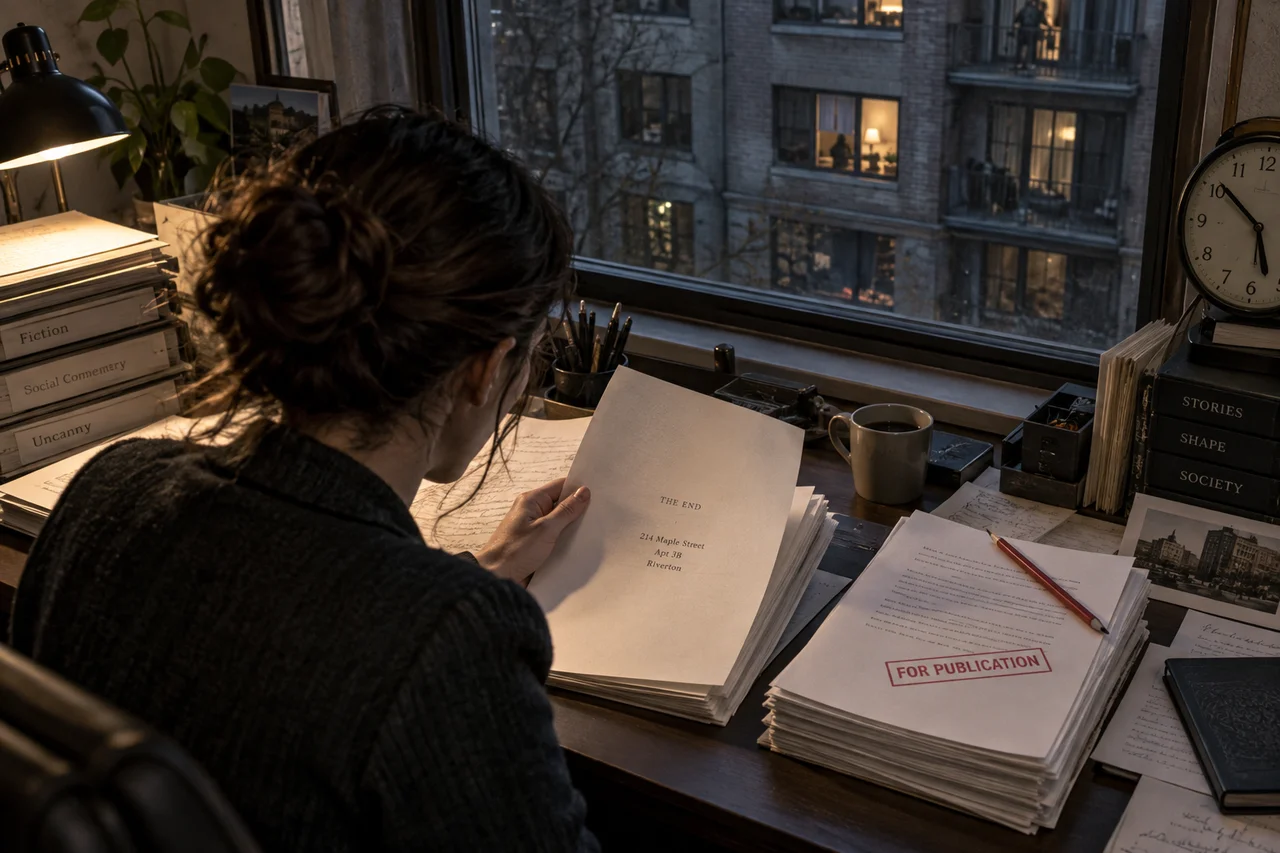
Warning the intended victim could trigger one of those steps. Suppressing the manuscript would use the very censorship power critics accuse the office of seeking. The editor needs to determine whether the text describes someone’s plan or was written to steer the authorities into completing it. A prediction, a threat, and a trap each call for a different response.
Begin with a small copyedit that exposes the victim’s actual address. Let the editor test explanations by changing a detail, checking an event supposedly already completed, or contacting someone the manuscript never mentions. Each test should yield evidence while potentially changing what happens next. Keep the mechanism within human planning and manipulation unless prophecy already belongs in the setting. At the climax, the editor might refuse the role the manuscript gives them while still accepting responsibility for protecting the victim. People must learn to act amid uncertainty, which the office has promised to eliminate.
19. One name per person
Aliases are forbidden, and every transaction belongs to one permanent civic identity. A registry clerk finds two living citizens sharing a name, recorded history, and biometric file. Each has built an enduring life around the account. Under existing rules, separating the record would leave one without essential services.
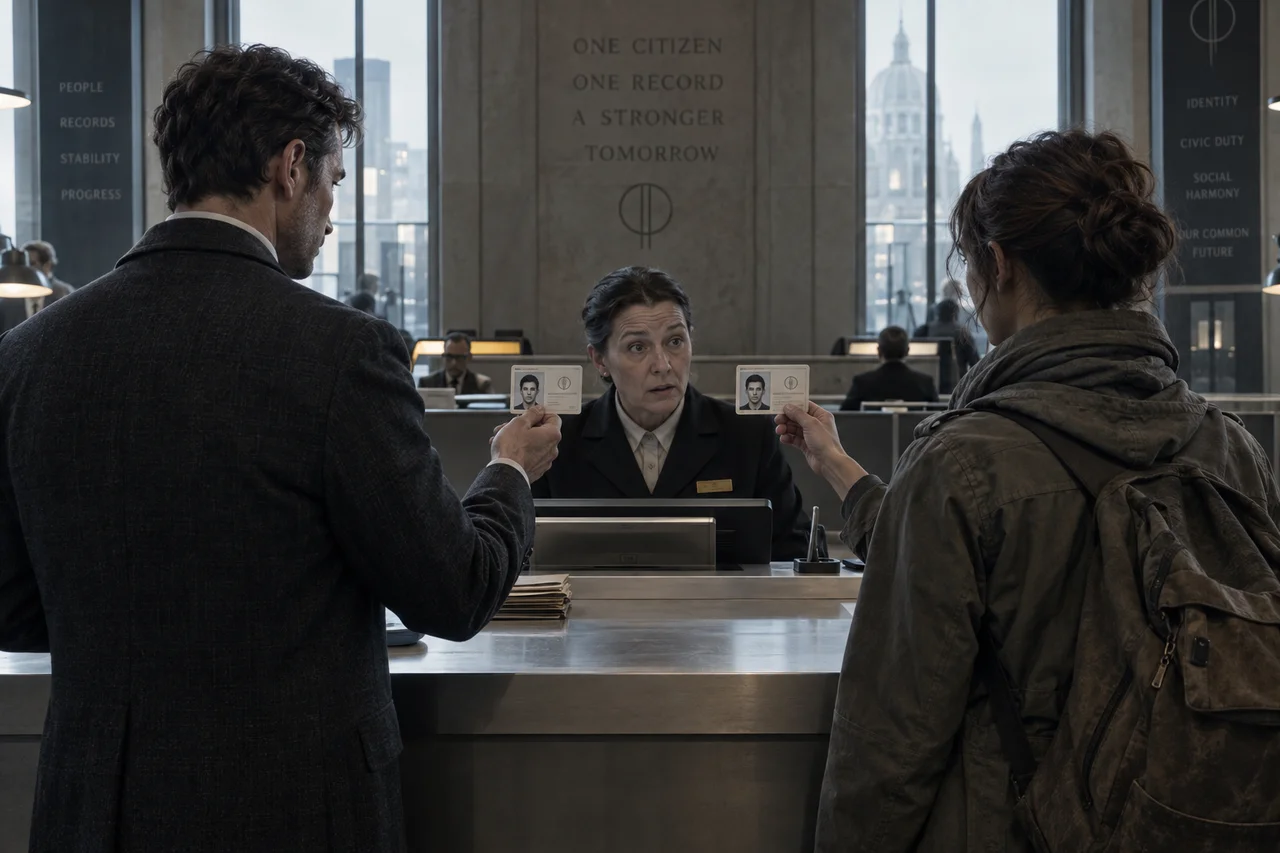
The shared identity began as an emergency workaround during a migration crisis. One citizen now holds a respected public position. The other has maintained the family history that helps their record survive scrutiny. They disagree over who sacrificed more, but neither agrees to disappear. Correcting the account would require the clerk to decide whose life the institution will acknowledge.
Open with both citizens arriving for the same verification appointment. Follow how the duplicate arose, what each person contributed, and why earlier checks missed it. Explain the recorded workaround instead of making biometrics infallible everywhere except this convenient failure. Give both citizens allies, proposals, and decisions of their own; they needn’t wait for the clerk’s verdict. The ending could establish separate identities that retain their histories and obligations. To do that, the registry would have to admit the human cost hidden behind its simple recordkeeping rule.
20. The translation embargo
Every district must use one approved language to give resource-allocation systems standardized instructions. A translator encounters a warning in a mixed form preserved by speakers of two prohibited languages. The official translation process removes essential grammatical cues, converting caution into a command just as an infrastructure change approaches.
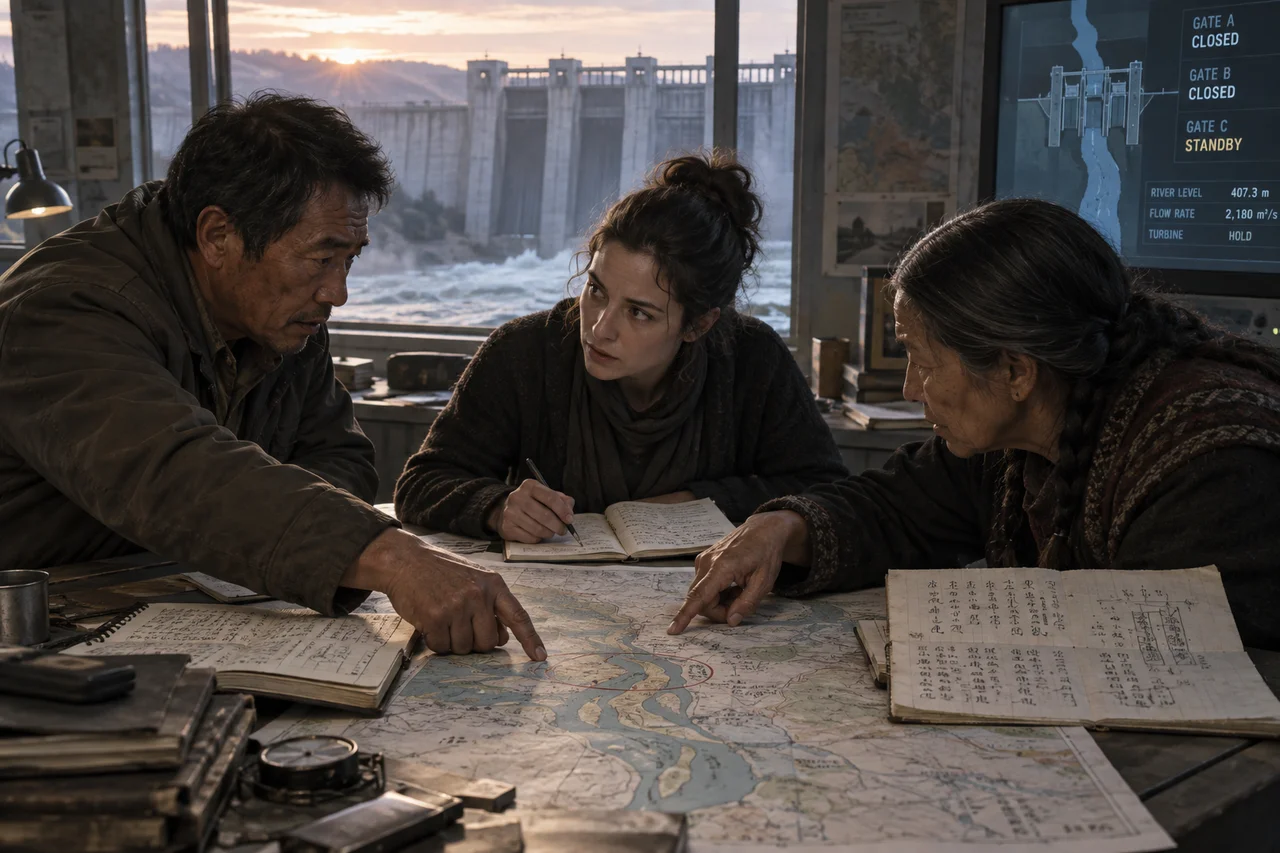
Understanding the warning requires speakers from both communities to meet. Bringing them together could expose people who have secretly kept forbidden languages alive. Authorities want an immediate answer, while the communities disagree about helping. They might avert a disaster, but their knowledge might also strengthen a system that continues to exclude them.
Start with a translation that passes every formal check and makes no sense to someone who knows the situation. Have the translator examine context, speaker relationships, and competing readings rather than hunt for one magical word. She might initially go wrong by trusting one community’s explanation before hearing the other. Build toward a public conversation where affected speakers interpret and challenge the proposed action themselves. Correcting the immediate mistake needn’t end all language restrictions. It can still establish that people governed by an instruction must help decide what it means.
Turn one idea into a plot: the water-allocation example
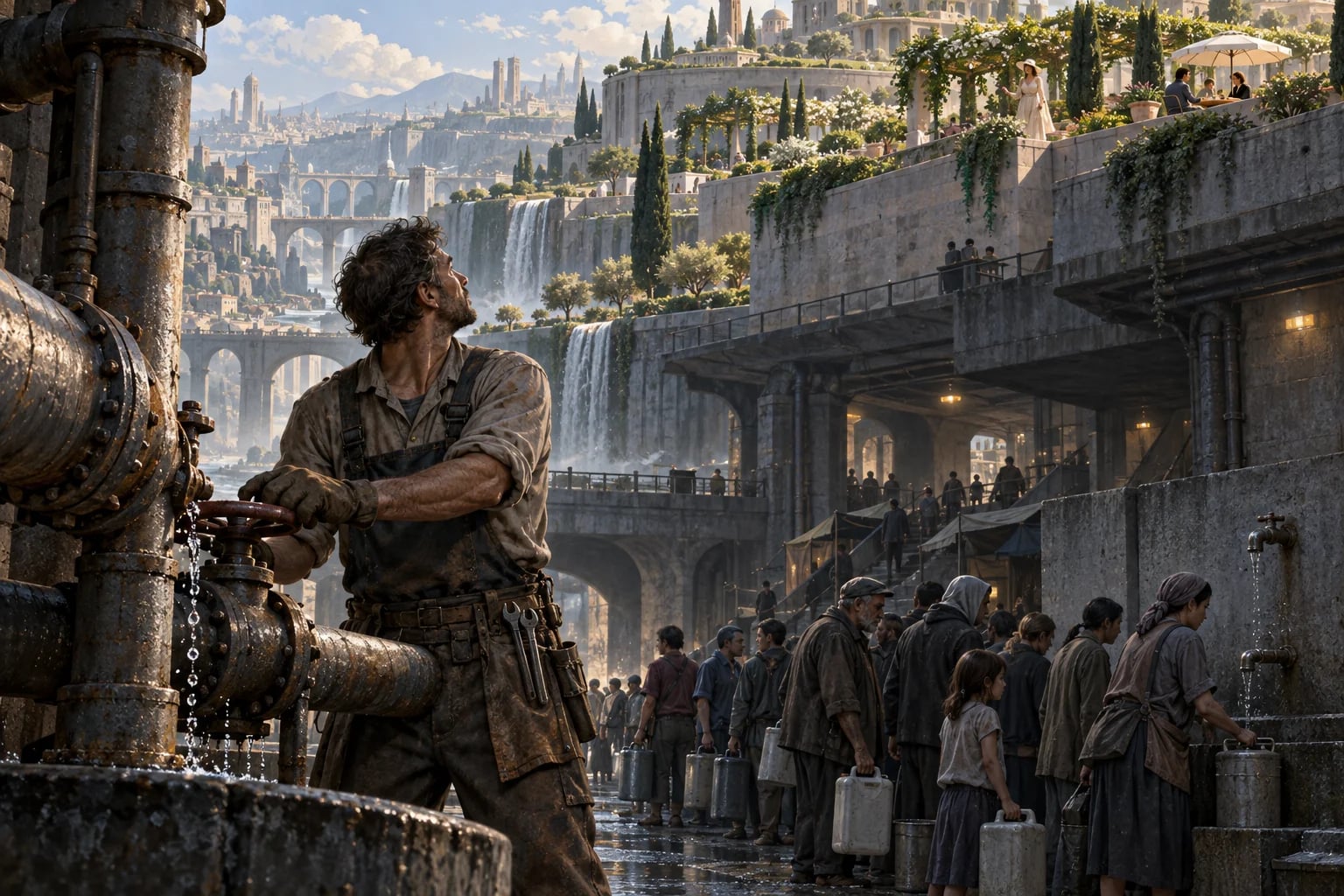
Give one person a required action, a deadline, and a discovery that makes obedience costly. Imagine a drought engineer doing repairs in a city where ornamental rooftop gardens receive water while households queue below. Unequal supply gives you a setting. Requiring her to certify a valve upgrade that will lock the arrangement into place gives you a plot.
Give her a reason to have supported the arrangement. She believed the gardens cooled emergency shelters and therefore deserved protected water allocations. During a valve inspection, she finds that several shelters have become private residences while keeping their protection. Signing the certificate would approve that discrepancy and make reversal much harder after installation.
Her first response should shape what happens next. Signing keeps her job secure while drawing her further into the wrongdoing. Delaying buys time, but may reduce pressure at a hospital awaiting the upgrade. Reporting the conversions looks responsible until her report reaches the official who approved them. Let that choice cause the next scene, instead of introducing an unrelated atrocity whenever the plot needs momentum.
| Plot movement | Concrete event | New consequence |
|---|---|---|
| Discovery | During certification, the worker finds a private garden receiving water through a protected shelter line. | She must either challenge the allocation or approve something she knows is false. |
| First attempt | She files a correction request through the normal maintenance process. | The request alerts the official responsible for converting the shelters, who demands an explanation for the delay. |
| Escalation | A colleague supplies conversion records, but their family depends on services in the protected district. | Releasing the evidence may expose an ally and put legitimate beneficiaries at risk. |
| Failed solution | A temporary rerouting reveals that neglected pipes in the lower district cannot reliably handle the changed supply. | Redistribution requires repairs, labor, and cooperation as well as disclosure. |
| Final choice | To stop the allocation being locked in, the worker publicly challenges the certification process and admits that her earlier approvals were wrong. | She sacrifices credibility and must share responsibility for a replacement plan with residents and other workers. |
A failed solution can deepen her understanding. At first, she believes she needs to uncover concealed privilege. Later, she learns that years of neglect have left pipes unable to deliver reliable service even with the right valve open. The inequality remains wrong; remedying it requires more than exposing the people who benefited.
Keep her professional skills essential while giving others knowledge she lacks. She can read pressure logs and explain the upgrade. Residents know which taps fail, crews understand the repairs, and hospital staff know which interruptions they can withstand. The climax can work because she makes their participation possible, without a hidden resistance arriving with every missing resource.
Build the world through the consequences of its rules
Dystopian fiction explores societies that oppress, dehumanize or severely restrict people. It doesn’t have to take place in the future. The International Anthony Burgess Foundation’s discussion of dystopia makes that distinction: the defining problem is how a society treats people. A ruined landscape can provide the setting, but the rules governing its survivors create the dystopian conflict.
The invented future doesn’t have to feel inevitable. The Orwell Foundation’s account of Orwell and the future explains that he presented Nineteen Eighty-Four as a warning, rather than an unavoidable destination. (orwellfoundation.com) Give an insider a small, believable starting point: refuse a signature, keep an appointment open, or ask why someone’s name is missing.
Show the central rule in three everyday situations with different stakes. In the water city, follow someone washing a child’s school uniform, a worker repairing a leaking public tap, and a resident deciding whether to report a neighbor’s illegal storage tank. Give each scene an immediate objective. The uniform is needed by morning; the worker cannot requisition a necessary part; the tank protects one household while making others suspicious.
Let people respond differently. One resident follows the rules because they remember a worse shortage. Another charges for access to a loophole. A third quietly shares water but won’t join a public protest. Those choices should change neighborhood relationships. People can agree that the system is unfair while disagreeing about acceptable risks and who should take them.
In your notes, distinguish what the institution promises, what work it actually does, and why its employees act as they do. A supervisor might sincerely support fair distribution yet suppress complaints because an investigation would expose years of neglected repairs. Put that contradiction into a scene: the supervisor approves an unofficial repair, then blocks the report explaining why it was needed.
When characters find a workaround, check that it fits the established rules. Le Guin’s discussion of internal coherence in invented worlds emphasizes that an invention must not contradict itself. (ursulakleguin.com) Note who knows the workaround, why everyone hasn’t adopted it, and what using it costs. An unmonitored pipe might supply one street without having enough capacity for a district. That limit preserves the characters’ resourcefulness and the larger problem.
Choose an ending that answers the idea’s central conflict
Decide which obligation the protagonist must finally accept, reject, or share. A decisive ending doesn’t require the government to fall. A story about a child’s voice in placement decisions should resolve whether and how that child gets heard. A story about falsified memories should settle who may choose restoration and which experiences remain irretrievable.
An escape ending needs to account for those who cannot leave, along with the knowledge or responsibilities the escapee carries away. A reform ending needs people to run, fund, and challenge the replacement arrangement. An exposure ending should give the public something to do with what they learn: organize a hearing, refuse an order, protect a witness, or demand records. Publishing the truth can open the way to repair, but repair still takes work.
Bring back an opening detail and let it work differently. A child fills a cup without asking permission. An archive keeps two conflicting accounts instead of erasing one. A potter teaches a pattern publicly rather than concealing it in a supposedly defective bowl. Tie that change to the characters’ choices and keep remaining limits visible. A working tap can mark a real victory while other streets still await repairs.
Use the Story Spine guide to connect major events, checking whether each attempt causes the next complication. For unreliable records or a protagonist who benefits from the institution, the guide to narrator types can help you choose who tells the story and when readers can question their account. Then write the first scene requiring the protagonist to act on what they know. Build the parts of the world needed to make that choice—and its consequences—convincing.