Table of Contents
If you’ve ever wanted a romance that actually feels haunted—like the house is holding its breath, and the love story has something to lose—then gothic romance is exactly that. I’ve been circling this genre for years, and what keeps pulling me back is the mix: big atmosphere, secrets you can’t stop thinking about, and romance that’s intense because the stakes are personal.
So yes, if you’re looking for the famous gothic romance novels (the classics people keep recommending, plus a few modern favorites that still scratch the same itch), you’re in the right place.
Key Takeaways
- Most iconic “gothic romance” pick: Jane Eyre (Thornfield Hall is basically a character, and the romance tension is built on secrets + restraint).
- Most moorland, wild passion: Wuthering Heights (not “cozy gothic”—it’s raw, obsessive, and emotionally brutal in the best way).
- Most refined gothic mystery: Rebecca (the dread is quiet, the jealousy is sharp, and the romance grows around an unsettling past).
- Most playful gothic parody: Northanger Abbey (it pokes fun at the genre while still delivering a sweet love arc).
- Best for haunted-house suspense with romance: Dragonwyck (old mansion vibes, creeping dread, and a love story that doesn’t ignore the darkness).
- Modern romantasy-adjacent direction: gothic moods show up in fantasy romances because cursed estates, dark magic, and hidden identities scale beautifully.
Top Famous Gothic Romance Novels
Quick note on my curation: I’m building this list around what consistently shows up in reader conversations and classic-gothic “starter packs”—books where the setting drives tension, the romance is tangled up with secrets, and the emotional payoff feels earned. I’m also prioritizing titles that are easy to find in multiple editions (so you’re not hunting down a rare printing just to get to the good part).
Here are my top picks—classic heavyweights first, then modern favorites that still feel gothic at the core.
Classic Gothic Romance Essentials (Start Here)
1) Jane Eyre by Charlotte Brontë — moody estate + moral intensity
- Gothic core: Thornfield Hall feels alive—its rooms, routines, and rumors tighten around Jane.
- Romance trope: guarded love + secrets revealed in messy, emotional ways (not just “a misunderstanding”).
- What I noticed: Jane’s voice keeps the story from becoming purely melodramatic. You’re not just watching danger—you’re watching a person choose herself.
2) Wuthering Heights by Emily Brontë — moorland obsession + stormy passion
- Gothic core: the Yorkshire moors aren’t backdrop—they’re pressure. The weather matches the feelings.
- Romance trope: devotion that curdles into obsession. It’s intense, and it’s not always “healthy.”
- Best for: readers who want gothic passion without needing it to be gentle.
3) Rebecca by Daphne du Maurier — jealousy, dread, and a love story in the shadows
- Gothic core: Manderley has this elegant, suffocating charm—like everything is polished… and wrong.
- Romance trope: romance built around a past that won’t stay buried.
- What I noticed: the fear is subtle. It creeps in through etiquette, silence, and comparison.
4) Northanger Abbey by Jane Austen — gothic parody with a real heart
- Gothic core: it makes fun of the genre’s “secret passage” fantasies—then turns around and uses that energy for character growth.
- Romance trope: manners + misunderstandings + a love story that feels earned.
- Best for: anyone who wants gothic vibes without full-on dread.
5) Dragonwyck by Anya Seton — haunted mansion energy + suspenseful romance
- Gothic core: the old house is packed with history, and the family “myth” feels like it has teeth.
- Romance trope: attraction tangled with family secrets and moral conflict.
- Best for: readers who like gothic atmosphere that leans toward thriller pacing.
More “Famous” Gothics That Still Hit
6) The Woman in White by Wilkie Collins — mystery-first gothic romance atmosphere
- Gothic core: locked rooms, disguises, and a sense that someone is always watching.
- Romance trope: love that grows inside investigation and danger.
- What to expect: it’s less “haunted mansion” and more “gothic suspense with romance threads.”
7) The Mysteries of Udolpho by Ann Radcliffe — classic terror + romantic entanglement
- Gothic core: ruined castles, hidden chambers, and that delicious dread of what’s behind the door.
- Romance trope: protection, separation, and reunion built through peril.
- Best for: readers who want the “blueprint” of gothic storytelling.
8) The Monk by Matthew Lewis — dark and morally intense gothic romance-adjacent
- Gothic core: it’s darker than most “romance” readers expect. Temptation and consequence drive the tension.
- Romance angle: the romantic/sexual threads are complicated and often unsettling.
- My honest take: if you want sweet, this isn’t it. If you want gothic heat with bite, it is.
9) Carmilla by J. Sheridan Le Fanu — early gothic vampire love
- Gothic core: intimacy, unease, and a slow-building sense that something isn’t human.
- Romance trope: emotional closeness that reads like devotion—then turns terrifying.
- Best for: readers who like gothic romance that crosses into horror.
10) The Castle of Otranto by Horace Walpole — the original “gothic” vibe
- Gothic core: huge symbols, uncanny events, and a castle that feels cursed even when no one says it out loud.
- Romance trope: love and lineage under threat.
- Best for: readers who want the history of the genre itself.
Modern Favorites (Gothic Mood, Contemporary Stakes)
11) The Haunting of Hill House by Shirley Jackson — atmosphere-forward, romance-light
- Gothic core: the house feels like it’s responding to people.
- Romance angle: not the main driver, but the emotional relationships sharpen the dread.
- Best for: readers who want gothic intensity more than romance heat.
12) The Thirteenth Tale by Diane Setterfield — literary gothic with a love story built on truth
- Gothic core: old houses, buried narratives, and the feeling that the past is actively shaping the present.
- Romance trope: intimacy that grows through storytelling, not just attraction.
- What I liked: it’s slow-burn in the best way—mystery first, romance follows naturally.
13) The Silent Companions by Laura Purcell — creepy-house gothic with emotional romance tension
- Gothic core: eerie presence + family history that won’t stay dead.
- Romance trope: tenderness inside fear (and fear inside tenderness).
- Best for: readers who want gothic that leans horror without losing the human heart.
14) The Winter Witch by Paula Brackston — historical magic + romance in a gothic mood
- Gothic core: cold landscapes, old secrets, and a sense of “history repeating” in spooky ways.
- Romance trope: love entangled with time, prophecy, or fate-like pressure.
- Best for: readers who like romantasy-adjacent vibes but still want a grounded emotional core.
15) Mexican Gothic by Silvia Moreno-Garcia — modern gothic with sharp, contemporary bite
- Gothic core: a collapsing mansion + a family structure that feels like a trap.
- Romance trope: chemistry and emotional tension, but the survival plot is the engine.
- What I noticed: it’s gothic without feeling stuck in the past—fast, stylish, and genuinely tense.
If you want a quick “pick based on mood” cheat sheet, here you go:
- Most classic romance feel: Jane Eyre
- Most tragic, stormy passion: Wuthering Heights
- Most elegant dread: Rebecca
- Most cozy-with-a-joke gothic: Northanger Abbey
- Most haunted-house suspense: Dragonwyck / The Silent Companions
- Most modern, page-turning gothic: Mexican Gothic
Small reader tips (so you don’t bounce off the genre):
- If you like slow burn, start with Rebecca or The Thirteenth Tale. The romance lands harder because it’s built through dread and discovery.
- If you want more heat and don’t mind darkness, try Wuthering Heights or Carmilla (but go in knowing it’s not “sweet.”).
- If you want gothic without extreme horror, Northanger Abbey is a great entry point—funny, romantic, and still steeped in the genre’s aesthetics.
One limitation I’ll be upfront about: “gothic romance” isn’t always labeled consistently. Some titles are romance-forward but not fully gothic; others are gothic-first with romance as a thread. That’s why I’m focusing on books where the setting + secrets genuinely drive the romantic tension.
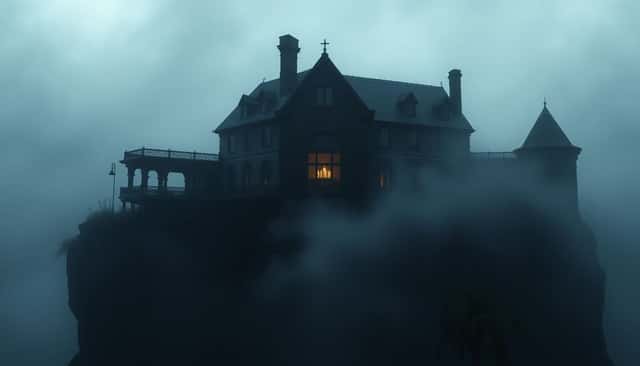
How Gothic Romance Continues to Evolve in Modern Literature
Gothic romance isn’t a museum piece. It keeps changing because readers keep wanting the same emotional payoff—just with modern sensibilities.
What I see most often in newer books is a shift in how the gothic “threat” works. Instead of only relying on literal curses or creepy mansions, authors now use things like trauma, secrecy, power imbalances, and social pressure to create that same sense of dread. The vibe is still gothic. The source of the danger just feels more personal.
And yes—genre mixing is huge right now. You’ll see gothic atmosphere braided into thrillers (investigation + suspense), fantasy (cursed objects + magic rules), and even historical fiction (old social codes that feel suffocating). That’s why modern gothic romances can feel both familiar and fresh. The emotional engine is classic; the packaging updates.
For a practical example, take the “morally gray” trend. In many modern gothics, the love interest isn’t just brooding for aesthetics—they’re complicated, sometimes wrong, and they have to reckon with consequences. It makes the romance feel less like a costume and more like a relationship.
If you want a place to see how the broader romantasy conversation connects to gothic vibes, you can check resources and prompts here: https://automateed.com/tag/romantasy/.
The Role of Gothic Atmosphere and Settings in Today’s Romance Novels
Here’s the thing: gothic romance lives or dies on atmosphere. You can’t fake it. The setting has to do real work.
Stormy moors, foggy estates, candlelit halls, creaky staircases—those are the obvious ingredients. But today’s best books use setting details like emotional signals. A corridor that feels too long? That’s tension. A room that’s been sealed off? That’s history trying to stay hidden. A household ritual that everyone follows but no one explains? That’s social control.
In my opinion, the most effective gothic settings also mirror the characters. When the heroine is unraveling, the house feels like it’s unraveling too. When the hero is hiding something, the estate seems to “cover” it. That’s why readers remember these books—they don’t just remember plot points. They remember the feeling of being watched by the architecture.
If you want more ideas on crafting immersive environments, this might help: https://automateed.com/how-to-write-a-foreword/.
Dark Secrets and Hidden Pasts in Modern Gothic Romance
Hidden pasts are the engine of gothic romance. It’s not just “there’s a secret.” It’s that the secret changes how everyone behaves in the present.
In classics like Rebecca, the past isn’t a tidy reveal—it’s a force. The new relationship can’t fully breathe because the earlier story keeps echoing through Manderley’s rooms and conversations. You feel the jealousy before you ever get the full explanation.
In Jane Eyre, the secrecy at Thornfield Hall creates romantic tension that’s both emotional and moral. You’re not only wondering what happened—you’re wondering whether love can survive the truth.
Modern gothics often do the same thing, just with different “secret types.” Instead of only family curses, you might get secrets around identity, institutional power, or the cost of surviving a past relationship. The suspense comes from discovery, but the emotional punch comes from what the discovery changes.
My quick advice for readers: if you love gothic romance, don’t skim the early chapters. A lot of the “clues” are emotional—someone’s tone, a detail that seems off, a moment that feels too carefully controlled.
If you’re looking for a resource that connects character depth with layered storytelling, you can browse here: https://automateed.com/how-to-write-a-foreword/.
Gothic Romance and Romance Tropes: Classic vs. Modern
Gothic romance tropes are surprisingly durable. Orphaned heroines. Brooding love interests. Haunted buildings. Forbidden history. Those aren’t going anywhere.
The difference is how modern books treat them. Classic gothic tropes often used mystery and social hierarchy to control the characters’ options. Modern writers tend to keep the tension but change the power dynamic. The heroine might still be trapped in a situation, but she’s more likely to push back, investigate, or make choices that matter.
Also, the “cursed house” trope has evolved. Sometimes it’s literal. Sometimes it’s metaphorical—trauma, grief, addiction, or inherited dysfunction masquerading as a curse. Either way, it keeps the same gothic promise: the past isn’t over.
And genre blending is everywhere now. You’ll see gothic setups in paranormal romances, suspense romances, and fantasy romances. The gothic vibe is the glue. The romance is the emotional payoff.
If you want to explore trope variations and prompts, this page is a solid starting point: https://automateed.com/romance-story-prompts/.
Why Gothic Romance Is Gaining Popularity in the Romantasy Boom
Romantasy is booming for a reason: readers want romance and big, immersive worlds. Gothic themes fit that perfectly because they already come with built-in scale—cursed estates, ancient bloodlines, secret magic, and mysterious rules that make every emotional choice heavier.
What I notice in a lot of romantasy-adjacent gothic romance is that the “secret” becomes more than plot. It becomes power. A hidden identity might unlock magic. A family curse might explain why someone acts cold. That turns gothic tension into world-building, which makes the romance feel even more consequential.
One more reason it’s working: gothic atmosphere translates really well into fantasy aesthetics. Think stained glass and candlelight, but now with spellwork. Think hidden rooms, but now with wards. Same mood. Bigger stakes.
If you’re interested in how to connect gothic mood to fantasy-world structure, you can start here: https://automateed.com/how-to-write-a-fantasy-world/.
FAQs
Gothic romance is usually defined by a dark, atmospheric setting (often a mansion, estate, or isolated landscape) plus a romance that’s tangled up with secrecy—hidden pasts, moral ambiguity, and emotional danger are common ingredients.
Some of the most widely recommended titles are Jane Eyre (Charlotte Brontë), Wuthering Heights (Emily Brontë), Rebecca (Daphne du Maurier), Northanger Abbey (Jane Austen), and Anya Seton’s Dragonwyck. If you want gothic horror-leaning romance, Carmilla is another classic to try.
People love gothic romance because it delivers mood, suspense, and emotional intensity in one package. Modern readers also enjoy how the genre can reflect real-world themes—power, trauma, identity—while still feeling dramatic and romantic.
Yes—though the tone can vary a lot. Some books are more suspenseful or horror-leaning, while others are more romance-first. If you pick based on mood (moors, mansion dread, refined jealousy, or playful parody), you’ll have a much better experience.