Table of Contents
Gothic romance and dark fantasy both live in that “beautiful but dangerous” zone… and I get why people mix them up. The vibes can look similar at first glance: candlelit rooms, eerie weather, cursed objects, characters who feel a little haunted (sometimes literally). But when you look closer, the job each genre is doing—emotionally and narratively—turns out to be pretty different.
In this guide, I’m going to break down what gothic romance and dark fantasy usually emphasize: tone, setting, character goals, and what kind of conflict drives the plot. I’ll also call out the common myths that make readers think they’re the same thing, and I’ll give you a practical way to choose your next read (or plan your own hybrid story) without guessing.
Key Takeaways
Key Takeaways
- Gothic romance is built around romance + suspense, with emotional intensity and often supernatural pressure (ghosts, curses, family secrets).
- Dark fantasy leans into dark magic, brutal stakes, and morally gray characters, where survival and power struggles push the story forward.
- The biggest difference: gothic romance usually makes the relationship and internal turmoil the main engine, while dark fantasy makes external danger and moral consequence the main engine.
- Both genres use setting to affect mood, but gothic romance tends to feel claustrophobic and intimate (rooms, corridors, looming estates), while dark fantasy often feels expansive and threatening (kingdoms, war zones, cursed landscapes).
- Gothic tone is moody, melancholy, and passionate—like longing under pressure. Dark fantasy tone is tense, gritty, and frequently violent.
- In gothic romance, characters are often pulled apart by forbidden desire, shame, grief, or fear. In dark fantasy, characters are often pulled apart by power, corruption, and consequences.
- Romantasy and other hybrids blur the lines, but the “center of gravity” still matters—what gets prioritized: the love story’s emotional stakes, or the world’s danger and moral cost.
- These genres aren’t just niche “vibes.” Modern readers keep gravitating toward them because they deliver atmosphere and emotional payoff (or intentional devastation) in a way few other genres do.
What Is Gothic Romance, Really?
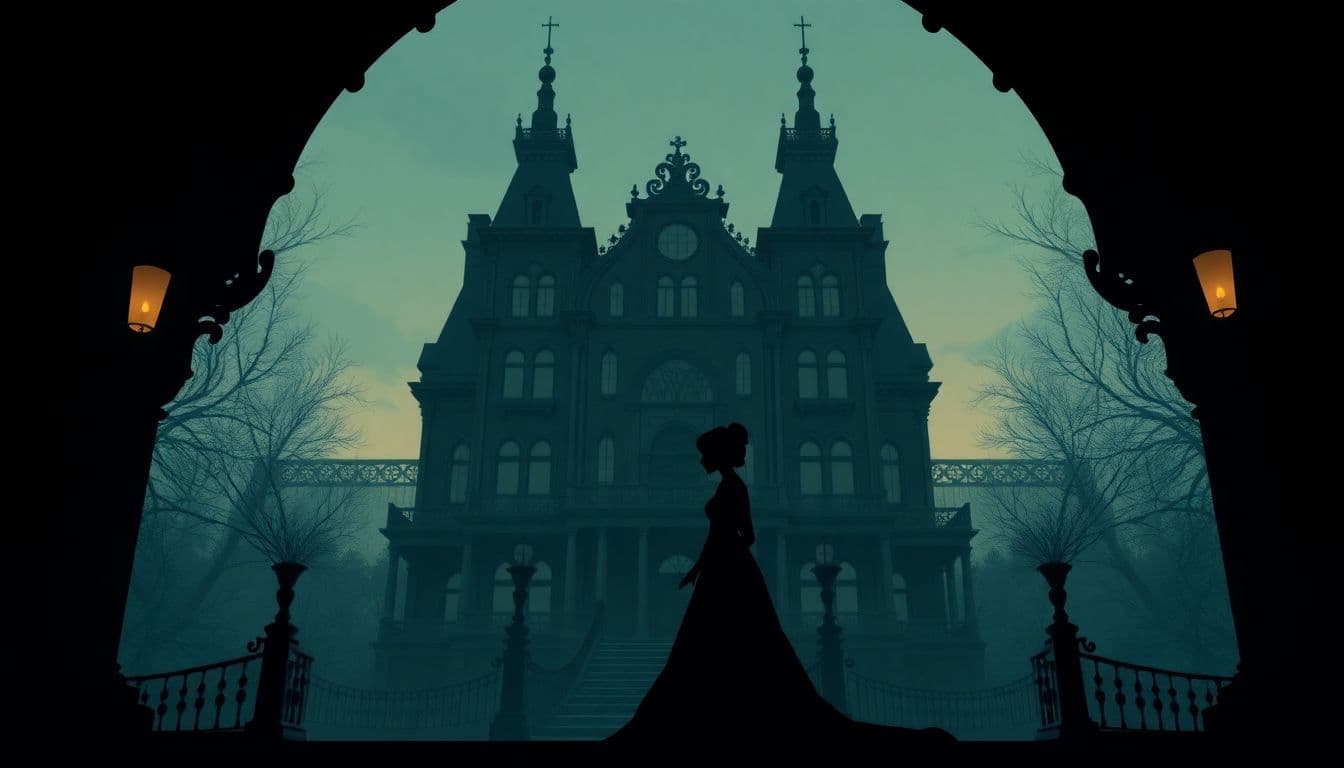
Gothic romance is a romance-forward genre that grew out of 18th–19th century gothic literature. What I notice right away when I read it is how the story uses mood like a force—fog, candlelight, decaying architecture, and that constant sense that something old is watching.
Typically, gothic romance includes romance plus suspense, and it often brings in supernatural elements: ghosts, curses, ominous family histories, or “the house itself” feeling like a threat. The love story usually isn’t just background decoration. It’s the emotional core, and the supernatural is often the pressure that makes the feelings explode (or the secrets surface).
Classic gothic romance often leans tragic or bittersweet. Forbidden love is a frequent ingredient, but it’s rarely “forbidden” in a light, playful way. It’s forbidden because the characters are afraid, because the past is messy, or because power dynamics make love dangerous.
Modern readers also see a lot of gothic romantasy—basically gothic romance with fantasy elements. In my experience, the genre still “reads” as gothic when the emotional stakes and haunted vibe stay central, even if magic shows up.
Understanding Dark Fantasy (Beyond “It’s Just Horror” )
Dark fantasy is fantasy that embraces darkness: grim stakes, morally complicated characters, and a world where magic can corrupt, kill, or demand a price. It can include horror elements, sure—but it’s not limited to jump scares or pure fear. The point is usually consequence.
When I think of dark fantasy, I think of characters who are trying to survive a world that doesn’t care. There are often dangerous magic systems, cursed lands, mythical creatures with teeth, and villains who aren’t just evil for fun—they’re shaped by ideology, trauma, or survival instincts.
Unlike lighter fantasy, dark fantasy tends to show the brutal side of power. Betrayal isn’t a twist for the sake of a twist. It’s a logical outcome of how the world works. Even “heroes” can make choices that haunt them later.
Popular examples include George R.R. Martin’s A Song of Ice and Fire and Neil Gaiman’s darker fairy-tale work. (And yes—these also overlap with other subgenres, because readers and publishers mix labels all the time.)
If you enjoy stories where “good” and “evil” aren’t clean categories, dark fantasy is usually your lane. The genre’s tension comes from moral gray areas and survival-level conflict, not just spooky atmosphere.
Key Differences Between Gothic Romance and Dark Fantasy
Here’s the simplest way I’ve found to tell them apart: gothic romance makes emotional transformation and relationship stakes the main plot engine. Dark fantasy makes external danger and moral consequence the main plot engine.
- Gothic romance: the threat often escalates the relationship and forces characters to confront grief, desire, shame, or trauma.
- Dark fantasy: the threat escalates the stakes for survival, power, and ideology—often with violence or corruption.
Still, they share DNA: both love atmosphere, secrets, supernatural motifs, and characters who feel trapped by forces bigger than themselves. The difference is what the narrative keeps returning to when the plot turns.
Quick comparison (what to look for while you’re reading):
- Tone: Gothic romance = moody, intimate, melancholy. Dark fantasy = tense, gritty, frequently brutal.
- Conflict type: Gothic romance = internal emotional conflict (fear, longing, forbidden desire) often triggered by external weirdness. Dark fantasy = external conflict (war, curses, monsters) with moral fallout.
- Supernatural role: Gothic romance = often tied to family secrets, romance pressure, or psychological dread. Dark fantasy = often tied to power, corruption, and world rules.
- Protagonist goals: Gothic romance = emotional truth, love, escape from a past, or choosing desire at a cost. Dark fantasy = survive, win a war, break a curse, seize power, or prevent catastrophe.
- Typical stakes: Gothic romance = heartbreak, reputation, spiritual/psychological ruin, sometimes death. Dark fantasy = literal life-and-death, societal collapse, permanent moral damage.
And if you’re a writer thinking “okay, but how do I make that happen on the page?”—keep reading. I’ll get concrete with scene beats and trope choices.
How Setting and Atmosphere Vary in Each Genre
Setting is everything in both genres, but it works differently.
Gothic romance settings tend to feel like they’re closing in. I’m talking old estates, monasteries, crumbling mansions, narrow staircases, and rooms that somehow remember. The environment often mirrors the romance: isolation amplifies longing, and decay makes every choice feel heavier.
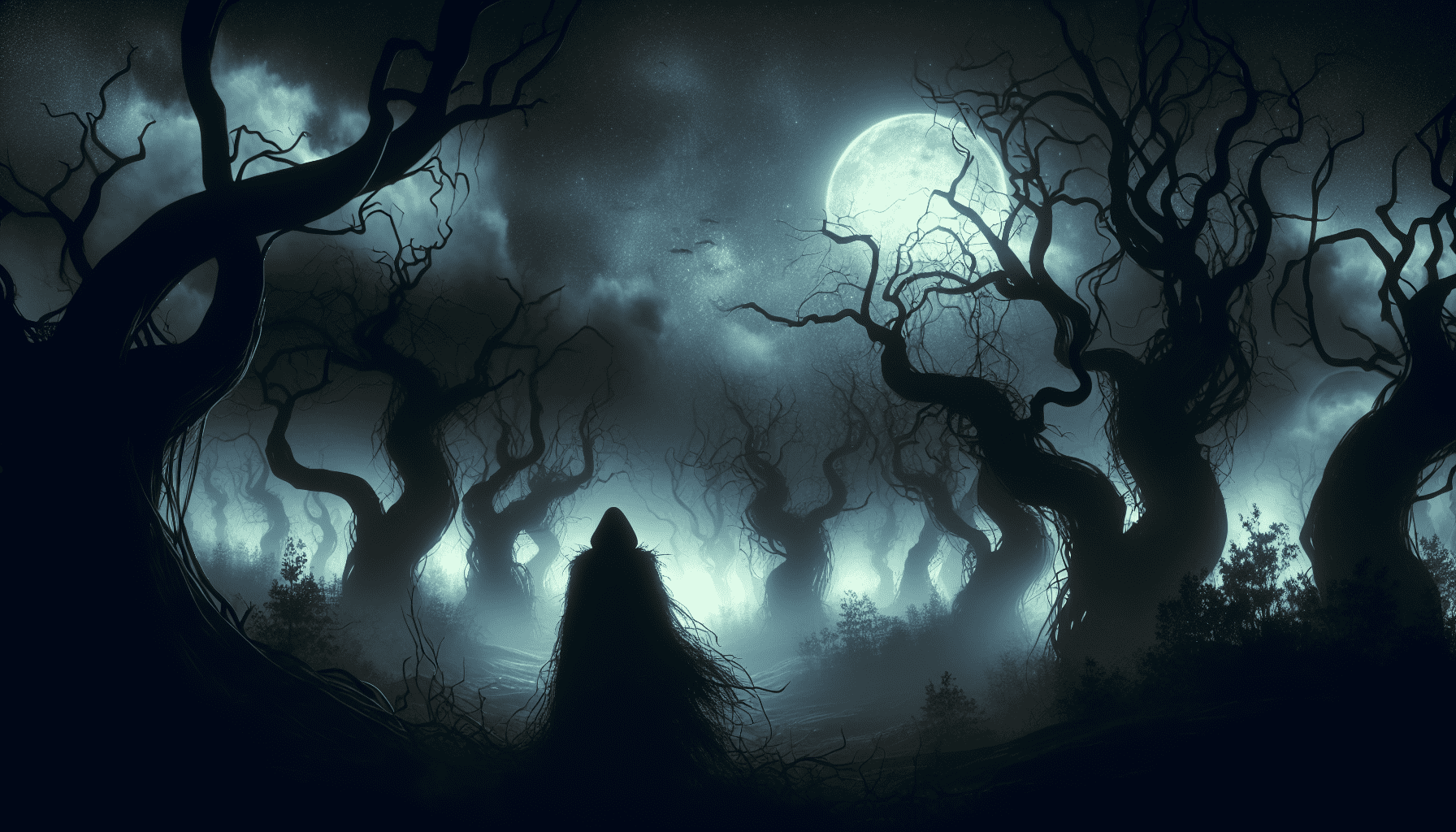
Dark fantasy settings tend to feel like a whole ecosystem of danger—cursed forests, ruined kingdoms, war-torn cities, and magical regions where the rules are unstable. The world isn’t just “pretty spooky.” It actively threatens characters and shapes what they can do.
Two example scene beats (so you can feel the difference):
- Gothic romance beat: a private confrontation in an old hallway where the protagonist hears something they can’t explain—then realizes it’s tied to a family secret that also affects the love interest. The supernatural reveals emotion, not just plot.
- Dark fantasy beat: a battlefield or ritual site where the protagonist has to choose between saving someone and stopping a curse that will kill thousands. The magic has a price, and the choice leaves visible scars.
One more thing: gothic romance often feels claustrophobic even when the house is huge. Dark fantasy often feels vast—like you can’t outrun the world’s rules.
Tone and Conflict in Gothic Romance Compared to Dark Fantasy
I’ll be honest: gothic romance can be intense without being action-heavy. The intensity comes from emotional vulnerability—characters trying not to feel too much, failing anyway, and paying for it.
Common gothic romance conflict beats include:
- forbidden love that threatens reputation, safety, or sanity
- ghostly phenomena that blur what’s real and what’s trauma
- moral dilemmas tied to devotion (who do you protect? who do you betray?)
- bittersweet endings where love changes the protagonist permanently, even if it doesn’t “win”
Dark fantasy tends to keep the emotional tension braided with danger. You’ll still get fear, guilt, and longing—but the story keeps forcing characters into high-stakes decisions with external consequences: betrayal, violence, corruption, and survival.
Dark fantasy conflict beats I’ve come to expect include:
- curses that require sacrifice or escalate with every use
- power struggles where alliances are temporary
- monsters that represent a moral or psychological threat
- heroism that comes with a cost (sometimes a very ugly one)
If you’re writing, here’s what I’d focus on for tone control:
- Gothic romance tone checklist: keep the focus on internal reaction (heartbeat, dread, yearning), then let the setting/supernatural amplify it.
- Dark fantasy tone checklist: keep the focus on external stakes (what happens if they fail?), and make the moral outcome matter.
Same spooky palette. Different purpose.
Focus on Characters in Both Genres
Characters are the real divider here. Both genres love complex people, but they use that complexity for different outcomes.
In gothic romance, characters are often shaped by internal pressure—past trauma, family secrets, fear of desire, and the emotional cost of choosing love anyway. The love interest isn’t just a romantic partner; they’re usually a mirror and a catalyst.
I’ve found that gothic romance works best when the protagonist’s feelings feel physically real: they can’t sleep, they misread kindness as threat, they want closeness but expect punishment.
In dark fantasy, characters are often morally gray because the world forces them to be. They might start with good intentions, but power, survival, and belief systems drag them into choices they can’t unmake.
What helps a dark fantasy character feel believable is that their flaws aren’t random. They’re functional. They affect how they fight, how they bargain, and how they justify hurting others.
Actionable character-motivation mini-checklist:
- Give each lead a specific want (not just “love” or “revenge”).
- Give each lead a specific fear that love/power will trigger.
- Make the supernatural/magic react to character psychology (gothic) or to character choices (dark fantasy).
- If you’re writing a hybrid, decide which one of those gets priority in each scene.
Common Genre Overlaps and Hybrid Stories
Now, let’s talk about the overlap—because it’s real, and it’s why readers get stuck. A lot of what people call “dark romance” or “gothic romantasy” is actually a blend: haunted settings plus fantasy danger plus romantic stakes.
Romantasy is one of the big overlap zones. It combines romance with fantasy worlds, and when those worlds are dark, you get a story that borrows gothic romance’s atmosphere while borrowing dark fantasy’s danger and moral weight.
Hybrid examples often include cursed love in haunted mansions, or forbidden romance set against apocalyptic magic. But here’s the key: in a true hybrid, the supernatural and the romance should interlock, not just coexist.
Mini-guideline I use: in every scene, ask yourself, “Is this moment primarily changing the relationship, or is it primarily changing the character’s survival/morality?”
- If it’s primarily changing the relationship emotional stakes, you’re leaning gothic romance.
- If it’s primarily changing survival/moral consequence, you’re leaning dark fantasy.
That single decision helps you keep the story from feeling like a mashup that doesn’t commit.
Myths and Misconceptions About Gothic Romance and Dark Fantasy
Let’s clear up a few things I hear constantly.
Myth #1: “Gothic romance is just old, cheesy stories.”
In reality, gothic romance can be lush, layered, and emotionally brutal. Modern versions often keep the haunted atmosphere but tighten pacing and deepen character psychology.
Myth #2: “Dark fantasy is just horror in disguise.”
Dark fantasy can be scary, but it usually isn’t just about fear. It’s about moral consequence and how power changes people—often with a fantasy world that has its own rules and politics.
Myth #3: “These genres are only niche.”
They’re not. If you look at the broader market, romantasy and darker romance-adjacent stories have been strong for a while. For a real-world data point, you can check Google Trends for “dark romance” and “romantasy” search interest spikes, or industry coverage of category growth. For example, Google Trends (explore tool) can show how search interest has moved over time.
Myth #4: “Gothic settings are outdated.”
Not really. Decaying castles and ancestral estates keep working because they’re instantly symbolic: isolation, inheritance, secrets, and pressure. Modern stories just update the character voice and make the emotional stakes sharper.
Breaking stereotypes isn’t just fun—it helps you write (or pick) stories that match what you actually want to feel.
Examples of Gothic Romance and Dark Fantasy Works
Here’s the part where named titles can actually help—if we talk about why they fit.
Classic gothic romance:
- *The Monk* (Matthew Gregory Lewis): It’s gothic through-and-through—decay, secrecy, and supernatural dread. What makes it romance-leaning in spirit (even when romance isn’t the only focus) is the way desire and moral pressure tangle together until the consequences feel inevitable.
- *Northanger Abbey* (Jane Austen): Austen plays with gothic expectations. The “gothic” energy comes from the protagonist’s imagination and the tension between romantic ideas and harsh reality. It’s a great example of how gothic atmosphere can sit on top of emotional stakes.
- *Rebecca* (Daphne du Maurier): This one is gothic romance gold for mood. The relationship is haunted—by memory, status, and a presence that never fully leaves. The supernatural is more psychological than literal, and that’s still very gothic.
- *The Thirteenth Tale* (Diane Setterfield): It leans hard into mystery and inherited secrets. The romance and emotional attachment build alongside revelations, so the eerie atmosphere keeps tightening the character bonds.
Dark fantasy:
- *A Song of Ice and Fire* (George R.R. Martin): This is dark fantasy because the world is politically brutal and magic is tied to existential stakes. The moral gray areas aren’t a vibe—they’re built into survival, power, and betrayal.
- *The Witcher* (Andrzej Sapkowski): Dark fantasy shows up in the way monsters and curses are woven into human choices. It’s not just “scary creatures.” It’s about contracts, consequences, and the cost of being a fixer in a broken world.
Romantasy / crossover example:
- *A Court of Thorns and Roses* (Sarah J. Maas): This is a good example of why the labels blur. You get romance momentum and emotional stakes, but you also get dark world-building, dangerous power systems, and moral consequences that push beyond cozy gothic territory.
When you compare these, you can see it: gothic romance tends to make the relationship and emotional unraveling the center of gravity, while dark fantasy makes the world’s danger and moral outcomes the center of gravity.
Summary of Main Differences and Similarities
Here’s my quick take:
- Gothic romance = haunted atmosphere + romance-first emotional stakes + suspense that often reveals family secrets, grief, or forbidden desire.
- Dark fantasy = dark magic + gritty stakes + moral consequence where the external danger shapes who the characters become.
- Both = complex characters, atmospheric settings, and supernatural elements (literal or psychological) that intensify tension.
They overlap enough that hybrid stories can be incredible—love amid chaos, or moral compromise under pressure. But if you want to read something and feel “this matches my mood,” pay attention to what the story keeps prioritizing: the relationship’s emotional unraveling or the world’s brutal consequences.
And if you’re writing? That same question will save you a ton of revision later.
FAQs
Gothic Romance is defined by a romance-centered plot wrapped in mysterious, eerie atmosphere—often featuring decaying or haunted locations (like castles or old estates) and supernatural pressure (ghosts, curses, family secrets). What makes it “gothic” is how strongly mood and emotional intensity drive the relationship.
Dark fantasy focuses on fantasy worlds with darker themes—morally gray characters, dangerous magic, and external stakes like violence, war, corruption, or survival. Gothic romance is more relationship-driven: the mood and supernatural elements usually serve the emotional arc of love, fear, and revelation.
Both genres often explore secrets, the supernatural (literal or psychological), mortality, and the struggle between light and dark. The difference is emphasis: gothic romance leans into emotional conflict and longing, while dark fantasy leans into power, danger, and moral consequence.
Yes. Hybrid stories are common, especially in romantasy spaces. A blend usually works best when the love story’s emotional stakes and the world’s dangerous rules both matter—so the supernatural isn’t just decoration, and the romance isn’t just a subplot.