Table of Contents
Trying to stay on top of nutrition, workouts, and sleep all at once can feel… impossible. That’s why I was interested in Healthmax AI. The pitch is simple: use AI to make tracking easier (especially with meal photo recognition), then turn that data into coaching you can actually follow.
In my experience, the “best” health apps aren’t the ones with the most features—they’re the ones you’ll keep using after the novelty wears off. So I looked closely at how Healthmax AI handles the day-to-day stuff: logging meals, building workout habits, and getting sleep insights that don’t feel generic.

Healthmax AI Review: Does It Actually Help You Stick With Health Goals?
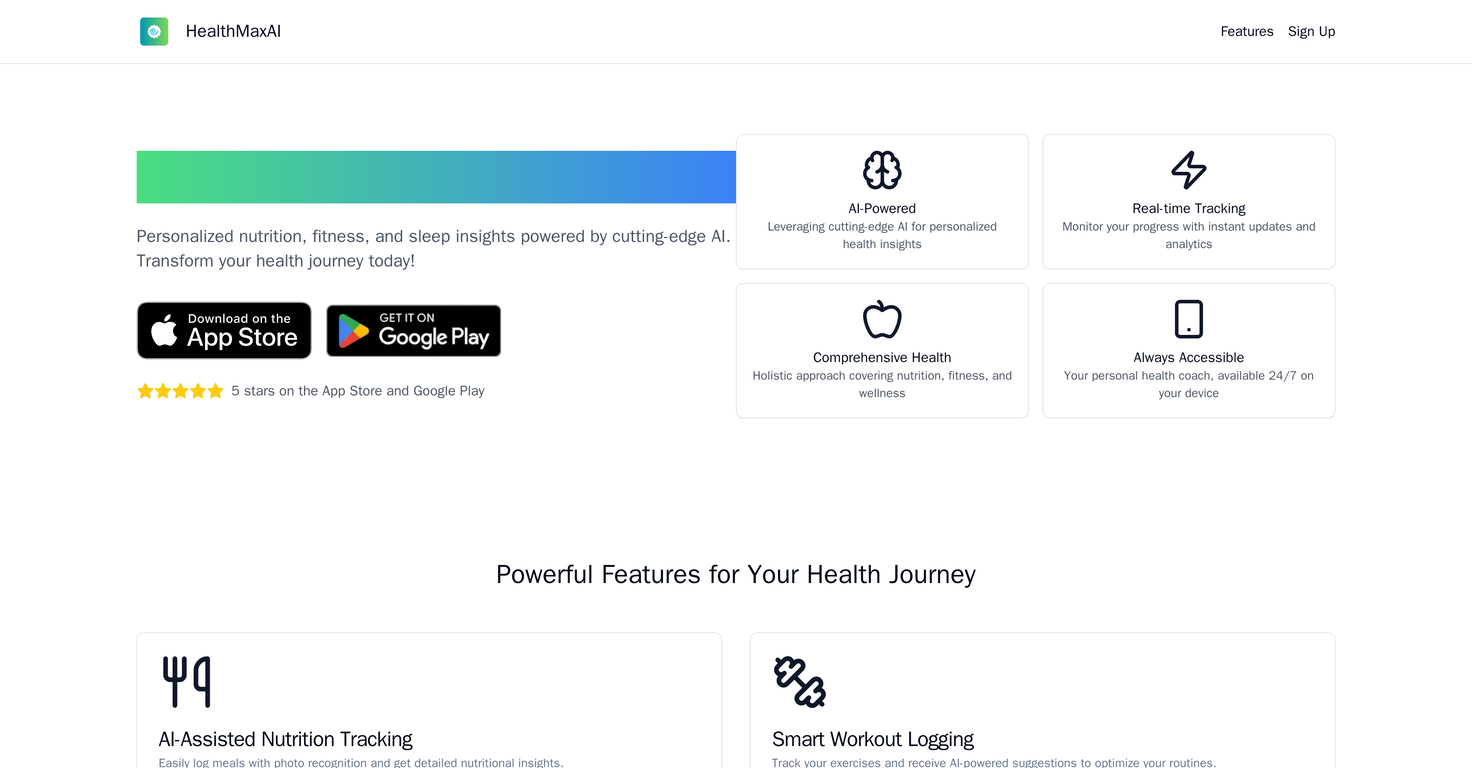
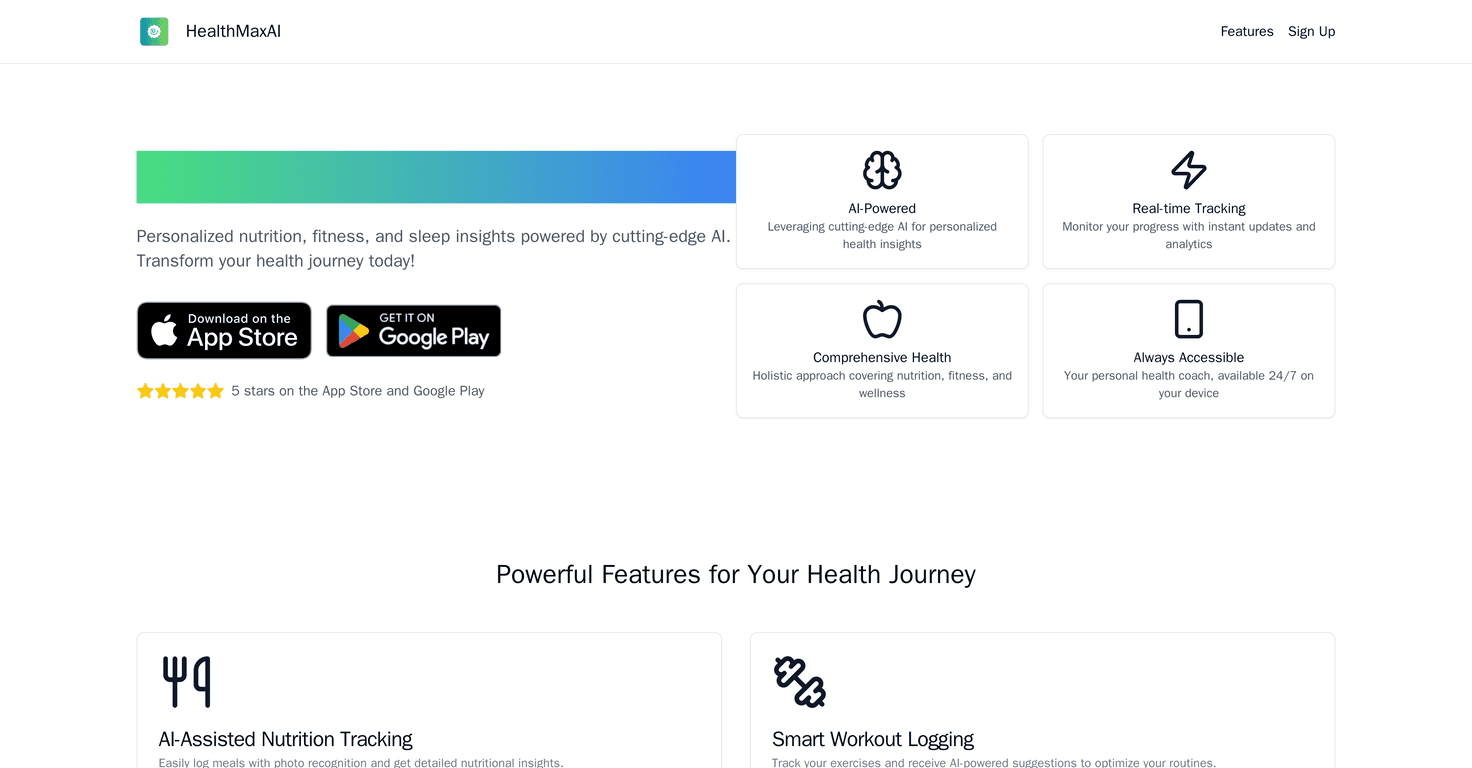
Healthmax AI is positioned as a personal wellness companion that combines nutrition tracking, workout logging, and sleep monitoring into one place. The big “AI” part is supposed to reduce friction—especially with meal tracking—so you spend less time entering data and more time following your plan.
Here’s what stood out to me:
- Meal tracking via photo recognition (so you can log meals faster than typing everything out)
- Workout suggestions that aim to keep you moving in the right direction
- Sleep monitoring with tips that are meant to be personalized
- A single dashboard where your activity, nutrition, and sleep can be reviewed together
And yes, there’s also a “24/7 personal health coach” concept. That matters—because if the app only gives advice once in a while, it’s easy to ignore. But if it’s truly there when you need it, it can help you course-correct fast.
Key Features That Matter (Not Just the Marketing)
- AI-powered nutrition tracking
Meal photo recognition is the feature I care about most, because it’s usually the part that breaks for most people. If the app can correctly identify common meals and give a reasonable calorie/macros estimate, you’re more likely to log consistently.
What I noticed: photo-based logging is great for speed, but it still helps to double-check entries when something looks off—like when two similar meals get mixed up. If you’re using it for weight loss or performance targets, those small errors can add up. So I’d treat it as “quick logging with occasional corrections,” not perfect nutrition truth.
- Smart workout logging
Healthmax AI’s workout side is designed to make your training log feel less like busywork. Instead of only recording what you did, it also tries to suggest what to focus on next.
In my experience, the best workout suggestions are the ones that respond to patterns—like if you’ve been skipping certain muscle groups or if your sessions are all over the place. The app’s value here depends on how well it understands your routine and whether the suggestions are realistic for your schedule.
- Intelligent sleep monitoring
Sleep tracking is where a lot of apps either shine or flop. I like when sleep insights are tied to actions you can actually take—like adjusting bedtime, improving consistency, or looking at how late-night workouts affect recovery.
What I’d watch for: make sure the sleep tips aren’t just generic “get more sleep” reminders. Ideally, you should see trends over days or weeks, not just one-off comments.
- Real-time tracking
Real-time matters more than people think. If you’re logging meals during the day or checking progress right after a workout, you’re more likely to stay on track. A dashboard that updates quickly helps you notice what’s happening before the day is over.
- Comprehensive health dashboard
The dashboard is the glue. Having nutrition, fitness, and sleep in one view is useful because your body doesn’t experience them separately. If you’re eating heavier than usual, your sleep might change. If you’re training hard, your recovery might shift. I like apps that help you connect those dots.
- Always accessible personal health coach
A “coach” sounds great, but the question is: is it actually helpful in practice? I’m looking for coaching that’s specific—like adjusting goals based on what you logged, offering small next steps, and nudging you when you’re off track.
If the guidance is vague, you’ll stop using it. If it’s actionable, it can become part of your routine.
Pros and Cons (What I Like and What Could Be Better)
Pros
- Strong user satisfaction based on high ratings (the app’s reception seems solid, which is a good sign for retention)
- One app for multiple wellness areas—nutrition, fitness, and sleep all in the same ecosystem
- Personalized insights powered by AI, especially when it’s learning from your logs
- Mobile-first convenience so you can check progress on the go instead of waiting until you’re at a computer
Cons
- Suggestion quality can vary depending on how consistently you log and how accurate the entries are (garbage in, garbage out—same rule as any tracking app)
- Mobile dependence means if you don’t like using your phone for health tracking, this won’t magically fix that
- No clear pricing details in the info provided—so you’ll want to confirm before committing
Pricing Plans: What You Need to Check Before You Sign Up
Pricing details aren’t clearly listed in the content I reviewed. The good news is that users can sign up for early access to exclusive features, but you’ll still want to verify the cost directly in the app store or on the official site.
Quick tip: before you pay, check whether there’s a free trial, how long it lasts, and whether you can cancel easily. With health apps, I always prefer testing first—because the “AI coaching” only feels worth it if it matches your actual routine.
Wrap up
Healthmax AI feels like it’s built for people who want a simpler way to track health without living in spreadsheets. The photo-based meal logging, the all-in-one dashboard, and the idea of an always-available coach are the parts that could genuinely help you stay consistent—assuming the app’s suggestions are accurate and not just generic advice.
If you’re the type who logs meals anyway, this might be a smoother experience. If you hate tracking, you’ll need to see whether the AI reduces enough friction to keep you coming back.