Table of Contents
We’ve all been there—finishing a gripping book or show only to be left with that gnawing feeling, wondering what on earth just happened. Cliffhangers can be frustrating yet thrilling, and knowing how to write one can elevate your storytelling game. If you’re struggling with creating suspense that keeps readers on the edge of their seats, you’re not alone.
But don’t worry! Stick with me, and I’ll guide you through the steps to master the art of cliffhangers. By the end, you’ll be able to craft those nail-biting moments that make your audience gasp and beg for more.
We’ll cover everything from understanding what makes a cliffhanger tick to how to place them just right in your story. Get ready to dive in, and soon enough, you’ll have readers hanging on every word!
Key Takeaways
Stefan’s Audio Takeaway
- A cliffhanger leaves the audience in suspense, encouraging them to keep reading.
- Build tension by escalating stakes and structuring the cliffhanger into setup and pivotal moments.
- Use foreshadowing to hint at future surprises, making the cliffhanger feel both shocking and inevitable.
- Know the types of cliffhangers: sudden danger, revelation, and emotional conflict to enhance impact.
- Ensure timing is perfect; leave your audience on the edge before a critical decision.
- Transition smoothly to maintain tension without abrupt shifts.
- Place cliffhangers strategically, ideally at the end of chapters or episodes for maximum effect.
- Resolve cliffhangers meaningfully to provide emotional payoff and connection to the story’s themes.
- Balance suspense with resolution to keep readers engaged while still satisfying their curiosity.

Step 1: Understand What a Cliffhanger Is
A cliffhanger is a storytelling device that leaves the audience in suspense, eager to know what happens next. This technique is designed to hook readers or viewers and compel them to keep coming back for more. Think of those nail-biting moments in your favorite movies or books where the main character seems to be in deep trouble, but you have to wait until the next chapter or episode to see how they escape. For example, in Charles Dickens’ *The Old Curiosity Shop*, the suspense generated kept readers on the edge of their seats, waiting for the next issue to arrive. It’s essential to recognize that a well-crafted cliffhanger can really enhance your narrative and keep your audience engaged.
Step 2: Structure Your Cliffhanger Effectively
The structure of your cliffhanger is crucial for maximizing its impact. Start by building tension gradually, aligning it with the story’s pacing to seamlessly lead up to the cliffhanger moment. One effective tactic is to escalate stakes for your characters, pushing them into a situation that feels risky or uncertain. Consider breaking the cliffhanger into two parts: the setup and the pivotal moment. For instance, if you’re writing a thriller, you might bring your protagonist to a seemingly safe location only to reveal a threat hiding in the shadows. This keeps readers guessing and wanting to know what will unfold next, ensuring they’re hooked for your next section.
Step 3: Set Up Your Cliffhanger
Setting up your cliffhanger is like laying the groundwork for a suspenseful rollercoaster ride. Start by planting small hints and narrative threads throughout your story, so when the big moment arrives, it feels both surprising and inevitable. Use foreshadowing to create anticipation without giving too much away. For example, a seemingly casual comment from a side character could take on new meaning when the cliffhanger hits. By the time you reach the climax, your audience should feel invested in the characters and desperate to find out what happens to them next. Remember, the best cliffhangers are those that not only shock but also resonate with the audience, making them ponder the outcome long after they’ve finished reading.
Step 4: Identify Different Types of Cliffhangers
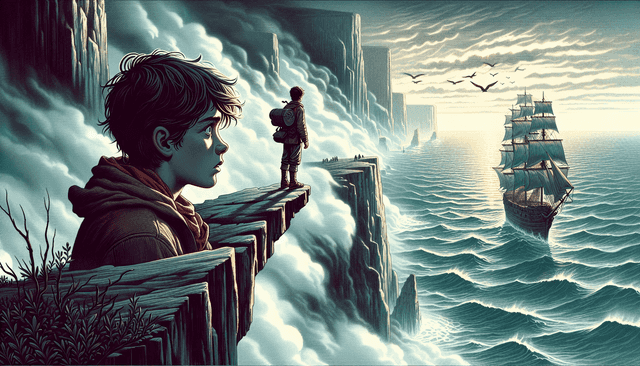
Cliffhangers come in various forms, each serving a unique purpose within a story. You have your classic “sudden danger” cliffhanger, where a character is blindsided by a threat, leaving the audience gasping. Then there’s the “revelation” type, where a shocking secret is unveiled, altering the course of the story. Another common variety is the “emotional cliffhanger,” where character relationships are put to the test, leaving the audience wondering about the future of those connections. Understanding these types can help you decide which will have the most impact in your narrative. Keep in mind that well-executed cliffhangers should leave viewers not just curious but emotionally invested in the resolution.
Step 5: Craft the Perfect Cliffhanger Moment
To craft a cliffhanger moment that your audience won’t forget, timing is everything. Build towards it by creating a scene filled with suspense and tension that leads naturally into the cliffhanger. For instance, when your protagonist faces a critical choice, you can cut the scene just before they make that decision. This technique leaves viewers on edge, fully engaged and eager to know what happens next. It’s also important to ensure that the stakes are high, making the moment feel significant. This way, when readers finally get to the resolution, it feels rewarding, ensuring they’ll remember your story long after the last page.
Step 6: Transition Smoothly to the Next Scene
A seamless transition from one scene to another can enhance the effectiveness of your cliffhanger. After a cliffhanger moment, avoid jarring shifts that could break the tension you’ve built up. Instead, create a natural progression into the next scene. Consider using a quick reflection or an immediate consequence of the cliffhanger, keeping the momentum going. For example, if your cliffhanger involves a character in a life-threatening situation, the follow-up scene could show a frantic rescue attempt. This keeps your audience invested, as they’ll want to see how the situation unfolds.
Step 7: Place Your Cliffhangers Strategically
Strategic placement of cliffhangers is critical for maintaining audience interest across your narrative. While it can be tempting to scatter cliffhangers throughout your work, aim for a few well-placed moments that pack the most punch. You could place a cliffhanger at the end of a chapter or episode, encouraging a natural pause for your audience to think about what just happened. Research shows that cliffhangers keep audiences engaged, with a study revealing participants had a similar enjoyment level for cliffhanger endings compared to resolved ones. This demonstrates that carefully considering the timing of your cliffhangers can enhance your storytelling significantly.
Step 8: Resolve Your Cliffhangers Effectively
Resolving a cliffhanger needs to be just as impactful as the buildup. When you finally address a cliffhanger, ensure that the resolution is satisfying and ties back to the themes and threads of your story. Don’t resolve it too quickly; let the tension simmer for a bit while you’re still keeping readers on their toes. For instance, if a character is in danger, reveal their fate in a way that adds depth to their journey, rather than simply providing a quick escape. This allows the audience to experience emotional pay-off and keeps them wanting more from your narrative.
Step 9: Maintain a Balance Between Suspense and Resolution
Striking a balance between suspense and resolution is a skill that can significantly enhance your storytelling. You don’t want to leave your audience in a constant state of uncertainty, as this can lead to frustration. Instead, after a suspenseful moment, consider offering some resolution before diving into the next cliffhanger. A study suggests that people enjoy cliffhangers but still appreciate some degree of closure. By providing answers to certain questions while leaving others open, you can encourage readers to stick around for the next installment, eager to see how the story continues to unfold. A well-balanced narrative leaves the audience satisfied yet still curious.
FAQs
A cliffhanger is a narrative device that leaves a story at a suspenseful or dramatic point, compelling the audience to keep reading or watching. It’s vital for maintaining interest and engagement throughout the story.
To structure a cliffhanger effectively, build tension leading to the crucial moment, create emotional stakes, and leave a key question unanswered. This ensures the audience is eager to discover what happens next.
Different types of cliffhangers include emotional cliffhangers, situational cliffhangers, and character-driven cliffhangers. Each type serves to heighten suspense and lead to various resolutions in storytelling.
To resolve a cliffhanger effectively, ensure the solution feels satisfying and logical. This can involve addressing the unanswered questions or tying up character arcs, while still allowing space for further developments.