Table of Contents
Ever tried to make someone laugh and got nothing but crickets? Writing comedy can feel like trying to catch smoke—elusive and frustrating.
But don’t worry, we’ve all been there. Stick around, and we’ll break down the essentials to help you craft comedy that actually gets laughs.
From picking the right topic to nailing the punchline, let’s dive into making your writing as funny as you are.
Key Takeaways
- Choose funny, relatable topics from everyday life to connect with your audience.
- Structure your comedy with a strong setup, build anticipation, and deliver a surprising punchline.
- Use techniques like exaggeration, irony, wordplay, and timing to enhance humor.
- Incorporate props, visual gags, and body language for added comedic effect.
- Craft jokes from personal observations, adding your unique twist or exaggeration.
- Focus on pacing; keep your material concise and deliver it at the right speed.
- Be mindful of taboos; understand your audience to avoid offending them.
- Refine your material by rehearsing and seeking feedback to improve.
- Practice consistently and experiment with new styles to develop your comedic skills.

1. Start by Choosing a Funny Topic
Finding the right topic is the first step in writing comedy. Look around you—everyday life is full of hilarious moments waiting to be shared. Think about situations that make you laugh, like the irony that unless food is mixed with saliva, you can’t taste it. That’s right, all those gourmet meals rely on spit to be enjoyable! Personal experiences often resonate the most because they’re genuine and relatable. If you’re feeling stuck, exploring some funny writing prompts might spark your creativity. Remember, the best comedy often comes from a place of truth.
2. Structure Your Comedy Effectively
Once you’ve picked your topic, structuring your material is key to landing those laughs. Start with a strong setup to introduce your premise. Build anticipation by adding humorous details, then deliver a punchline that surprises your audience. The rule of three is a classic technique: list two normal things followed by something unexpected. For example, “I love weekends—sleeping in, binge-watching shows, and pretending calories don’t count.” This structure keeps your audience engaged and makes your comedy more impactful.
3. Use Key Comedy Techniques
Enhance your comedy by incorporating techniques like exaggeration, irony, and wordplay. Exaggeration can turn a small inconvenience into a hilarious ordeal. Irony highlights the absurdity in situations, making them funnier. Clever wordplay and puns add a witty twist to your jokes. Don’t forget about timing—a well-placed pause can make a joke land perfectly. If you’re interested in developing your skills further, learning about how to write a play can provide insights into crafting dialogue and pacing. Keep experimenting with different techniques to find your unique comedic voice.
4. Incorporate Comedic Elements and Tools
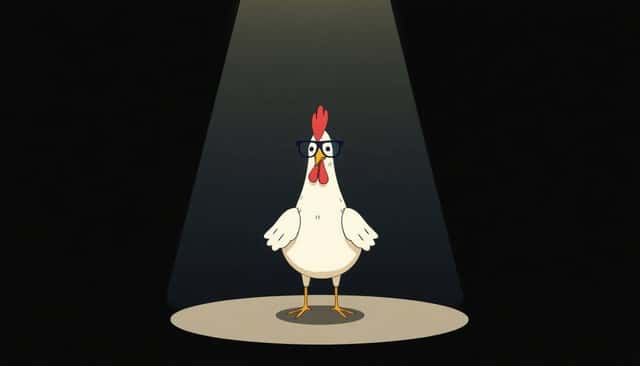
Spice up your comedy by adding different elements and tools to your act. Props can be a great way to enhance a joke—think of the classic rubber chicken or an unexpected item pulled from your pocket. Visual humor can sometimes say more than words.
Don’t underestimate the power of surprising facts to tickle the audience’s funny bone. Mentioning that all your blinking in one day equals having your eyes closed for 30 minutes can catch people off guard. It’s these quirky bits of information that make your material memorable.
Utilizing tools like timing, facial expressions, and body language can also elevate your comedy. A well-timed pause or an exaggerated gesture can turn a simple line into a hilarious moment. Exploring different formats, like writing a play, can offer new perspectives on comedic storytelling.
5. Craft Jokes and Comedy Bits
At the heart of comedy are the jokes and bits that make people laugh. Start by jotting down funny thoughts, observations, or situations you’ve encountered. Maybe you’ve noticed that August has the highest percentage of births—must be all those cozy winter nights nine months prior!
Turn these observations into jokes by adding your own twist or exaggeration. For example, “I heard August has the most birthdays. Looks like everyone’s parents were really into Netflix and chill during the holidays.”
Consider exploring different joke structures, like the setup and punchline, or using callbacks where you refer back to an earlier joke. If you’re interested in blending genres, you might try incorporating elements from other styles. Experimenting with writing a dystopian story with a comedic spin, for instance, can create a unique and engaging piece.
6. Focus on Pacing and Compression
Pacing is everything in comedy. Knowing how to deliver your material at the right speed can make or break a joke. Too fast, and the audience might miss the punchline; too slow, and they could lose interest.
Compression means making your jokes as tight as possible. Cut out any unnecessary words or details that don’t add to the humor. For example, instead of saying, “It’s interesting that the Earth experiences over a million earthquakes per year,” you could simplify it to, “With over a million earthquakes a year, no wonder my life feels so shaky!”
Practice editing your material to keep it concise. The goal is to convey the maximum amount of humor with the fewest words. This makes your jokes punchier and more effective.
7. Be Mindful of Taboos and Audience Sensitivity
Comedy can be a tightrope walk when it comes to sensitive topics. It’s important to be aware of taboos and the boundaries of your audience. Jokes that might be hilarious to one group could be offensive to another.
Before including a risky joke, consider whether it’s worth potentially alienating part of your audience. There’s plenty of humor to be found in everyday situations without crossing lines. Poking fun at universal experiences—like trying to fall asleep but ending up overthinking for hours—can be both funny and relatable without being offensive.
Always aim to make people laugh, not feel uncomfortable. Keeping your comedy inclusive ensures that more people can enjoy your work. Understanding your intended audience is key to striking the right balance.
8. Refine and Perform Your Comedy Material
Once you’ve written your material, it’s time to refine it. Read your jokes out loud to hear how they sound. Sometimes what’s funny on paper doesn’t translate when spoken. Pay attention to the rhythm and flow of your words.
Performing your material in front of a trusted friend or small group can provide valuable feedback. They might point out parts that are confusing or suggest improvements. Remember, even seasoned comedians go through multiple drafts before their final performance.
If you’re preparing for a live show, consider recording yourself to watch your delivery. Notice your body language and facial expressions—they’re all part of the act. For more tips on refining your work, you might find it helpful to learn how to become a beta reader. Seeing how others craft their stories can offer insights into improving your own comedy.
9. Practice and Experiment to Improve Your Skills
Like any craft, comedy improves with practice. Keep writing new material and testing it out. Experiment with different styles and techniques to see what resonates with you and your audience.
Don’t be afraid of failure—every comedian has jokes that don’t land. What’s important is learning from each experience. Stay persistent and keep refining your skills.
If you’re looking for new ideas to spark your creativity, exploring different writing prompts can be a fun way to challenge yourself and find fresh material. Trying out some winter writing prompts, for example, might inspire a chilly joke or two.
FAQs
Find humor in everyday experiences and personal stories. Observe common situations and exaggerate their absurdities. Topics that audiences can relate to often resonate the most and generate laughs.
Utilize techniques like timing, misdirection, and exaggeration. Incorporate setups and punchlines, call-backs, and rule of three. These methods help build comedic tension and deliver effective jokes.
Pacing controls the rhythm of your performance, keeping the audience engaged. Compression involves trimming unnecessary words to make jokes sharper. Both are crucial for maximizing comedic impact.
Be aware of your audience’s values and cultural sensitivities. Approach sensitive topics with caution, using wit rather than shock. It’s important to entertain without offending or alienating your audience.