Table of Contents
Dark fantasy can seem a bit daunting, right? With its mix of horror, magic, and the underlying gloom, it often feels like you need a degree in darkness just to get started. But don’t worry, you’re not alone in feeling that way!
Stick with me, and I promise you’ll discover some essential tips that will make crafting your dark fantasy tale a whole lot simpler—and maybe even enjoyable. It’s all about building the right atmosphere and characters, while also weaving in those spine-chilling elements that keep readers glued to the page.
In this guide, you’ll learn how to create a haunting setting, develop complex characters, and master the art of intricate plots and symbolism. So, if you’re ready to dive into the shadowy depths of dark fantasy, let’s get started!
Key Takeaways
Stefan’s Audio Takeaway
- Create a strong, immersive setting that evokes dread and wonder.
- Develop morally complex characters with relatable flaws and motivations.
- Incorporate horror elements to heighten tension and emotional stakes.
- Structure your plot with clear conflicts and engaging twists.
- Use themes like redemption and corruption, and include rich symbolism.
- Adopt atmospheric language and tone to captivate readers.
- Avoid clichés and keep your plot straightforward for clarity.
- Invest time in rewriting and seek feedback to refine your story.
1. Write a Dark Fantasy Story with a Strong Setting
Creating a captivating setting is crucial in dark fantasy writing, as it immerses readers in the eerie and mystical world you’ve built.
Start by brainstorming the unique elements of your world, focusing on its geography, culture, and history.
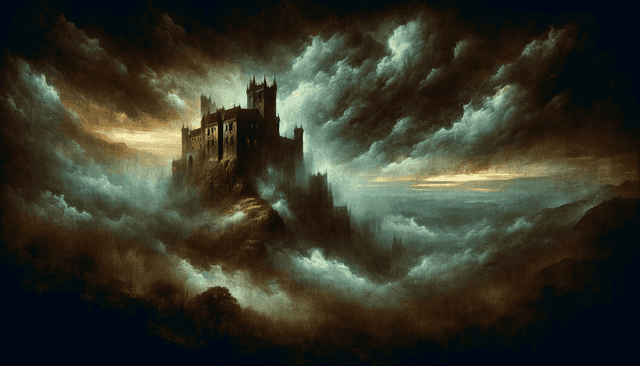
Think about settings that evoke a sense of dread or wonder, like ancient forests, crumbling castles, or desolate landscapes.
Embedding details in your descriptions can truly make your setting come alive; for instance, describing how the moonlight filters through twisted branches can instill both beauty and fear.
Remember, less is often more. “Rome wasn’t built in a day, so your setting shouldn’t be either.” Only include what’s essential to enhance clarity.
Incorporate sensory elements—sights, sounds, and smells—to draw your readers in and create an immersive experience.
Don’t hesitate to use specific architectural styles, like Gothic designs, to deepen the uncanny feel of your world.
2. Create Complex Characters in Your Dark Fantasy
Complex characters can be the heart of your story, making readers care about their journeys and struggles.
It’s essential to develop morally ambiguous characters; they shouldn’t fit neatly into boxes of good and evil.
Consider their personal conflicts and motivations. Are they driven by power, revenge, or perhaps a longing for redemption?
Make sure your characters are flawed—after all, nobody’s perfect, right? Just ensure they’re not so unlikable that readers aren’t invested in their story.
Think about famous dark fantasy characters, like Tyrion Lannister from “Game of Thrones,” who is both witty and deeply flawed.
Layer their relationships and how they influence each other. The interactions can add depth and complications, enriching the plot.
Ultimately, showcase their growth. Characters should evolve through challenges, making their arcs engaging to follow.
3. Add Horror Elements to Enhance Your Story
Integrating horror elements into your dark fantasy is key to amplifying the tension and emotional stakes.
Start with the atmosphere; use dark and foreboding settings that make readers anticipate what lurks within the shadows.
Don’t shy away from imagery that evokes fear. Incorporating disturbing sights or sounds can create a visceral response.
Consider exploring common themes in horror, such as isolation or the unknown, and how they might influence your characters’ emotional states.
Use nightmares and psychological terror. The human mind can be more frightening than any monster, so delve into your characters’ fears.
Engage with the reader’s imagination. Leave a bit to the unknown, allowing them to fill in the blanks with their own horror ideas.
For some solid pointers, check out sources like horror story ideas that can fuel your creativity.
4. Develop an Intricate Plot and Conflict
A compelling dark fantasy story hinges on a well-structured plot that keeps readers engaged.
Start by identifying the central conflict—this can be a struggle against dark forces or a battle within a character’s own psyche.
Make sure to layer your plot with both internal and external conflicts. Internal conflicts can reveal deeper character struggles, while external conflicts often drive action.
Your plot should also have high stakes. The consequences of failure need to feel significant to create tension.
Use plot twists to keep readers guessing; dark fantasy thrives on unexpected turns that deepen the mystery.
For inspiration, explore existing dark fantasy series to see how they construct intricate narratives.
Finally, don’t forget about pacing. Balance slower, more introspective moments with thrilling action scenes to maintain the reader’s interest.
5. Use Themes and Symbolism in Your Dark Fantasy
Themes and symbolism add depth to your dark fantasy narrative, inviting readers to reflect on broader issues.
Common themes include the nature of evil, corruption, and the search for redemption. These resonate well within the genre.
Consider how your characters embody or challenge these themes through their actions and decisions.
Symbolism can further enrich your story; for instance, a storm could symbolize turmoil in a character’s life.
Additionally, layering your narrative with various interpretations can engage readers on multiple levels.
You might also want to research existing works to see how successful authors weave themes and symbols into their stories.
Don’t shy away from uncomfortable topics; exploring the darker aspects of the human experience can elevate the emotional impact of your story.
6. Maintain an Atmospheric Language and Tone
Atmospheric language plays a crucial role in dark fantasy writing, drawing readers into your eerie world.
Use vivid, descriptive language to evoke a sense of foreboding. Instead of saying “the castle was dark,” describe the shadows that cling to the stone walls, making it seem alive.
Pay attention to your tone as well. A somber, reflective tone can prepare the reader for the twists and turns of the story.
Consider employing sensory details that appeal to sight, sound, and smell to build an immersive environment.
Don’t forget to play with pacing. Slow down during poignant moments to let tension build, and speed up during action scenes for urgency.
Your word choices matter. Opt for words that conjure emotions relevant to the themes you’re exploring, amplifying the story’s impact.
7. Avoid Common Pitfalls in Dark Fantasy Writing
Dark fantasy writing can be rich and entertaining, but it also has its traps. One common mistake is relying too heavily on clichés.
Avoid predictable tropes like the “chosen one” or “dark lord”—they can drain originality.
Keep your plot straightforward. Overcomplicating the story can leave readers confused about what is happening.
Also, ensure that your characters don’t become one-dimensional. Even in a dark setting, they should have depth and growth.
Another pitfall is neglecting world-building. A robust setting adds credibility and context to your narrative.
Lastly, be wary of how you portray sensitive topics. Approach themes like mental health with care to avoid promoting stereotypes.
8. Craft Your Dark Fantasy Story Carefully
Crafting a dark fantasy story requires attention to detail and a commitment to your vision.
Start with an outline to plot out your story’s arc. This helps keep your narrative focused.
Invest time in character development. Remember, your characters’ struggles should resonate, so give them relatable dilemmas.
Spend ample time on your setting. An evocative world can enhance the overall atmosphere of the narrative.
Don’t hesitate to rewrite. Editing is as important as drafting; it allows you to refine your work for clarity and impact.
Finally, seek feedback from trusted readers or writing groups to gain new perspectives on your story.
For more tips on writing, check out resources that delve into the nuances of storytelling, which can be a great help.
FAQs
A strong dark fantasy setting combines atmospheric elements like eerie landscapes, supernatural occurrences, and a sense of foreboding. Depth is created through rich history, cultural elements, and immersive details that enhance the overall mood.
To create complex characters, give them distinct flaws, desires, and moral dilemmas. Show internal conflicts that resonate with their tragic backgrounds, and allow them growth in response to the dark and challenging environments they inhabit.
Incorporate elements like dread, the unknown, and psychological tension to create horror. Use dark creatures, unsettling atmospheres, and shocking revelations to evoke fear, while integrating them thoughtfully into the plot to enhance the story.
Explore themes like sacrifice, the nature of evil, and the struggle between light and darkness. Use symbolism to enrich these themes, providing deeper meanings and insights into the human condition through your dark fantasy narrative.