Table of Contents
Writing fight scenes in novels can be a real challenge. You might feel overwhelmed trying to balance action with character emotion, or you may worry about making the scene believable. It’s easy to get lost in writing flashy moves and forget that the fight should serve a purpose in your story.
But don’t worry! If you stick with me, I promise that by the end of this guide, you’ll have a solid understanding of how to craft engaging and realistic fight scenes that enhance your narrative. You’ll learn techniques that will keep readers on the edge of their seats and fully invested in your characters.
We’ll start with understanding why fight scenes matter, and then move through the nitty-gritty of character motivations, setting, and pacing. By the time we’re finished, you’ll feel confident and ready to unleash your next epic battle scene!
Key Takeaways
- Fight scenes should enhance your story by revealing character, advancing the plot, or building suspense.
- Create relatable characters with clear motivations to engage readers during the fight.
- The setting can impact the action; choose locations that add to the tension and stakes.
- Select fight styles that reflect characters’ backgrounds and the nature of the conflict.
- Use vivid descriptions to immerse readers in the action and convey emotions.
- Control pacing through sentence lengths to reflect urgency or build suspense.
- Infuse emotions and stakes into the fight to elevate it beyond mere action.
- Edit and revise for clarity, ensuring the fight flows well with the narrative.
Step 1: Understand the Purpose of Fight Scenes
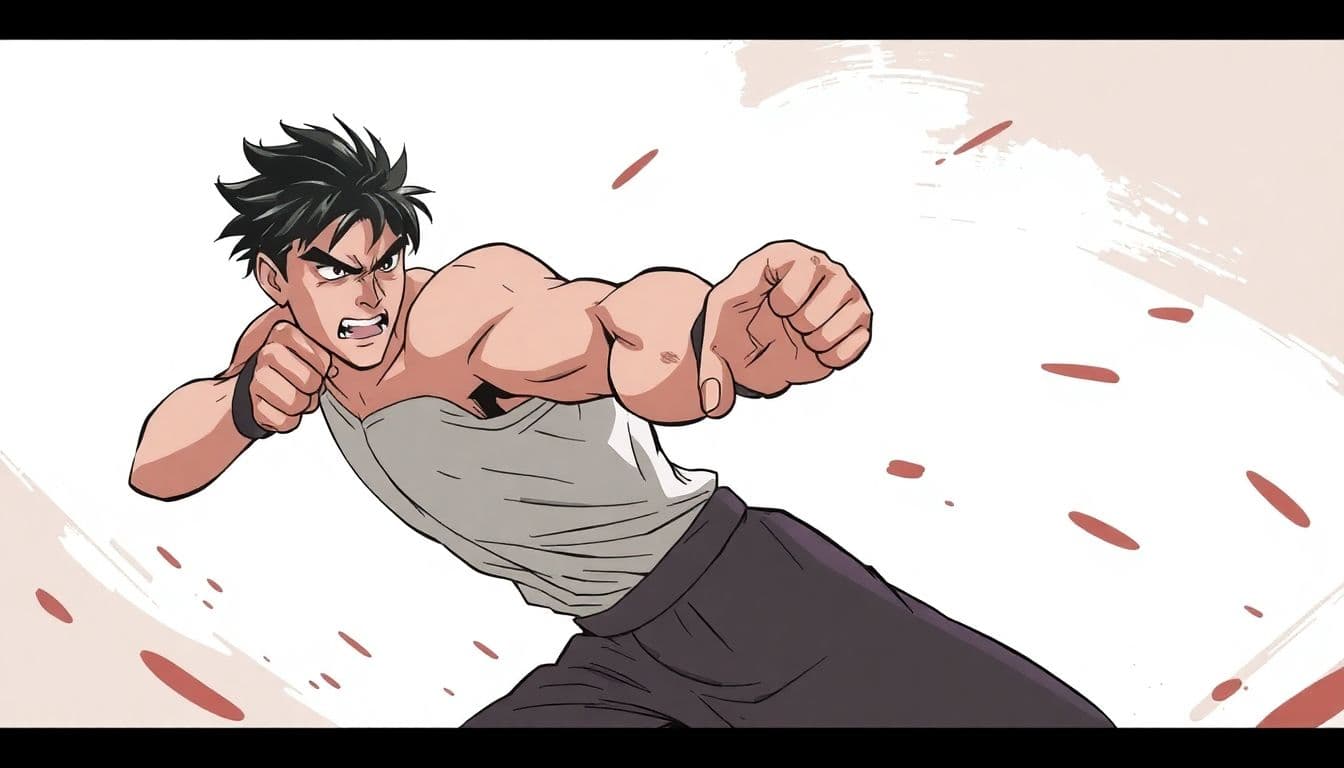
Every good story needs tension, and fight scenes are a great way to ramp that up. They should serve a purpose beyond just showcasing action; they can reveal character, advance the plot, or build suspense.
Think about what you want to achieve with each fight. Is it to demonstrate a character’s growth or to highlight the stakes of a conflict?
For instance, in a novel where a character struggles with inner demons, a fight scene might represent their battle against those issues. Make sure each punch or kick has a deeper meaning.
Step 2: Create Realistic Characters and Motivations
Your characters shouldn’t just be fighting machines; they need backstories, desires, and real reasons for being in that fight. An audience will connect more with characters who have relatable motives.
Spend time fleshing out their personalities. Is your hero defending a loved one or seeking revenge? This clarity will drive the action.
For example, a character who fights for survival in a dystopian world should reflect that desperation in their fighting style. Make their motivations clear, and it’ll make the scene much more engaging.
Step 3: Plan the Setting for the Fight
The location of a fight can dramatically affect the action and tension. Whether it’s in a cramped alley or an expansive arena, the setting should enhance the narrative.
Consider the environment: what obstacles can it create? Water, debris, or time constraints can all raise the stakes.
Take inspiration from settings you’ve already crafted in your story to create a fight that feels cohesive. A fight in a place that your characters are familiar with can give them a strategic advantage or add to their emotional stakes.
Step 4: Choose the Right Fight Style
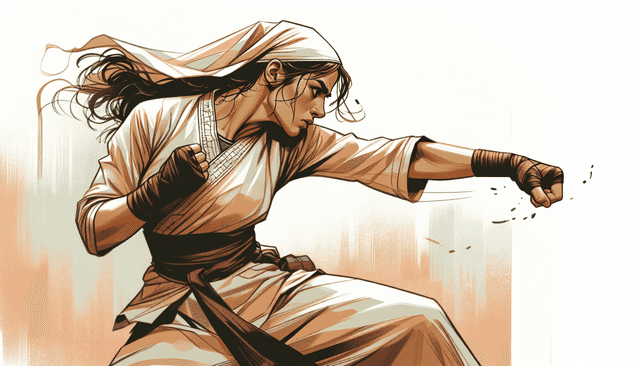
The fight style you choose can say a lot about a character and the nature of the conflict.
Consider the character’s background—do they have martial arts training, or are they more of a street fighter?
A trained fighter might execute moves with precision, while an untrained character might rely on raw instinct and desperation in their actions.
Also, keep in mind the context of the fight: Is it a duel, a brawl, or an escape? Each scenario demands different techniques and emotional stakes.
For example, a character who uses an elaborate martial arts style might engage in a structured fight with honor, whereas a chaotic street fight could involve grabs, punches, and lots of unpredictability.
Step 5: Use Clear and Vivid Descriptions
Descriptions are key to making the action resonate with readers.
Instead of saying “he punched her,” try “his fist rocketed toward her jaw, a blur of motion fueled by rage.” This paints a more vibrant picture.
Include not just what happens, but how it feels: sweat, adrenaline, confusion. Readers want to feel the impact of every blow.
You can also use sensory details. What do the surroundings smell like? Is the air filled with the metallic scent of blood or the tang of salt from sweat?
By engaging multiple senses, you immerse readers deeper into the scene, making each blow feel more impactful.
Step 6: Control the Pacing of the Scene
Pacing can dictate how tense or chaotic a fight scene feels, and it’s all about paragraph length and sentence structure.
Short, choppy sentences can create a sense of urgency and speed when the action heats up, while longer, more descriptive sentences can slow things down to build suspense or highlight a critical moment.
Consider changing the pace based on the action. If a character is gaining a clear upper hand, you might slow the pace to heighten tension and anticipation of what’s to come.
Alternatively, during frantic moments or near the climax, quicken the pacing to keep readers on the edge of their seats.
Step 7: Incorporate Emotion and Stakes
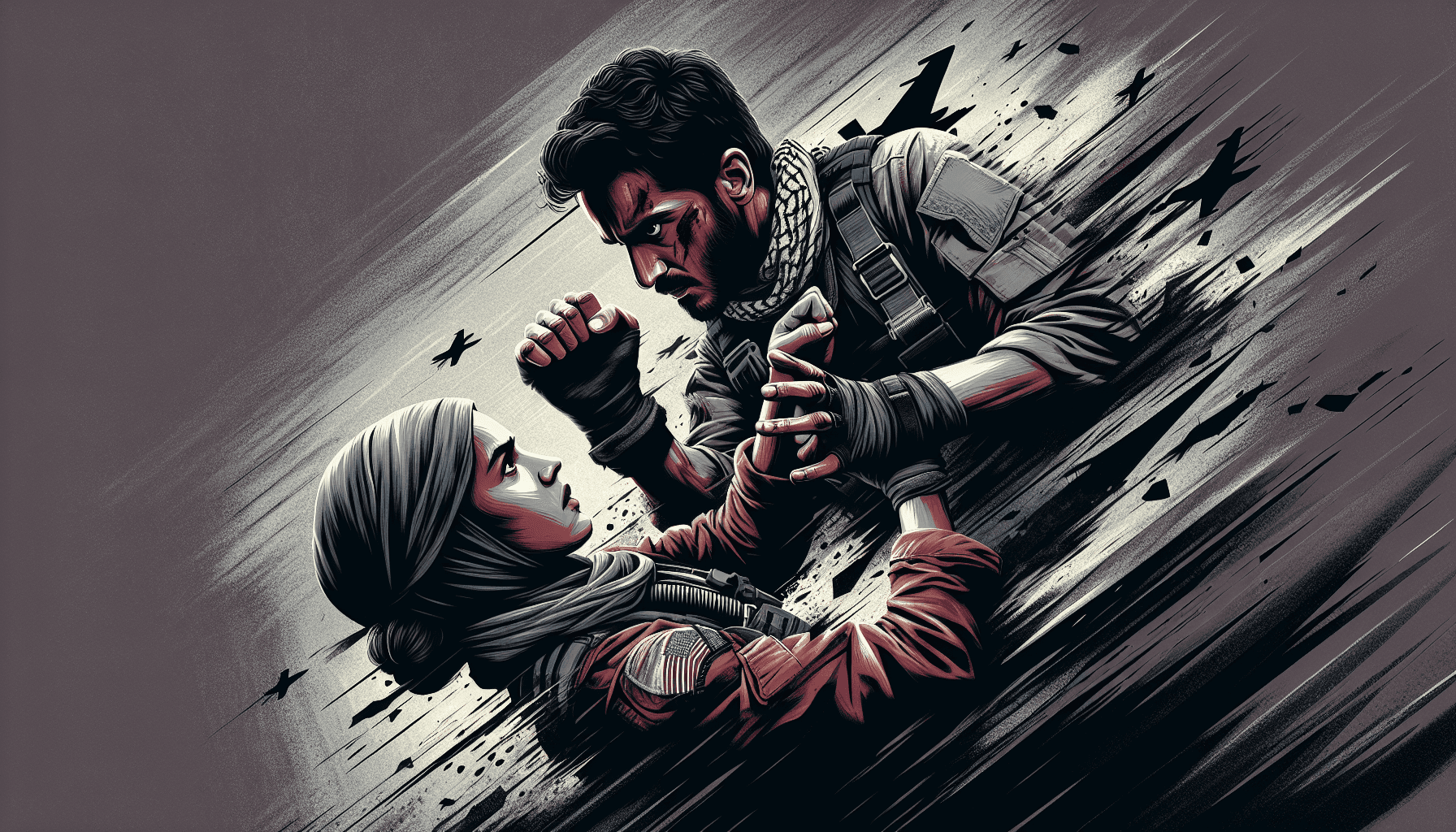
Fight scenes should never be devoid of emotion; in fact, it’s what elevates them from mere action to memorable moments.
What’s at stake? Is a character fighting for their life, their loved ones, or even their values?
Make sure to infuse emotions like fear, anger, or determination throughout the action.
For instance, a character who is fighting to protect a loved one should feel a mix of adrenaline and desperation that colors their every move.
Linking the physical struggle with the character’s internal emotional struggle can create a powerful reading experience.
Step 8: Edit and Revise for Clarity and Impact
No first draft is perfect, especially in dynamic scenes like fights.
After writing your scene, step back and review it from a reader’s perspective: Are the actions clear? Are the stakes evident?
Look for areas where you can tighten the prose. Are there redundant phrases or sections that feel flat?
Gather feedback from beta readers or fellow writers. They can offer valuable insights about what resonates and what feels confusing.
Finally, ensure that the fight flows well with the surrounding narrative to keep readers engaged without jarring interruptions.
FAQs
Fight scenes serve multiple purposes: they can build tension, develop character, reveal motivations, and advance the plot. They also provide readers with adrenaline and excitement, making stories more engaging and dynamic.
To create realistic characters, focus on their backgrounds, motivations, and personalities. Consider how their experiences shape their fighting styles, decisions, and emotional responses during the fight, making the scene relatable and credible.
While planning, consider the setting, fight style, and character motivations. Additionally, assess the desired emotional tone and stakes involved. A well-thought-out setting enhances the action and makes it more immersive for readers.
Pacing can be controlled through sentence length, dialogue, and action description. Use shorter sentences for rapid action and longer ones for buildup and detail. Balancing tension with rhythm helps maintain reader engagement throughout the scene.