Table of Contents
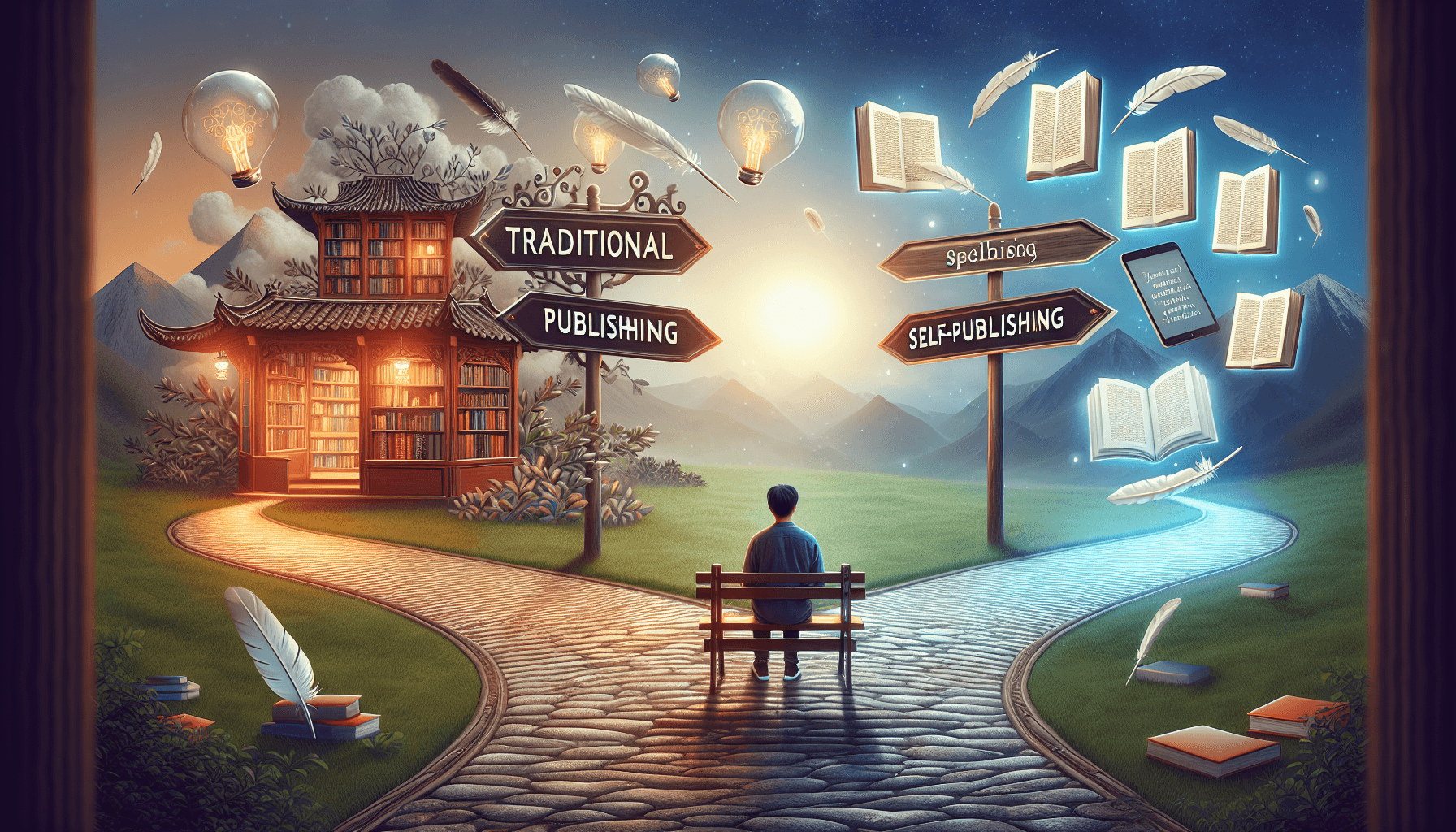
Many writers find themselves caught between traditional publishing and self-publishing, feeling unsure about which path to take. It’s totally understandable—choosing the right route can make or break your writing career. But hey, you’re definitely not alone in this struggle!
If you’ve ever wondered how some authors successfully navigate both worlds, you’re in for a treat. Stick around, and you’ll discover inspiring hybrid author success stories, essential tips to propel your writing career, and the keys to overcoming challenges along the way.
From real-life examples to invaluable resources, we’ll dive into how hybrid publishing has transformed careers. Get ready to explore the blend of creativity and strategy that can help you shine in the literary landscape!
Key Takeaways
- Hybrid authors blend traditional and self-publishing for better career control.
- Successful examples include Colleen Hoover and Andy Weir, who both navigated both publishing paths.
- Key to success lies in strong marketing, networking, and continuous learning.
- Time management and branding can be major challenges for hybrid authors.
- A solid marketing plan and community support are crucial for aspiring hybrid authors.
- Resources like online courses and supportive writing groups can greatly aid in development.
- The future of hybrid publishing is bright with technological advancements and evolving reader preferences.
Successful Hybrid Authors and Their Stories
Hybrid authors are those who blend both traditional and self-publishing routes in their careers.
Successful examples include authors like Colleen Hoover, who started with self-publishing and later won major publishing deals.
They often have unique stories, demonstrating how flexibility and a willingness to adapt can make a big difference.
Another great example is Andy Weir, who self-published “The Martian” before it became a bestseller through traditional channels.
How Hybrid Publishing Changed Their Careers
Hybrid publishing has become a game-changer for many authors, providing them with more control over their work.
By self-publishing, authors can retain a higher percentage of their profits, which can be significant.
At the same time, the traditional publishing aspect offers the credibility and resources that can expand their reach.
Many authors appreciate the ability to test different genres or formats without the constraints of a single publishing contract.
For instance, some authors use their traditional books to build a platform while self-publishing novellas or companion works in between.
Key Factors Behind Their Success
The success of hybrid authors often boils down to a few key factors.
First off, a solid marketing strategy is essential, as visibility is crucial in a crowded market.
Successful hybrid authors actively promote their books through social media, newsletters, and public appearances.
Secondly, networking plays a huge role; connecting with other authors and industry professionals can lead to opportunities.
Lastly, a commitment to continuous learning about the publishing landscape is vital. Stay informed about trends, tools, and best practices.
Reading articles on platforms like Automateed can help authors stay ahead of the game.

Challenges Faced by Hybrid Authors
Hybrid authors face unique challenges that can sometimes feel like juggling flaming torches.
One major issue is the time management dilemma. Balancing self-publishing tasks with traditional obligations can stretch an author’s schedule very thin.
Marketing can also pose a problem. With increased freedom comes the need for proactive promotion, which some authors might find overwhelming.
Then there’s the confusion about branding. Maintaining a consistent author identity while switching between self-published and traditionally published works requires careful thought.
Additionally, hybrid authors often deal with the “Jack of all trades, master of none” feeling, as they need to wear many hats. They must understand both self-publishing mechanics and traditional publishing contracts.
Lastly, there’s the constant worry of being pigeonholed into one category, which can limit their creative exploration.
Tips for Aspiring Hybrid Authors
If you’re considering becoming a hybrid author, a few strategies can help ease the journey.
Start by developing a strong marketing plan. Social media presence and email marketing are invaluable tools to connect with readers.
Next, understand both worlds of publishing. Invest time in learning about the ins and outs of traditional publishing and self-publishing platforms.
Set clear goals for each project. Know what you want to achieve, whether it’s profit, exposure, or honing your craft.
Don’t shy away from building a supportive community. Engage with other hybrid authors for support and advice.
Experimentation is crucial. Test different genres, and formats, and learn what resonates with your audience. You can even check out writing prompts for inspiration from resources like Winter Writing Prompts.
Lastly, keep track of your finances. Knowing how much you earn and spend will guide your future publishing decisions.
Resources for Hybrid Authors
Finding the right resources can significantly impact your success as a hybrid author.
Start with books on self-publishing and traditional publishing like “Self-Publishing For Dummies.”
Websites such as Automateed offer fantastic insights into various publishing avenues.
Social media platforms can also be beneficial. Follow experienced authors on Twitter or Instagram to get real-time advice and inspiration.
Join writing groups on Facebook or Goodreads to share experiences and ask questions.
Consider online courses on platforms like Coursera or Udemy, where you can learn about marketing and writing effectively.
Don’t forget about free resources. Websites offering tips on how to write or guides on self-publishing can also be extremely helpful.
Future of Hybrid Writing and Publishing
The future of hybrid writing and publishing looks promising, especially with the rise of digital platforms.
More authors are embracing the hybrid model, understanding the flexibility it offers.
Technological advancements are reshaping distribution methods, making it easier for authors to reach readers globally.
There’s likely going to be an increase in partnerships between self-publishing platforms and traditional publishers, offering hybrid authors even more options.
As readers become more accustomed to diverse formats, there’s a growing acceptance and demand for different publishing routes.
Finally, it’s an exciting time for storytelling. With creativity and innovation on the rise, hybrid authors are well-positioned to take advantage of new trends.
FAQs
A hybrid author is a writer who publishes both traditionally and self-published works. This approach allows authors to explore various publishing models and reach a broader audience, combining the benefits of both worlds.
Hybrid publishing offers increased creative control, diverse revenue streams, and access to a wider readership. Authors can strategically choose publishing formats that align with their goals and audiences for optimal impact.
Hybrid authors may struggle with managing time effectively between different publishing methods, marketing diverse works, and navigating the complexities of both traditional and self-publishing landscapes.
Aspiring hybrid authors should research publishing options, build a personal brand, create a solid marketing plan, and actively engage with readers. Networking with other authors can also provide valuable insights and support.