
Table of Contents
Thinking about page publishing costs can feel like staring at a mountain of bills—you’re not alone! Many people worry about how much it really costs to get their content online. It’s easy to assume that publishing is out of reach or riddled with hidden fees.
But don’t fret! If you stick around, I promise we’ll untangle this mess together. By the end, you’ll have a clearer understanding of what influences these costs and how to navigate them without breaking the bank.
From breaking down expenses to finding ways to save, we’ll cover everything you need to know about the true cost of page publishing. So, let’s dive in and make sense of it all!
Key Takeaways
- Page publishing costs vary widely based on factors like method of publishing, design, and marketing.
- Traditional publishing may cover costs but takes a larger share of your profits, while self-publishing means upfront expenses are yours.
- Editing can range from $500 to $3,000, and cover design can cost between $300 to $1,500.
- Printing costs depend on quantity; larger runs lower the cost per book, but you need to plan for distribution fees.
- Cost-saving strategies include DIY elements, trading services with other writers, and using print-on-demand to avoid high inventory costs.
- Choosing the right platform is crucial—compare costs and royalties to find what fits your goals and budget.
- Consider ongoing costs, marketing needs, and your target audience when budgeting for your book.

The True Cost of Page Publishing
When diving into page publishing, it’s essential to understand that the costs can add up quickly.
Factors like the method of publishing, design costs, and marketing strategies all lead to varying expenses.
From hiring freelancers for editing to choosing a self-publishing platform, every decision impacts your budget.
In essence, it’s not just about printing books; it’s about the entire process from concept to market.
Factors Affecting Page Publishing Costs
Several key factors determine the overall costs of page publishing.
The choice between traditional publishing and self-publishing is a significant starting point.
Traditional publishers often cover costs, but they take a larger cut of your profits, whereas self-publishing puts the financial responsibility on you.
Additionally, the complexity of your book—like illustrations in children’s books or color photos in cookbooks—can also impact printing costs.
Let’s not forget about marketing expenses. Investing in a solid marketing plan can yield better profits, but it adds to your upfront costs.
Breakdown of Page Publishing Expenses
Understanding the breakdown of expenses helps clarify where your money goes.
First up, editing costs can range from $500 to $3,000, depending on the level of service you need.
Then, there’s the cover design—good design can cost between $300 to $1,500, which is worth the investment since it’s the first thing potential readers will see.
Next, you’ll have printing costs, which depend on factors like print run quantity and pages per book. For a short run, cost per book may be high, but it lowers with larger quantities.
Don’t overlook distribution fees, especially if using platforms like [Amazon KDP](https://automateed.com/how-does-amazon-kdp-pay-you/), which can take a percentage of your sales.
In total, be ready to set aside anywhere from $1,000 to over $5,000 for a well-rounded publishing effort.
Ways to Reduce Page Publishing Costs
Cutting costs in page publishing doesn’t mean sacrificing quality.
One effective way is to DIY certain elements. If you have an eye for design, you might consider creating your own cover using free tools like Canva.
Editing can also be approached strategically by swapping services with other writers—offering to edit their work while they edit yours.
Consider print-on-demand services, as they can eliminate large initial printing costs and help you avoid unsold inventory.
Lastly, invest time in learning about digital marketing. Organic strategies like leveraging social media and building an email list can drastically reduce your promotion costs.
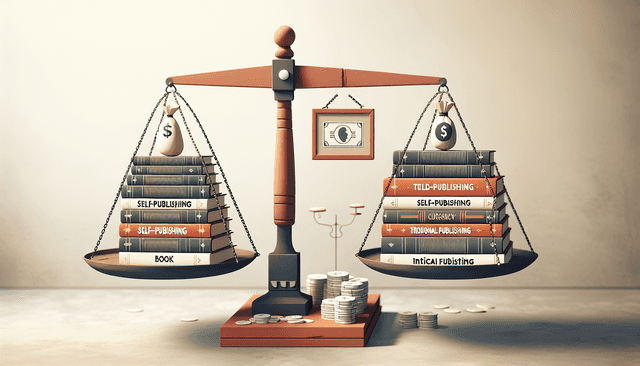
Comparing Page Publishing Costs Across Platforms
When choosing where to publish your book, comparing costs across platforms is crucial.
Self-publishing options, like Amazon KDP, often have lower initial costs but may take a significant percentage of your royalties.
On the other hand, platforms like IngramSpark have upfront fees but offer broader distribution options.
Consider services like Lulu or Blurb if you’re looking at print-on-demand options that cater to unique projects.
It’s also important to factor in any additional costs, like distribution fees and production costs, when making your comparison.
Ultimately, the best platform for you will depend on your specific goals, budget, and the formats you wish to publish in.
Additional Considerations in Page Publishing Costs
As you navigate page publishing, there are extra considerations that can impact your budget.
For instance, the genre of your book influences not only the production costs but also the marketing strategies you might need to adopt.
Don’t forget about the potential costs of ISBNs if you’re self-publishing, as each format will require its own.
Also, think about your target audience; understanding their preferences can guide decisions on format and marketing.
Consider the costs of hiring a professional to help with building your author website or utilizing website builders tailored for authors.
Finally, keep an eye on ongoing expenses like royalties to authors or marketing spends that can eat into your profits over time.
Frequently Asked Questions About Page Publishing Costs
If you’re considering page publishing, you likely have a few burning questions about costs.
One of the most common questions is, “How much should I budget for publishing my book?” A rough estimate is between $1,000 to $5,000, but this can vary widely depending on your choices.
Another question often asked is, “Are there hidden costs?” Yes, expenses like promotional materials, unexpected fees from platforms, or revisions can catch you off guard.
Many wonder if DIY approaches really save money. While doing things yourself can cut costs, it may also lead to a longer timeline and potentially diminish quality if you’re inexperienced.
Additionally, people often ask about the costs of distribution; it’s essential to remember that these fees can vary significantly across different platforms.
Lastly, many aspiring authors ponder, “Will I recoup my initial costs?” The answer is, it depends on your book’s success and the marketing efforts you put in.
Overall, staying informed and planning ahead can help you manage the costs of page publishing more effectively.
FAQs
The primary factors affecting page publishing costs include design complexity, content creation expenses, platform fees, and distribution costs. Understanding these elements can help in budgeting and planning your publishing process effectively.
You can minimize page publishing costs by using cost-effective platforms, optimizing content for efficiency, in-house design work, and leveraging free marketing tools. Negotiating with service providers can also help lower expenses.
Yes, costs can vary greatly depending on the platform used. Factors like subscription fees, transaction charges, and additional feature costs must be considered when comparing platforms for page publishing.
Beyond direct costs, consider the time investment, potential hidden fees, maintenance costs, and the scalability of your chosen platform. These factors can impact your overall budget in the long term.