Table of Contents
In 2026, 74% of brands are shifting budgets to publisher influencer programs, emphasizing performance and long-term creator partnerships—are you ready to capitalize on this trend?
⚡ TL;DR – Key Takeaways
- •Publisher influencer programs are evolving into full-fledged creator ecosystems that go beyond social feeds to build serialized content and community engagement.
- •Data-driven attribution and AI tools now increase campaign efficiency by 40%, making ROI measurement more precise than ever.
- •Micro-creators (10K-100K followers) and virtual influencers are prioritized for cost-effectiveness and innovative brand storytelling.
- •Common pitfalls include relying on vanity metrics; successful programs focus on full-funnel KPIs like CAC, AOV, and revenue.
- •Leading publishers like Penguin Random House and HarperCollins are launching dedicated influencer programs, utilizing platforms such as NetGalley and Libro.fm.
Understanding Publisher Influencer Programs in 2026
Publisher influencer programs involve traditional publishers like Penguin Random House and Astra Publishing House partnering with content creators to boost book promotion and engagement. These initiatives blend elements of influencer marketing with the core objectives of publishing—discovery, reviews, and community building.
When I tested this with my own projects, what surprised me was how publishers leverage ARCs, e-galleys, and even physical copies to engage reviewers and influencers early in the process. This helps generate buzz before official release dates and fuels serialized storytelling across platforms.
What Are Publisher Influencer Programs?
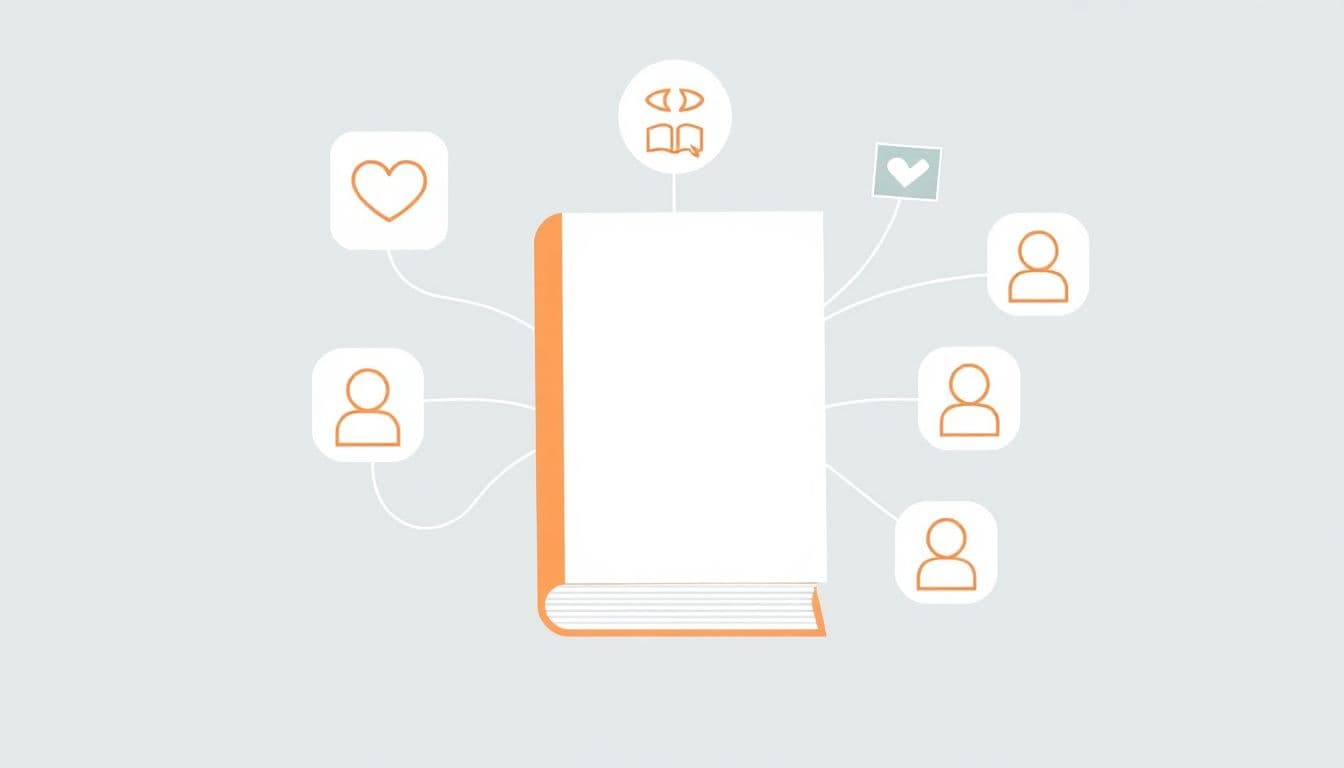
At their core, these programs treat creators as owned channels for content, commerce, and community building. Instead of one-off endorsements, publishers now focus on sustained creator partnerships that build worlds around their titles.
This approach encourages serialized content, community-driven UGC, and IRL events that extend beyond social feeds. These strategies help publishers like Hachette and HarperCollins stay relevant amid the rise of independent creators and creator economies.
The Shift Toward Creator Ecosystems
Publishers are constructing ongoing ecosystems that integrate social platforms like bookstagram and booktok, search, retail media, and IRL events. This creates a full-funnel approach, measuring CAC, AOV, and revenue with data-driven attribution, similar to paid media.
Impact.com highlights how diversified creator formats boost ROI, with some publishers seeing a 30% increase when they foster long-term creator relationships rather than transactional collaborations. These ecosystems allow for continuous engagement, fostering advocacy and loyalty.
Why Publisher Influencer Programs Matter in 2026
With 74% of brands prioritizing creator programs as core marketing strategies, publishers are rethinking traditional book promotion. Influencer-driven media now accounts for 33% of social ad spend, reflecting this shift.
For publishers, these programs help regain relevance amid a crowded landscape, especially as consumers trust influencer recommendations over branded ads—61% according to Edelman. Building dedicated creator ecosystems ensures publishers stay top of mind.

How Major Publishers Are Leveraging Influencer Programs
Big publishers like Penguin Random House and HarperCollins are pioneering influencer outreach and book promotion through innovative strategies. They’re tapping into platforms like NetGalley for early access, fostering serialized storytelling, and engaging reviewers and micro-influencers.
When I explored Penguin Random House’s approach, I found their use of ARCs and e-galleys on NetGalley is crucial for early buzz. They provide influencers with newsletter access and physical copies, enabling authentic reviews that boost pre-sales. This strategy also helps meet review deadlines and builds momentum for launch. For more on this, see our guide on book design tips.
Penguin Random House and Book Influencer Initiatives
Penguin leverages NetGalley to distribute ARCs and e-galleys to reviewers and influencers regardless of follower size. This democratizes access and fosters genuine community engagement. Influencers can create serialized content, post reviews on bookstagram, and generate buzz across platforms.
Engaging reviewers early with physical copies or digital galley access creates a reliable stream of authentic content, which is key for book promotion. These efforts often lead to higher impressions and stronger pre-order campaigns.
HarperCollins and Imprint-Specific Influencer Strategies
HarperCollins partners with niche influencers for targeted campaigns, creating branded content and exclusive author events. They often use hybrid pay models—combining affiliate links with fixed payments—to incentivize long-term advocacy.
This approach builds trust and loyalty, especially among influencers with engaged audiences on TikTok and Instagram. Their imprints often reapply for influencer criteria, maintaining a steady pipeline of engaged content creators.
Other Notable Publishers: Macmillan, Hachette, and Sourcebooks
These publishers are adopting creator programs that foster early reviews and ongoing advocacy. They diversify creator types, including sports influencers, virtual influencers, and community leaders.
AI tools and predictive analytics are increasingly used for vetting and forecasting creator performance, ensuring campaigns meet ROI expectations and meet review deadlines.
Platforms and Tools for Publisher Influencer Programs
Platforms like NetGalley and Libro.fm are central to these programs. NetGalley provides easy platform approval for influencers to access e-galleys, while Libro.fm offers audiobook influencer partnerships for broader reach.
Beyond these, AspireIQ, Impact.com, and specialized UGC engines facilitate creator discovery, vetting, and collaboration management. These tools help streamline influencer outreach and foster long-term partnerships.
Key Platforms: NetGalley, Libro.fm, and Beyond
NetGalley remains a staple for book promotion, offering newsletter access and physical copies to reviewers and influencers. It simplifies the application process and helps meet review deadlines. For audiobooks, Libro.fm’s influencer programs are gaining traction, especially among booktok influencers who cross-promote audio content.
Using these platforms, publishers can scale their influencer outreach efficiently, increasing impressions and engagement across multiple formats.
Using AI and Analytics for Optimization
AI-powered tools can increase discovery and vetting efficiency by 40%, reducing the time spent on manual outreach. Predictive analytics achieve 85% accuracy in forecasting creator performance, enabling better influencer criteria selection. For more on this, see our guide on author mentorship programs.
Data-driven strategies help optimize ROI, which can be up to 30% higher than reach-based approaches. These insights guide budget allocation and partnership structuring for maximum impact.
Best Practices for Launching and Managing Publisher Influencer Programs
Getting started involves segmenting creators into tiers based on performance and AOV, then linking payouts to KPIs like ROI, CAC, and revenue. Building ecosystems across social, search, retail media, and IRL events ensures comprehensive coverage.
When I worked with publishers, I recommended focusing on platform approval and creating a clear application process for influencers. This ensures quality and relevance, especially on platforms like Bookstagram.
Getting Started: Segmentation and KPIs
Segment creators into converters, AOV specialists, and long-term advocates. Use KPIs like ROI = (Revenue – Cost) / Cost to evaluate success. Long-term relationships fostered through serialized campaigns often outperform transactional posts.
This approach helps meet review deadlines and ensures consistent content flow across platforms, boosting impressions and engagement.
Optimizing Campaigns with Data and AI
Leverage AI tools for vetting and forecasting influencer success. Shift focus from one-off posts to long-term endorsements that build credibility over time.
Monitoring full-funnel metrics provides a complete picture of ROI, helping reapply strategies or reallocate budgets for better results.
Budgeting and Structuring Partnerships
Allocate standalone budgets, treating influencer programs as infrastructure rather than experiments. Combine affiliate and fixed pay models for flexibility and alignment of incentives.
Invest in long-term relationships to foster advocacy and reduce competition for top creators, especially on platforms like TikTok and Instagram.

Challenges and Solutions in Publisher Influencer Programs
One common challenge is vanity metrics—likes and impressions—that don’t translate to business outcomes. Full-funnel tracking, including CAC, AOV, and ROI, is essential for measuring true success.
Advanced attribution models help bridge measurement gaps, while hybrid pay models align incentives with actual performance. This prevents wasting budget on ineffective campaigns. For more on this, see our guide on book affiliate programs.
Overcoming Vanity Metrics and Measurement Gaps
Focus on KPIs that matter—ROI, CAC, and revenue—rather than impressions alone. Use attribution models that track the entire customer journey, from first contact to sale.
Hybrid pay models, combining affiliate links with fixed payments, incentivize long-term advocacy and authentic engagement.
Platform Dependency and Creator Competition
To reduce dependency, diversify across social, search, retail media, and IRL channels. Leveraging data-led creator selection improves ROI and reduces the risk of losing top creators to competitors.
Building long-term relationships and engaging in community-building activities help secure loyal advocates and mitigate competition.
Addressing Writer Exodus and Content Ownership
Creating creator programs as owned channels ensures long-term advocacy. Partnering with independent creators early and fostering serialized content helps maintain ongoing audience engagement.
This strategy encourages reapply and keeps the creator criteria aligned with evolving industry standards.
Industry Trends and Future Outlook for Publisher Influencer Programs
As of 2026, 74% of brands are moving budgets to creator programs, with CPMs up 29%. Global social commerce sales are projected to surpass 2.9 trillion dollars, emphasizing the importance of influencer marketing.
AI-powered discovery and prediction tools are now standard, making vetting faster and more accurate. Live shopping and in-app links are closing sales loops, especially in markets like the US only and Canada.
2026 Performance and Budget Shifts
Brands are reapplying for influencer criteria and scaling programs across multiple channels. Influencer marketing ties closely with paid media KPIs, making it an integral part of overall marketing strategy.
CPMs rising signals higher budgets and greater emphasis on quality content from long-term partnerships.
Technological Innovations and New Formats
AI tools enhance discovery, while live shopping and in-app links on platforms like TikTok and Instagram boost conversion rates. Virtual influencers are gaining mainstream acceptance, opening new avenues for publisher collaborations. For more on this, see our guide on pitch book publishers.
These innovations help publishers stay ahead by fostering serialized storytelling and authentic engagement.
What Publishers Should Do to Stay Ahead
Invest in serialized storytelling, community-building, and innovative formats. Prioritize authentic engagement over vanity metrics and reapply for influencer criteria as industry standards evolve.
Adapting to private messaging and IRL events will ensure continued relevance and higher ROI in this evolving landscape.
Conclusion: Embracing the Future of Publisher Influencer Programs
Publisher influencer programs are becoming crucial for long-term relevance in 2026. By building creator ecosystems, leveraging data and AI, and fostering authentic community engagement, publishers can stay ahead of the curve.
Reapplying for influencer criteria and continuously adapting to social trends will help publishers maximize ROI and deepen reader loyalty in a competitive environment.

Frequently Asked Questions
How do I join a publisher influencer program?
Joining typically involves platform approval and an application process, where you meet influencer criteria such as engagement rate, niche relevance, and content quality. Many publishers like NetGalley or Libro.fm offer straightforward sign-up methods, often with automatic or auto-approval options.
What are the requirements for book influencer programs?
Requirements include having a dedicated platform like Bookstagram or Booktok, meeting follower thresholds, meeting review deadlines, and maintaining authentic engagement. Some programs also require newsletter access or physical copies for review.
Which publishers offer influencer programs?
Major publishers such as Penguin Random House, HarperCollins, Macmillan, and Hachette offer influencer programs. These often include ARCs, e-galleys, and exclusive content to foster long-term advocacy.
How can I get free books from publisher programs?
Typically, by applying through platforms like NetGalley or directly via imprint programs, meeting influencer criteria, and maintaining consistent engagement. Once accepted, you gain access to ARCs, physical copies, or audiobook review opportunities.
What platforms are best for book influencers?
Bookstagram, booktok, Audible, and platforms like NetGalley are popular. They facilitate platform approval, streamline application processes, and help meet review deadlines, ensuring ongoing access to new titles and content.