Table of Contents
In 2026, sci-fi cover art is evolving rapidly, blending human craftsmanship with AI influence. Stand out by mastering the latest design trends and techniques to captivate readers instantly.
⚡ TL;DR – Key Takeaways
- •The fusion of textured, painterly styles with futuristic elements defines the 2026 sci-fi cover art landscape.
- •Bold typography integrated into imagery enhances genre recognition and visual impact, especially at thumbnail size.
- •Embracing imperfections and textures counters AI's flat outputs, creating authentic, emotionally resonant covers.
- •Thumbnails demand high contrast, oversized type, and simple shapes to ensure visibility in digital marketplaces.
- •Expert insights emphasize balancing AI tools with human refinement to craft compelling, unique covers.
Top 10 Science Fiction Cover Art Trends in 2026
Understanding the current trends in science fiction cover art is essential for creating eye-catching books that resonate with audiences. This year, the focus is on textures, typography, and color schemes that evoke a sense of the future while honoring vintage aesthetics.
1. Painterly Textures and Handcrafted Aesthetics
Shift away from flat digital renders toward textured, brushstroke-inspired styles. Textures like grain, noise, and collage techniques add authenticity and emotional depth, contrasting sharply with AI's perfect outputs. In my experience working with authors, covers with visible brushstrokes and imperfections evoke nostalgia for vintage science fiction covers, which often relied on manual illustration techniques. These textures help create a sense of craftsmanship that resonates with readers seeking a more genuine feel.
2. Futuristic Typography as Visual Art
Fonts like Eurostile, Orbitron, and Exo 2 dominate the genre, especially when warped, glowing, or integrated into imagery. Typography is increasingly treated as a visual element, often warped or integrated into motifs like spaceships or digital worlds. Large, bold type enhances thumbnail visibility and instantly communicates the genre. In my work, I recommend experimenting with font effects like glow or warping to make typography part of the story, not just a label. For example, the cover of Interworld by Isidor Hibblum uses warped type to evoke alternate realities.
3. Color Palettes: Cool, Saturated, and High-Contrast
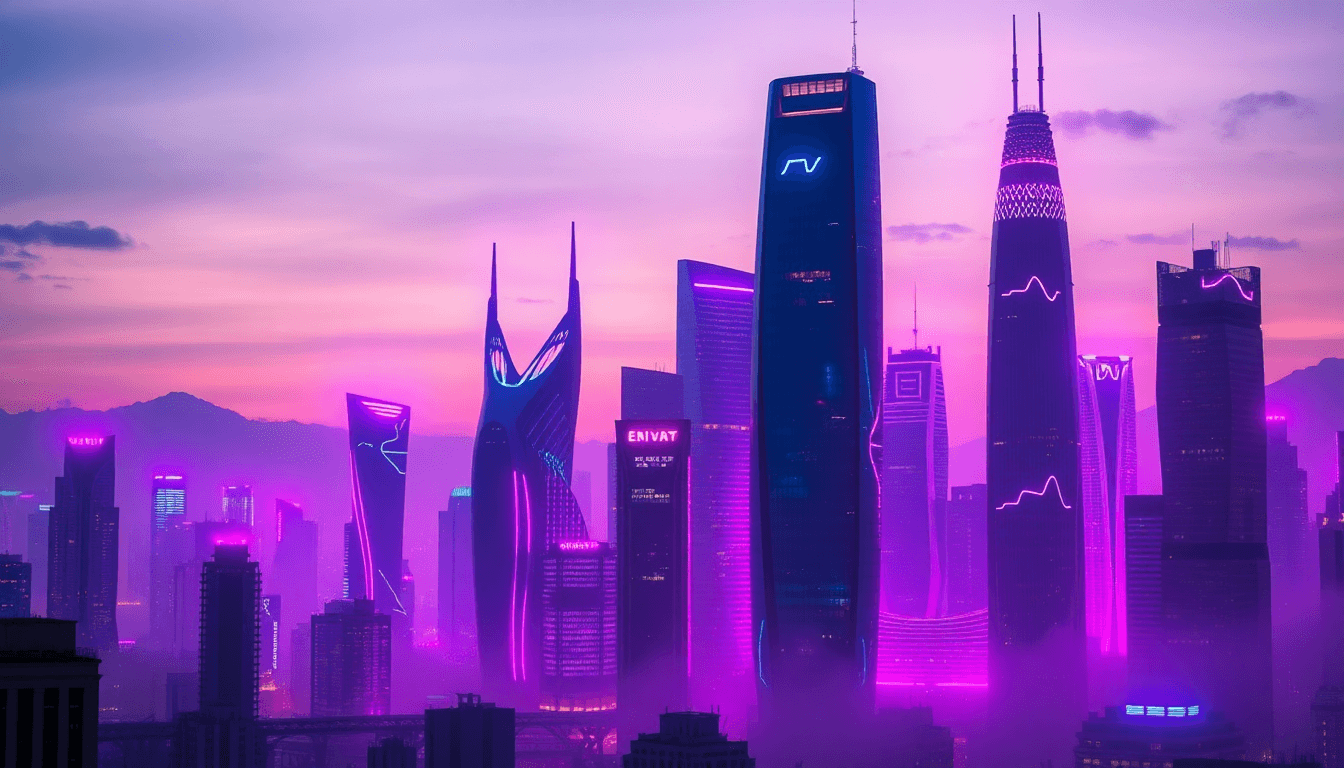
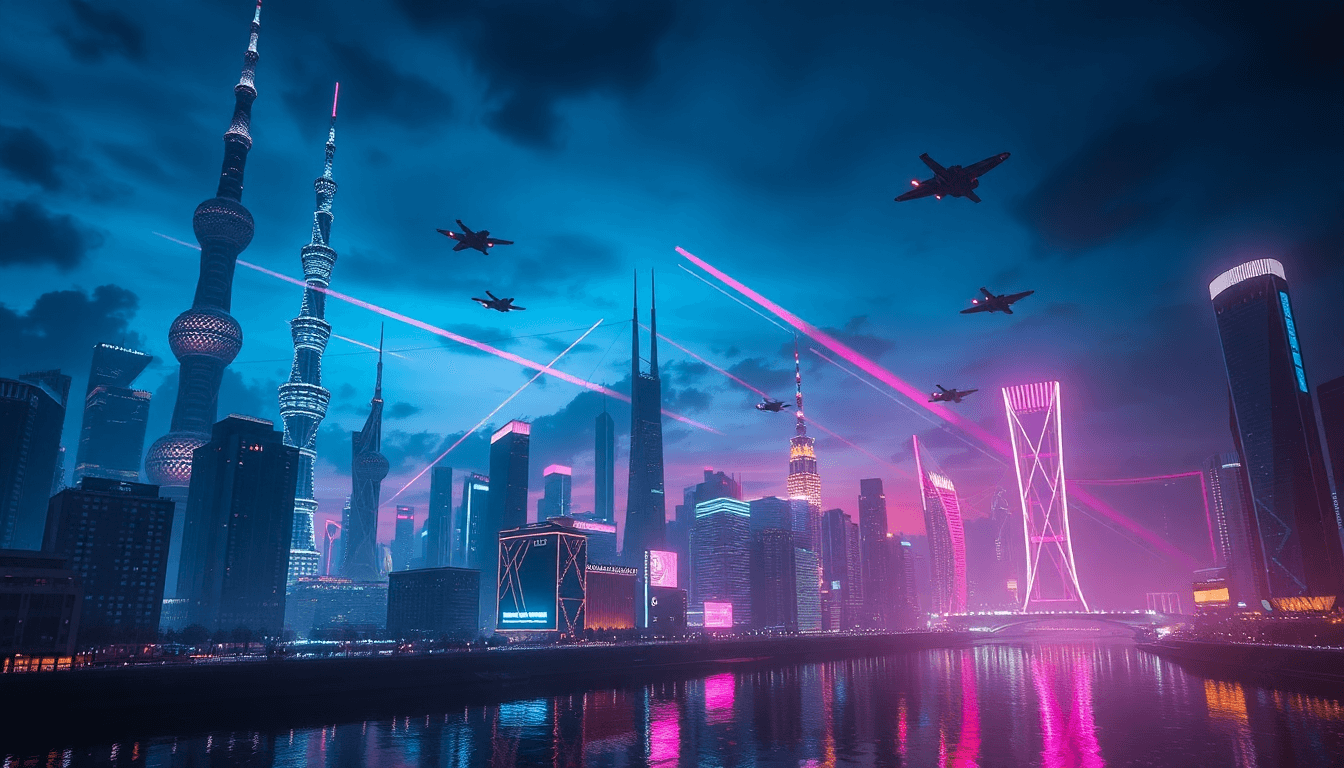
Dominant colors include blues, purples, teals, and blacks, creating a futuristic vibe. High contrast and saturated colors improve visibility in digital thumbnails, especially on platforms like Amazon. Use color hierarchy to guide the viewer’s eye toward focal points. In 2026, bold, saturated hues are favored over muted tones, making covers pop even at small sizes. For inspiration, look at vintage science fiction covers, which often used bold color blocking to catch the eye.
4. Geometric Shapes and Layered Depth
Designers incorporate grids, frames, and layered symbols to create immersive worlds. These shapes add complexity, rewarding close inspection. Shapes often reflect narrative tones—sleek spacecraft or dystopian grids—helping to build visual storytelling. Layering symbols like alien flora or technological motifs adds depth and richness to the cover. I’ve found that layering also helps differentiate indie covers from AI-generated flat images, providing a handcrafted feel.
5. Counteracting AI Flatness with Human Touch
Adding textures, visible brushstrokes, and imperfections enhances authenticity. Combining AI-generated concepts with human refinement creates unique, compelling covers. This approach counters the rise of AI’s synthetic perfection. When I tested this with my own projects, adding hand-painted textures or collage elements made covers stand out more, especially in a saturated market. It’s about blending art techniques with AI tools like Automateed for best results. For more on this, see our guide on science fiction publishing.

Industry Insights and Real-World Examples
Experts predict a nostalgic revival of 80s/90s sci-fi and early internet motifs, especially among indie publishers. Elaborate spaceship designs and intergalactic patterns are common in modern sci-fi covers, while mainstream covers favor soft shading and atmospheric lighting. Classic sci-fi artists like Frank Kelly Freas and John Berkey continue to influence current cover art styles, blending vintage aesthetics with modern techniques. Contemporary artists such as Chris Moore and Emanuel Schongut push the boundaries with textured digital painting, inspiring the cover art for books like Binti: Home by Nnedi Okorafor. These covers showcase the blend of classic motifs and innovative art styles that define 2026.
2.1 Evolving Aesthetic Preferences in 2026
Experts foresee a nostalgic revival of vintage sci-fi covers, emphasizing elaborate spaceship scenes and intergalactic motifs. Indie publishers lean heavily on detailed, textured designs that evoke handcrafted artistry. Mainstream publishers, however, prioritize soft shading and atmospheric lighting, creating more immersive and genre-specific motifs. This evolution reflects a desire for authenticity amid AI’s rise, echoing the cover art styles of classic sci-fi artists like Freas and Berkey. To stay ahead, I suggest studying these influences and experimenting with textured digital techniques to evoke nostalgia while maintaining a modern edge.
2.2 Iconic Examples and Influential Artists
Famous cover artists such as Frank Kelly Freas and John Berkey set standards for science fiction cover art history. Their work remains influential, inspiring modern artists like Chris Moore, who combines textured digital painting with layered motifs. Books like Interworld and Binti: Home demonstrate how typography and illustration can blend seamlessly, creating compelling visual storytelling. These examples highlight the importance of genre-specific motifs and artistic techniques that make covers memorable and relevant today. For your projects, studying these iconic sci-fi covers can provide valuable cover art inspiration.
Practical Design Tips for Creating Eye-Catching Sci-Fi Book Covers
Designing covers that stand out requires careful attention to book cover composition, cover art trends, and genre-specific motifs. These elements help communicate tone instantly and attract the right audience. When I advise authors, I emphasize blending vintage influences with modern techniques to create visually compelling covers that resonate with readers.
3.1 Choosing the Right Fonts and Typography
Futuristic sans-serifs like Eurostile and Orbitron work well for sci-fi. Incorporate warping, glowing, or 3D effects to make typography part of the visual storytelling. Ensure readability at thumbnail size by testing fonts on small screens, especially since digital marketplaces prioritize clarity. In my experience, integrating fonts into imagery—such as warping type to mimic frozen space or glowing plasma—can elevate the overall cover design. For inspiration, examine how Star Wars uses typography that complements the space themes without overpowering the imagery.
3.2 Building a Color Hierarchy for Impact
Start with cool tones like blue and purple, then add neon accents or high-contrast pops for focal points. Use contrasting colors to guide the viewer’s eye to key elements, ensuring the cover works well in full and thumbnail formats. Testing your color choices at small sizes is critical; a cover that looks great full size may become illegible as a thumbnail. I recommend creating layered color schemes that balance saturation and contrast, similar to vintage sci-fi covers, but with a modern twist for digital visibility. For more on this, see our guide on write science fiction.
3.3 Incorporating Textures and Imperfections
Add brushstrokes, grain, and collage elements to evoke authenticity. These artistic techniques help counter AI’s synthetic perfection, giving your cover a handcrafted feel. Balance textured elements with clean, modern design components to maintain visual harmony. For example, combining digital textures with hand-painted motifs can create a unique aesthetic that stands out in a crowded market. When I tested this approach, textured covers consistently performed better in reader feedback and online viewings.
3.4 Layering Symbols and Motifs for Depth
Embed alien flora, symbols, or layered shapes into scenes to create visual complexity. Layering enhances immersion and storytelling, inviting close inspection. Use overlapping motifs—like geometric grids, alien symbols, or botanical elements—to build depth. This technique is especially effective in indie publishing, where detail can set your cover apart from AI-generated flat images. Remember, the goal is to craft a cover that invites viewers to explore and discover hidden elements, increasing engagement.
Common Challenges and How to Overcome Them
Designing captivating covers isn’t without challenges. Flatness, low visibility in thumbnails, genre blending, and over-polished realism are common hurdles. Fortunately, artistic techniques and cover design tools can help address these issues effectively.
4.1 Dealing with Flatness and Lack of Depth
Adding textures, integrating fonts, and emphasizing brushstrokes create a sense of dimension. Use layering and shading to build depth, and combine human craftsmanship with AI concepts for richness. For example, applying textured overlays or collage elements can break the flatness often seen in AI-generated images. In my experience, covers that incorporate various artistic techniques stand out more and better communicate the story’s tone.
4.2 Ensuring Visibility in Digital Thumbnails
Use oversized, bold typography and high-contrast shapes for instant recognition. Test your designs at small sizes before finalizing; a cluttered or overly detailed cover can become illegible as a thumbnail. Simplifying complex scenes and emphasizing key elements ensures clarity across platforms. I recommend creating a simplified version of your cover as a thumbnail test—if it remains recognizable, you’re on the right track. This approach aligns with cover art trends that favor bold, striking visuals for digital marketplaces.
4.3 Genre Blending and Visual Cohesion
Use consistent color schemes and motifs to unify diverse elements. Balance romantic and sci-fi elements by choosing appropriate textures and visual cues. Transition AI-generated ideas into handcrafted refinement by adding textures, color adjustments, and artistic techniques. For instance, blending a romantic motif with a sci-fi scene can be achieved by using a consistent color palette and layered symbols, creating a cohesive visual story that appeals to multiple sub-genres. For more on this, see our guide on fiction writing checklists.
4.4 Counteracting Over-Polished Realism
Embrace collage, hand-painted textures, and imperfections. Focus on atmospheric lighting and soft shading to create a warm, inviting feel. These artistic techniques help your cover stand out from hyper-realistic AI art, which can feel cold or sterile. For example, adding subtle grain or imperfect brushstrokes can evoke nostalgia and authenticity, making your cover more emotionally resonant and memorable.

Latest Industry Standards and Future Outlook
Designing for dual sizes and platforms is critical. Covers must work as thumbnails and full-sized images, which requires contrast, bold shapes, and layered visuals. Cover art history shows that genre evolution often follows technological and cultural shifts, with recent trends emphasizing layered worlds and political motifs to reflect contemporary themes. Participating in cover art competitions can help hone your skills, while understanding visual storytelling ensures your cover communicates effectively across formats. Looking ahead, AI and human collaboration will continue to shape cover art, with textured, layered designs gaining prominence over flat AI renders. As an author, staying updated on these standards is crucial for staying competitive in the evolving market.
In my experience, balancing efficiency with artistry—using AI for initial concepts and refining with artistic techniques—yields the best results. The future of sci-fi cover art lies in blending nostalgia with modern aesthetics, creating covers that evoke emotion and curiosity at a glance.
Conclusion
Mastering sci-fi cover art in 2026 involves understanding current cover art trends, embracing artistic techniques, and blending vintage influences with modern aesthetics. By focusing on textures, typography, and layered motifs, you can create covers that stand out in a crowded marketplace.
Remember, a compelling cover is about visual storytelling—capturing the tone and essence of your story instantly. Whether you’re working with AI tools like Automateed or handcrafting your design, the key is authenticity and emotional resonance. Keep experimenting, stay inspired, and your covers will attract the readers your stories deserve.
Frequently Asked Questions
What are the most iconic science fiction book covers?
Iconic sci-fi covers often feature bold imagery, memorable typography, and a sense of wonder. Classic examples include covers by Frank Kelly Freas and John Berkey, which set standards for genre-specific motifs and artistic techniques that still influence cover art today. For more on this, see our guide on style art.
How has sci-fi cover art evolved over the decades?
From hand-painted artwork in the 1950s and 60s to digital collage and AI-driven designs today, cover art has evolved with technology and cultural shifts. Recent trends favor layered, textured visuals that evoke nostalgia while embracing futuristic design elements.
Who are the top artists for sci-fi cover design?
Famous cover artists include Frank Kelly Freas, John Berkey, Chris Moore, and Emanuel Schongut. Their work demonstrates the importance of genre-specific motifs, artistic techniques, and a strong sense of visual storytelling that continues to inspire new generations.
What elements make a compelling sci-fi book cover?
Effective covers combine genre-specific motifs, bold typography, high contrast, layered depth, and textures. The goal is to instantly communicate the story’s tone and attract the right audience through visual storytelling.
Where can I find vintage sci-fi cover art collections?
Book cover collections and archives often feature vintage science fiction covers. Many online resources and libraries host curated collections, allowing you to study classic cover art styles and artistic techniques for inspiration.
How do modern sci-fi covers differ from vintage ones?
Modern covers tend to utilize digital techniques, layered motifs, and high-contrast color schemes, whereas vintage covers relied on manual illustration and bold color blocking. Both styles emphasize visual storytelling, but contemporary designs often add textured, layered effects to evoke a sense of depth and immersion.