Table of Contents
Have you ever felt skeptical about a book with no pictures? It’s easy to think, “How can a story without illustrations entertain kids?” You’re not alone in this thought as many parents and educators share these concerns.
Not keen on staring at a blank page? An AI ebook generator gives you a solid first draft to edit and make your own.
But here’s the exciting part: if you stick around, you’ll discover that “The Book with No Pictures” is full of fun and laughter! This unique story focuses on the joy of words and sound, making it an engaging read for children.
In the following sections, we’ll explore its summary, how it benefits learning, and where to grab a PDF copy, along with useful tips for using it in teaching. Plus, you’ll find some frequently asked questions that might just clarify everything!
Key Takeaways
- The Book with No Pictures challenges the idea that children’s stories need illustrations to be entertaining.
- It uses silly words and phrases to create a fun and imaginative reading experience.
- This book boosts creativity, listening skills, and early literacy in kids through interactive reading.
- To access a PDF version, check libraries, reputable online bookstores, or publisher websites.
- Teachers can enhance learning by using activities like creating silly phrases and discussing imagination in storytelling.
The Book with No Pictures PDF: Overview and Access
When you think about children’s books, illustrations usually steal the spotlight. But The Book with No Pictures is all about words, turning the traditional format on its head.
In this book, author B.J. Novak invites children to use their imaginations in unexpected ways. It’s designed to be engaging and fun, even without a single illustration to guide the story.
The delight comes from the silly words and phrases that create a playful reading experience. By reading aloud, adults can encourage kids to embrace the joy of storytelling.
If you’re looking to access this unique piece of literature, you can typically find it in libraries, bookstores, or downloadable as a PDF. Always check reputable sources to get your hands on a legitimate version.
Summary of The Book with No Pictures
The premise of The Book with No Pictures is refreshingly straightforward. It challenges the idea that stories need pictures to capture a child’s interest.
Instead, it relies on humor and absurdity to twist the reading experience into something captivating.
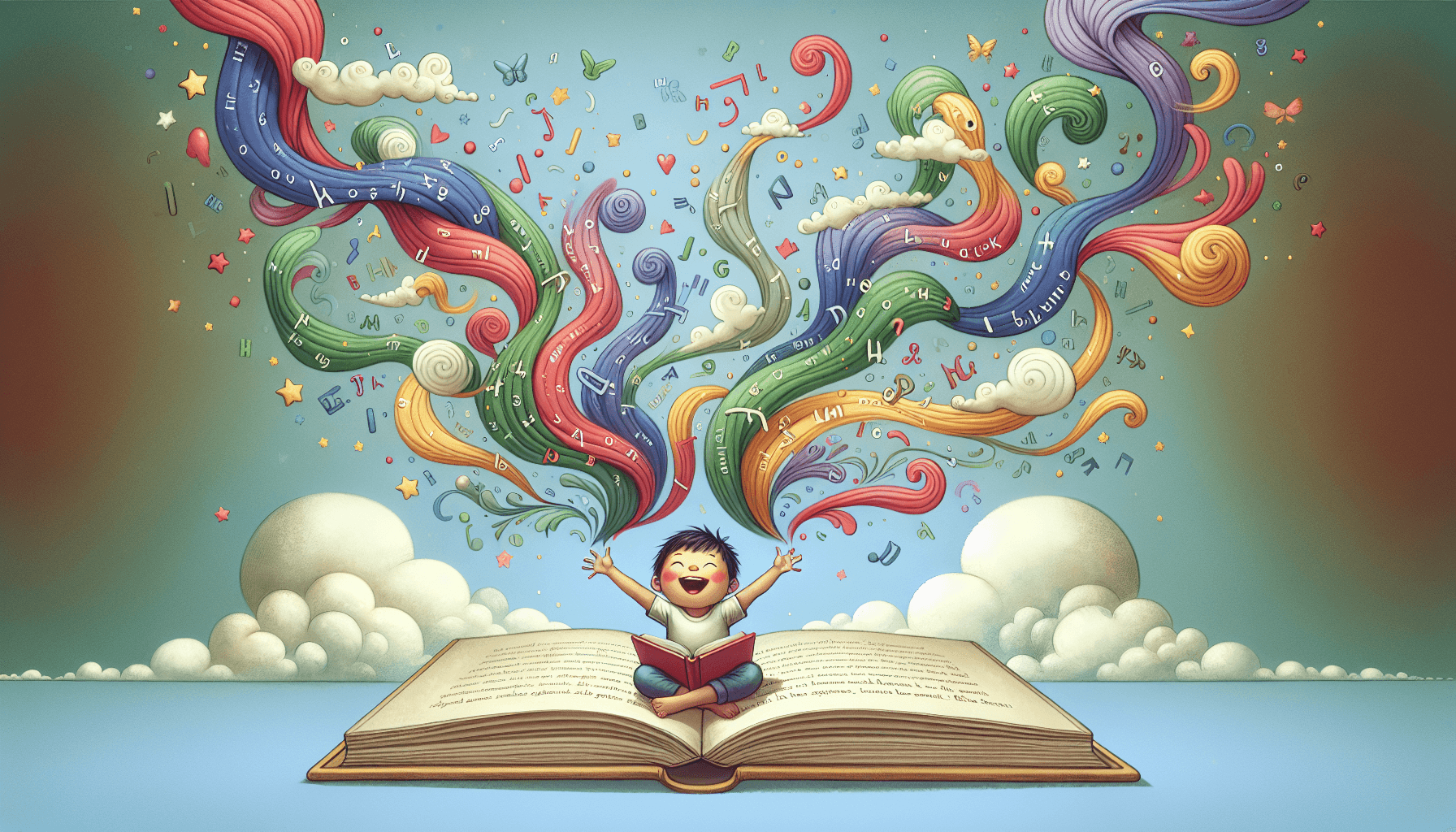
Throughout the book, readers find themselves compelled to say funny words and phrases that might involve making silly sounds or even acting out scenes.
This unexpected interaction brings the story to life in a way that illustrations can’t compete with. Kids love it because they feel empowered to play along and engage creatively.
Plus, this book encourages a love for reading by making it a shared experience that adults and children can enjoy together.
Benefits of Reading The Book with No Pictures
Reading The Book with No Pictures offers several benefits, making it a fantastic choice for parents and educators.
First off, it promotes creativity. Without images, children are encouraged to picture the scenarios using their imagination. This imaginative play is essential for cognitive development.
Secondly, it builds listening skills as children must pay attention to the words being said, especially since they might be required to respond with laughter or other reactions.
Moreover, the book’s inherent humor makes reading less daunting. The playful nature of the text invites kids to engage with words in a fun way, fostering early literacy.
If you want to add more fun to your reading routine, consider incorporating voice modulation or sound effects while you read aloud. Kids love when you ham it up!
How to Use The Book with No Pictures in Teaching
When it comes to using The Book with No Pictures in a teaching setting, there are several engaging strategies you can apply.
Start by reading it aloud to the class, allowing each student to take turns reading a page. This not only makes the story interactive but also builds confidence in reading.
You could also create a fun activity where kids come up with their own silly phrases that match certain scenarios or emotions from the story.
Then, consider discussing the importance of imagination in storytelling. Pose questions like, “How would the story change if we had pictures?” This gets them thinking critically.
Lastly, integrate art by having students illustrate their favorite scenes or create new characters for the story based on their imagination. They can bring their interpretations to life, and you can celebrate their creativity together.
Where to Find The Book with No Pictures PDF
If you’re searching for a PDF version of The Book with No Pictures, there are a few avenues you can explore.
First, check your local library’s digital collection. Many libraries offer access to eBooks and PDFs through platforms like OverDrive or Libby.
Another option is to visit online bookstores. Websites such as Amazon and Barnes & Noble often have digital formats available. You might also find special deals on educational websites targeting teachers and parents.
Keep an eye out for publisher websites as well. Sometimes publishers offer free or discounted PDFs to promote their books.
However, always be cautious. Make sure to download from reputable sites to avoid any copyright issues.
Alternate Formats and Related Resources
Besides the PDF version, The Book with No Pictures is available in several other formats, each with its benefits.
For instance, the print version is highly popular for storytime sessions, allowing kids to experience the physicality of a book.
Additionally, if you prefer auditory learning, check if an audiobook version exists. Listening to the story can enhance comprehension and enjoyment, particularly for young listeners.
Don’t overlook related resources, like activity guides available online. These guides, often offered for free, provide fun exercises and questions to engage kids after reading.
If you’re feeling creative, consider using funny writing prompts for kids to encourage them to craft their own silly stories, drawing inspiration from The Book with No Pictures. Sites like Funny Writing Prompts for Kids can be a great resource.
Frequently Asked Questions about The Book with No Pictures
When exploring The Book with No Pictures, you might have several questions about its content and use.
What age group is it suitable for? The book is perfect for preschoolers and early elementary students, usually ages 4 to 7.
This age range benefits from its playful language and interactive style.
Can this book be used for learning purposes? Absolutely! Teachers often use it to teach themes of creativity and expression.
The fun words encourage vocabulary development in an enjoyable way.
Is it available in multiple languages? Currently, it’s best known in English, but there are translations available in some languages, making it accessible for non-English speakers too.
Can I read it to a large group? Yes! The engaging nature of the book makes it suitable for storytime sessions with many children.
You can also encourage participation by allowing kids to read along or echo specific phrases.
Why is it important for children to read books without pictures? Books without pictures can stimulate imagination, allowing kids to visualize scenes as they interpret the text.
This enriches their reading experience and fosters a deeper appreciation for storytelling.
FAQs
The Book with No Pictures highlights the power of imagination and language through humor, encouraging children to engage with storytelling in a fun and interactive manner despite the lack of illustrations.
This book promotes creativity and verbal skills in children, teaching them the joy of reading aloud and the importance of tone and expression, which are essential for effective communication.
You can find The Book with No Pictures PDF on various educational resource websites, digital libraries, and eBook platforms. Make sure to check for legal access and availability for download.
While primarily targeted at younger children, The Book with No Pictures can be enjoyed by all ages. Its humor and unique style appeal to adults and can foster intergenerational reading experiences.