Table of Contents
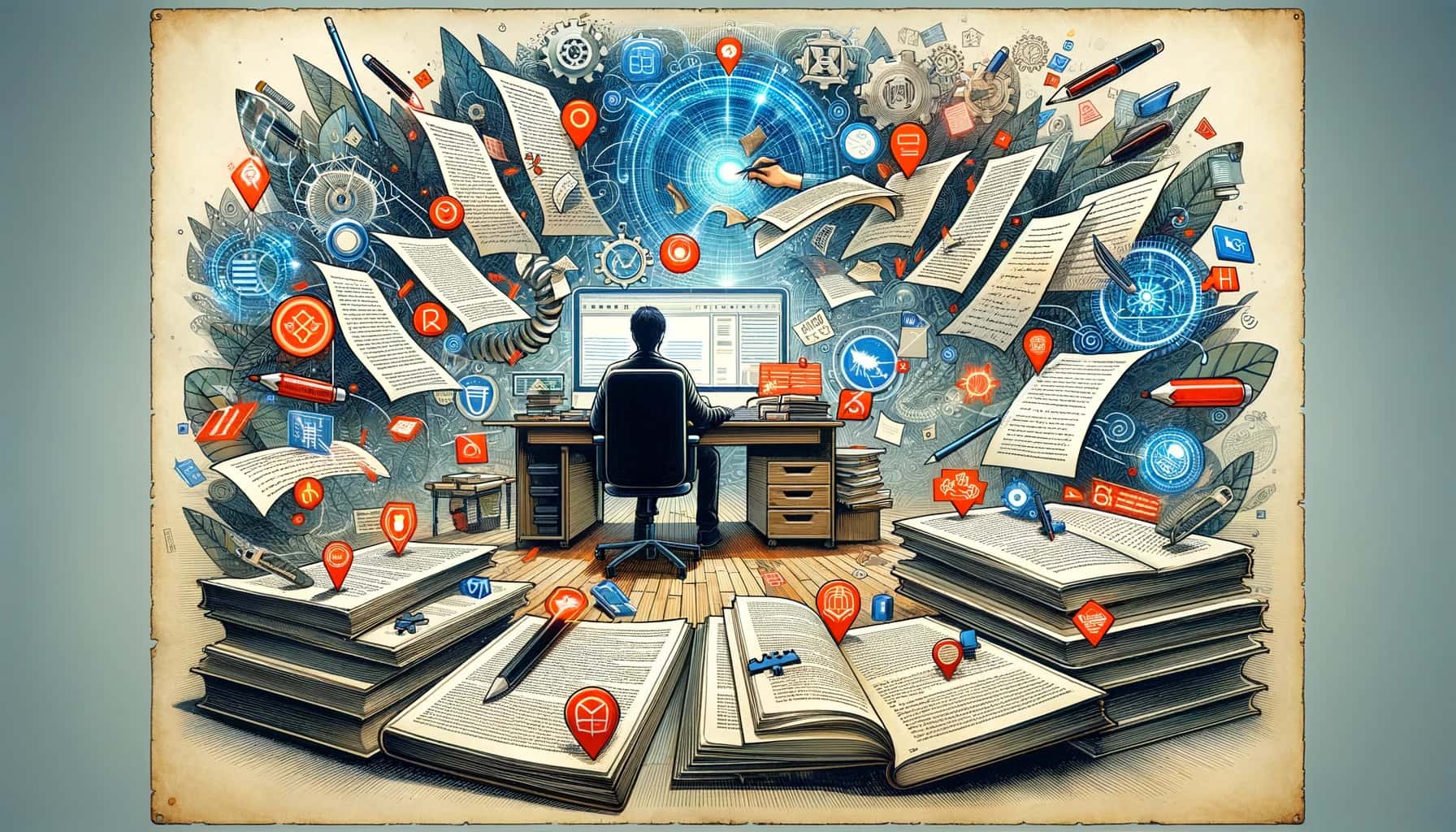
When we ask, “what does an editor do?” we’re diving into the heart of the publishing world. Editors are the unsung heroes behind the scenes, transforming raw manuscripts into polished gems that readers can’t put down.
Editors work closely with authors, providing guidance, feedback, and expertise to enhance the manuscript’s clarity, structure, and style. They’re the bridge between an author’s vision and the reader’s expectations, fine-tuning the narrative to make it engaging and accessible.
Understanding the editor’s role illuminates the collaborative effort required to bring a story to life. They do more than just correct grammar and punctuation; they shape the very essence of the manuscript, ensuring that each word serves its purpose.
What Does an Editor Do?
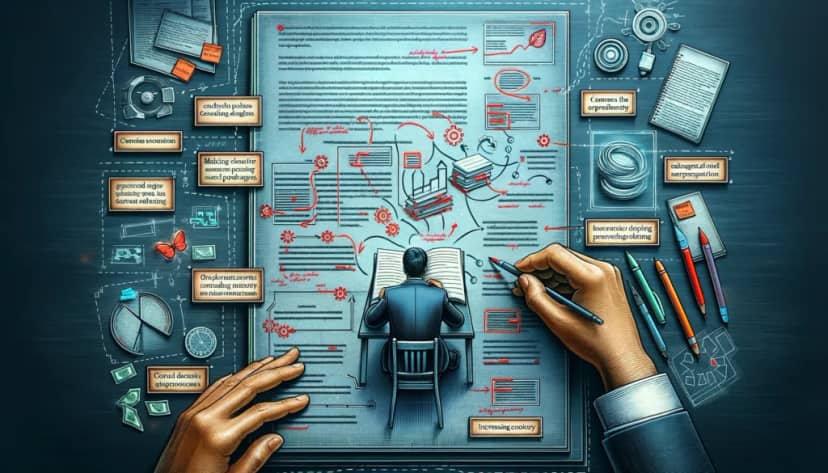
An editor’s job is to polish and refine a manuscript, making sure it’s the best it can be before hitting the shelves.
They dive deep into both the big picture—like plot, character development, and structure—and the nitty-gritty details, such as grammar, punctuation, and style.
Working hand in hand with authors, editors offer feedback, suggest improvements, and guide the transformation of a draft into a compelling, coherent, and polished piece ready for readers.
Their keen eye for detail and understanding of storytelling essentials ensure that every element of the manuscript serves its intended purpose.
Review and Assess Manuscripts
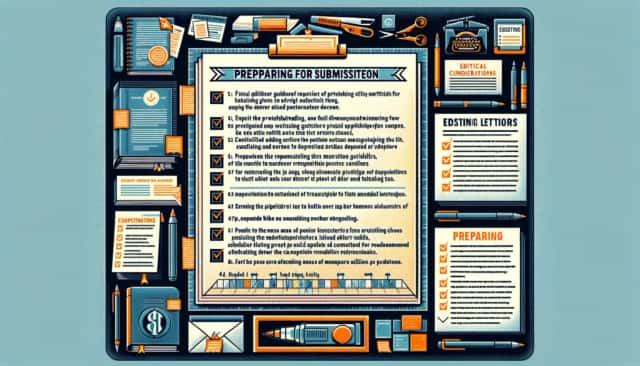
When editors first get their hands on a manuscript, they start with a thorough review and assessment. This initial step is like taking a bird’s-eye view of the landscape before zooming in on specific details.
They’re looking to gauge the manuscript’s potential for publication—does it have a captivating story, are the characters well-developed, and is the overall theme compelling?
Editors also identify key areas for improvement, such as weak plot points, inconsistent pacing, or underdeveloped characters. This stage is crucial as it sets the direction for the editing process, highlighting where the author and editor will need to focus their efforts to elevate the manuscript to its full potential.
It’s about pinpointing opportunities to enhance the story’s strengths and address its weaknesses, ensuring it has the best possible chance of resonating with readers.
Improve Content Clarity and Flow
An editor plays a key role in making sure a manuscript is clear to understand and enjoyable to read.
They might rearrange parts of the text so the story makes more sense or fix gaps in the story where readers might get lost. It’s like they’re smoothing out the path the story takes, removing any obstacles that could trip up readers.
They also work on the transitions between scenes or chapters, which is like making sure the story doesn’t jump too suddenly from one idea to another.
Good transitions are like bridges that help readers move easily from one part of the story to the next without getting confused.
Lastly, editors make sure the writing style and language are just right for whoever’s going to read the book. They tweak words and sentences to make sure everything’s engaging, which means readers will want to keep turning the page.
This could mean simplifying complex jargon for a general audience or adjusting the tone to match the story’s mood.
Their goal is to make the manuscript not just easy to read, but hard to put down.
Correct Grammar and Style
Editors are like the guardians of grammar, punctuation, and spelling in a manuscript. They go through the text with a fine-tooth comb, catching and fixing any mistakes that might distract readers or muddy the story’s message.
It’s their job to spot a misplaced comma, a misused word, or a typo that slipped through, ensuring the writing is polished and professional.
Beyond these basics, editors also make sure the manuscript follows a specific style guide. This could be a widely recognized guide like the APA or Chicago Manual of Style, or it could be a publisher’s own set of rules.
Following a style guide means making sure everything in the manuscript is consistent—how numbers are written, how dialogue is formatted, and even how certain terms are spelled.
This consistency is key; it makes the manuscript look neat and organized, and it helps prevent any confusion for the reader.
In short, editors play a crucial role in cleaning up and standardizing the text, making sure that when readers dive into the story, they can focus on the adventure without getting tripped up by errors or inconsistencies.
Collaborate with Authors
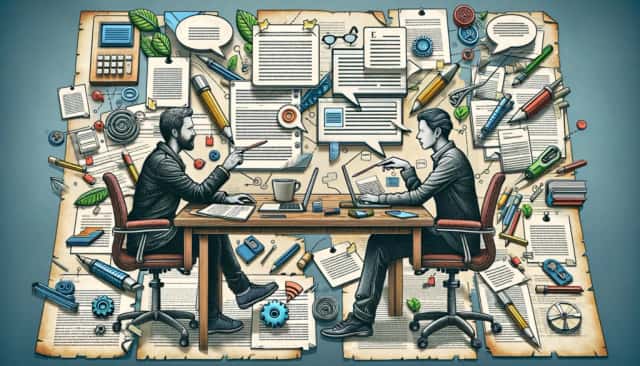
The collaboration between editors and authors is a dynamic partnership, where open communication and mutual respect are key.
Editors provide a fresh, professional perspective on the manuscript, offering constructive feedback that highlights both strengths and areas for improvement. Their role is not just to critique but to support and encourage the author’s vision for the work.
Editors suggest revisions that can range from minor tweaks to major structural changes, always with the aim of enhancing the story’s impact. They work closely with authors to refine plot points, deepen character development, and improve pacing, all while preserving the unique voice of the author.
It’s a delicate balance—like a dance where both parties move together to the same rhythm, each contributing to the performance’s success.
This collaborative process is built on trust. Authors must trust that editors have the best interests of the story at heart, while editors must be sensitive to the author’s intentions and creative choices.
Through dialogue and negotiation, they navigate the revision process together, transforming the manuscript into the best version of itself.
This partnership, when successful, not only elevates the quality of the work but also fosters professional growth for both the author and the editor.
Fact-Check and Verify Information
Editors have the important task of fact-checking and verifying the accuracy of information in a manuscript, a step that’s vital for upholding the work’s credibility and reliability.
Whether it’s a historical detail, a scientific fact, or a cultural reference, editors must ensure that every piece of information is accurate and correctly presented.
This diligence prevents the spread of misinformation and protects both the author and the publisher from potential embarrassment or criticism.
In the process of fact-checking, editors may consult reliable sources, reach out to experts, or use specialized databases to verify details.
For works of fiction, this might mean checking historical timelines or geographical locations. For non-fiction, the scrutiny is even more intense, with every claim, statistic, and reference needing corroboration.
This responsibility extends beyond just the facts; editors also check for consistency within the manuscript itself, ensuring that dates, names, and places are consistent throughout the text.
This meticulous attention to detail ensures that the final product is not only engaging and well-written but also trustworthy and authoritative.
Prepare Manuscripts for Publication
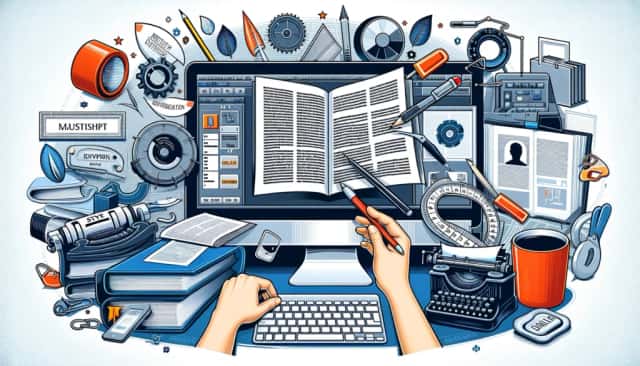
As a manuscript nears the finish line toward publication, editors engage in a series of critical final steps to ensure it’s ready for the world.
This phase is all about polishing the manuscript to perfection and making sure every technical detail is in place.
- Finalizing Layout and Design Elements – Editors work closely with layout and design teams to decide on the visual aspects of the book, such as font styles, chapter headings, and margins. This process is akin to tailoring a suit—it’s about making sure the manuscript’s presentation matches its content in quality. They may also review and approve proofs, which are preliminary versions of how the book will look when printed, checking for any layout errors or inconsistencies.
- Securing Permissions – One crucial task is ensuring all permissions for copyrighted material have been obtained. Whether it’s a quote, an excerpt, or an image, editors coordinate the process of getting the necessary rights. This step is crucial to avoid legal issues and respect copyright laws, ensuring the publication process goes smoothly without any hitches.
- Coordinating with Design and Production Teams – Editors act as the point of connection between the author and the various teams involved in bringing a book to life, including designers who create the cover and layout, and production teams responsible for the physical printing of the book. They ensure that communication flows smoothly, and that the author’s vision is maintained throughout the design and production processes.
- Final Review – Before the book is sent off for printing, editors conduct a final review. This last look is to catch any remaining typos, formatting errors, or layout issues. It’s the final quality check to ensure that the book is the best it can be, both in content and in presentation.
By meticulously overseeing these final steps, editors ensure that the manuscript not only tells a great story but also looks the part, ready to be enjoyed by readers everywhere.
Different Types of Editors
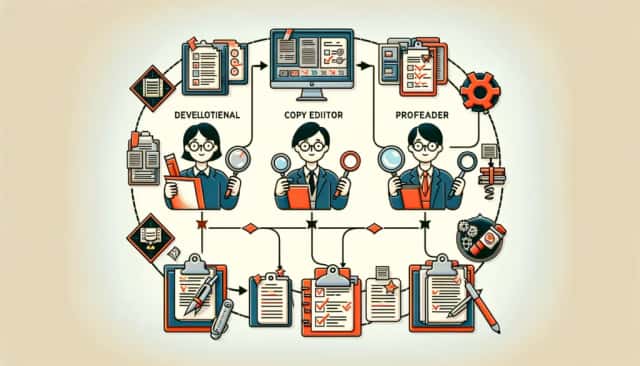
The editorial ecosystem is diverse, with different types of editors playing specific roles in polishing a manuscript.
Understanding these roles can demystify the editing process and highlight the collaborative effort required to produce a polished final product.
Developmental Editors
Think of developmental editors as the architects of the editing world. They work with the big picture, focusing on structure, plot, character development, and thematic coherence.
Their job is to help authors shape and refine their narrative, ensuring the story is strong, compelling, and well-organized.
They’re involved early in the writing process, often before the manuscript is fully drafted.
Copy Editors
Copy editors are the detail-oriented experts who dive into the manuscript line by line. They correct grammar, punctuation, and spelling errors, and ensure consistency in style and tone.
Their keen eyes catch inconsistencies in timeline, character details, and factual inaccuracies.
Copy editors also ensure the manuscript adheres to a specific style guide, making the text as clear and readable as possible.
Proofreaders
Proofreaders are the final checkpoint in the editing process. After the manuscript has been formatted for publication, proofreaders scour the text for any lingering typos, misspellings, or formatting issues that others might have missed.
Their role is crucial for catching those last-minute errors, ensuring the book is polished and ready for readers.
Line Editors
Sitting somewhere between developmental editing and copy editing, line editors focus on the author’s use of language at the sentence and paragraph level.
They suggest revisions that enhance clarity, flow, and impact, refining the prose to make it more engaging and effective.
Each type of editor brings a unique skill set to the table, working in tandem to transform a rough draft into a finished, publishable work.
Together, they ensure that every aspect of the manuscript, from overarching structure to the finest details of punctuation, contributes to a seamless and enjoyable reading experience.
Conclusion
Understanding what does an editor do reveals the depth and breadth of this crucial role in the publishing process. Editors are collaborators, strategists, and the final gatekeepers ensuring that a manuscript is coherent, polished, and ready for publication.
The role of an editor encompasses much more than correcting grammatical errors; it’s about nurturing and refining a story’s potential, ensuring that it resonates with its intended audience. Through their meticulous attention to detail and deep understanding of storytelling, editors help transform good writing into great literature, proving that their contributions are essential to the success of any published work.
FAQ
What are the duties of an editor?
The duties of an editor include reviewing and assessing manuscripts, enhancing content clarity and flow, correcting grammar and style, collaborating with authors for revisions, fact-checking, and preparing manuscripts for publication. They play a key role in ensuring the quality and readability of the final product.
What skills are needed to be an editor?
An editor needs a keen eye for detail, strong language skills, and a deep understanding of grammar and style. They also require excellent communication skills for collaborating with authors, the ability to work under tight deadlines, and a good sense of storytelling to enhance the manuscript’s overall impact.
Is it hard to become an editor?
Becoming an editor can be challenging, as it requires not just mastery of language and editing principles but also experience in the field. Many editors start in related positions, such as writing or proofreading, and gain experience through internships or assistant roles in publishing houses.
Is editing a stressful job?
Editing can be stressful due to tight deadlines, the need for meticulous attention to detail, and the pressure to improve manuscripts without altering the author’s voice. However, many editors find the job rewarding as they help shape stories and content.
Does editing pay well?
The pay for editing jobs can vary widely based on factors like location, experience, the type of editing, and the employer. Generally, experienced editors working for large publishing houses or in specialized fields may earn higher salaries.
Is editing a good career?
Editing can be a fulfilling career for those passionate about language, storytelling, and helping authors realize their visions. It offers opportunities to work on a variety of content and can be rewarding for those who enjoy refining and perfecting written work.
Is editing a talent or skill?
Editing is both a talent and a skill. Some individuals have a natural aptitude for spotting errors and improving text, but professional editing also requires a set of learned skills, including knowledge of grammar rules, editing techniques, and familiarity with different style guides.