Table of Contents
I get it—making satire clear and funny at the same time can be tricky. Sometimes, it feels like walking a tightrope, balancing humor with a message that makes people think. If you’re worried about missing the mark or not getting your point across, don’t worry—you’re not alone.
Keep reading, and I’ll show you how to write satire that hits the right notes every time. By the end, you’ll have simple strategies to craft sharp, clever pieces that entertain and make people see things differently.
In this guide, I’ll share easy tips on choosing topics, using humor wisely, and avoiding common mistakes—so your satire truly stands out.
Key Takeaways
Key Takeaways
- Effective satire clearly points out flaws or absurdity in its target, using techniques like irony, sarcasm, and exaggeration to make a strong, memorable statement.
- Know your audience and their humor preferences to craft jokes that resonate and avoid alienating readers.
- Choose timely topics that are in the news or trending to ensure your satire feels relevant and sparks discussion.
- Use media and pop culture to make your satire more relatable and shareable, especially on platforms like social media and video shows.
- Political satire can influence public opinion, promote critical thinking, and challenge misconceptions, helping society question authority.
- Be aware of cultural sensitivities to avoid crossing lines that can harm your message or offend audiences; aim for clever humor that prompts thought without unnecessary offense.
- Master techniques like irony and hyperbole carefully—exaggerate for effect but stay genuine to keep your satire sharp and understandable.
- Put wit, timing, and clear messaging together to create satire that entertains and encourages people to think differently about current events.

Understand What Makes Satire Effective
Satire works best when it clearly points out the absurdity or flaws in its target, whether that’s politics, culture, or societal norms. To do this effectively, you need a good grasp of your subject—know the details, jokes, and contradictions that highlight its weaknesses. For example, a sharp satire about politicians should exaggerate their hypocrisies but still be rooted in facts so it hits home.
Using irony, sarcasm, and hyperbole helps make your point stick. Irony involves saying one thing but meaning another, like calling out a politician for “brilliant leadership” when their actions suggest otherwise. Hyperbole, or exaggeration, can turn a minor mistake into a slice of comedy that reveals a bigger truth. Think about how late-night shows like The Daily Show use these techniques to engage viewers and make serious issues approachable.
Identify Your Target Audience and Their Sense of Humor
Understanding who you’re writing for is key. Are they political junkies, teenagers, or casual readers? Tailoring your satire to their level of humor helps ensure your message lands. For example, younger audiences may appreciate memes or pop culture references, while more mature readers might prefer witty commentary on societal norms.
Also, consider their receptiveness to different comedic styles. Some like dry, deadpan humor, while others prefer slapstick or satire that’s more provocative. Knowing your audience lets you craft jokes that resonate without alienating or confusing them, increasing the chances your satire will be shared and discussed.
Pick Relevant and Timely Topics
The most effective satire tackles topics that are currently in the spotlight. To stay relevant, keep an eye on the news, social movements, or trending political issues. For example, satirizing a recent scandal or a viral social media debate makes your humor feel fresh and purposeful.
Using timely topics ensures your satire feels urgent and connected to real-world concerns. When you combine this with sharp humor, your piece can make people think, laugh, and maybe even question their beliefs about current events. Remember, the best satire often sparks conversations that go beyond just a joke about today’s headlines.
The Role of Media and Popular Culture in Modern Satire
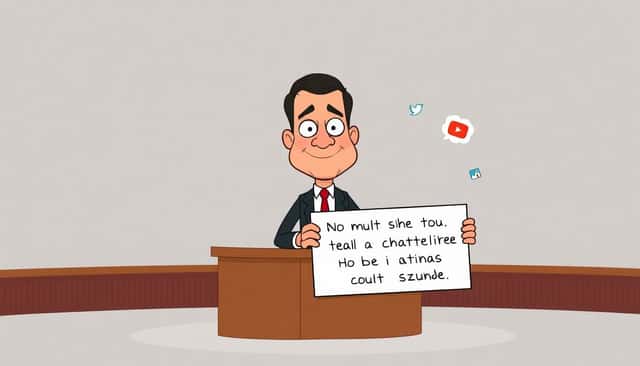
Media platforms like The Daily Show and late-night talk shows still draw millions, especially when they adapt to online views on YouTube.
They keep satire relevant by engaging younger audiences who prefer quick clips and shareable content.
Satirical content now often spreads rapidly on social media, making humor a tool for shaping public opinion.
Understanding how these outlets operate can help you craft jokes that resonate, as they often highlight current issues like toxic positivity or celebrity antics.
Using media trends in your satire gives it a punch that feels fresh and connected to viewers’ everyday lives.
The Impact of Satire on Democracy and Society
Political satire can influence how people see their government and leaders.
A 2023 study shows that satire helps build resilience against misinformation by encouraging critical thinking.
It challenges regimes that are losing legitimacy, a trend seen in countries where satire exposes corruption or hypocrisy.
Despite some claims that satire can polarize, it often sparks debate and gets people talking about important issues.
Knowing this, your satire could contribute to a healthier democracy by prompting viewers to question authority instead of accepting statements at face value.
Understanding Cultural Norms and Sensitivities
While satire thrives on pushing boundaries, it’s smart to be aware of cultural sensitivities.
Offending a group or individual can backfire and hurt your message more than help.
Pay attention to current debates about “safe spaces” and the criticism that avoiding satire limits character-building.
A good rule: poke fun without crossing into personal attacks or stereotypes that can alienate your audience.
When in doubt, aim for clever, light-hearted humor that invites thought without causing unnecessary offense.
How to Use Satirical Techniques Effectively
Master techniques like irony, sarcasm, and hyperbole, but use them with care.
For example, exaggerating a politician’s mistake can make the point clear, but overdoing it might seem less genuine.
Mix your techniques by stating something obvious ironically, then backing it up with sharp facts or real examples.
Look at examples from shows like The Daily Show for inspiration—subtlety and timing are key.
Practice by writing short pieces, then ask friends if they understand the humor without feeling judged—sometimes, the best satire is the simplest.
Conclusion: Making Your Satire Count
Effective satire combines wit, understanding, and timing to really hit home.
Keep your topics timely, your tone respectful, and your techniques sharp.
Remember that satire can play a role in shaping societal norms and encouraging healthy skepticism.
By honing your skills and paying attention to the world and media around you, you can create humor that not only entertains but also makes a difference.
Most importantly, have fun with it—laugh at the absurdity, and invite others to do the same.
FAQs
Effective satire highlights social issues through humor, irony, and exaggeration. Clear targets, sharp wit, and understanding the audience are essential to make the message impactful without offending unnecessarily.
Select topics that are timely, relevant, and provoke thought. Focus on issues your audience cares about and ensure you have enough insight to develop a humorous yet meaningful perspective.
Balance humor with sensitivity by understanding your audience and avoiding personal attacks. Focus on the subject, not individuals, and use satire to highlight issues rather than to offend.
Common mistakes include being too vague, targeting the wrong issues, or relying solely on shock value. Clear messaging, humor, and understanding your audience help prevent these errors.