LIFETIME DEAL — LIMITED TIME
Get Lifetime AccessLimited-time — price increases soon ⏳
News

Apple's Smart Glasses: A New Frontier in Wearable Tech

Updated: April 20, 2026
6 min read
#Ai tool

Table of Contents

Apple’s Smart Glasses: a new frontier in wearable tech (what we know, what we don’t)

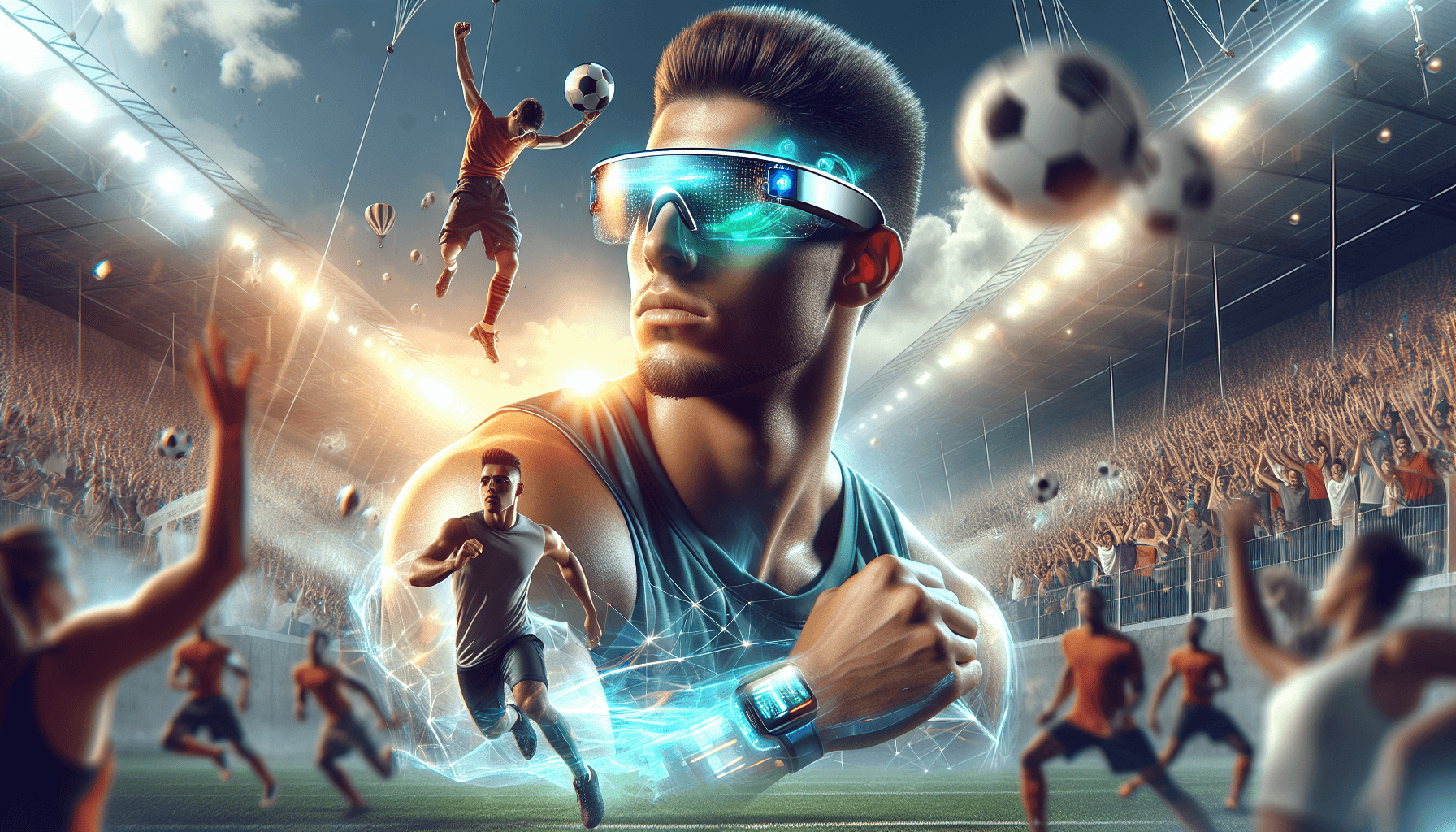
Apple smart glasses have been teased, rumored, and “almost confirmed” for what feels like forever. Still, every time a credible report pops up, I find myself asking the same question: are we looking at a real product category… or just another prototype that never ships?

In my experience, the smartest way to follow Apple’s wearables is to separate (1) what’s consistently reported by multiple outlets, (2) what Apple has actually built or filed for (chips, sensors, patents), and (3) what’s pure speculation. So let’s do that—specifically for Apple’s smart glasses and the two possible product directions that keep showing up in the chatter.

Two rumored directions: AR-first vs. “smart” glasses

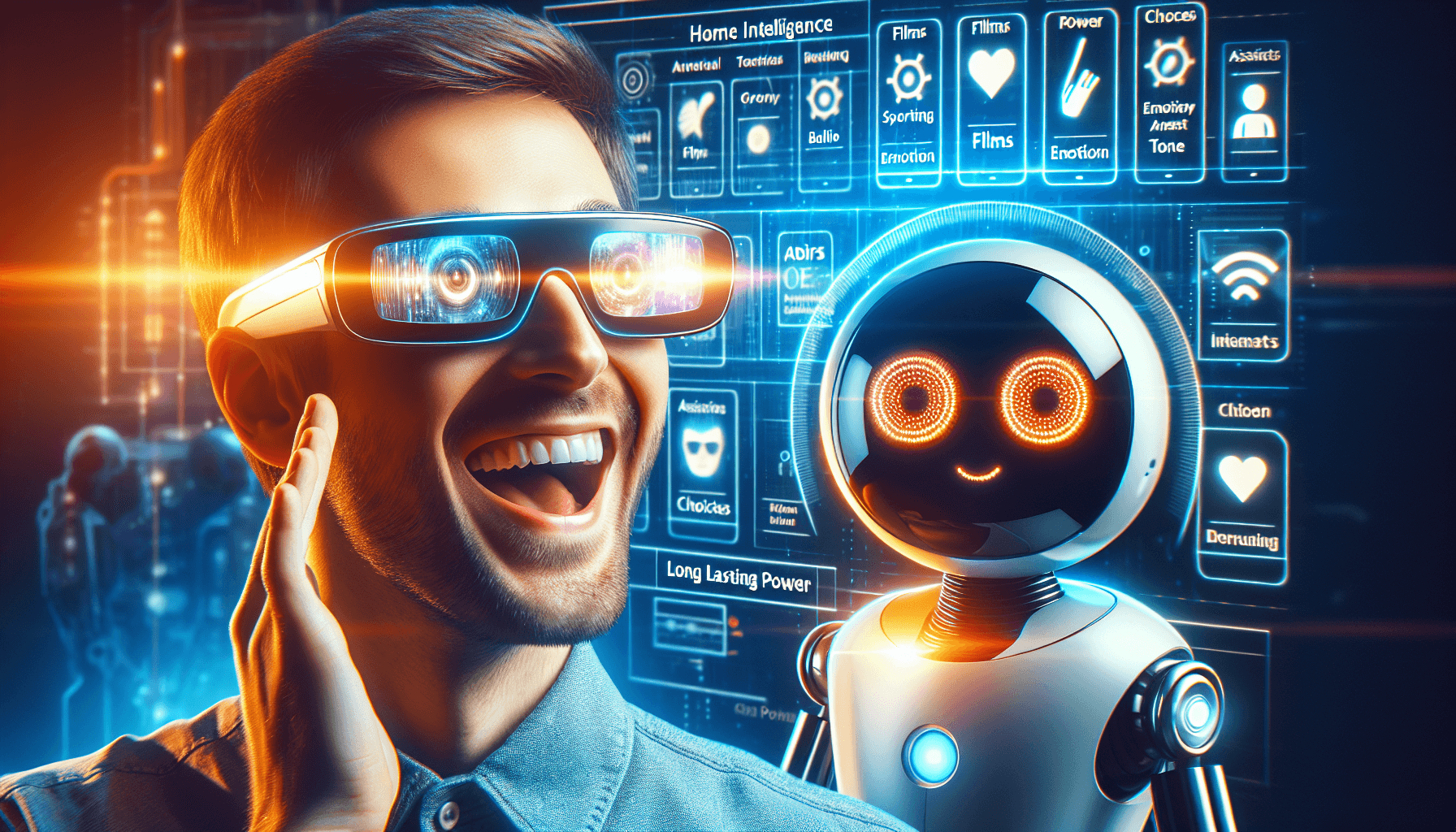
One of the more consistent themes in recent reporting is that Apple may be working on two kinds of smart glasses. One set is expected to lean heavily into augmented reality (AR). The other is rumored to be more “smart glasses” than full AR—think notifications, media controls, and lightweight on-device intelligence rather than a full-on heads-up display.

1) The AR-focused model: display + spatial computing

If Apple’s AR glasses happen, the big thing I’d be looking for is the display approach. AR wearables don’t just “show content”—they have to make it readable, stable, and comfortable. Reports like the one from The Verge have pointed toward Apple building specialized chips for these devices, which makes sense if you’re doing real-time rendering and tracking.

What would AR-first glasses likely include?

  • Spatial tracking (so the world doesn’t “swim” when you move)
  • Sensor fusion (camera + motion data to keep everything aligned)
  • Low-latency display control (because lag is nausea-inducing)
  • On-device processing (so you don’t feel like everything depends on cloud round-trips)

In other words, it’s not just “a screen on your face.” It’s an entire pipeline.

2) The simpler “smart glasses” model: practical first, flashy later

The second rumored direction—glasses that are “simply smart”—sounds less like a science experiment and more like something Apple could realistically ship sooner. I’d expect features like:

  • Hands-free notifications and quick replies
  • Media controls (music, calls, maybe camera shortcuts)
  • Contextual assistance (reminders, navigation prompts, lightweight answers)
  • Better privacy and on-device behavior than you’d get from a purely cloud-driven headset

And honestly? This is the category where I think Apple could win quickly. People don’t wake up wanting “AR.” They want their day to be easier.

Apple’s custom chips: why that detail matters

Reports suggest Apple is building special chips designed specifically for smart glasses. That’s not a throwaway line—it’s a huge signal.

Here’s why: glasses live in a brutal constraint environment. You’re dealing with:

  • Power limits (battery has to last hours, not minutes)
  • Thermals (you can’t heat up the temples and expect people to wear them)
  • Latency (especially for any AR overlay)
  • Real-time sensor processing (tracking and stabilization)

So when Apple invests in dedicated silicon, it usually means they’re trying to solve the hard parts, not just attach a display and call it a day.

What I’d compare against: Microsoft, Meta, and the “AR reality check”

Apple won’t build in a vacuum. The market already has lessons—some good, some painful.

Meta Quest / Ray-Ban Meta: strong on hardware, weaker on “everyday” integration

Meta’s ecosystem has momentum, but smart glasses that feel “normal” for most people are still tough. The biggest challenge is that AR glasses have to be effortless. If you have to constantly think about them, adoption stalls.

Microsoft HoloLens: impressive, but not a mass-market vibe

HoloLens proved that spatial computing works. It also showed how hard it is to make it mainstream—cost, comfort, and use-case fit are all real barriers.

What Apple could do differently

Apple’s advantage isn’t just tech. It’s the integration layer—iPhone, Mac, watch, and services. If Apple’s smart glasses are designed to work as a true companion (not a standalone gadget), that could be the difference between “cool demo” and “I actually wear this.”

Hands-on expectations: what to look for when Apple finally shows them

I haven’t personally worn Apple smart glasses in the way you would at a product demo (at least not yet—Apple hasn’t put them in widespread hands-on sessions). But I have watched enough launches and evaluated enough wearable prototypes to know what separates “promising” from “usable.”

When you see demonstrations—especially video—pay attention to:

  • Text readability in motion (walking, turning your head)
  • Stability of overlays (do elements drift?)
  • Comfort over 20–30 minutes (pressure points show up fast)
  • Battery behavior (what happens after the first hour?)
  • Privacy cues (when is the camera on? do you get clear indicators?)

If Apple can nail those basics, the rest of the feature set becomes easier to justify.

Timeline: when could we actually see them?

Timelines are always messy with Apple—rumors drift, priorities shift, and engineering takes longer than marketing wants. Still, the “two product lines” idea (AR-first plus simpler smart glasses) suggests Apple might be aiming for a staged rollout: something practical first, then more advanced AR later.

My take? If Apple tries to go full AR from day one, it’ll be impressive but risky. If they ship a “smart glasses” companion that gradually adds AR capabilities, they’ll have a better chance at adoption.

Developer and ecosystem angle: why it matters for smart glasses

Smart glasses won’t succeed on hardware alone. They need a developer story. Apple will likely expect apps to behave well with spatial UI, notifications, and privacy constraints.

And while this isn’t Apple-specific, it’s worth noting how fast developer workflows are changing. For example, OpenAI’s documentation on connecting GitHub to ChatGPT Deep Research highlights a trend: developers want tools that can understand their codebase and turn requirements into actionable tasks. That kind of “context-aware” workflow is exactly what teams will need when building for new device categories like glasses.

So even if you’re not coding for Apple today, watch how the ecosystem tools evolve—because the fastest app makers will be the ones who can iterate quickly with good context.

My bottom line: exciting, but the bar is higher than it looks

Apple smart glasses could be genuinely meaningful—especially if Apple nails comfort, readability, and integration with the rest of the Apple ecosystem. But let’s not pretend AR glasses are automatically going to be a mass-market hit just because the brand is Apple.

In my opinion, the winner won’t be the device with the biggest demo. It’ll be the one that disappears into your routine—quietly helpful, not constantly distracting.

If you want to keep up, the best move is to track credible reporting like The Verge’s coverage, and then wait for any official details on the chip, sensors, and display approach. Those are the real tells.

Stefan

Stefan

Stefan is the founder of Automateed. A content creator at heart, swimming through SAAS waters, and trying to make new AI apps available to fellow entrepreneurs.

Related Posts

Figure 1

Strategic PPC Management in the Age of Automation: Integrating AI-Driven Optimisation with Human Expertise to Maximise Return on Ad Spend

Title: Human Intelligence and AI Working in Tandem for Smarter PPCDescription: A digital illustration of a human head in side profile,

Stefan

ACX is killing the old royalty math—plan now

Audible’s ACX is moving from a legacy royalty model to a pooling, consumption-based approach. Indie audiobook earnings may swing with listener behavior.

Jordan Reese
AWS adds OpenAI agents—indies should care now

AWS adds OpenAI agents—indies should care now

AWS is rolling out OpenAI model and agent services on AWS. Indie authors using AI workflows for writing, marketing, and production need to reassess tooling.

Jordan Reese

Create Your AI Book in 10 Minutes