
Table of Contents
Finding the right audiobook narrator can feel like searching for a needle in a haystack. You want a voice that sounds natural, keeps people listening, and actually fits your story. And yeah—once you start looking at auditions, it’s easy to get overwhelmed fast.
In my experience, the winners aren’t always the “most famous” narrators. They’re the ones whose recording quality is clean, whose pacing is consistent, and whose delivery matches the exact vibe you’re aiming for. So let’s make this practical.
Below is the workflow I use when I’m hiring: what to define first, what to listen for in samples, how to audition multiple narrators without wasting weeks, and what to lock into your contract so you don’t get surprised later.
Key Takeaways
- Match narration style to your book’s tone (warm, edgy, comedic, formal) and your audience. I always start by defining “voice direction” before I even browse talent.
- Prioritize recording quality: listen for consistent volume, minimal noise (no hiss/clicks), clear pronunciation, and clean editing.
- Audition for delivery skills—character separation, emotional control, and scene-to-scene pacing. Don’t rely on a single “best of” demo.
- Use marketplaces like Voice123, Fiverr, and Voquent to request auditions, but be strict with your sample requirements.
- Get pricing and contract terms in writing: scope (finished hours), usage rights, revision limits, turnaround time, and what happens if the schedule slips.
- Always audition multiple narrators. Comparing 3–5 voices prevents you from “settling” and then regretting it after production starts.
- Track market trends only as they affect decisions you’ll actually make (genre demand, listener expectations, distribution formatting).
- Use targeted resources (industry casting profiles, audiobook production checklists, author communities) to vet narrators faster and more accurately.

How to Hire Audiobook Narrators for Your Project
Picking the right narrator isn’t just about finding a “nice voice.” It’s about choosing someone who can deliver your book in a way that sounds effortless to the listener—and feels right to the ear after 40 minutes, not just in the first 30 seconds.
Here’s how I approach it, step by step.
1) Define the narration “direction” before you audition.
Do you want warm and conversational, cinematic and intense, or something more neutral and documentary-like? I also write down specifics like: “slow burn tension,” “dry humor,” “gentle bedtime cadence,” or “fast, punchy pacing.” That helps you reject bad fits quickly.
2) Pick the voice type you actually need.
Think beyond gender. You might want a deep, grounded male voice for suspense, a bright female voice for YA, or a specific accent for authenticity. For example, a British accent can work beautifully for historical fiction—but only if the narrator can keep pronunciation consistent and not slip into “performing” the accent.
3) Use a real audition workflow (not vibes).
When I audition, I ask for a short custom sample that matches your scenes. Ideally you’ll get three clips that test different skills:
- Scene A (tension): a paragraph with rising stakes. Listen for pacing control and breath management.
- Scene B (emotion): a moment of grief, excitement, or apology. Listen for whether the emotion feels natural, not overacted.
- Scene C (character separation): dialogue between two characters. Listen for distinct voices and clarity—can you tell who’s speaking instantly?
If you don’t want to write custom scenes, use a small excerpt from your book (even 250–400 words) so the narrator has to respond to your tone, not just their general style.
4) Know what to expect on cost and scope.
Rates vary a lot based on experience, whether you’re buying “finished hours” (common), and how many revisions are included. In my experience, a lot of first-pass estimates land around $100–$300 per finished hour, but established narrators can be higher.
Here’s a simple way to ballpark budget: if your audiobook is 9,300 words and comes out to about 1 finished hour, that’s one “finished hour unit.” If the rate is $200 per finished hour, your narrator line item is roughly $20,000—then you still need to account for editing, proofing (if separate), and any additional revision rounds.
5) Hire with a contract that protects your timeline.
The best narrators will deliver on schedule. The contract should spell out turnaround time (for example: “first pass within X business days”), revision limits, and what counts as a revision vs. a re-record.
And yes—audition multiple narrators. I know it’s tempting to pick the first person who sounds good. But you’re hiring for the whole book, not a highlight reel.
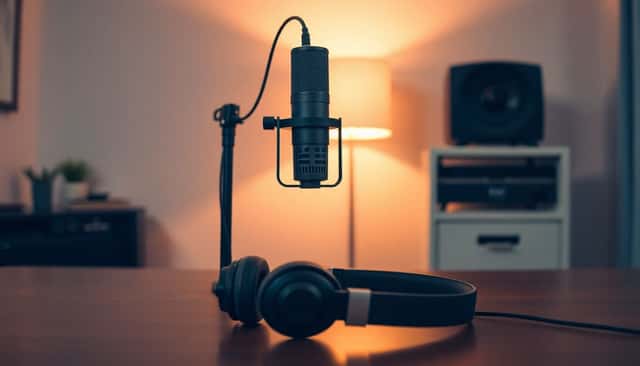
What to Look for in a Narrator’s Recording Quality and Delivery Style
Recording quality is non-negotiable. I can forgive a narrator being slightly “off” in interpretation, but I can’t forgive a noisy track or inconsistent levels. Those issues get fatiguing fast.
Here’s what I listen for in samples:
- Noise floor: is there hiss, clicks, or room tone that pops up between lines?
- Volume consistency: do they whisper and suddenly get louder (or vice versa)?
- Clarity of consonants: do words blur together, especially at faster pacing?
- Pronunciation: do they handle proper nouns and tricky words without stumbling?
- Editing quality: are there harsh cuts, weird breaths, or “mouth noise” you can hear constantly?
Now for delivery style. This is where you decide if the narrator can hold attention.
- Pacing: they should sound steady—no speeding up randomly near the end of a chapter.
- Emotional control: humor should feel timed, tension should build, tenderness shouldn’t turn into a dramatic soap opera.
- Energy without rushing: energetic doesn’t mean frantic. Overacting is just as distracting as monotone.
- Breath control: do they recover smoothly between sentences, or do you hear frequent interruptions?
One quick test: listen for the same character across multiple paragraphs. If that voice shifts in tone or volume every time they speak, you’ll feel it later during the full recording.
How to Assess a Narrator’s Versatility and Style Fit
Versatility matters—but not in the generic way people say it. What you really want is control. Can they stay consistent while still changing performance for different scenes?
For fiction:
- Can they separate characters clearly in dialogue?
- Do they differentiate emotions without flattening everything into the same “reading voice”?
- If there’s an accent or speech pattern, does it sound intentional and repeatable?
For nonfiction:
- Clarity and authority go a long way. I look for clean explanations, not dramatic acting.
- They should handle lists and transitions smoothly—no stumbling over headings or awkward pauses.
- Warmth helps, but it shouldn’t turn technical content into a “storytime” vibe unless that’s your brand.
Here’s a rule I follow: if your narrator can’t handle your hardest chapter in the audition, they probably won’t magically get better halfway through the full job.
What to ask for (so you can judge fit quickly):
- “Can you do two characters in dialogue with distinct voices?”
- “Can you match a tense scene and then a calm scene back-to-back?”
- “If the book includes names/terms, will you confirm pronunciations before recording?”
And don’t be afraid to be direct. A good narrator will appreciate clear direction and respond with professionalism.
Where to Find the Best Freelance Audiobook Narrators
There are a few places where you can reliably find audiobook narrators and audition them. I usually start with marketplaces because they make it easy to compare multiple voices quickly.
Good places to search:
- Voice123 (often strong professional profiles and demo reels)
- Fiverr (good for rapid auditions, but you still need strict sample requirements)
- Voquent (casting-style workflow and talent discovery)
When you post a project listing, don’t just say “need an audiobook narrator.” Include:
- Genre + audience (for example: “cozy fantasy for adults” or “business nonfiction for professionals”)
- Voice preferences (tone, pace, accent if needed)
- Estimated length in words or finished hours
- Your audition expectations (the three-scene test above works great)
Also ask for customized demos or sample chapters when possible. Generic reels can hide weaknesses—especially around dialogue clarity and emotional consistency.
One more option: if you want less back-and-forth, you can work with a narration agency that does the vetting for you. That can cost more, but it often saves time (and time is money).
Tips for Negotiating Payment and Contract Terms with Narrators
Negotiation doesn’t have to be awkward. It just needs to be specific. If you keep it vague, you’ll end up paying for “surprises.”
Here’s what I’d clarify before signing:
- Rate structure: per finished hour vs. per project. If it’s per hour, confirm how “finished hour” is calculated.
- Experience level pricing (typical ranges):
- Newer narrators: roughly $50–$150 per finished hour
- Mid-level professionals: roughly $150–$300 per finished hour
- Established/brand-name talent: can be $300+ per finished hour
- Revision policy: how many revision rounds are included? What counts as a revision vs. a re-record?
- Turnaround times: first delivery date and weekly/monthly pace during production.
- Delivery specs: file format, sample rate, and whether they provide production-ready masters.
- Usage rights: where the audiobook will be distributed (Audible, iTunes/Apple Books, Spotify, etc.).
- Turn-key vs. add-ons: editing, proofing, and pronunciation work—what’s included?
Sample budget example (realistic assumptions):
Let’s say your audiobook is ~9,300 words (~1 finished hour). If the narrator charges $200/finished hour, that’s $20,000. If editing/proofing is extra (common), you might add another 10%–25% depending on the workflow. If you need an accent coaching pass or extra pronunciation revisions, that can also add cost. This is why I always request a line-item quote, not just a single number.
And yes—request a sample edit or proofing pass before the full recording starts. It’s the fastest way to confirm their “final product” quality.
Why Auditioning Multiple Narrators Is a Must
Auditioning multiple narrators sounds like extra work, but it saves you from the expensive mistake: hiring the wrong fit.
In practice, I aim for 3–5 audition candidates. That’s enough to see patterns (who nails pacing, who struggles with dialogue, who has noisy recordings) without turning your project into a never-ending casting call.
What auditions reveal that demos don’t:
- Consistency over time: can they maintain energy across a full hour excerpt?
- Direction responsiveness: do they incorporate notes and adjust quickly?
- Character clarity: can listeners tell who’s speaking without guessing?
- Professional workflow: do they confirm pronunciations, ask questions, and deliver on time?
Here’s the honest part: sometimes the “best-sounding” narrator in a reel isn’t the best performer for your specific book. The audition is where that becomes obvious.
If you’re thinking, “But what if I already know the vibe I want?”—still audition. Your favorite vibe can still be delivered poorly (or inconsistently) in the context of your story.
How Market Trends Influence Your Choice of Narrator and Distribution
Trends matter, but only if they change decisions you make. What I watch isn’t random hype—it’s what affects listener expectations for the genre you’re targeting.
Here’s how to connect trends to narrator choices:
- Genre expectations: Romance listeners often want smooth, emotional delivery and consistent character voices. Thriller listeners expect pacing control and tension that doesn’t get muddy.
- Nonfiction credibility: nonfiction audiobooks tend to reward clarity and a trustworthy tone over theatrical performances.
- Distribution readiness: platforms like Audible and Apple Books reward clean production. If your narrator’s files are inconsistent, you’ll lose time fixing issues later.
On the business side, you’ll see forecasts and market stats floating around online. If you’re going to use numbers in your planning, tie them to real hiring decisions (genre targeting, production budgets, and timelines). For example, if your marketing plan relies on premium positioning, you’ll likely choose a more experienced narrator even if the per-finished-hour cost is higher.
If you’re referencing market size, tie it to your strategy. One commonly cited figure is that the market is projected to reach over USD 39 billion in 2032 (check the source details when you’re doing your own planning). The point isn’t the exact number—it’s that demand is strong enough that listeners have options, and production quality (including narration) matters.
Also, distribution economics (like royalty structures) can influence your willingness to invest. If you’re targeting a long-tail catalog release, you may prioritize consistent quality and lower revision risk. If you’re racing for a launch window, turnaround time becomes part of “cost,” not just an inconvenience.
Additional Resources and Tools for Finding and Hiring Narrators
If you want to move faster (and avoid hiring mistakes), use resources that help you vet talent and run auditions properly.
- author resources (useful for planning your publishing path so your audiobook production fits the timeline)
- Platform vetting features: on marketplaces, pay attention to profile completeness, number of completed audiobook gigs, and whether they provide proofing/editing details.
- Author communities: indie author groups can point you to narrators who consistently deliver clean audio and reasonable turnaround times.
- Production checklists: build your own “audition scorecard” (noise, pacing, character separation, pronunciation handling). It sounds nerdy, but it works.
One practical tip I swear by: keep a shortlist spreadsheet. Track each narrator’s audition notes, strengths/weaknesses, revision expectations, delivery dates, and price. When you’re tired after listening to 10 auditions, your future self will thank you.
FAQs
Clear articulation, consistent pacing, and a tone that matches your genre are the big ones. I also look for clean recording quality (low noise, good editing) and character separation if it’s fiction. A narrator who can adjust their performance for different emotions will make your audiobook feel “alive,” not just read.
Start with samples that match your book’s toughest scenes, not just the narrator’s best reel. Compare 3–5 candidates, listen for consistency, and ask about pronunciation handling and revision workflow. Reviews help, but auditions are what confirm the fit.
Usually it goes like this: post the project (or request auditions), review samples, select a narrator, negotiate terms, then record and deliver files. After that, editing/proofing happens (either by the narrator or your production team), and you finalize the audiobook for distribution.
It depends on experience, project length, and complexity. In many cases, rates can range from about $50 to $500 per finished hour. That’s why it’s smart to request a line-item quote and clarify what’s included (editing, proofing, revisions, and delivery specs).