
Table of Contents
Trying to get great media coverage for your author can feel overwhelming—trust me, I’ve been there too. Maybe you’re unsure about which media platforms fit your author best, how to pitch journalists effectively, or even handle an unexpected negative review.
But relax, you’re in the right place! Keep reading, and we’ll tackle all of that step-by-step together, covering everything from finding the ideal media outlets and pitching compelling stories, to preparing for interviews and managing feedback gracefully.
Ready to become your author’s media coverage hero? Let’s jump in!
Key Takeaways
- Choose media outlets your readers actually use, whether it’s social media like TikTok, radio programs, or online magazines.
- Spend time regularly interacting genuinely with journalists online to build authentic relationships for better responses to pitches.
- Pitch short, clear stories connecting your author or book to trending news or special angles journalists care about.
- Always prep authors well for interviews; practice main talking points and casual, relatable stories.
- Highlight appearances prominently on the author’s website and social media to attract new readers and establish credibility.
- Manage negative media professionally; respond calmly if needed or simply let it pass.
- Keep media organized online over time (dedicated website pages or playlists) so new fans can find past coverage easily.
- Measure coverage based on actual reader engagement—like completed reads or visitor actions—to decide future media targets.

Step 1: Identify the Right Media Platforms for Authors
Author media coverage refers to the process of obtaining publicity and exposure for an author’s work through various media outlets, such as newspapers, magazines, television, radio, and online platforms. This can involve interviews, book reviews, and feature articles that help increase an author’s visibility and reach a wider audience.
To really make media coverage work, you first need to focus on choosing the right outlets—the ones your audience already trusts and engages with.
Start by thinking about who your ideal reader is and where they spend their time online or offline. Are your readers young adults who hang out on platforms like Instagram and TikTok, or are they an older audience who generally prefers long-form interviews in magazines or radio programs like NPR?
Remember, authors who published their first book after 2020 are more inclined to jump on trends such as creating short engaging videos for TikTok, whereas traditionally published authors from pre-2010 prefer to stick with longer-form, evergreen video content on platforms like YouTube.
Here are a few actionable tips for choosing the right media platforms:
- Research similar authors: Check which media outlets other authors in your genre have successfully appeared on and follow suit.
- Monitor engagement metrics: In 2025, a big focus shift is happening toward article readership metrics instead of traditional impression counts, so pick outlets where articles actually get read and shared, not just clicked.
- Check journalists’ social media: Journalists often talk about their content on platforms like Twitter or LinkedIn; follow them to get insights about preferred topics and media formats.
- Use tools like Amazon KDP niche research tools or similar platforms to discover popular media outlets related to your particular book niche.
Targeting the right media from the start saves a lot of wasted time and effort, and it boosts your chances for meaningful coverage rather than a random one-time feature nobody sees.
Step 2: Build Genuine Relationships with Media Professionals
This next part may sound obvious, but it’s never just about sending pitches and releases—it’s about regularly interacting with journalists, writers, and producers who manage media coverage.
This doesn’t mean liking every single post they make online—that’s a bit creepy and won’t do you any favors. Instead, aim for authentic interactions: actually comment on their pieces, genuinely recommend their work, or congratulate them when they achieve something nice professionally.
If you show sincere interest first, your pitch emails will later stand out.
Here’s a quick step-by-step plan to begin genuine relationships with media professionals:
- Build your media list: Create a spreadsheet tracking journalists writing within your genre/theme. Include columns for their recent articles, Twitter handles, LinkedIn profiles, and articles/topics they seem to genuinely care about.
- Engage consistently: Spend a few minutes each week liking, sharing, or commenting on these journalists’ relevant articles or tweets organically.
- Support their projects: If a journalist publishes a book or needs beta readers, offer your honest help–you’d be surprised how far that gesture could go (you can learn more about it in our guide on how to become a great beta reader).
- Offer valuable help: Journalists often need good story ideas or sources outside your own work. If you can occasionally connect a journalist with a valuable insight or a reliable contact outside yourself, you’ll quickly be seen as helpful and trustworthy.
Real relationships mean better visibility and longer-lasting impact for your coverage. Journalists are more likely to respond positively (or respond at all!) when you’ve shown genuine interest beyond promoting your own work.
Step 3: Pitch Author Stories Effectively for Media Interest
A successful pitch is often more art than science, but luckily, you can learn that art pretty fast.
First, keep it concise—journalists receive hundreds of pitches each week, so yours has to stick out immediately.
Your email subject line is key. Keep it short and interesting so it grabs attention immediately (something like “Local Author Reveals Surprising Insights into City History”).
The first paragraph needs to answer the critical “what’s the hook?” question clearly and quickly. Why should the journalist or audience care right now?
Here are some practical tips for crafting compelling author pitches:
- Find a news angle: Connect your pitch to current events or popular trends. Journalists appreciate relevance and timeliness.
- Personalize each pitch: Avoid copy-paste emails. Mention something specific about the journalist’s past articles to show you’ve read their previous work.
- Include brief supporting details: After the hook, quickly add credentials or interesting facts—awards won, surprising anecdotes, or impressive achievements help make your pitch credible.
- Provide easy additional resources: Attach a professional author bio, links to your best content, high-resolution images, or an excerpt from your book to facilitate if they’re interested. If you want good examples of engaging author bios, take a look at these short author bio examples.
Real-life example: let’s say your book includes unique research methods or quirky real-world applications–highlight that unique angle first. Instead of saying, “I wrote a book about journaling,” try something engaging like, “My journaling framework helped stressed parents gain back 5 productive hours per week—here’s how.” Pitching an intriguing angle sparks interest immediately.
By following these recommendations, you’ll increase your chances of catching media attention significantly over general pitches that disappear in inboxes.
Step 4: Prepare Authors for Successful Media Interviews and Appearances
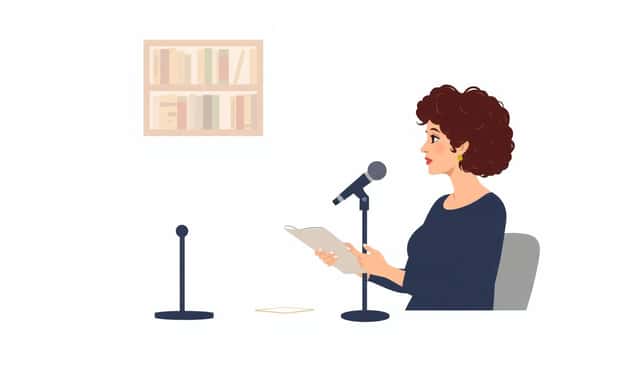
Getting your author friend into the media is great, but if they’re not prepared, that spotlight could become painfully awkward.
Don’t assume everyone knows how to handle themselves during interviews—you might have an amazing writer who’s nervous in front of a microphone.
Step one, practice talking points together. Create three clear, interesting things the author wants readers or viewers to remember.
Keeping it simple like that helps your author friend stay focused, no matter how nervous they might feel.
Next, prepare for common interview questions ahead of time. Most interviewers ask similar stuff—what inspired your book, who’s your target reader, any challenges while writing, and a summary of what’s inside.
Run quick mock interviews and encourage authors to answer honestly but keep it engaging—no boring lectures.
It’s smart to prep authors with relatable anecdotes from their book-writing experience. Short, funny, or surprising stories often stick with audiences better than facts alone.
And don’t forget practical tips:
- Remind authors to speak calmly and not rush their answers.
- Advise them to mention their website or where people can buy their book naturally within conversation.
- If on camera, remind them to smile and look engaged.
- Suggest they bring a glass of water to prevent coughing or voice breaks during the interview.
Step 5: Use Media Coverage to Boost Author Credibility and Audience Growth
Media coverage isn’t just about that brief moment in the spotlight; the real win happens afterward when used to grow credibility and readers.
First, add media logos and relevant excerpts from articles or interviews directly onto the author’s website homepage. This instantly builds trust with new visitors.
Feature media quotes prominently in your author’s social media bios. Short, powerful quotes from credible sources make an impression right away.
And speaking of websites, make sure it’s modern and professional-looking—use a reliable tool for creating author websites to get it done right.
If the author was reviewed or interviewed by notable sources, create engaging social media posts mentioning those media features and tagging the outlets. Not only does this inform your own followers, but frequently media outlets will share or engage back, further expanding reach.
Another tactic is using paid social media advertising to spread your best media features even further. For example, if you have an engaging video snippet from a TV appearance or a compelling magazine interview excerpt, putting a few dollars behind it on Instagram or Facebook can quickly boost author visibility.
Step 6: Promote Received Media Coverage on Author Social Media Channels
Did media coverage come through? Don’t just sit on it—make the most out of it by promoting widely on social media.
Since over 78% of authors use social media at least weekly, you should definitely integrate media coverage into regular posting habits.
Create short, engaging snippets of interviews or pull powerful quotes and share them with graphics or videos across different platforms. Video clips are especially effective on Instagram Reels, TikTok, or YouTube Shorts, while text-based quotes might fit perfectly into Twitter threads or LinkedIn posts.
Given the importance of content actually getting read rather than just seen, pay close attention to your post captions. A short hook to intrigue readers—something personal, funny, or surprising—can lead to better follow-through.
You don’t need to post the exact same thing across every channel. Repurpose creatively based on what people expect from each platform: more professional for LinkedIn, quick and casual on Twitter, visually appealing for Instagram.
Finally, don’t just post and forget. Respond to any comments or questions about the media feature enthusiastically—you’ll show readers you value their reactions and increase audience loyalty.
Step 7: Handle Negative Media Coverage Professionally
No one loves receiving negative press, but handling it professionally is key to coming out stronger on the other side.
Your first instinct might be to panic or argue back, but hold on—that rarely works out well. Instead, respond to negative coverage calmly, rationally, and respectfully if a response is necessary.
If facts are misrepresented, it’s totally okay (even recommended!) to clearly set the record straight—without sounding defensive or angry. Give the correct facts briefly and politely.
Is criticism of the work subjective rather than factual? Agree to disagree. Accepting respectfully different opinions shows maturity and wins you points with your audience.
If it’s minor negative press and responding would just draw more attention, it might be better to let that moment quietly fade away without response.
Finally, regroup with colleagues or friends after a negative media experience—sometimes just talking it through privately is helpful before deciding how (or if) you should respond publicly.
Step 8: Organize Author Media Coverage Content for Lasting Online Visibility
Good media appearances shouldn’t be just a passing moment; organize them so new readers can discover them months (or years!) later.
Create dedicated pages or sections on the author’s website to showcase media content. Remember to include direct links to online stories or embedded videos for easy viewing.
On YouTube or podcast channels, create playlists specifically labeled “My Media Appearances” to group content easily for followers.
If you publish regularly on platforms like Medium or Substack, occasionally mentioning past media appearances in relevant articles can bring renewed visibility over time.
Taking time to save and organize media as soon as it’s published will save you headaches later when trying to track online visibility campaigns or check reader reactions over the months.
Step 9: Measure the Success of Author Media Coverage and Refine Future Efforts
After each media campaign, review what actually worked well to improve next time.
Check metrics carefully—you don’t want just impressions (possible views), but actual reader engagement in 2025 and beyond. Look closely at stats like average read times on articles or how many people watched a video clip until the end (rather than just starting it).
See if there’s a spike in website traffic on days that media features aired or went live, then analyze if new visitors subscribed, bought a book, or took another helpful action.
You’ll also want to track if referrals from specific media outlets get more visits and engagement. Knowing exactly which media converts better helps direct your future media efforts efficiently.
Finally, ask readers directly—run occasional informal surveys via social media or newsletters asking how they first discovered your author content. Their answers might surprise you but can greatly help prioritize future promotional media coverage.
FAQs
Authors should select media platforms by matching their target reader demographics, genre, and subject expertise. Evaluating audience size, engagement levels, and alignment of editorial tone ensures they reach suitable readers and strengthen their public profile effectively.
Build trust by consistently delivering quality content, respecting deadlines, and engaging authentically. Authors should regularly communicate, offer valuable story angles relevant to the professional’s audience, and appreciate feedback or coverage received to maintain long-term relationships.
Authors should share their media appearances promptly on platforms like Instagram, Twitter, or LinkedIn, tagging outlets or reporters involved. Sharing highlights, insightful excerpts, or behind-the-scenes content will drive engagement, boost credibility, and increase visibility to their audience.
Respond to negative coverage calmly, respectfully, and objectively without becoming defensive. Authors should clarify misunderstandings if necessary, remain transparent, and showcase professionalism. Demonstrating sincerity and integrity can turn challenging situations into opportunities for positive engagement.