Table of Contents
I totally get it—podcasting sounds exciting, but actually starting can feel like a million tiny decisions. What mic should you buy? Where do you even host it? And, most importantly, what are you going to talk about week after week?
When I was getting my first podcast off the ground, the biggest relief was realizing you don’t need to get everything perfect on day one. You just need a clear plan. Do that, and the rest starts to click: you’ll set up faster, attract listeners who actually care, and feel way more confident about hitting “publish.”
Below are eight steps I’d use again if I were launching from scratch—planning through promotion—so you can build an author podcast that grows steadily instead of stalling out after episode 1.
Key Takeaways
- Get specific about your podcast’s purpose and the exact listener you’re trying to reach.
- Don’t skimp on audio—grab a solid microphone and use headphones to catch mistakes early.
- Record several episodes upfront so you can launch with momentum and encourage binge-listening.
- Use an outline or script so your episodes stay tight, clear, and easy to follow.
- Book guests who match your genre and audience, not just “interesting people.”
- Pick a realistic publishing schedule and stick to it—consistency beats bursts.
- Promote actively across social media, short-form clips, and email so people actually find you.
- Read reviews and listen to feedback. Adjust your next episodes based on what listeners are asking for.
Step 1: Decide Your Podcast Purpose and Ideal Listener
This is the part people skip. And then they wonder why their podcast feels scattered. If you take nothing else from this post, take this: your purpose + your listener should be crystal clear before you buy gear or hit record.
In my experience, the easiest way to get there is to answer a few direct questions. Do you want to entertain readers? Teach a specific skill (like plotting, character building, or worldbuilding)? Or share behind-the-scenes stuff from your books?
Once you know your “why,” your content gets easier. For example, if you write horror, your podcast could focus on creepy legends, horror writing techniques, and generating new horror story ideas. That’s not random. That’s a lane.
And don’t stop at genre. Who are they really? Think age range, reading habits, favorite authors, even their daily routines. Are they commuting? Listening while cleaning? Reading in the evenings? The more specific you get, the more natural your episode topics will feel.
Pro tip (this one helped me a lot): write a one-sentence “ideal listener” description. Something like: “An avid historical fiction reader in their late twenties who listens during their commute and loves author interviews.” When you can picture them, you’ll stop second-guessing every episode.
Step 2: Set Up Your Podcast with Quality Audio
Here’s the truth: people will tolerate a lot. A little awkwardness? Sure. A few “ums”? Happens. But bad audio? That’s a fast exit.
Podcasts are audio-first. So I’d rather you invest early in a decent microphone than spend months polishing everything else while your listeners struggle through hiss and echo.
You don’t need a fancy studio right away. A reliable mic like the Blue Yeti or the Audio-Technica ATR2100x-USB can make a huge difference. Pair it with headphones (noise-reducing if you can), and use a pop filter so your “p” and “t” sounds don’t explode into the mic.
For editing, I’ve used Audacity (free) and also Adobe Audition when I wanted more control. Either way, the goal is simple: remove background noise, even out volume, and cut the dead air.
One practical thing I always do: test in the exact space you’ll record in. Move a few feet. Try closer to the mic. Listen back for echo. If your room sounds like a gym, fix it with what you already have—blankets, rugs, curtains, even foam panels can help tame reflections.
Step 3: Plan Multiple Episodes Ahead of Launch
Record more than one episode before you launch. I know that sounds obvious, but it’s the difference between “new show” and “real show.”
When I’ve followed this approach, new listeners actually stick around because there’s enough content to binge. If you only have one episode live, most people bounce after listening once. With three to five episodes ready, they can explore your show immediately and you get a better chance at subscriptions.
Plan episodes around topics that tie directly back to your books or genre. If you’re a children’s author, your early episodes could include storytelling tips, creative kids’ book ideas, and interviews with authors who write for kids. Keep the theme consistent.
Also: give each episode a clear title and description. Add a simple bullet-point outline so the episode stays focused. If you can, include timestamps and topic headings in your show notes. This helps listeners find what they want fast—and it can improve SEO when people search those exact topics on Google.
And yes, podcast demand keeps growing. By 2026, podcast listening is expected to reach around 619 million people globally (up from about 450 million today), so the earlier you build your catalog, the more time you have to get discovered.
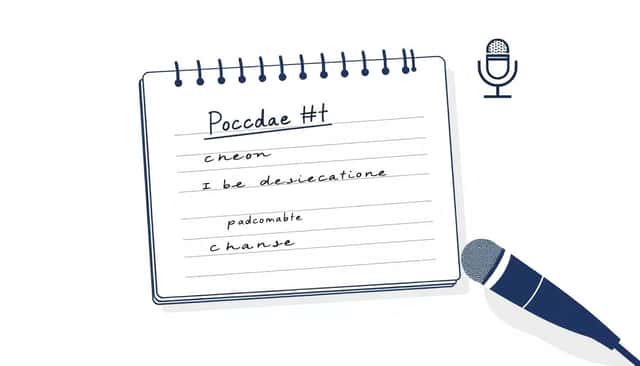
Step 4: Create an Easy-to-Follow Podcast Outline or Script
Do you need a script? Honestly? Yes—at least in outline form.
When you wing it, your episode can drift. You end up talking in circles. And listeners can tell. They don’t always know why it feels “off,” but they feel it.
Your outline doesn’t have to be word-for-word. What it needs is structure. I like to include:
- A quick opening hook (1–2 sentences). What will people get if they stay?
- Main sections (3–6 chunks). Think “5 tips” or “3 ways to…”
- Transitions (little reminders like “now let’s talk about…”)
- A clear wrap-up: summarize the key points and tell listeners what to do next (follow, subscribe, DM you, etc.)
And if you’re ever stuck on episode ideas, grab prompts. You can even try funny writing prompts for kids if your show targets younger audiences or you want a lighter segment. Prompts make it easier to stay consistent when your brain is tired.
The big win here is flow. With an outline, you’ll sound calmer, more confident, and way less like you’re improvising under pressure.
Step 5: Find Guests That Match Your Book’s Audience
Good guests do two things at once: they make the episode better, and they attract the right listeners. If you book someone random, your audience won’t feel the connection.
Start with authors in your genre. I’ve had luck reaching out on Twitter, Instagram, and LinkedIn—writers tend to respond when you keep your message short and specific.
Also consider professionals who connect to your book’s themes. Historians for historical fiction. Illustrators for children’s books. Educators for YA or nonfiction. The “match” matters.
Then widen your net: join author or reader groups on Facebook, pop into Reddit communities related to your topic, or attend local writer meetups. People already there are more likely to understand what your listeners want.
And here’s a trick I’ve used: look for people who are actively searching for something you can relate to. For example, someone searching how to publish without an agent might be thrilled to share their journey on your show.
When you invite a guest, be clear about your podcast name, your audience type, and possible discussion topics. Schedule using tools like Calendly, and send recording instructions early so you don’t end up fixing technical issues the day of the interview.
Step 6: Publish New Episodes on a Consistent Schedule
Consistency is the hardest part, and it’s also the biggest lever. I wish I could say there’s a shortcut, but there really isn’t.
When you publish on a schedule, listeners know when to expect you. That builds trust. It also helps with downloads because people come back instead of forgetting you exist.
In my opinion, one solid episode every week beats three rushed ones and then silence for two months. Weekly might be popular, but don’t force it if it breaks your workflow. Every two weeks can work great—if you keep the promise.
Tools like Anchor, Libsyn, or Buzzsprout make scheduling easy so you can batch tasks and avoid last-minute panic. And whatever schedule you choose, repeat it everywhere: your outro, your podcast description, and on your website/social posts.
Step 7: Promote Your Podcast on Social Media and Other Channels
Here’s the part nobody wants to hear: if you don’t promote, people won’t magically find you. Even the best podcast needs distribution.
What’s worked for me is turning each episode into multiple “entry points.” Create graphics with Canva or Adobe Express and post them on Instagram Stories, Twitter, and relevant Facebook groups. Keep the message clear—one episode, one takeaway.
For short-form platforms, pull highlights and turn them into clips. TikTok, Instagram Reels, and YouTube Shorts can be great for teasing your best moments. Think: a surprising line, a quick tip, a mini story.
If your audience includes professionals or educators, don’t ignore LinkedIn. It’s underrated for author content when you share something practical, not just “my new episode is out!”
Also, join communities—but don’t spam. Hang out, comment, and be helpful first. Then recommend your episode when it genuinely matches the conversation.
And yes, email still matters. If you have readers, you already have a built-in audience. A simple email with a short summary and a link can outperform you posting the same thing everywhere else.
Step 8: Check Listener Feedback and Improve Your Podcast
Listener feedback isn’t just “nice.” It’s data. And it’s one of the fastest ways to improve your podcast without guessing.
I recommend checking reviews, comments, and direct messages regularly on platforms like Apple Podcasts, Spotify, Stitcher, and even YouTube (if you’re posting there). Don’t wait for feedback to land in your inbox—actively look for it.
Ask for it, too. In your outro, you can say something like: “I’d love your thoughts on today’s topic—DM me on Instagram or leave a review.” People respond when you make it easy.
Then pay attention to patterns. If multiple listeners request shorter intros, clearer episode descriptions, or more guest prep details, take that seriously. Adjust your next episode accordingly.
When you do this consistently, your show gets sharper. You’ll also see better ratings and more repeat listeners—because you’re making the podcast match what your audience actually wants.
FAQs
Start with what your book already attracts. Look at common interests, challenges, and topics your readers care about. Then think through your readers’ demographic and what they want to get out of listening. When your listener is defined clearly, your episode ideas come faster—and your content feels more relevant.
Focus on a reliable microphone first, then headphones so you can catch issues while recording. If you need it, add an audio interface. For editing, use software like Audacity or Adobe Audition. I’d rather you buy a few solid essentials than collect random gadgets that don’t noticeably improve your sound.
Pick a release schedule you can actually maintain—weekly or bi-weekly are common, but the real goal is consistency. When listeners know your timing, they’re more likely to come back. Tell them your schedule and stick to it for steady growth.
Look for authors, influencers, and experts who align with your genre and your audience’s interests. Reach out directly through email or social media, and make your pitch specific—explain why their perspective would resonate with your listeners.