
Table of Contents
Choosing the right option among some of the best book promotion sites is essential for any author trying to market their published work. These platforms offer unique opportunities to connect with readers, increase book sales, and build an author’s brand.
With the multitude of options available, finding the right fit can make a significant difference in an author’s promotional strategy.Each book promotion site comes with its distinct set of features, pros, and cons, catering to various genres and author preferences.
Given the importance of visibility in the success of a book, selecting the right promotional platform is a critical step. The following reviews aim to provide a clear overview of some of the top book promotion sites available, helping authors to chart a course through the world of book marketing.
Best Book Promotion Sites
No matter if you are a new author or an experienced writer looking for a bit of boost on your new book, here are some of the best options when it comes to book promotion sites.
1. BookBub
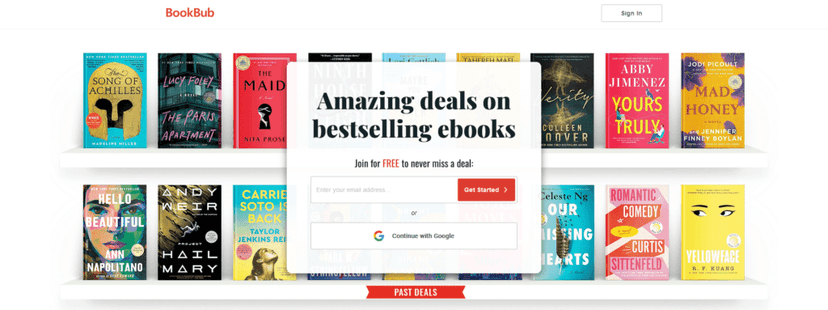
BookBub offers a bunch of cool features to help get your book noticed and bump up your sales. It’s all about using email campaigns that are super specific, targeting readers who are already into the kind of book you’ve written.
Getting your book featured in BookBub’s special deals can make a huge difference, shining a spotlight on it.
They also have options for pricing promotions to attract readers looking for a good deal, and they encourage a community vibe where readers can suggest books to each other, boosting your book through word-of-mouth.
Plus, you get to see how well your promotions are doing with their analytics.
Features:
BookBub really stands out by promoting your book through targeted email campaigns that connect directly with readers interested in your genre.
This means your advertising hits the mark, reaching people most likely to pick up your book.
It also offers the chance to get your book featured in special deals, grabbing even more attention. To help your book appeal to those looking for a bargain, BookBub supports price promotions.
Plus, it fosters a community where readers can recommend your book to others, spreading the word even further.
On top of all this, BookBub provides analytics, so you can see how effective your promotions are and get insights into improving your marketing strategies.
Pros:
- BookBub has a vast audience, which increases the chances of your book being discovered by new readers.
- The platform is user-friendly, making it easy to set up and manage promotions.
- It offers targeted promotions, ensuring your book reaches readers interested in your specific genre.
- Authors often report significant spikes in sales and downloads during and immediately after promotions.
Cons:
- The cost of promotions on BookBub can be high, potentially making it less accessible for indie authors or those with limited budgets.
- The selection process for featured deals is highly competitive, and not all books submitted will be chosen.
- While there’s a potential for increased sales, there’s no guarantee of long-term sales growth following a promotion.
I tried using BookBub to get my book out there, and setting everything up was pretty simple.
Submitting my book for a featured deal was a bit nerve-wracking because of the cost, but the chance of reaching a wider audience seemed worth it. After my book got picked and the promotion ran, I definitely saw more sales.
The analytics BookBub gave me were super useful to figure out just how much the promo helped.
But remember, keeping up your book’s sales momentum after the promo ends means you’ve got to keep on marketing.
BookBub can be a great option if you’re looking to get your book in front of more eyes and spike your sales. With its targeted approach and the community it builds, it has a lot to offer.
Just make sure you think about the costs and how competitive it is to get those featured deals.
From what I’ve seen, it’s definitely worth considering in your overall plan to promote your book.
2. Goodreads
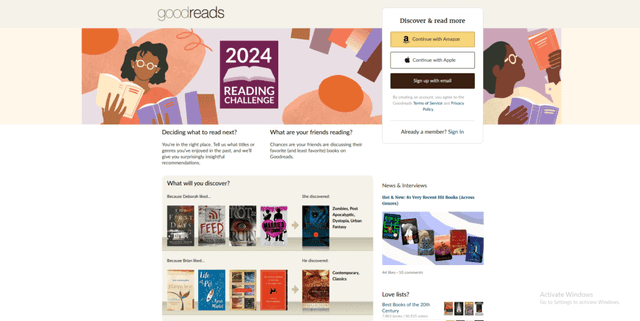
Goodreads isn’t just a place where people find new books or talk about what they’ve read; it’s also a great spot for writers to meet their readers.
It mixes social media with ways to get your book noticed, giving authors a bunch of cool tools to help their books stand out and bring people together.
Features:
Goodreads lets authors set up a detailed page about themselves, listing all their books, upcoming events, and even blog posts.
This page is where you can chat with readers and share what’s behind your stories. You can run giveaways to get folks excited about your next book and answer questions in Q&A sessions, making it feel like you’re right there with your readers.
This kind of chatting doesn’t just make your book more visible; it also helps you make a group of readers who really follow what you do.
Plus, Goodreads lets you put out ads aimed at the exact kind of readers you’re writing for, getting your book in front of the right eyes.
Pros:
- The vast user base of Goodreads provides a significant opportunity for authors to gain exposure among enthusiastic readers.
- Interactive features like giveaways and Q&A sessions enable authors to directly engage with their audience, building strong relationships.
- The advertising tools available on Goodreads allow for targeted marketing campaigns, ensuring that promotional efforts reach the most relevant audience.
Cons:
- The platform’s extensive features and large community can be overwhelming for new authors unfamiliar with digital marketing strategies.
- Competition for visibility is high, with thousands of authors vying for the attention of readers, which can make it challenging to stand out.
- Managing a Goodreads profile and actively engaging with the community requires a considerable time investment, which may be difficult for authors with tight schedules.
Jumping into Goodreads as a writer opened up a new way for me to hang out with my readers. Getting my author page set up was easy, and it turned into the main spot for all my book buzz.
The giveaways were a hit, pulling in more followers and chats on my page. Talking directly to readers in Q&A sessions made me feel closer to them and even gave me new ideas for my writing.
Sure, it took effort to keep everything going, but the chance to talk directly with readers and get my books noticed more made it all worth it.
Goodreads is a must-have for writers wanting to gather a community around their books and really talk with their readers. With its mix of chatting and advertising tools, it’s a lively place to boost your book’s profile and make real connections.
Even though it can be a bit of a challenge to stand out and keep up with everything, the chance to bring your book to more people and build a loyal group of readers is something you shouldn’t miss.
3. Reedsy Discovery
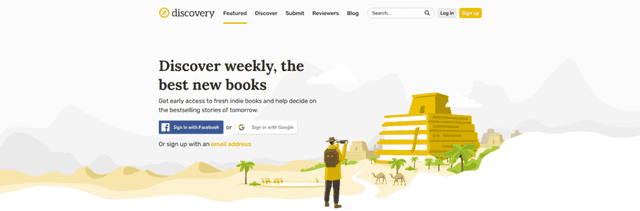
Reedsy Discovery is like a springboard for new books, giving writers a spot to show off their work to book enthusiasts who are always on the hunt for something new.
It’s special because it’s all about finding new writers and giving readers a sneak peek at what could become tomorrow’s big hits.
It aims to close the gap between writers who want more eyes on their books, whether they’re just published or about to be, and readers looking for their next favorite story.
Features:
The core of Reedsy Discovery is how you submit your book for a review by a chosen group of reviewers. This makes sure your book gets a fair chance to catch on early.
If your book gets picked, it shows up on the Discovery platform, where people get book suggestions tailored to what they like to read. Writers can also gather early reviews here, which are gold for making your book look good and drawing in more readers.
Plus, you can chat directly with readers through comments and feedback, giving you great insights and helping you build a group of loyal fans.
Pros:
- Reedsy Discovery offers a unique opportunity for authors to gain early exposure for their books, which is particularly beneficial for indie authors and those publishing their first book.
- The platform’s emphasis on curation and personalized recommendations helps in matching books with readers genuinely interested in their genres or themes.
- Early reviews obtained through Reedsy Discovery can significantly boost a book’s appeal, providing social proof and encouraging more readers to give it a try.
Cons:
- There is a submission fee, which may be a barrier for some authors, especially those who are self-publishing on a tight budget.
- The selection process is competitive, with no guarantee that a book will be featured or receive favorable reviews.
- Since the platform is relatively new and building its audience, the reach might not be as extensive as more established book promotion sites.
Trying to get your book noticed on Reedsy Discovery is an exciting step. The submission process is straightforward and designed to help you showcase your book well.
Although there’s a fee, it feels like an investment in your book’s future. Seeing your book get into the hands of reviewers and hearing what they think is a thrill.
The feedback is usually really helpful, even if the platform doesn’t have the reach of bigger sites. But the chance to engage with dedicated readers and get valuable early reviews makes it a standout option.
Reedsy Discovery shines as a fresh way for writers to get their books noticed. With its focus on matching books to the right readers and collecting early reviews, it’s a smart choice for authors ready to start spreading the word about their work.
Even though there’s a fee and no guarantee your book will be featured, the opportunity for early exposure and constructive feedback is worth considering for writers eager to jumpstart their book’s journey.
4. NetGalley
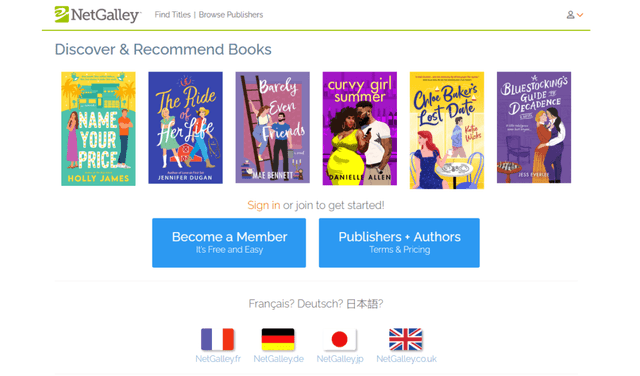
NetGalley is this cool digital spot where writers and publishers can share their books with a big crowd of book lovers before the books officially hit the shelves.
This crowd isn’t just any group of readers; it includes reviewers, librarians, teachers, and folks from the media.
The whole idea is to get people excited about the book, snag some early reviews, and hear what readers think, which can really help make a book a hit when it launches.
Features
NetGalley is great for sending out digital copies of your book to people excited about new reads in your genre.
You get to see how your book’s doing with detailed feedback and stats, like how many and what kind of book pros are checking it out. This feedback is super helpful, not just for pumping up your marketing but also for tweaking your book based on what readers say.
Plus, NetGalley has some neat tools to help you make your book more noticeable right there on their site.
Pros:
- Access to a wide range of readers and professionals who can help amplify a book’s presence through reviews and word-of-mouth.
- The ability to gather early feedback can be invaluable in making last-minute improvements to a book before its official launch.
- Increased visibility in a professional and reader community that is actively seeking new titles to explore.
Cons:
- The cost of listing a book on NetGalley can be significant, especially for indie authors or small publishers operating on tight budgets.
- There’s no guarantee that a book will receive reviews, or that the reviews will be positive, which can be a gamble for authors.
- The platform is highly competitive, with many books vying for attention, making it challenging for lesser-known authors to stand out.
Jumping into NetGalley felt like a big step, aiming to get some buzz going for my book before it officially came out.
Setting things up was pretty simple; they needed to know about the book, what it looked like, and when it was coming out. The cost seemed like a lot at first, but the chance to reach people who could really help spread the word felt worth it.
Not everyone who checked out my book left a review, but those who did really helped me fine-tune things and feel more ready for launch day.
Being on NetGalley made everything feel a bit more official as the release date approached.
NetGalley is a standout choice for getting your book out there early, especially if you’re looking to catch the eye of some key people in the book world.
Sure, the price and the competition might make you think twice, but the chance to get valuable feedback and kickstart your book’s hype could make it all worthwhile.
If you’re thinking about using NetGalley, it’s all about weighing the potential buzz against the cost and effort.
5. BookSends
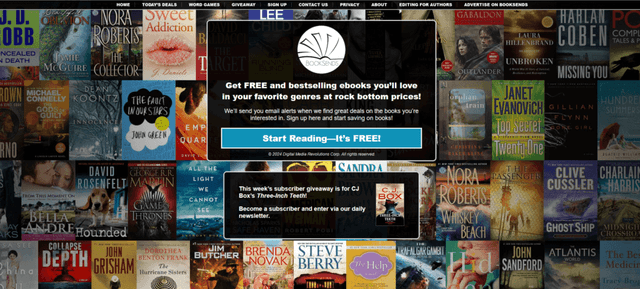
BookSends is an email marketing service just for authors who want to spread the word about their eBooks. It sends out daily emails to its subscribers, letting them know about deals on eBooks.
It’s a fantastic way for authors to get more sales, especially when they’re running promotions or offering their eBooks for free or at a discount.
Features
BookSends is really good at making sure your book gets in front of people who actually want to read it. It targets subscribers based on what they like to read, so your book promotion hits the right audience.
You can set up your book promos in advance to line up with when you’re planning to drop your prices or offer your book for free, helping you get the most out of the extra attention.
After your promo runs, BookSends gives you all the stats on how it did, so you can see just how much it helped.
Pros:
- Direct access to a large subscriber base that’s already interested in discovering new eBooks, which can significantly increase the chances of your book being noticed and downloaded.
- The targeted marketing approach ensures your book promotion reaches readers who are most likely to engage with your content.
- Authors often experience a noticeable spike in downloads and sales during the promotion period, which can also lead to increased reviews and long-term visibility.
Cons:
- The service charges a fee for book promotion, which varies depending on the genre and the type of promotion. This cost may be a consideration for authors with limited marketing budgets.
- Success on the platform can be highly dependent on genre, with some genres performing better than others, which might not align with every author’s expectations.
- As with any promotional tool, there’s no guarantee of sustained sales after the initial promotion period ends, requiring authors to have a comprehensive marketing plan.
Deciding to use BookSends to promote my eBook was about reaching their dedicated bunch of book lovers.
I picked my book’s genre and got ready for the email blast. Paying for the promo seemed like a good bet for getting my book out there.
On the day my book was featured, I saw a lot more downloads, which was pretty awesome. The spike didn’t last forever, but it led to more reviews and some readers stuck around for my later books.
The stats BookSends sent me after helped me figure out how well the promo worked and plan what to do next.
To sum it up, BookSends can be a major help for authors looking to push their eBooks. The costs and how different genres perform are things to think about, but the chance to see your downloads and sales climb might make it worth it.
My experience showed me that adding BookSends to your marketing mix could really pay off, especially if you line it up with other promo activities.
6. ManyBooks
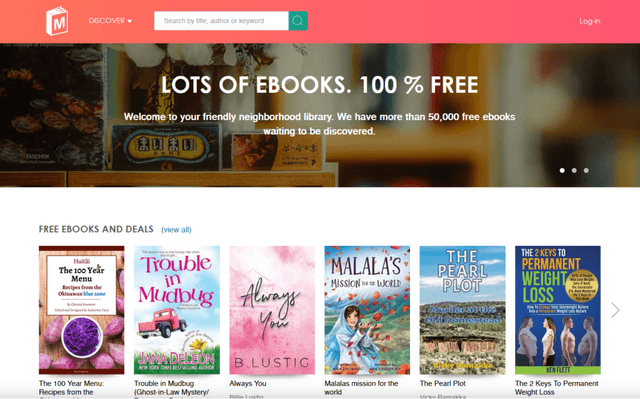
ManyBooks is like a bridge connecting writers who want to spread the word about their eBooks with readers around the world eager for new finds in all kinds of genres.
It’s all about giving authors a chance to shine and reach more people by featuring their books at low prices or even for free, perfect for readers who love a good deal or are searching for their next favorite story.
Features
One big highlight of ManyBooks is its daily newsletter, which puts the spotlight on eBook deals for a huge group of subscribers.
Writers can get their books featured in these newsletters, opening the door to a lot of new readers. There’s also a cool spot for author interviews on the site, letting writers share their stories, what drives them, and talk about their books, which adds a nice personal touch.
Plus, ManyBooks has a super user-friendly site where it’s easy to find new books by genre, dive into fresh titles, and get books straight away.
Pros:
- Extensive reach through its subscriber base, increasing the chances of discovery and downloads for featured books.
- The opportunity for authors to participate in interviews, adding a personal touch to their promotions and enabling readers to connect with them on a deeper level.
- ManyBooks offers a cost-effective promotional tool, with various options to fit different marketing budgets.
Cons:
- The platform’s effectiveness can vary depending on the genre, as certain genres may be more saturated or have a more engaged audience than others.
- While the cost is relatively accessible, the investment might not yield a significant return for every book or author, particularly if the book does not resonate with the ManyBooks audience.
- As with any promotional platform, there’s no guarantee of long-term sales or reader engagement beyond the initial promotional period.
I gave ManyBooks a shot to see if it could help get more eyes on my latest eBook, and the setup was pretty easy and clear on how to make the most of it. I got my book into the newsletter and even landed an interview, which felt extra special.
When my book was featured, I saw a nice bump in downloads, more than I expected. The chat from the interview brought some lively talks and feedback from readers.
Even though the big wave of interest was mostly during the promo, it did lead to more people following my work.
Wrapping it up, ManyBooks is a solid choice for writers looking to get their books out there and snag some new fans.
The mix of daily deals, a chance to share more about yourself in an interview, and an easy site to explore makes it a pretty sweet spot for book promos.
While how it turns out can vary by genre and how well your book matches up with readers, my run with ManyBooks brought my eBook some welcome attention and connections.
It’s a good, affordable tool to consider in your bigger plan for getting your book noticed.
7. The Fussy Librarian
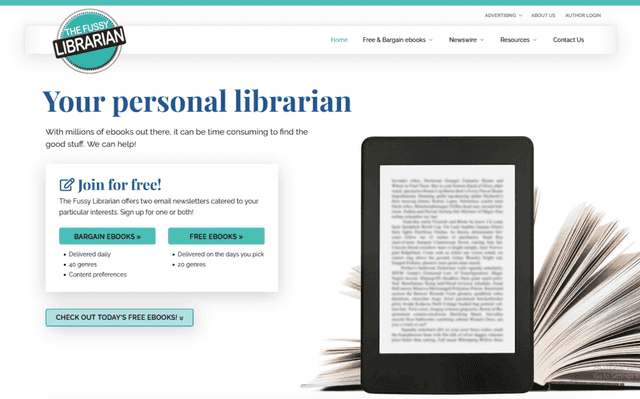
The Fussy Librarian is a book recommendation service that’s all about connecting readers with books they’ll probably love, based on what they like to read.
For writers, it’s a smart way to get their books in front of people who are most likely to enjoy them, thanks to personalized email newsletters.
This service is really cool because it’s great at finding the perfect match between books and readers who are into specific genres and types of stories.
Features
The Fussy Librarian sends out daily newsletters to folks who’ve told them exactly what kinds of books they’re into, picking from a whole bunch of genres and content preferences.
Authors can get their books into these newsletters, hitting right at readers who’ve said they like similar stuff. This means the book promos are super targeted and stand a good chance of getting people interested and buying.
On top of the email stuff, The Fussy Librarian also lets authors highlight their books on the website, giving them even more chances to catch the eye of eager readers.
Pros:
- Highly targeted promotional campaigns ensure that your book is seen by readers who have a pre-established interest in your genre or type of content.
- The service is cost-effective, offering various pricing options based on genre and promotional needs, making it accessible for authors with different budgets.
- The Fussy Librarian has a reputation for quality, which can lend credibility to your book and increase reader trust.
Cons:
- The specificity of the targeting means that the overall reach of a promotion might be smaller compared to more generalized services, potentially limiting exposure.
- There is competition for spots in the daily newsletters, and not all submissions are accepted, which can be a challenge for new authors or those with fewer reviews.
- As the effectiveness of the promotion heavily relies on matching reader preferences, results can vary significantly from one campaign to another.
Choosing The Fussy Librarian for book promotion means betting on the power of targeted marketing.
When a book lines up well with what’s popular on the platform, being featured can lead to a nice bump in sales and even pull in some new reviews. Getting everything set up is pretty straightforward, and The Fussy Librarian helps you make sure your book looks its best for potential readers.
Even though the focus is tight, finding readers who are genuinely into what you’re writing about can lead to lasting interest in your work beyond just a single promotion.
All in all, The Fussy Librarian is a standout choice for authors looking to link up with readers who will truly appreciate their books.
While it might not cast as wide a net as some other services, the depth of connection and quality of reader interest can make a big difference.
With affordable pricing and a boost in credibility from being featured, it’s a solid option for authors aiming to get noticed in their specific genre.
This approach highlights the importance of matching books with the right audience, making The Fussy Librarian a valuable tool in an author’s promotional arsenal.
8. Scribe Media
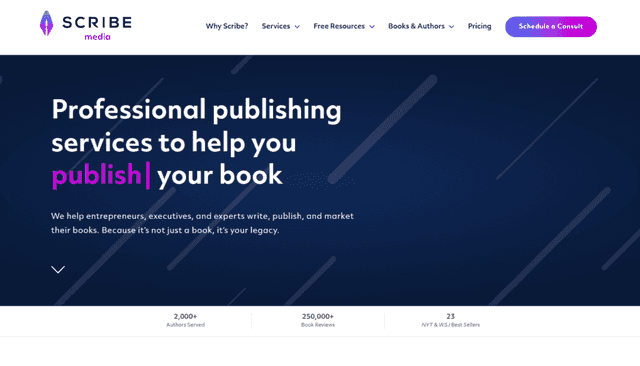
Scribe Media isn’t just about pushing books; it’s a full-package deal that helps authors write, publish, and get their books out there.
It’s perfect for folks with big ideas but maybe not enough time, writing chops, or know-how to make a book happen all on their own.
This service is all about turning thoughts into actual, hold-in-your-hand books, taking care of everything from drafting the manuscript with professional writers to handling the editing, design, publishing, and even marketing and spreading the word.
Features
Scribe Media stands out because it offers a whole journey from the first idea to a book on the shelf.
Authors get matched up with pro writers who help put their ideas into words that pop.
The deal includes everything you need to make a book look and read great, like editing, design, and getting it published to meet the top standards out there.
They also help authors hit their audience right in the sweet spot, with marketing support that can cover launching on big platforms like Amazon, setting up speaking gigs, and using social media to create buzz.
Pros:
- A comprehensive solution that takes authors from idea to published book, making it ideal for those who are serious about publishing but may be short on time or unsure of the process.
- Access to a team of professionals ensures high-quality output, from writing and editing to design and marketing.
- The personalized approach means that each book project is tailored to the author’s goals and vision, resulting in a unique and professional final product.
Cons:
- The full suite of services offered by Scribe Media comes with a significant price tag, which may be beyond the budget of many independent authors or those just starting out.
- The process requires a commitment of time and engagement from the author to ensure the book accurately reflects their ideas and vision, which might be challenging for extremely busy individuals.
- As the focus is on premium, bespoke services, the approach might not suit authors looking for more hands-on control over every aspect of the publishing process.
Choosing Scribe Media means going for a service that promises not just to get a book out there, but to do it without cutting corners on quality or getting lost in the maze of publishing.
From the get-go to the moment the book hits the shelves, the skill and professionalism of the Scribe team really shine through.
Working with a writer who gets what you’re trying to say and can express it even better than you might have on your own is a game-changer.
Plus, having a solid marketing plan in place after the book is out helps it stand out in a sea of other titles, often leading to better sales and more opportunities than going it alone might have offered.
Scribe Media is a top choice for anyone looking for an all-inclusive publishing service that delivers quality from start to finish.
It’s designed to make publishing accessible for busy professionals and entrepreneurs full of ideas but short on time or unsure about the publishing process.
Yes, it’s a bit of an investment, but the expertise, attention to detail, and promotional help it offers can be just what’s needed to take a book from a concept to a well-received, professionally published reality.
For those serious about making their mark with a book, Scribe Media could well be the perfect partner.
9. PaperTrue
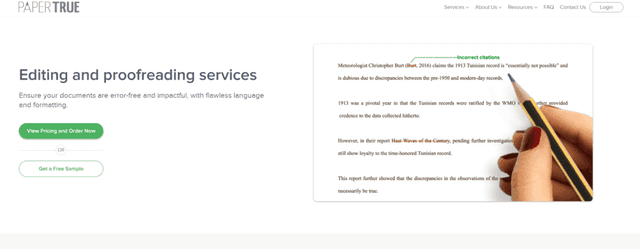
PaperTrue is a go-to spot for authors who want to make sure their manuscripts are polished to perfection before they hit the publishing scene.
It’s not your typical book promo site, but it plays a key role in getting a book ready for the big reveal.
PaperTrue shines with its dedication to making every manuscript clear, coherent, and top-notch, meeting the highest publishing standards out there.
Features
At the heart of what PaperTrue offers are its top-tier editing and proofreading services. They’re all about catching and fixing any grammar, punctuation, spelling, and syntax slip-ups, and they don’t stop there.
They also spruce up your style to make sure your manuscript not only reads well but grabs attention. The editors don’t just mark up what’s wrong; they give you feedback on how to make your writing stronger, clearer, and more compelling.
Plus, if you need your manuscript’s layout to look a certain way for industry standards or a specific publisher, PaperTrue’s got your back with formatting services, too.
Pros:
- High-quality editing and proofreading can significantly improve the readability and professionalism of a manuscript, increasing its chances of success.
- Constructive feedback from experienced editors provides valuable insights that can help authors grow and improve their writing skills.
- Tailored formatting services save authors time and ensure that their manuscript adheres to professional standards, making the publication process smoother.
Cons:
- The cost of professional editing and proofreading services can be a significant investment, particularly for independent authors or those working with a limited budget.
- While PaperTrue’s services enhance the quality of the manuscript, authors must still navigate the complexities of publishing and promotion on their own, as the platform does not offer direct publishing or book marketing services.
- The turnaround time for editing and proofreading can vary depending on the length and complexity of the manuscript, requiring authors to plan ahead to accommodate these timelines.
Getting your manuscript ready with PaperTrue is all about making sure it’s shining bright and ready for readers’ eyes. From the get-go, they lay out the process clearly, so you know exactly what to expect.
The detailed edits and suggestions do more than just polish up your work; they actually help you get better at your craft, giving you insights into how to make your writing hit just right.
Investing in this kind of quality isn’t small change, but the way it transforms your manuscript is totally worth it.
Having a manuscript that’s been professionally edited makes the whole publishing path smoother and boosts your confidence when it’s time to share your book with the world or self-publishing sites.
PaperTrue steps in at a crucial moment for authors, providing top-notch editing and proofreading that’s about more than just fixing mistakes—it’s about elevating your manuscript to meet the highest standards before anyone else sees it.
They might not get into the book promotion game, but the role they play in getting your book publication-ready is huge.
For any author wanting to make a real impact with their work, putting your manuscript through the expert hands at PaperTrue is a key step on the road to publishing success.
10. Written Word Media
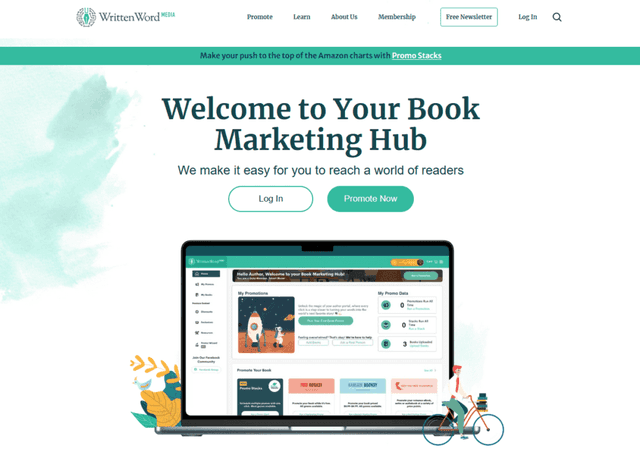
Written Word Media is a valuable partner for writers and publishers aiming to get their books out there and grab the attention of keen readers.
With a suite of book promotion and marketing platforms like Freebooksy, Bargain Booksy, NewInBooks, and Red Feather Romance, it offers specialized spots for different kinds of book lovers.
This setup means authors can pinpoint their promotional work to hit the right audience, making sure their book lands in the hands of readers who are really into their genre.
Features
The big deal with Written Word Media is how it breaks down its promotional services to cover different parts of the book market.
Freebooksy is all about getting the word out on free eBooks, perfect for authors looking to ramp up downloads and get noticed. Bargain Booksy targets readers scouting for eBook deals, while NewInBooks shines a spotlight on the latest releases across all sorts of genres. For the romance fans, there’s Red Feather Romance.
Each of these platforms offers email blasts, social media promotion, and spots on their websites to make sure books get seen by the folks most likely to read them.
Pros:
- Targeted promotion across various reader segments increases the likelihood of reaching interested readers, enhancing book visibility and sales.
- The range of platforms under Written Word Media allows authors to choose the most suitable promotional strategy based on their book’s genre and pricing strategy.
- Authors have reported significant spikes in downloads and sales following promotions, with some also seeing an increase in reviews and long-term reader engagement.
Cons:
- The cost of promotion packages varies across the different platforms and can add up, especially for authors planning multiple promotions or targeting several genres.
- Due to the popularity of these platforms, securing a spot for your book promotion can be competitive and requires planning in advance.
- While effective for boosting visibility and sales in the short term, authors need to employ additional marketing strategies for sustained success.
Opting for a targeted campaign on Bargain Booksy for a mystery novel led to a noticeable spike in sales and downloads, surpassing initial expectations.
This exposure wasn’t just a flash in the pan—it also helped gather more reviews, aiding the book’s long-term standing on sales platforms.
Balancing the budget for this kind of promotion took some doing, but the payoff in exposure and sales was well worth the effort.
Written Word Media hands authors a powerful set of tools for getting their books in front of readers who will genuinely appreciate them.
Its focused approach means your promotional efforts are more likely to hit the mark, boosting the odds of your book’s success.
While there’s a cost to consider, the potential for increased visibility, downloads, and sales offers a compelling reason to consider Written Word Media as part of your book marketing plan.
11. Greenleaf Book Group
Greenleaf Book Group is like hitting the sweet spot in the publishing world, blending the best parts of traditional publishing with the independence of going it solo.
Authors get to keep the reins on their creative vision and rights but still tap into top-notch publishing services and get their books out through all the right channels.
Greenleaf shines when it comes to getting books on shelves and screens everywhere, from big-name bookstores to libraries and online retailers, making it a go-to for authors aiming to spread their stories far and wide.
Features
Greenleaf rocks the publishing scene with everything an author needs, from editing and making the book look pretty to getting it printed, out there, and talked about.
They’ve got a killer distribution network that puts books in front of eyeballs across major sales spots, ensuring authors’ works don’t just get published—they get noticed.
Plus, they’re all about giving authors a leg up in marketing, offering guidance through the maze of book promotion, whether that’s mastering social media or setting up signings and media spots.
Pros:
- The hybrid publishing model offers a best-of-both-worlds approach, giving authors professional publishing and distribution services while allowing them to retain rights and creative control.
- Access to Greenleaf’s extensive distribution network can significantly enhance a book’s visibility and availability across key sales channels.
- Personalized marketing support helps authors develop and execute effective promotion strategies, increasing the chances of commercial success.
Cons:
- The cost of Greenleaf’s services, including publishing and marketing packages, may be higher than some authors expect, especially when compared to self-publishing options.
- The selective nature of Greenleaf’s model means that not all projects are accepted for publication, which can be a limiting factor for some authors.
- While providing a high level of service, the process can be more time-consuming than traditional self-publishing, requiring authors to be prepared for a longer journey from manuscript to market.
Linking up with Greenleaf Book Group is a move made by those drawn to its solid rep for quality and an impressive knack for getting books into prime spots.
The full-service approach smooths out the publishing journey, backed by the thrill of seeing your book hit the big time in bookstores and online.
Marketing takes a team effort and some extra investment to really shine, but the boost it gives your book’s debut can make all the difference.
Greenleaf Book Group hits the mark for authors looking for a mix of traditional backing with the freedom of self-publishing.
With its standout distribution and marketing game, it’s especially appealing for those set on making a splash with their work.
Though the costs and selective nature of Greenleaf’s services might give some pause, the payoff in terms of reach, visibility, and the professional polish of your book can make it a smart choice for authors ready to invest in their publishing success.
12. Elite Authors
Elite Authors steps in as a lifeline for authors diving into the self-publishing world, offering a full package of services to ease the publishing journey.
This platform stands out for its commitment to providing a start-to-finish solution, handling everything from giving manuscripts a final polish to ensuring books catch eyes in the market.
It’s the go-to for both newbies and seasoned authors looking for a way to bypass the usual hassles of publishing, letting them keep their focus sharp on crafting stories while the platform takes care of the heavy lifting of making those stories public.
Features
Elite Authors packs a punch with services that touch on every part of getting a book from draft to reader hands. Their professional editing makes sure your manuscript is spotless and reader-ready.
They don’t stop at making your words shine; they also offer custom book design services to ensure your book looks as good as it reads, standing out in the sea of other titles.
With eBook conversion, they’ve got you covered on all digital fronts, ensuring your book is accessible wherever readers prefer to turn pages digitally.
And when it’s time to sell, Elite Authors’ distribution and marketing support aim to get your book noticed by book lovers everywhere, online and off.
Pros:
- Comprehensive services eliminate the need for authors to juggle multiple vendors or freelancers, streamlining the publishing process.
- The emphasis on professional quality, from editing to design, ensures that books meet industry standards and appeal to readers.
- Marketing and distribution support helps authors overcome one of the biggest challenges in self-publishing: visibility in a competitive market.
Cons:
- The full range of services, while convenient, can represent a significant investment, which might be a consideration for authors on a tight budget.
- While Elite Authors offers personalized support, authors might find the process less hands-on than managing each step of publishing independently.
- The platform’s broad approach may not cater to authors seeking highly specialized or niche market services.
Deciding to go with Elite Authors for the self-publishing journey was all about their promise to make publishing smooth and stress-free, and they totally lived up to that.
The editing wasn’t just thorough—it made my manuscript shine without losing my unique voice. Working with their design team was a real collaboration, leading to a book cover that perfectly reflected my book’s core.
And when it came to getting my book out there, their distribution tactics took my book’s reach to levels I couldn’t have hit on my own.
Sure, putting money into Elite Authors was a big move, but the payoff was clear in the standout quality of the final book and how much more time I had to focus on writing.
Elite Authors stands out as a top pick for any author wanting a do-it-all, professional route to self-publishing.
They’ve got everything covered from the moment you have your manuscript ready to when it’s time to get it into readers’ hands, all supported by a crew of pros from the publishing world.
Although the price and the more hands-off experience might not be for everyone, for authors aiming for an all-around service that ensures their book not only meets but exceeds professional standards and finds its audience, Elite Authors is worth considering.
13. Bookishelf
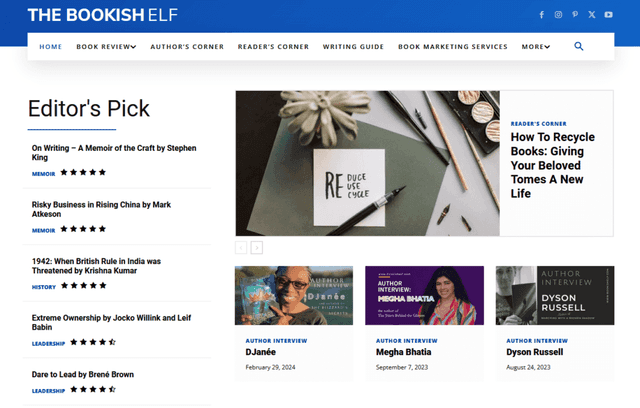
Bookishelf is like a treasure trove for book lovers and a goldmine for authors and publishers wanting to shine a spotlight on their work.
It’s all about linking up eager readers with the newest and most intriguing reads out there across a variety of genres.
For authors aiming to get their books noticed, Bookishelf offers a sweet suite of options, from getting your book reviewed to landing a spot in an author interview or even snagging a guest post.
Features
What really makes Bookishelf stand out are its deep-dive book reviews, which offer readers a thorough look at what to expect from a book—everything from its themes to the vibe of the whole reading experience.
Authors have the chance to put their books in front of Bookishelf’s dedicated readers by submitting them for review, which can be a big win for getting noticed.
On top of reviews, the platform dishes out other ways to get the word out, like through author interviews, guest posts, and special features that let authors tell the story behind the book and chat directly with potential fans.
Pros:
- The platform’s focus on quality reviews and recommendations can significantly enhance a book’s credibility and appeal to readers.
- Promotional features like author interviews and guest posts offer personalized ways for authors to connect with readers, beyond traditional advertising.
- Bookishelf’s targeted audience of book enthusiasts ensures that promotional efforts are reaching readers with a genuine interest in discovering new books.
Cons:
- The selection process for book reviews and promotional opportunities can be competitive, with no guarantee that all submissions will be accepted.
- While the platform provides valuable exposure, the effectiveness of promotional efforts may vary depending on the genre and the specific interests of Bookishelf’s audience.
- Authors may need to actively engage with the platform and its community to maximize the benefits of their promotional efforts, requiring time and dedication.
Promoting a novel on Bookishelf turns out to be a smart move for authors aiming to connect with a community passionate about books.
The submission process for book reviews is clear-cut, and securing a spot for an author interview offers a special chance to dive into the story behind the book and engage directly with readers.
The exposure and feedback received from Bookishelf play a crucial role in sparking interest in the novel and drawing in new readers.
Although it’s just one piece of a larger marketing puzzle, the distinctive promotional opportunities Bookishelf provides can significantly boost a book’s visibility.
Bookishelf stands as a crucial platform for authors and publishers looking to get their books in front of an enthusiastic audience.
With a focus on delivering insightful book reviews and a variety of promotional activities, it creates space for authors to highlight their work and interact with potential readers in a meaningful way.
Despite the challenges that might come with the competitive environment for book reviews and promotions, the chance for greater exposure and connecting with a dedicated community of book lovers makes Bookishelf an attractive option for authors aiming to widen their audience and engage with readers who are eager to discover new books.
14. Ghost Book Writers
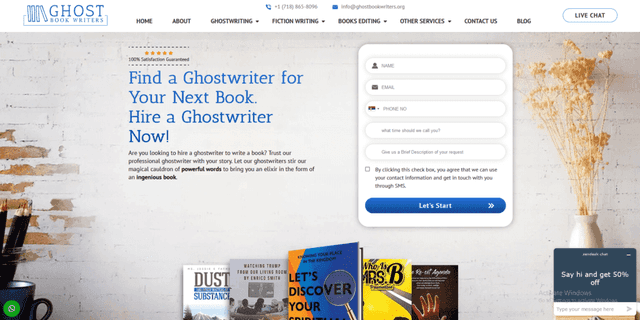
Choosing Ghost Book Writers is a game-changer for anyone with a story or expertise to share but maybe doesn’t have the time, skill, or desire to write it all down.
With a broad palette of genres from fiction to non-fiction and more, they’ve got everything covered: ghostwriting, editing, getting the book published, and even marketing it.
Features
The heart of what Ghost Book Writers offers is ghostwriting, where seasoned writers team up with clients to create a manuscript that truly reflects what the client wants to say, in the tone they want to say it. But they don’t stop there.
They polish up these manuscripts with top-notch editing, guide clients through the publishing maze, whether that’s going traditional or self-publishing, and even kick into gear with marketing services to make sure the book gets the spotlight it deserves once it’s out.
Pros:
- Ghostwriting services allow authors to tell their stories or share their knowledge without the need to write the book themselves, saving time and ensuring a professional outcome.
- A comprehensive range of services from writing to marketing provides a one-stop solution for authors, simplifying the book creation and promotion process.
- Working with experienced writers and editors ensures high-quality content that is tailored to meet the client’s goals and audience expectations.
Cons:
- The cost of ghostwriting and full-service packages can be significant, making it a considerable investment for many aspiring authors.
- Some authors may find it challenging to convey their vision and voice to a ghostwriter, requiring a high level of communication and collaboration to achieve the desired outcome.
- Reliance on a third party for the writing and creative process may lead to concerns about the authenticity and originality of the final product.
Ghost Book Writers steps in as a powerhouse for those looking to put their name on a book without diving into the writing part themselves.
Their all-in-one approach, from the writing desk to the reader’s hands, offers a smooth path for turning ideas into published works.
While the cost is something to weigh, the value of leaning on a crew of experts to navigate the book’s journey—and the standout quality of the work they produce—often makes the investment worth it.
For folks mulling over the idea of becoming authors without the writing hassle, Ghost Book Writers presents itself as a professional and reliable choice.
15. Smith Publicity
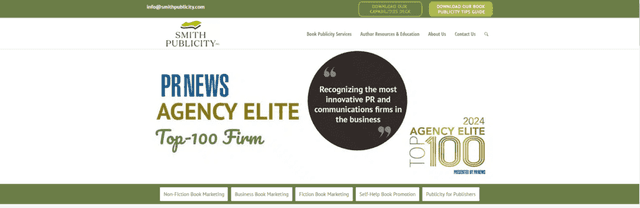
Teaming up with Smith Publicity gives authors a major boost, thanks to their knack for getting books and authors noticed.
With a hefty track record spanning over two decades, they’ve made a name for themselves by pushing the envelope in book marketing, helping both indie authors and traditionally published ones get the spotlight they deserve.
Their blend of old-school grit and cutting-edge strategies means visibility, a solid author brand, and ticking sales numbers are all part of the package.
Features
Smith Publicity offers an array of marketing services tailored to authors’ specific needs and goals.
These services include media outreach to secure coverage in print, broadcast, and online channels, social media marketing to engage with readers directly, book tours and signings to foster personal connections with audiences, and strategic book launches to maximize impact.
Their team works closely with authors to identify the most effective channels for promotion, leveraging their extensive network of media contacts and industry expertise to gain significant exposure for books and authors.
Pros:
- Proven track record of successful book marketing campaigns that have resulted in increased visibility and sales for authors.
- Personalized approach to marketing, ensuring that strategies are aligned with authors’ goals and the unique appeal of their books.
- Extensive network of media contacts and industry relationships, providing authors with opportunities for significant exposure across various platforms.
Cons:
- The cost of engaging a full-service book marketing firm like Smith Publicity can be a considerable investment, potentially beyond the reach of some authors, especially those who are self-published or early in their careers.
- The effectiveness of marketing efforts can vary depending on the genre, market trends, and the inherent appeal of the book, with no guarantee of specific outcomes.
- The comprehensive nature of the services requires authors to place a significant amount of trust in the firm’s strategies and execution, which may not align with all authors’ preferences for involvement in the marketing process.
Choosing Smith Publicity offers authors a robust avenue to boost their book’s success. Right from the beginning, the Smith Publicity team showcases a deep grasp of the book marketing world, piecing together a plan that meshes well with an author’s goals.
The campaigns they launch are rich and varied, ranging from media outreach that clinches interviews and spotlights in prominent outlets to dynamic social media strategies that ramp up engagement with readers.
Though the commitment requires a notable investment, the broadened visibility and new doors it opens for both the book and the author’s brand prove its value.
Smith Publicity emerges as a top pick for authors in search of expert, all-around marketing services for their books.
Their seasoned knowledge and customized promotion strategies significantly uplift an author’s presence and impact in a bustling book market.
The necessity for a substantial investment and dependence on their strategies might be daunting for some authors, yet the remarkable advantages of collaborating with an experienced firm like Smith Publicity present a strong case for authors ready to make a substantial move for their book’s outreach.
16. Friesen Press
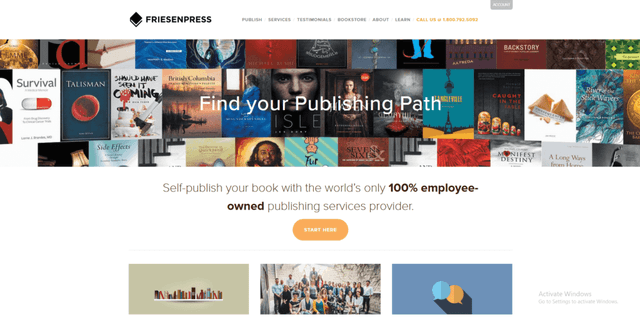
Friesen Press is a standout choice for authors aiming to self-publish with a professional touch.
Offering a spectrum of services from book design and editing to distribution and marketing, Friesen Press emphasizes quality and author autonomy, ensuring that authors steer their publishing journey while achieving their goals.
This service is tailored for both newcomers and seasoned authors, simplifying the self-publishing process and maintaining authors’ full rights over their work.
Features
Friesen Press provides a suite of services designed to cover all aspects of the self-publishing journey. Their offerings include professional editing to polish manuscripts, custom book design to create visually appealing covers and interiors, and various publishing packages that cater to different needs and budgets. They also offer distribution services that ensure books are available in major online bookstores, including Amazon and Barnes & Noble. Additionally, Friesen Press provides marketing and promotional support, helping authors devise strategies to promote their books effectively.
Pros:
- A wide array of services ensures that authors have access to professional quality publishing support from manuscript to market.
- Authors maintain full rights to their work, giving them complete creative and financial control over their publishing journey.
- The availability of different publishing packages allows authors to choose a service level that fits their specific needs and budget.
Cons:
- The cost of comprehensive publishing packages can be significant, potentially putting professional self-publishing services out of reach for some authors.
- While Friesen Press offers marketing and promotional support, the effectiveness of these efforts largely depends on the author’s engagement and additional investment in marketing activities.
- The breadth of services and options can be overwhelming for first-time authors, requiring careful consideration and possibly external advice to make informed decisions.
Opting for Friesen Press equips authors with the necessary tools and support for a professional self-publishing experience.
The quality editing and custom design services transform manuscripts into polished, market-ready books, while distribution ensures wide availability.
Although effective marketing requires author initiative and possibly more investment, the overall quality and comprehensiveness of Friesen Press’s services offer a valuable route for authors dedicated to achieving professional standards in their self-publishing efforts.
Conclusion
Trying to choose the best book promotion sites reveals a plethora of options designed to support authors at every stage of their marketing journey. Whether you’re an indie author on a tight budget or a published author looking to expand your reach, there’s a platform suited to your needs.
Ultimately, the effectiveness of your book promotion hinges on choosing a site that aligns with your goals, audience, and genre. By leveraging the strengths of these platforms, authors can enhance their visibility, connect with readers, and pave the way for their book’s success.