Table of Contents
Book podcasts can be weirdly hard to sort through. I mean, you search “book podcast” and suddenly you’ve got 200 options, half of them not really about books, and the other half promising the moon. So yeah—I get why you’d feel stuck.
What I did (and what I recommend you do) is start with your listening goal. Are you trying to find your next read? Want classics and backlist gems? Looking for author interviews? Or do you just want something entertaining that still feels bookish?
Below is the shortlist I’d actually put on my own queue for 2026. I’m focusing on shows that are consistent, recognizable in their format, and useful whether you listen for 15 minutes a day or you binge on weekends.
And if you’re wondering where to start: “What Should I Read Next?” is great when you want personalized-feeling recommendations, while “Backlisted” is the move when you want classics (and the kind of “wait, I didn’t know about this one” discoveries).
Key Takeaways
Key Takeaways
- Not all book podcasts are the same—some are recommendation-first, others are criticism-heavy, and some are pure entertainment.
- “What Should I Read Next?” is built around reader taste and follow-up questions, so the suggestions feel targeted instead of random.
- “Backlisted” is ideal if you want older books and overlooked classics with real context (not just “this is good”).
- Podcasts can genuinely change what you read next—especially when you listen during errands/commutes and save the “I’ll buy it later” moment for when you’re ready.
- Book podcasts range from cozy, book-club vibes to sharper industry commentary—choose based on your mood and time.
- For writers, there are shows that focus on publishing logistics (editing, marketing, self-publishing decisions), not just inspiration.
- To find your match, search by genre + format (ex: “literary fiction interviews,” “YA book club,” “audiobook production”).
- Most podcasts are free to try—listen to 2–3 episodes and pay attention to pacing, depth, and whether the host’s taste matches yours.
- The scene keeps expanding with more niche shows, creator-driven formats, and cross-posting to YouTube.
- When podcasts talk about upcoming titles, they can create buzz—authors and publishers often use these shows as launch amplification.
- Podcast usage is massive globally; for U.S. adults, Edison Research’s The Infinite Dial reports show very high reach (example: 73% have listened at least once).
There are a ton of podcasts now—so many that it’s easy to waste time on shows you don’t vibe with. Instead of scrolling endlessly, I’m using a simple filter: clear format, consistent episode cadence, and something you can apply (recommendations you’ll actually read, not just “thoughts” you’ll forget).
1. Best Podcasts for Book Recommendations
What Should I Read Next?
I keep coming back to What Should I Read Next? whenever I’m in “I don’t know what to pick” mode. The host, Anne Bogel, doesn’t just toss out titles. She gets into why you liked things (or didn’t), then builds suggestions around that.
In my experience, that’s the difference between a useful recommendation and a random one. You’ll usually hear a reader’s preferences, their “forbidden” topics/tropes, and then a list of picks that match the vibe. Sometimes it includes multiple options so you can choose based on how you’re feeling that week.
If you want a quick win: try an episode when you already have 1–2 books in mind you loved. You’ll hear how the show translates “I liked X because…” into “try Y.” That translation is the whole point.
2. Podcasts Focused on Classic and Backlist Books
Backlisted
Backlisted is for when you want older books without the “homework” feeling. John Mitchinson and Andy Miller have a knack for making backlist titles feel alive—like you’re discovering them with friends who genuinely enjoy the hunt.
What I like most is their perspective. They don’t treat classic literature like a museum exhibit. They’ll talk about why a book still matters, what people missed the first time, and how it lands for modern readers.
If you’re the type who loves “I can’t believe I’ve never read this,” this show is a goldmine. It also works well if you’re building a classics rotation but don’t want to commit to a full reading list all at once.
3. Literary Criticism and Author Interviews
The Maris Review
I’m picky about author interviews—some are basically marketing speeches. The Maris Review is different. Maris Kreizman tends to steer conversations toward craft, ideas, and the messy human side of writing and reading.
You’ll get thoughtful discussions of current books, plus interviews that feel more like a deep chat than a checklist. If you prefer “here’s what the author is actually wrestling with” over “so what inspired the plot,” you’ll probably enjoy this.
In my listening, the best episodes are the ones where the conversation connects back to themes—how a book thinks, not just what it happens to contain.
4. Books in Different Formats and Media
Books Unbound
Books Unbound is the podcast I put on when I’m curious about how stories change across formats. Ariel Bissett and Raeleen Lemay talk about print, audiobooks, and screen adaptations, and they actually get into the “how” behind the experience.
For example, you’ll hear discussions about audiobook performance, pacing differences, and why certain stories translate better than others. It’s not just “this was adapted, cool”—it’s more like “here’s what adaptation changes and why that matters.”
If you listen to audiobooks a lot, this one helps you pay attention to narration choices and production decisions you might otherwise ignore.
5. Weekly Updates on New and Favorite Books
All the Books!
If you want a steady stream of what’s happening in publishing, All the Books! does a good job of keeping you current without making every episode feel like a spreadsheet.
In practice, it’s a solid “background listening” show: new releases, bestseller movement, and genre highlights. I like it when I’m trying to keep my TBR from getting stale, because it nudges me toward books I might not find through my usual browsing.
One thing to watch: if you hate spoilers, you’ll want to be mindful depending on the hosts’ discussion style. But overall, it’s a reliable way to stay in the loop.
6. Fun Discussions on Popular Fiction
Bad Author Book Club
Bad Author Book Club is where I go when I want book talk with a laugh attached. Claribel A. Ortega and Ryan La Sala bring humor to popular books and celebrity-author discussions, and they’ll often go chapter-by-chapter or discuss the “why is this like this?” parts.
It’s especially fun if you like YA, pop culture crossover, or you just want to feel entertained while still learning what people are reading and why it’s landing.
Just know: this isn’t the “quiet literary analysis” lane. It’s more chaotic—and that’s the appeal.
7. Engaging Book Club Style Conversations
I’ll Read What She’s Reading
This one feels like hanging out with friends who have strong opinions (the good kind). Reggie, Mikayla, and Kennedy do lively conversations, and the show often includes author interviews and chats about how books show up in TV/film.
When I’m in a social-mood for books, I’ll pick this. The tone makes it easy to listen even if you’re not fully caught up on every title they mention.
If you like book club energy but don’t want the awkward “so… what did you think?” vibe, this is a great fit.
8. Up-to-Date Book News and Discussions
Book Riot – The Podcast
Book Riot – The Podcast is built for people who want smart takes with personality. You’ll hear discussions about bestseller lists, industry trends, and what’s coming next.
In my experience, it’s a good middle ground: not dry, not overly silly, and usually grounded in actual reading culture. If you like hearing how books intersect with current events and mainstream attention, this one keeps you plugged in.
Also, it’s a decent option if you want something that doesn’t require you to be a “serious lit person” to enjoy it.
9. Comedy and Insights in Celebrity Memoirs
Celebrity Memoir Book Club
I’ve listened to a lot of memoir content, and this show stands out because it’s not afraid to be light while still talking about substance. Claire Parker and Ashley Hamilton bring humor to well-known celebrity stories, and they’ll dig into the “what’s really going on here” moments without turning it into a lecture.
It’s a fun pick if you want memoirs that feel accessible—and if you like that mix of entertainment + perspective.
10. Podcasts for Writers and Self-Publishers (Bonus)
Recommended for Writers
If you’re writing (or seriously considering it), you’ll get a lot more out of podcasts that talk through the practical stuff: editing decisions, marketing realities, and the “what do I do next?” steps.
For example, if you’re exploring publishing options, you’ll find useful guidance in resources like how to publish a book without an agent. Pair that kind of plan with writer-focused podcasts and you’ll start seeing the workflow more clearly—drafting, feedback, revisions, cover/format choices, launch strategy, and long-tail promotion.
Honestly, that’s where podcasts can help the most: they turn “big dream” into a sequence of actions you can actually follow.
Choose Your Favorite Book Podcast
Here’s the no-drama way to pick: choose one recommendation show, one classics/backlist or criticism show, and one “keep me current” show. That combo covers most reading needs without you doom-scrolling through 30 subscriptions.
Then stick with your picks for at least 3 episodes. If the pacing works and the hosts’ tastes don’t feel totally off, you’ll build a routine fast. And when podcasts start lining up with what you’re already reading, it’s surprisingly motivating.
Tip: keep a running note titled “Episode → Book.” When something clicks, you’ll remember why you wanted to try it—so you don’t lose the thread later.
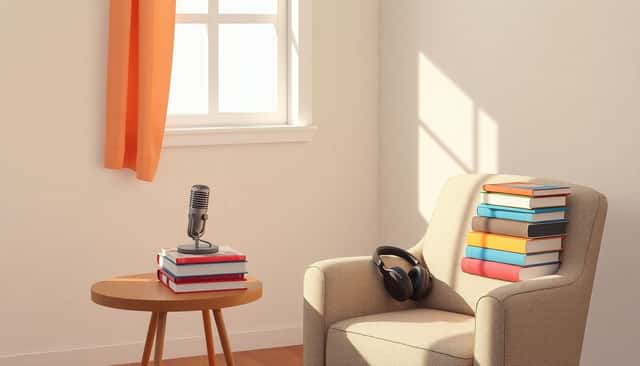
11. The Impact of Podcasts on Reading Habits
In my experience, podcasts don’t just “add another thing to listen to.” They change what I reach for next.
When I hear an author explain why a specific scene works, or a host connect themes across books, it makes the reading feel more intentional. That’s when I’m most likely to actually start the book instead of saving it forever.
Also, podcasts are built for real life. If you listen on a commute, while cooking, or during a workout, you’re turning time that would’ve been scrolling into time spent thinking about stories.
One more thing I’ve noticed: once you follow a couple of book podcasts, your taste starts to expand. Not because you suddenly love every genre—but because you’re exposed to new angles. You’ll try one new author, then another, and suddenly your reading list has variety.
12. How to Find New Book Podcasts That Suit Your Tastes
Endless options are only helpful if you know how to narrow them down. Here’s what works for me:
1) Start with your genre + your preferred vibe. Search for terms like “literary fiction interviews”, “romance book club”, “YA mystery discussion”, or “audiobook production”.
2) Look at episode structure. Does the show do interviews, reviews, or themed discussions? A 20-minute review show is a different commitment than a 60-minute author conversation.
3) Use platform filters and reviews. Apple Podcasts and Spotify both make it easier to see follower counts and listener ratings. Google results can also surface “best of” lists—use those as a starting point, not the final decision.
4) Follow the people, not just the shows. If you like one author or book influencer, check who they mention. Recommendations from the same taste cluster are usually better than random discovery.
5) Try 2–3 episodes before you judge. Some hosts get better after they find their rhythm, and some shows vary by season or guest format.
13. Creating Your Own Book-Related Podcast
If you’ve ever thought, “I’d talk about books all day,” then yeah—starting a podcast can be a lot of fun. Just be realistic: consistency matters more than fancy gear.
First, pick a niche. “Book podcast” is too broad. Try something like historical fiction with a classics angle, romance tropes + reader reactions, or “books adapted into TV/film.” The clearer your theme, the easier it is to attract listeners.
Second, plan episode formats. For example:
- Review + takeaway: 10 minutes about the book, 5 minutes about who it’s for.
- Theme episode: 30 minutes exploring one theme across 3 books.
- Interview: 20–45 minutes with a reader, librarian, or writer.
Third, audio quality matters. You don’t need studio gear, but a decent microphone and quiet room will take you from “background noise” to “people actually want to listen.”
Fourth, promote like a human. Post clips, share quotes, and talk about what you learned. Collaborations with other book creators help too.
If you want a step-by-step launch checklist, experts often point people to how to start a podcast.
14. Future Trends in Book Podcasts
Book podcasts aren’t slowing down. If anything, they’re getting more experimental.
Here’s what I think you’ll see more of in the next year or so:
- Video-first or hybrid formats: more episodes posted on YouTube, often with visuals like book covers, reading notes, or live recordings.
- Niche communities: more shows built around very specific tastes—like sci-fi romance, cozy mysteries, or “books that feel like X.”
- More interactive listening: live Q&A episodes, listener-submitted questions, and community polls.
- Better personalization: recommendation engines and smarter show discovery will make it easier to match listeners with the right podcasts.
The end result? It should be easier to find a show that feels like it was made for your reading habits.
15. How Podcasts Are Shaping the Book Publishing Industry
Podcasts matter to publishing because they work like modern word-of-mouth. When a host genuinely connects with a book, listeners trust that recommendation more than a generic ad.
I’ve also noticed that publishers and authors increasingly plan around podcast appearances. It’s not just “we sent a press release.” It’s more like: “let’s get the author in front of the right audience at the right time.”
And from a marketing perspective, podcasts give useful feedback loops. Even without fancy metrics, you can tell when a topic is resonating based on listener questions, social shares, and follow-up episode choices.
If you’re an author, it’s worth thinking of podcasts as a relationship channel—not only a launch tactic. If your book fits the show’s audience, pitching interview spots or themed discussions can be a smart long-term move.
16. Key Statistics on Podcast Consumption and Its Relevance to Book Lovers
Numbers help, but only if they’re sourced. Here are a few widely cited stats that explain why book podcasts can reach huge audiences:
- U.S. reach: Edison Research’s The Infinite Dial has reported that 73% of U.S. adults have listened to a podcast at least once (year varies by report; commonly cited in recent editions).
- Monthly listening: In the same research series, about 55% of U.S. adults have listened in the past month (again, check the exact edition for the year you care about).
- Time spent: Many listeners report spending multiple hours per week, often tied to routines like commuting, workouts, and chores.
On top of that, book podcasts get extra distribution because many shows also post video versions or clips to YouTube, which widens the audience beyond audio-only listeners.
If you’re a book lover, it basically means you’re competing with fewer “attention sinks” and more opportunities to discover your next favorite author.
FAQs
There are podcasts for book recommendations, classic and backlist titles, author interviews, format-focused shows (like audiobooks and adaptations), and discussion-heavy episodes about new releases. You can find something for almost every reading taste.
Yep. Shows like “What Should I Read Next?” and “All the Books!” regularly highlight new releases and hidden gems, so you’re not stuck re-reading the same recommendations.
Absolutely. “Backlisted” is a great starting point if you want timeless books and lesser-known classics—without the stuffiness.
Yes. Many writer-focused shows cover craft, publishing, and marketing. If you’re exploring your publishing options, it helps to combine podcast listening with practical guides like how to publish a book without an agent.