
Table of Contents
Self-publishing can be a thrilling journey for any author, but the most important part is finding the best self-publishing companies. These companies offer a pathway for writers to bring their work to readers without the traditional gatekeepers of publishing houses.
Rather focus on ideas than formatting? An AI ebook generator handles structure, chapters, and export for you.
Choosing the right company is more than just a business decision; it’s about finding a partner that aligns with your vision and goals as an author. Each company offers a unique set of services, from editing and design to marketing and distribution.
This article aims to shed light on some of the top self-publishing companies out there, helping authors make an informed decision that best suits their individual needs and aspirations.
18 Best Self-Publishing Companies
It’s important for the success of your book to choose the best possible self-publishing company for your needs. And so, here are 19 companies for you to choose from.
1. Amazon KDP
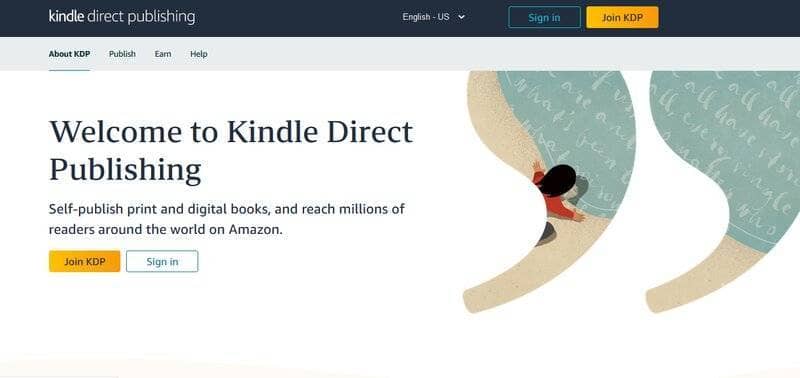
Amazon Kindle Direct Publishing (KDP) is one of the big names in self-publishing. It started a while back and is mainly known for helping authors publish eBooks and paperbacks.
When it comes to services, KDP keeps it pretty straightforward. They offer tools for book setup, cover design, and even help with getting your ISBN.
The best part is, listing your book on Amazon is free. They make their money by taking a cut when your book sells.
I found KDP website extremely user-friendly. You just upload your book, set your price, and you’re good to go.
Their customer service is decent too. If you run into trouble, they’re there to help, but sometimes it can take a while to get a response.
Pricing is where KDP really shines. It doesn’t cost anything to publish your book, which is great.
They offer two royalty options – 35% or 70% – depending on your book’s price and where it’s being sold.
From my experience, what I really liked was how quick it was to see my book online. The whole process from uploading to seeing my book listed on Amazon took just a couple of days.
The thing that could be better is the control over book pricing in different markets. It can get a bit tricky to get the right price in different countries.
Amazon KDP is a solid choice, especially if you’re starting out. It’s easy, cost-effective, and your book gets listed on the biggest online store. It’s best for authors who want to reach a wide audience without spending a lot upfront.
Here is a video guide on how to publish on KDP:
2. Apple Books
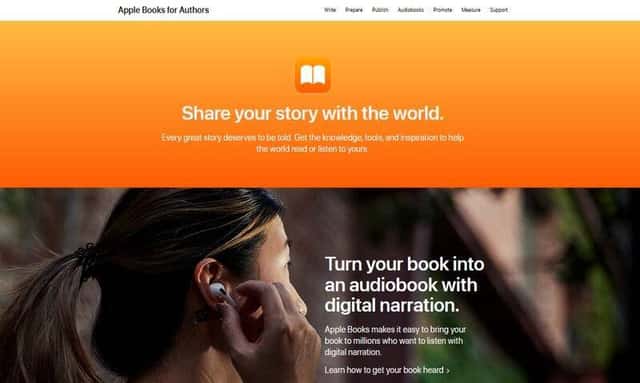
Apple Books is another great option for self-publishing, especially if you want to reach readers who use Apple devices. It’s been around for a while and is known for its focus on delivering quality eBook experiences.
The services Apple Books offers are quite user-friendly. They provide a platform for you to upload your eBook, and they distribute it through the Apple Books Store.
Unlike some other platforms, Apple Books focuses solely on eBooks, which means they don’t offer paperback publishing.
Using their platform, I found the process quite smooth. The interface is intuitive, and if you’re familiar with Apple’s ecosystem, you’ll feel right at home.
Their customer support is helpful, but just like with many big companies, sometimes it takes a bit to get a response.
In terms of pricing, publishing on Apple Books is free. They don’t charge you anything upfront.
Instead, they take a percentage of your sales, which is pretty standard in the industry. Their royalty rate is competitive, offering 70% of the sale price to the author.
From my experience, what stands out about Apple Books is the quality of their eBook reader experience.
eBooks look great on iPads and iPhones, which can be a big plus for your readers.
However, the limitation is that your book is only available to Apple users, so you’re missing out on a huge market of non-Apple users.
Overall, Apple Books is a great choice if you’re targeting readers in the Apple ecosystem.
It’s straightforward, cost-free to start, and offers a high-quality reading experience. It’s best for authors who are confident that their audience is predominantly using Apple devices.
3. Draft2Digital
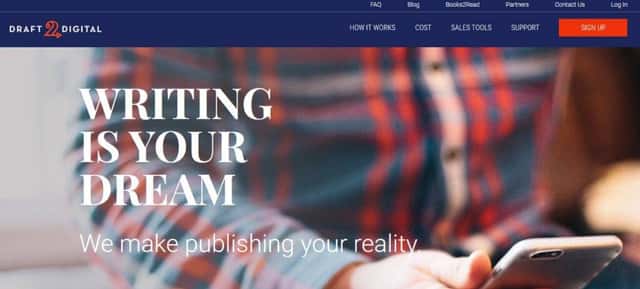
Draft2Digital is a standout choice for authors looking for wider distribution beyond just one platform.
They haven’t been around as long as Amazon KDP or Apple Books, but they’ve quickly made a name for themselves in the self-publishing world.
What sets Draft2Digital apart is their distribution network. They don’t just publish your eBook; they distribute it to a wide range of retailers, including Barnes & Noble, Kobo, and even libraries.
This means you’re not limited to just one store’s audience.
Using their service was pretty straightforward. They have a user-friendly interface that guides you through the publishing process.
One thing I appreciated was their automated conversion of my manuscript into different eBook formats, making it ready for various stores. Their customer support is also noteworthy; they’re responsive and genuinely helpful.
In terms of pricing, Draft2Digital operates on a commission basis. They don’t charge you any upfront fees.
Instead, they take a cut of your sales – about 15% of the retail price. Considering the wide distribution they offer, I found this to be a fair deal.
My personal experience with Draft2Digital was largely positive. Their formatting tool, which automatically prepares your book for different retailers, saved me a lot of time.
However, one downside is that you might not see as many sales from any single retailer since your book is spread across multiple platforms.
In conclusion, Draft2Digital is an excellent choice for authors who want to maximize their reach across multiple retailers.
It’s easy to use, cost-effective, and offers excellent distribution services. It’s best for those who want to ensure their eBook is available in as many places as possible.
4. Kobo
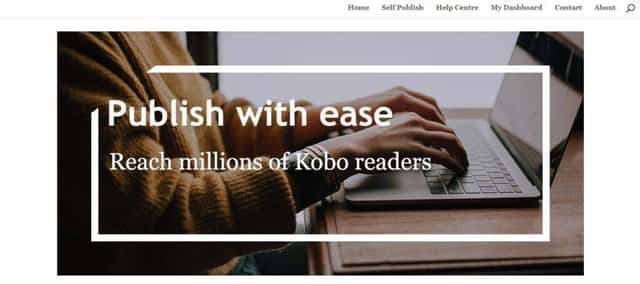
Kobo is a fantastic option for self-publishing, especially if you’re looking to tap into an international market.
Known for its global reach, Kobo has been a key player in the eBook world, appealing to a wide audience beyond just North America.
Kobo offers a service called Kobo Writing Life, which allows authors to directly publish their eBooks on the Kobo platform.
What’s great about Kobo is its user-friendly interface. It’s straightforward to upload your book, set your price, and get it out there. They also offer promotional tools to help boost your eBook’s visibility.
My experience with Kobo Writing Life was quite smooth. The dashboard is easy to navigate, and uploading my book was a hassle-free process.
Their customer service is commendable too; they’re quick to respond and helpful with any queries.
In terms of pricing, Kobo is quite author-friendly. Publishing on their platform is free, and they offer a competitive royalty rate of up to 70%, similar to other major platforms. This makes it a cost-effective option for self-publishing.
One thing I particularly liked about Kobo was its global reach. It opens up avenues to reach readers in countries where other platforms have less presence.
However, it’s worth noting that Kobo’s market share in the U.S. is smaller compared to giants like Amazon, which might affect sales if your primary audience is in the States.
Overall, Kobo is a strong choice for authors looking to reach an international audience.
It’s straightforward, free to start, and gives you access to a wide market. It’s particularly suited for authors who want to ensure their book is available globally and are looking to explore markets outside of the U.S.
5. Barnes and Noble Press
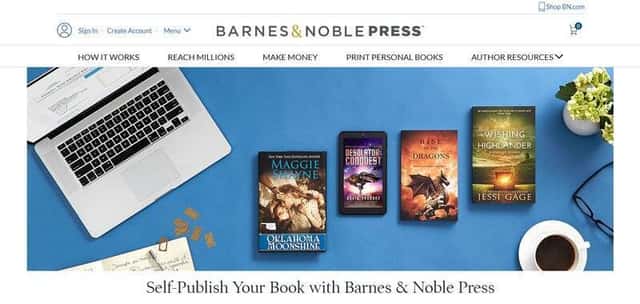
Barnes and Noble Press is a solid choice for authors looking to break into the world of self-publishing, especially if you’re keen on tapping into the audience of a well-established bookstore.
They’re a big name in the book industry, known for their vast network of physical bookstores and a significant online presence.
Their self-publishing platform, Barnes and Noble Press, offers a pretty straightforward way to publish eBooks and print-on-demand paperbacks. The process of uploading and setting up your book is user-friendly.
They also provide options to create hardcover books, which is a nice addition not offered by all self-publishing platforms.
Using their platform, I found it quite intuitive. The dashboard is easy to navigate, and the step-by-step process of uploading your book is clear.
Their customer service is quite responsive, which is helpful, especially for new authors who might have lots of questions.
In terms of cost, publishing with Barnes and Noble Press is free. They offer a competitive royalty rate, around 65% for eBooks priced at $2.99 and above, which is fairly decent in the self-publishing market.
My personal experience with Barnes and Noble Press was positive. The visibility that comes with being associated with a brand like Barnes and Noble is beneficial.
However, one aspect that could be improved is their marketing support. Unlike Amazon, they don’t have as robust a system for promoting books within their platform.
Overall, Barnes and Noble Press is a great choice for authors looking for a free, straightforward way to publish both eBooks and print books.
It’s particularly beneficial for those who want the prestige of being associated with a renowned bookstore brand and are interested in exploring print-on-demand options.
6. Smashwords
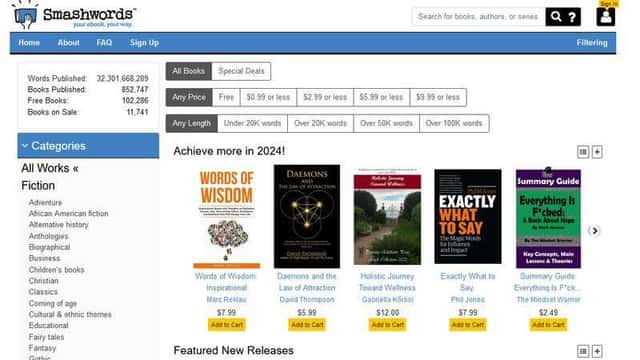
Smashwords is an excellent platform for self-publishing authors who are looking for a wide distribution network.
It’s known for its simplicity and ability to distribute eBooks to a large number of retailers and libraries.
Smashwords offers a straightforward service where you can publish your eBook once, and they distribute it to multiple outlets, including Apple Books, Barnes & Noble, Kobo, and many others.
Their process for uploading and publishing your book is pretty simple. You upload your manuscript, choose your price, and they handle the rest.
My experience with Smashwords was quite good. Their platform is not as modern-looking as some others, but it gets the job done effectively.
The thing I appreciated most was their detailed guide on formatting your manuscript, which was incredibly helpful in ensuring my eBook met all the necessary standards.
In terms of pricing, Smashwords is quite author-friendly. It’s free to publish your eBook on their platform, and they offer a high royalty rate, up to 80% of the sales from Smashwords’ store and 60% from other retailers. This makes it a very cost-effective option for authors.
One of the highlights of using Smashwords, in my experience, was the extensive distribution network.
However, the flip side is that having your eBook spread across so many platforms can sometimes dilute your marketing efforts. Also, the user interface could use an update to make it more user-friendly and visually appealing.
In conclusion, Smashwords is a great choice for authors who want broad distribution without any upfront costs.
It’s especially suitable for those who are confident in handling their own marketing and want to ensure their eBook is available in as many places as possible.
7. IngramSpark
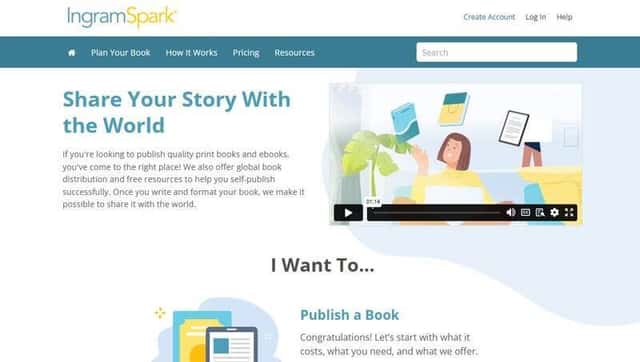
IngramSpark stands out as a self-publishing option, especially for authors who want to dive into both the eBook and print book markets.
Known for its extensive distribution network, IngramSpark caters to authors looking for a wider reach, including physical bookstores.
IngramSpark offers a platform where you can publish eBooks and print books, including hardcovers. Their system is a bit more complex compared to some other self-publishing platforms, but it’s comprehensive.
They offer global distribution, which means your book can be available not just online but also to physical bookstores and libraries.
My experience with IngramSpark was quite enlightening. The setup process is more involved, requiring attention to details like ISBNs and pricing.
Their platform offers a range of tools and resources, which are very helpful but can be a bit overwhelming at first.
Regarding costs, IngramSpark charges a setup fee for each title – for both eBooks and print books. This fee can be a deterrent for some, but it’s worth considering given their wide distribution network.
They also offer a reasonable royalty rate, but it’s important to factor in the printing costs for physical books.
What I particularly liked about IngramSpark was the quality of their print books. The final product looked professional and bookstore-ready.
However, I found that their platform could be more user-friendly, and the initial costs might be high for some independent authors.
In conclusion, IngramSpark is an excellent choice for authors who are serious about both digital and physical publishing and are willing to invest a bit upfront for wider distribution.
It’s particularly suited for those who want their books available in bookstores and libraries, in addition to online retailers.
8. Lulu
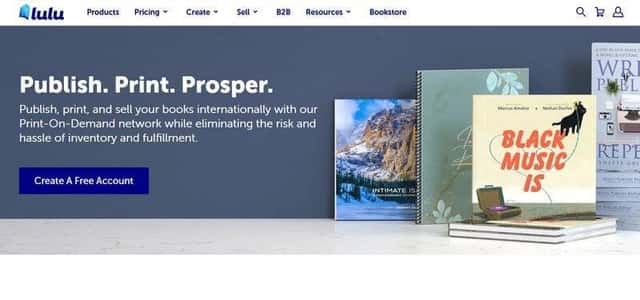
Lulu is a notable self-publishing service that’s gained popularity for its versatility and ease of use. It’s particularly appealing to authors who want to explore both digital and print publishing options.
Lulu offers a straightforward platform for publishing eBooks and print books, including various formats like hardcover and paperback.
The process of setting up your book on Lulu is user-friendly and intuitive. They provide clear guidelines, making it easy for even first-time authors to navigate through the publishing steps.
My experience with Lulu was quite positive. The platform guides you through the entire process, from uploading your manuscript to choosing your book’s size and format.
Their customer service is also noteworthy; they’re quick to assist with any questions or issues.
In terms of pricing, Lulu doesn’t charge for publishing eBooks. They operate on a revenue-sharing model, taking a percentage of sales. For print books, costs are based on printing expenses, which vary depending on the book’s specifications.
Their royalty rates are competitive, and they offer a calculator on their site to help you estimate your earnings.
What stands out about Lulu is their high-quality print options and the ability to distribute your book to major retailers like Amazon and Barnes & Noble.
However, one area where Lulu could improve is their marketing support. They offer some tools, but authors might need to put in extra effort for promotion and marketing.
Overall, Lulu is a great choice for authors who want flexibility in publishing both eBooks and print books. It’s user-friendly, offers quality printing options, and has a decent distribution network.
It’s especially suitable for authors who are comfortable handling their own marketing and want a straightforward publishing process with good product quality.
9. PublishDrive
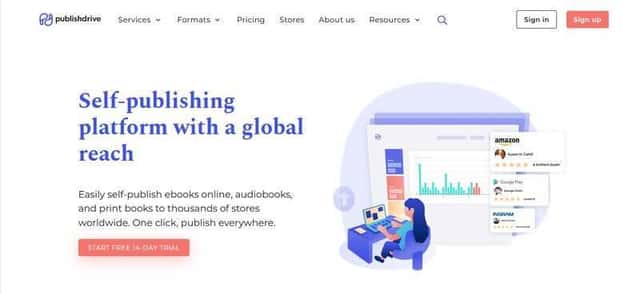
PublishDrive is a dynamic and innovative option for authors looking to self-publish, particularly renowned for its expansive digital distribution network.
It’s a great choice for those who want to reach a wide audience across various platforms and geographies.
What sets PublishDrive apart is its extensive digital distribution. They distribute eBooks to over 400 stores and 240,000 libraries worldwide, including major platforms like Amazon, Apple Books, and Google Play.
This wide reach is a significant advantage for authors looking to maximize their audience.
My experience with PublishDrive was quite positive. Their platform is user-friendly and streamlined, making the process of uploading and distributing your book quite straightforward.
They also offer useful analytics tools, allowing you to track your sales and understand your audience better.
In terms of pricing, PublishDrive offers a unique model. Instead of taking a percentage of your sales, they operate on a subscription basis. You pay a monthly fee to list your book, and in return, you keep 100% of your royalties.
This model can be more cost-effective, especially for authors who sell a higher volume of books.
One of the aspects I appreciated about PublishDrive was the control it gave me over my book’s pricing and distribution.
However, the subscription model might not be ideal for every author, especially if you’re just starting out and not sure how many books you’ll sell.
In conclusion, PublishDrive is a fantastic choice for authors who want broad digital distribution and are comfortable with a subscription-based model.
It’s especially suited for those looking to reach an international audience and who want detailed insights into their sales and reader demographics.
10. Blurb

Blurb is a unique self-publishing platform, ideal for authors and creators who focus on visual and specialized content, such as photo books, art books, and cookbooks.
Known for its high-quality printing and creative freedom, Blurb offers a distinctive choice for those looking to create more than just text-based books.
Blurb stands out for its exceptional tools for layout and design. They offer a free suite of creative tools, including BookWright, which allows for intricate customization of your book’s layout, ideal for image-heavy content.
Additionally, they integrate with Adobe products, catering to professionals who require advanced design capabilities.
My experience with Blurb was quite inspiring. The platform empowers you to create visually stunning books. The process of designing and setting up your book can be more complex due to the focus on design and layout, but the end result is incredibly rewarding.
Their print quality is impressive, offering a range of paper types and printing options.
Regarding pricing, Blurb operates on a print-on-demand model. The cost depends on factors like the size of your book, the type of paper, and the number of pages.
While this can be more expensive per copy than traditional bulk printing, it allows for high-quality, customized books without the need for a large upfront investment.
One thing I particularly liked about Blurb was the quality of the final product. The books look and feel professional, which is crucial for image-focused books.
However, it’s important to note that Blurb’s focus is more on print books, and their distribution channels for eBooks are not as extensive as other platforms.
In conclusion, Blurb is an excellent choice for authors and creators who prioritize visual quality and design freedom in their books.
It’s particularly suitable for photo books, art books, cookbooks, and other projects where the visual element is key. If you’re looking to create a book that stands out for its aesthetic appeal, Blurb is definitely a platform to consider.
11. Gatekeeper Press
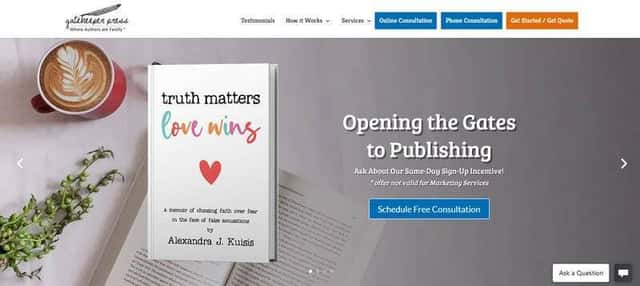
Gatekeeper Press is a reputable self-publishing service that stands out for its high-quality publishing assistance and personalized approach.
Catering to authors who seek a more guided and professional experience, Gatekeeper Press is known for its exceptional support and service.
What sets Gatekeeper Press apart is their full-service publishing approach. They offer a wide range of services, including professional editing, custom cover design, formatting, distribution, and even marketing support.
This makes them an ideal choice for authors who want comprehensive assistance throughout the publishing process.
My experience with Gatekeeper Press was notably positive. From the start, their team was attentive and provided personalized support.
They took the time to understand my book and goals, offering tailored advice and services. This level of care and attention is something that really sets them apart.
In terms of pricing, Gatekeeper Press operates on a fee-for-service model. You pay for the services you need, which can range from editing to full distribution support.
While this can add up, the quality of their services justifies the cost, especially for authors who value professional assistance in all aspects of publishing.
One aspect I really appreciated about Gatekeeper Press was the quality of their editing and design services. The end product was polished and professional, reflecting the high standards they maintain.
However, the cost can be a consideration for authors on a tighter budget or those who prefer a more DIY approach.
In conclusion, Gatekeeper Press is a fantastic choice for authors seeking a full-service publishing experience with a personal touch.
It’s especially suited for those who are willing to invest in professional services to ensure their book is of the highest quality and has the best chance of success in the competitive market.
12. StreetLib
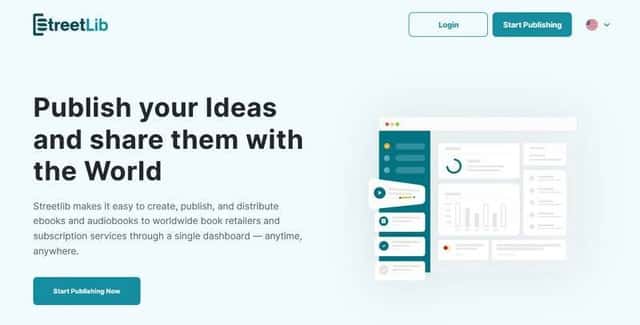
StreetLib is an increasingly popular choice among self-publishing authors, especially those looking for an expansive global reach.
Known for its extensive distribution network, StreetLib caters to authors who want to make their work available across a wide array of international markets.
StreetLib’s standout feature is its vast distribution channel, which includes major eBook retailers, libraries, and subscription services across the world.
This global reach is a significant advantage for authors aiming to tap into diverse markets, including often underrepresented regions.
My experience with StreetLib was quite eye-opening. Their platform is comprehensive and offers various services, including eBook and print book publishing, along with tools for marketing and sales tracking.
Navigating their system takes a bit of learning, but once you get the hang of it, the possibilities are immense.
In terms of pricing, StreetLib operates on a revenue-sharing model. They don’t charge upfront fees for publishing; instead, they take a percentage of your sales.
This makes it an accessible option for authors at all levels, particularly those who are budget-conscious.
One of the aspects I really liked about StreetLib was the sheer scope of their distribution network. Having my book available in numerous countries and in various languages was a major plus.
However, the breadth of options and the complexity of the platform might be overwhelming for new authors or those who prefer a simpler, more streamlined approach.
In conclusion, StreetLib is a great choice for authors seeking to maximize their international exposure without a significant upfront investment.
It’s particularly suitable for those who have a clear strategy for global distribution and are willing to navigate a more complex platform to reach readers worldwide.
13. XinXii

XinXii is a unique self-publishing platform that’s particularly known for its presence in the European market.
It offers a straightforward and versatile approach to publishing, appealing to authors who want to reach a diverse and international audience.
One of the key features of XinXii is its user-friendly approach to publishing. The platform allows you to upload your eBook, set your price, and start selling on their website as well as on various global distribution channels.
They cater to a wide range of genres and offer the flexibility to publish in multiple languages.
My experience with XinXii was quite positive. The process of uploading and managing my book was simple and intuitive. The platform is less complex than some others, which I found refreshing.
It’s especially great for authors who are just starting out and looking for an uncomplicated way to publish and distribute their work.
In terms of pricing, XinXii operates on a commission basis. Publishing your eBook on XinXii is free, and they take a percentage of your sales as a fee.
This is a common model in the self-publishing industry, and I found their rates to be reasonable.
What I really appreciated about XinXii was the ease of access to European markets, which can be challenging to penetrate through other platforms.
However, it’s important to note that while XinXii provides a good starting point for global distribution, authors might need to complement it with additional marketing efforts to maximize their reach.
In conclusion, XinXii is an excellent choice for authors looking for a simple and effective way to reach readers in Europe and beyond.
It’s particularly suited for those who prefer a straightforward platform and are interested in exploring international markets without the complexity of larger, more intricate systems.
14. Reedsy
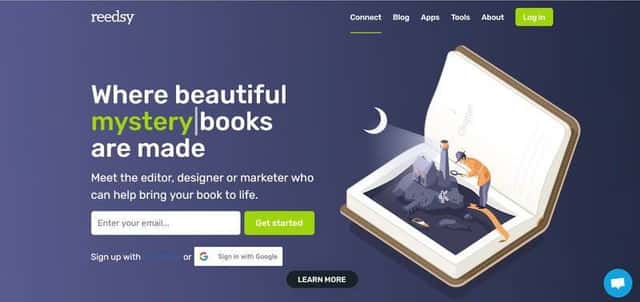
Reedsy is a standout platform in the self-publishing industry, known for its emphasis on quality and professional services.
It’s not a traditional publishing platform but rather a marketplace connecting authors with top-notch industry professionals for various publishing needs.
Reedsy’s main offering is its extensive network of vetted professionals specializing in editing, cover design, formatting, and marketing.
What’s unique about Reedsy is that it focuses on quality and expertise, ensuring that authors have access to some of the best talents in the industry.
My experience with Reedsy was impressive. The platform is sleek and user-friendly. It allows you to browse through professionals’ profiles, view their portfolios, and select the right person for your project.
The collaboration process is straightforward and managed within the platform, ensuring a seamless experience.
In terms of cost, Reedsy operates differently from traditional self-publishing platforms. Since it’s a marketplace, the costs depend on the professionals you choose to work with.
Each professional sets their own rates, and while this can mean a higher investment compared to standard self-publishing services, the quality and expertise you get are often worth the price.
One aspect I particularly appreciated about Reedsy was the assurance of quality. Knowing that the professionals are thoroughly vetted gave me confidence in my choices.
However, for authors on a tight budget, the costs can be a bit daunting, as professional services don’t come cheap.
In conclusion, Reedsy is an excellent option for authors who prioritize quality and are willing to invest in professional services for editing, design, and marketing.
It’s particularly suited for those who want a more bespoke approach to self-publishing and are looking for the best industry expertise to bring their book to life.
15. BookBub
BookBub is a bit different from traditional self-publishing platforms; it’s primarily known as a marketing tool that helps authors promote their books and find new readers.
While it’s not a publishing platform in the conventional sense, it plays a crucial role in the self-publishing process, particularly in the area of book promotion and reader engagement.
BookBub offers a range of promotional tools, the most notable being their featured deals. These deals involve sending out emails to a large list of subscribers, showcasing books that are on sale or occasionally free.
This exposure can significantly boost your book’s visibility and sales, especially when you’re trying to reach a broader audience.
My experience with BookBub was quite enlightening. The process to get your book featured can be competitive, as they select books based on several criteria, including reviews and past sales performance.
However, once selected, the impact on your book’s visibility and sales can be substantial.
In terms of pricing, BookBub’s promotional services vary in cost, depending on the category of your book and the nature of the promotion.
While it can be a significant investment, many authors find the return on investment in terms of increased sales and new readers to be worth it.
What I really appreciated about BookBub was the spike in sales and the new readership it brought to my book.
However, it’s important for authors to be aware that getting a book featured on BookBub can be challenging, and the cost can be high compared to other marketing methods.
In conclusion, BookBub is a powerful tool for authors looking to boost their marketing efforts and increase their book’s visibility.
It’s particularly suited for authors who have a budget set aside for marketing and are looking to maximize their book’s reach in a short time frame.
16. Outskirts Press

Outskirts Press is a self-publishing company that offers a range of services tailored to authors who prefer a full-service publishing experience.
Known for its personalized approach, Outskirts Press caters to authors seeking professional assistance in bringing their books to market.
Outskirts Press stands out for its comprehensive range of services. They offer various publishing packages that include custom cover design, formatting, ISBN assignment, marketing assistance, and distribution options.
What’s appealing about Outskirts Press is the degree of customization and personal attention they provide to each author.
My experience with Outskirts Press was quite thorough. From the onset, they assign you a representative who guides you through the publishing process.
This personal touch adds a lot of value, especially for first-time authors or those who are not familiar with the publishing landscape.
In terms of pricing, Outskirts Press operates on a fee-based model. Their packages vary in cost, depending on the level of service and support you require.
While their services can be on the higher end price-wise, the quality and breadth of what they offer justify the investment for many authors.
One of the highlights of working with Outskirts Press was the quality of the final product. The books produced are professional, and their distribution network ensures your book is available in major online retailers.
However, authors should be prepared for the financial investment, as full-service publishing packages can be more expensive than DIY or à la carte options.
In conclusion, Outskirts Press is a great option for authors looking for a comprehensive, full-service publishing experience.
It’s especially suited for those who value professional assistance in every step of the publishing process and are willing to invest in a high level of service to ensure their book is of the highest quality.
17. Notionpress
Notionpress is a self-publishing platform that has gained significant popularity, particularly in India, for its wide range of services and user-friendly approach.
It’s an excellent choice for authors looking to self-publish and distribute their books in both digital and physical formats.
Notionpress stands out for its comprehensive and flexible publishing options. They offer services that cover the entire publishing spectrum, including editing, design, printing, distribution, and marketing.
This makes Notionpress an attractive option for authors who are looking for an all-inclusive publishing solution.
My experience with Notionpress was quite positive. The platform is easy to navigate, making the process of publishing a book quite straightforward.
They provide various tools and resources to help you at every stage, from manuscript editing to book promotion.
The customer service team is also very responsive and helpful, which is a big plus for authors who might need guidance.
In terms of pricing, Notionpress offers different packages to suit various needs and budgets. While you can opt for their free package, which allows you to publish your book at no upfront cost, they also offer paid services for additional features and professional assistance.
The paid packages provide more in-depth services like professional editing, advanced marketing tools, and wider distribution channels.
One aspect I particularly appreciated about Notionpress was their distribution network, which not only covers online retailers but also includes a wide range of physical bookstores.
However, authors should be aware that while Notionpress offers great services, the effectiveness of marketing and distribution can vary depending on the package chosen and the book’s genre.
In conclusion, Notionpress is a great option for authors, especially those in India, looking for a full-service self-publishing platform.
It’s particularly suited for those who want a mix of both online and offline presence for their book and are looking for a range of services to assist them throughout the publishing process.
18. AIA Publishing
AIA Publishing is a unique and discerning self-publishing service, known for its selective approach and commitment to publishing high-quality books.
It stands out in the self-publishing industry for its focus on maintaining a standard of excellence, which involves a more curated selection of manuscripts.
Unlike many self-publishing platforms that accept most submissions, AIA Publishing operates more like a traditional publisher, but with the benefits and flexibility of self-publishing.
They screen submissions to ensure that they only publish books that meet their criteria for quality writing and storytelling.
My experience with AIA Publishing was notable for its thoroughness. The submission process was more detailed, requiring a well-polished manuscript.
Once accepted, they provided comprehensive services, including professional editing, cover design, formatting, distribution, and marketing.
Their team was very hands-on, offering personalized guidance throughout the publishing process.
In terms of pricing, AIA Publishing’s model is more akin to a traditional publishing house, where they cover the costs of publishing and take a percentage of the sales.
This can be a significant advantage for authors, as it means no upfront costs.
However, the trade-off is the rigorous selection process and the requirement for a high standard of writing.
One aspect I particularly appreciated about AIA Publishing was their commitment to producing quality books. The attention to detail in editing and design was impressive.
However, for authors who prefer a faster or more guaranteed route to publication, the selective nature and the time it takes for the submission process might be a drawback.
In conclusion, AIA Publishing is an excellent choice for authors who have a polished manuscript and are looking for a publishing partner that prioritizes quality and offers comprehensive services.
It’s especially suitable for those who are willing to go through a more rigorous selection process in exchange for a higher level of professional support and a commitment to producing a top-quality book.
Conclusion
Choosing among the best self-publishing companies is a pivotal decision for any author. These companies offer a range of services that can significantly impact the success of your book. From comprehensive editing and design to wide distribution networks, each company brings something unique to the table.
In the end, the best self-publishing company for you depends on your specific needs, budget, and goals. Whether you’re looking for wide distribution, high-quality print options, or professional marketing support, there’s a company out there that can help bring your book to life and reach its audience.