Table of Contents
Crowdfunding your book might feel intimidating, especially if you’re not sure how to begin or worried that no one will support your project. Trust me, that uncertainty is completely normal—after all, you’re basically pitching your dream to strangers!
But guess what? If you stick around, I’ll walk you through a straightforward eight-step game plan that’ll help you confidently run a crowdfunding campaign for your book. When you finish reading, you’ll know exactly how to choose your platform, attract supporters, and keep them coming back for more.
Let’s jump right into it!
Key Takeaways
- Pick a reliable, book-friendly platform like Kickstarter (“all-or-nothing”) or Indiegogo (flexible funding).
- Create an engaging page with clear titles, a simple video showcasing your passion, storytelling, and reader testimonials.
- Set a realistic and achievable funding goal that clearly shows how you’ll spend the funds—editors, printing, etc.
- Offer rewards across various price points—from eBooks and signed copies to exclusive perks like character naming.
- Build followers before launching your campaign through email, social media, book clubs, or niche communities.
- Use affordable marketing—like social ads and collaborations with bloggers or influencers—to boost visibility.
- Update supporters regularly with personal content, previews, and responding individually to build trust.
- Maintain momentum after hitting your target with stretch goals, regular updates, and clear, motivating reminders.

Step 1: Select the Best Crowdfunding Platform for Your Book
Choosing the right crowdfunding platform for your book can make the difference between hitting your funding goals or ending up empty-handed.
Kickstarter is probably the first name you think of, and for good reason—it’s popular, recognizable, and specialized for creative projects, especially books.
The global success rate of Kickstarter projects is around 39.11%, making it a solid choice but also competitive.
Kickstarter is an “all or nothing” platform, so you’ll lose out on whatever money you’ve raised if you don’t hit your target—risky but motivating.
An alternative option is publishing your book on Smashwords, which isn’t a crowdfunding platform itself but can pair nicely with platforms like Indiegogo that allow flexible funding (meaning you keep what you raise, even if you don’t hit your target).
For authors who already have a fanbase or email list, using a platform like Publishizer can be great, since it connects you to publishers once your campaign meets certain benchmarks.
So, do your homework—read through the terms, look at the fees platforms charge (typically 5-8%), and think carefully about whether an “all or nothing” approach motivates you or freaks you out.
And don’t just skim the top crowdfunding platforms—look for authors similar to you in terms of genre or audience, and see where they’ve had their success, because proven success stories are your golden ticket.
Step 2: Create an Engaging Crowdfunding Campaign Page
Your crowdfunding campaign page isn’t the place to wing it or get vague—it’s basically your book’s sales pitch.
First thing: your title matters. Keep it clear, catchy, and easy to remember (and pronounce over conversations at cafés—trust me).
Think of your campaign page as a mini landing page for your book project. Start off with a compelling video—Kickstarter reports that campaigns with videos have up to an 85% better success rate.
Videos shouldn’t be fancy or expensive productions; just film yourself explaining why you’re passionate about the project, include some visuals of your manuscript, sketches, or even book cover ideas to give potential backers a visual grasp.
Next, craft a persuasive and clearly written description with storytelling elements; readers love stories, especially ones they can emotionally invest in.
Include social proof whenever possible, highlighting endorsements or early reader testimonials—think of it like having an awesome foreword for your campaign (learn how to write a good foreword here).
Use strong, direct language that’s easy to scan on mobile phones—small chunks of text, bold keywords, and bullet points outlining project milestones and budget.
Finally, always include a clear call-to-action that nudges potential readers to back your project instantly (“Support Now,” “Pre-order Your Copy Today,” or even “Be a Part of This Story”).
Step 3: Set Realistic and Achievable Funding Goals
Look, I get it—you want maximum funds to make the best book possible, but setting overly ambitious funding goals may doom your campaign before it even takes off.
Crowdfunding stats support this caution: Over 52% of successful Kickstarter campaigns raised only between $1,000 and $9,999, meaning modest goals statistically have better chances of success.
Before setting your crowdfunding goal, calculate exactly how much money you’ll realistically need. Consider printing costs, editing fees, cover design, marketing, and any extras such as bookmarks or promotions you’ll give your backers.
Make it transparent to your audience, create a breakdown to show exactly what the money is going towards—it shows responsibility, builds trust, and reassures potential backers they’ll receive their promised reward.
Including stretch goals—extra incentives unlocked as your funding surpasses your initial target—is a great way to keep momentum after reaching your base goal and to reward early backers for spreading the word.
Step 4: Plan Appealing Rewards for Your Supporters
The rewards you offer your backers can seriously impact the success of your campaign—people love cool stuff, let’s be honest.
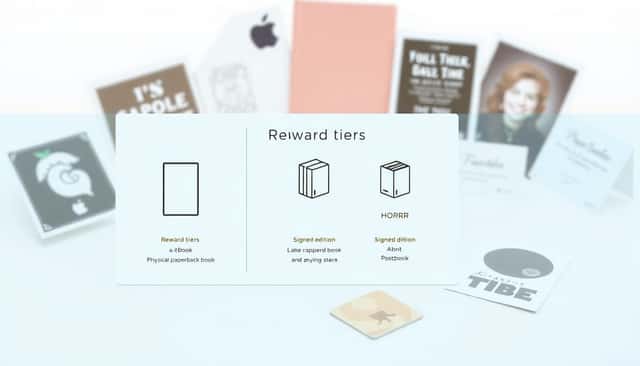
First off, think carefully about your reward tiers, giving a solid range that appeals to different budgets.
The lower-end tiers should offer things like an eBook copy for $5, a physical paperback for around $20, or maybe a signed version at $30—basically, identify what fans value at each price point.
Higher-end rewards should feel exclusive and personalized—a thank-you printed inside the book, invitations to a virtual book launch, or even naming a minor character after the supporter.
The average funding per campaign is around $7,750 (expected to grow to around $8,490 by 2025), so don’t underestimate the power of those pricier, exclusive tiers to help you reach your goal (Coolest Gadgets).
Consider offering limited-time or limited-quantity “early bird” incentives like discounted copies or special swag packages, motivating people to act quickly instead of letting your campaign gather dust.
I know it may be surprising, but supporters often love simple perks like bookmarks, stickers, or postcards featuring illustrations from your book.
Whatever you choose, make sure rewards align with your book’s theme, genre or story—if you’re crafting a horror novel, maybe offer spooky limited edition postcards or horror story plot inspirations that didn’t make it into the book.
Step 5: Build Your Audience Before Launching the Campaign
Launching a crowdfunding campaign without first building an audience is probably like shouting into an empty room—no one’s listening, and it’ll be a headache to get the attention you want.
Instead, get strategic and build a following before your campaign launches, through social media, email newsletters, and community engagement.
If you’re active on platforms like Instagram or Twitter, share updates about your writing process, announce sneak peeks, run polls, and engage users early—you can even use funny writing prompts to encourage interaction and create a friendly, approachable vibe.
Do not ignore email—start collecting subscriber emails on your author website (if you’re confused about creating one, check the best website builder options for authors), and consistently offer valuable content months before your crowdfunding goes live.
Also reach out to niche communities, book clubs, writing groups, or even beta readers who might help spread the word.
Having an established audience beforehand drastically boosts your early pledges, which can trigger algorithms on platforms like Kickstarter to push your campaign even further.
Step 6: Use Effective Marketing Tactics to Attract Backers
If you set your campaign live and expect supporters to just magically appear, you’re bound to be disappointed—marketing your crowdfunding campaign actively is key.
Don’t worry though, effective marketing doesn’t mean spending tons of money; it’s about smart, targeted efforts, especially ones involving your established supporters or friends.
Use platforms like Facebook and Instagram ads to retarget people who’ve already shown interest by visiting your site or following your profile.
Additionally, collaborate with book bloggers or influencers who share your target audience—send them advanced copies or promotional cover materials to increase exposure.
Keep your content engaging and interactive, using polls, quizzes, or user-generated content—maybe ask your fans to suggest character names, or run a giveaway.
Lean into storytelling by sharing personal stories, struggles, or motivations behind your book—people love authenticity and connection.
Finally, to boost social proof, consider securing endorsements from notable figures in your genre or having credible reviewers provide early quotes you can feature.
Step 7: Keep Your Backers Updated Regularly During the Campaign
If you’re thinking you can just set up your campaign, sit back, and relax—bad news: keeping supporters engaged with regular updates is crucial for your success.
Frequent, genuine communication builds deeper trust, which helps during slow campaigns and motivates supporters to tell their friends about your project.
Updates can vary, from simple thank-you messages when you hit milestones (“We reached 50%, you’re amazing!”) to behind-the-scenes content like first-draft previews, illustrator sketches, or glimpses into the editing process.
You can even share the occasional funny or relatable story about dealing with writer’s block or technical hitches along the way.
Including content like winter writing prompts relevant to your genre or posting short excerpts can give your supporters continued value throughout the campaign period.
Respond personally whenever you can—answering questions or giving shout-outs makes backers feel part of a creative process instead of just financial contributors.
Step 8: Maintain Momentum After Reaching Funding Goals
Congrats, you hit your funding goal—but don’t just pat yourself on the back and call it a day, because keeping momentum after you’ve reached your goal could skyrocket your overall campaign success.
Why not announce stretch goals that add value for existing backers and entice new ones to join, maybe offering upgraded book covers, exclusive content, or audiobook production?
Keep sharing updates regularly, remind your audience there’s still time left, and encourage your backers to keep spreading the word.
Engage actively in community conversations online—in forums, groups, or on social media platforms—about writing and publishing, positioning you as a relatable and approachable author.
Another neat trick is keeping accessibility in mind, such as considering how to make an audiobook if your initial plan only included print or ebook formats.
Finally, announce the end date of your campaign through clear calls-to-action, urging people who might’ve hesitated earlier (“Hey procrastinators, last chance!”) to jump in and back your project before it ends.
FAQs
Select a platform fitting your book genre, funding goal, and audience. Kickstarter and Indiegogo are ideal for creative books, while Unbound specializes in literary projects. Consider fees, ease-of-use, and built-in audience before choosing.
Offer creative rewards like signed copies, acknowledgment pages, limited-edition covers, or private author readings. Digital goods such as eBooks or audiobooks are also effective and cost-efficient choices that supporters greatly appreciate.
Focus on social media outreach, targeted email campaigns, influencer endorsements, and creating promotional content. Regular communication about campaign progress, rewards, and engaging storytelling helps maintain supporter interest and expand reach.
Building your audience beforehand increases early campaign traction, improving chances of hitting funding goals quickly. A pre-launch audience provides initial support momentum and boosts credibility, attracting additional backers throughout the campaign period.