Table of Contents
I’ve launched a few books (and helped friends launch even more), and one thing always surprises me: the hardest part isn’t writing the book—it’s getting people to notice it at the right time. If you’re staring at your cover thinking, “Okay… now what?” you’re not alone.
In this post, I’m going to walk you through a launch plan that works for most genres—fiction, nonfiction, and even smaller niche books—without pretending you need a huge budget. I’m talking about the kind of launch most authors can realistically run with 6–12 weeks of lead time and something like $0–$500 (or a little more if you already know you’ll spend on ads). What I care about is execution: what you do each week, who you contact, and how you’ll know if it’s working.
By the time you finish reading, you’ll have a clear checklist for planning, promoting, and selling your book—plus some real metrics to track so you don’t just “hope” the launch goes well.
Key Takeaways
Key Takeaways
- Start with a real launch plan: specific goals, a week-by-week timeline, and measurable metrics (not just vague “get exposure”).
- Build a launch team that actually helps (beta readers, local partners, niche bloggers). Give them tasks like sharing your teaser on a set date—not “whatever you feel like.”
- Use a mix of in-person and virtual events. In my experience, even a small bookstore event plus one live stream can create a noticeable sales bump.
- Create multimedia content that matches buyer behavior: short trailer clips, quote graphics, and behind-the-scenes posts that you can reuse across platforms.
- Promote with online channels and influencers, but do it strategically: target the right audience, send a clean pitch, and track clicks and conversions from each source.
- Host interactive activities that tie directly to your book’s theme. People don’t just want to “attend”—they want something to do.
- Make purchasing frictionless. If your readers can’t find the book in 10 seconds, you’re losing sales you didn’t have to lose.

1. Start with a Clear Book Launch Plan
Here’s the thing: a book launch isn’t one event. It’s a sequence. And if you don’t map that sequence out, you’ll end up scrambling the week your book actually releases.
When I plan launches, I start with a simple structure: goals → timeline → metrics. Not “marketing goals.” Real ones.
Set goals you can actually measure. For example:
- Email list: aim for 200–500 new sign-ups by launch day (depending on your audience size).
- Conversion: target a 2–5% conversion rate from landing page visits to purchases during the first 7 days. If you’re below 1%, something’s off (traffic quality, price, or description).
- Paid ads benchmarks: if you run small-budget ads, try for $0.50–$2.00 cost per click (varies a lot by niche). Track it—don’t guess.
- Reviews: request 10–30 early reviews (more if your niche is competitive). Reviews don’t “happen”—you have to ask.
Build a timeline that matches how people buy. A solid default for most authors is:
- Weeks 6–4 (pre-launch): finalize cover/trailer, set up landing page + email capture, start posting teaser content.
- Weeks 3–2: start outreach (reviewers, bookstagram accounts, newsletter swaps), lock event dates, and send advance review copies.
- Launch week: daily posting + at least one live event, push the buy links hard (but keep it helpful).
- Weeks 2–4 post-launch: keep the content going, share reader quotes, run a short promo window, and follow up with anyone who engaged.
Track the right metrics (and don’t obsess over vanity numbers). I usually watch:
- Landing page sessions and email sign-up rate
- Click-through rate on buy links (especially from email)
- Amazon/retailer page views and conversion rate (if you can access it via dashboards)
- Engagement that leads somewhere (comments with questions, DMs, link clicks)
If your traffic is high but purchases are low, ask: is your description selling the promise, or just summarizing the plot? That’s usually where the fix is.
2. Gather Support with a Book Launch Team
You don’t need a giant street team. You need people who will do something.
In my experience, a launch team works best when you give them clear tasks and deadlines. Instead of “share my book,” try:
- 5–10 friends/beta readers: ask them to post a short honest review after reading (or after 1–2 chapters).
- 2–5 niche creators: request a teaser post or story mention on a specific date.
- 1–3 local partners: bookstore owner, library contact, or community group organizer for an event listing.
How I structure outreach (so it doesn’t feel random):
- Send a short message with your book premise (1–2 sentences)
- Include a link to the trailer (or a sample chapter)
- State what you’re requesting (e.g., “a 30-second story post on launch day”)
- Offer what they’ll get (advance copy, discount code, or a free digital download)
- Give a deadline and follow-up date
Want a simple pitch template? Here’s a quick one you can copy:
Subject: Advance copy + launch support (your niche might love this)
Message: Hi [Name]—I’m launching [Book Title] on [Date]. It’s a [genre] story about [1–2 sentence hook]. I think your audience would really connect with it because [specific reason tied to their content]. Would you be open to sharing a short teaser (story post or reel) around launch day? I can send an advance copy and a one-page media kit with blurbs, cover, and link. No worries if it’s not a fit—thanks either way!
One more thing: keep a spreadsheet. Track who you sent copies to, who posted, and who replied. You’ll thank yourself later.
3. Plan In-Person and Virtual Launch Events
Events are where readers feel like they’re part of something—not just being sold to. But if you’ve ever attended a “launch event” that felt like a lecture with zero interaction… you already know why this matters.
In-person options (small but effective):
- Bookstore or library reading (30–45 minutes)
- Community center talk with a Q&A
- Local cafe “meet the author” night (partner with a flyer and a sign-up list)
Virtual options (easy to scale):
- Live reading + live Q&A (Facebook Live, YouTube, Instagram)
- Workshop-style session tied to your theme (e.g., “How I built the world”)
- Interview format with another creator (you show up, they bring their audience)
Make the event interactive. Don’t just talk. Add one of these:
- A “choose the next scene” poll
- A mini giveaway (signed bookplate, bookmark, or a digital bonus chapter)
- A worksheet prompt tied to your story or topic (people love leaving with something)
Here’s a practical tip: build your event around a single clear call to action. For example, “Join the newsletter to get the bonus chapter” or “Grab the launch-day bundle.” If you don’t choose one, attendees forget what you wanted them to do.
4. Create Engaging Multimedia Content
Multimedia isn’t just “nice to have.” It’s how people discover you on platforms where they don’t search for books—they scroll.
What I’d actually make for a launch (and why):
- Trailer (30–60 seconds): show the hook, the stakes, and one memorable line. Keep it punchy.
- Quote graphics (3–5): use lines that reveal tone and theme, not random sentences.
- Behind-the-scenes clips: 10–20 seconds of your process (research photos, writing desk, “here’s how I designed the characters”).
- Audio option: if your book lends itself to it, record a short “chapter one” audio sample or a 5-minute author message.
If you’re thinking, “But I don’t have time to create all that”—fair. I usually batch content. One afternoon can produce:
- 8–12 short videos (vertical)
- 3–5 quote images
- one trailer draft script
Then you schedule posts over the next 2–3 weeks. Consistency beats intensity.
5. Use Online Channels and Influencers to Promote Your Book
Online promotion works when you match where your readers already hang out. Not where you personally like spending time.
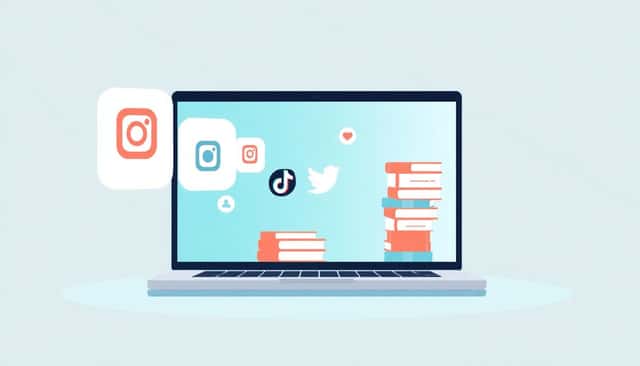
Pick 2–3 channels and commit. For many authors, that’s:
- Instagram (bookstagram + reels)
- TikTok (fast discovery)
- Twitter/X (community conversations)
Then build a simple content mix:
- 20% personal (you, your writing life)
- 40% book-related (quotes, themes, trailer)
- 40% audience value (questions, prompts, short “why this matters” posts)
Influencers & reviewers: be specific, not spammy. I’d rather contact 25 targeted people than blast 200 random accounts.
Here’s a practical approach for review outreach:
- Send 10–20 review requests 3–4 weeks before launch
- Send another 10 around 1–2 weeks before launch (with a quick follow-up)
- Include a media kit: cover, blurb, trailer link, and 2–3 “who it’s for” lines
- Ask for a post date window like “within 7–10 days after you finish”
And yes—metadata matters. On Amazon (and similar retailers), optimize:
- Categories (choose the closest match to buyer intent)
- Keywords (use terms readers actually search)
- Description (hook in the first 5–8 lines, then bullets or short sections)
Paid ads can help, but don’t throw money at them blindly. If you’re running ads, test one audience and one creative first. If CTR is low, change the hook or thumbnail. If CTR is decent but sales are weak, your page (or price/promo) needs work.
Also: engage like a human. If someone comments “I love this trope,” reply with something thoughtful—not “Thanks for your support!”
6. Host Interactive and Educational Activities
This is where you turn attention into fans.
Instead of “come watch me,” try “come do something.” Depending on your genre, you can host:
- Webinars tied to your topic/theme
- Live Q&A with a curated list of questions (so it doesn’t stall)
- Writing challenges (e.g., “Write a 300-word opening in this style”)
- Contests that generate content (character naming, cover caption, fan art)
- Discussion groups (especially great for nonfiction chapters)
Small freebies go a long way. Examples that usually feel “worth it”:
- Downloadable worksheets
- A bonus chapter or deleted scene
- A “starter guide” related to the book (for nonfiction, this is gold)
One honest note: don’t overbuild. If you’re a solo author, a single well-run session with a clear giveaway and a signup link beats a complicated event no one finishes. And if attendance is low, check the basics first—time zone, promo lead time, and whether you clearly stated the benefit.
7. Offer Easy Purchasing Options
I’ll say it plainly: people don’t “try to find the book.” They click, get distracted, and move on. So your job is to remove friction.
Here’s what I recommend setting up before launch day:
- Your book is available on the biggest retailers for your audience (at minimum, Amazon; then consider others like Apple Books or Barnes & Noble depending on your market).
- Print options are handled through print-on-demand so you don’t have to store inventory.
- A direct landing page exists so you don’t rely on social posts alone.
For print distribution, many authors use:
Then make the purchase path obvious:
- Put a “Buy Now” button in your bio and landing page
- Use consistent links (same URL everywhere) so you can track performance
- Offer both ebook and audiobook if your audience will use them
- Run a short discount or bundle window only if you can promote it (otherwise it’s just a price change)
- Use promo tools like Kindle Deals or BookBub when timing and audience fit
If sales aren’t moving, don’t immediately blame marketing. Check: is the cover readable at thumbnail size? Is the blurb clear in the first few lines? Is the price competitive for your genre?
FAQs
Start by writing down your goals, your target reader, your timeline, and the exact marketing moves you’ll run each week. A plan beats motivation every time.
Build a launch team from beta readers, friends, and niche supporters—and give them specific tasks (like posting a teaser on a set date or leaving a review after they finish).
Plan a mix of in-person and virtual events—readings, signings, Q&As, and workshops—so you can reach different audiences and keep the momentum going.