Table of Contents
I get it—promoting your book can feel intimidating, especially when the strategies out there seem endless and complicated. You’ve probably wondered how some authors manage to reach readers so effortlessly, leaving you scratching your head.
But here’s the good news: it doesn’t have to be complicated at all. Stick around, and I’ll walk you through eight straightforward steps—stuff like social media promotion, improving your book metadata, targeted ads, and building helpful connections—that’ll help readers find your book, love it, and recommend it.
Ready? Let’s dive right in.
Key Takeaways
- Promote consistently on platforms readers already love, like Instagram and TikTok.
- Boost visibility by optimizing title, keywords, categories, and descriptions on Amazon or bookstore websites.
- Reach targeted readers affordably through specific online ads, starting with small budgets.
- Build an email list with freebies; stay consistent and friendly in emails to keep your subscribers interested.
- Gather early reviews by sending advance copies to targeted reviewers a few months before launch.
- Grow your audience by partnering with book bloggers and influencers who fit your genre.
- Host engaging launch events online or locally to create interest and immediate book sales.
- Cultivate genuine friendships with other authors for mutual support and promotional opportunities.

Step 1: Use Social Media to Promote Your Book
Social media is the fastest—and probably the cheapest—way to spread the word about your book.
To build a strong presence, post consistently—two to three times per week is usually a good start—but make sure your content offers actual value to readers, not just promotions.
Instagram can be especially good for novels, where you can share aesthetically pleasing book covers, reader quotes, or short excerpts from your work.
You could even use winter writing prompts to inspire unique captions and posts that resonate with seasonal themes readers enjoy.
Platforms like TikTok have become surprisingly effective for book marketing, especially due to popular trends like BookTok, which helped boost overall book sales in recent years by roughly 1% annually, according to Jane Friedman.
Honestly, you’ll be surprised how powerful a quick video showing your book’s cover, paired with reader reactions, can be.
Step 2: Improve Book Metadata for Better Visibility
Book metadata basically means things like your title, subtitle, author name, keywords, categories, and book description.
Getting metadata right can help your book appear higher up in Amazon searches or on bookstore websites like Barnes & Noble.
Choose relevant categories based on actual genre trends—like mystery, thriller, and crime, which account for around 17-20% of adult fiction sales in the U.S. (Publishers Weekly)—to connect with readers who already love similar books.
Use strong, targeted keywords and phrases readers actually search for; tools like Amazon KDP’s keyword suggestions are useful.
Make your book description clear, engaging, and rich with keywords, and ensure your cover and title clearly communicate what your book’s about.
If you’re stuck on categories, spend some time analyzing top-selling book categories on Amazon to find a niche where your book could easily shine without getting lost in the crowd.
Step 3: Set Up Targeted Online Ads
Online advertising, especially through Facebook Ads, Google Ads, or Amazon Advertising, can put your book in front of large, targeted audiences who are already buying similar books.
Avoid overly broad targeting; you’ll get better results using specific interests, demographics, and behavior settings to reach your ideal readers.
For example, if your book appeals to aspiring authors, your ads might work well by appearing on popular writing blogs or articles like how to get a book published without an agent—places your audience regularly visits.
Start with a smaller budget to test your ads’ performance—maybe $5-10 a day—and carefully monitor conversions to adjust your strategy accordingly.
Regularly updating your ad text and visuals can prevent “ad fatigue,” where people stop noticing your ads because they’ve become overly familiar.
Keep in mind, it usually takes a little trial and error to figure out exactly what works best, so be patient and tweak as you go.
Step 4: Grow an Email List to Market Your Book
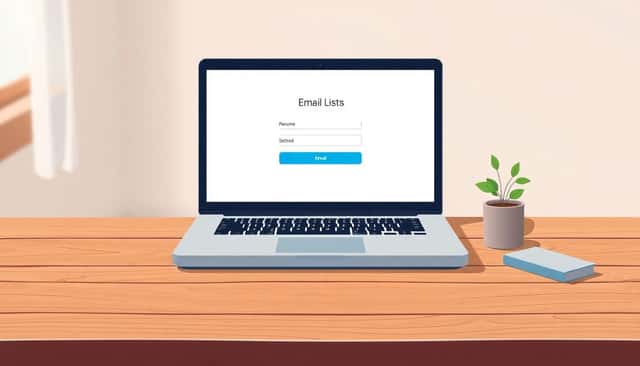
Building an email list is one of the most reliable ways to sell your books, especially as social media algorithms change and ad prices rise.
If you don’t already have an email list, start collecting emails by offering something free and helpful in exchange for readers subscribing—like a bonus chapter, a cool character backstory PDF, or even a checklist related to your topic.
Put signup forms prominently on your author website, and occasionally link to the landing page from your social media or Amazon author bio.
Send regular, chatty newsletters—they should sound human, like a quick email you’d send a friend, rather than overly salesy or formal.
Be consistent with your emails, maybe twice a month to start, and update subscribers when you have a sale, a new release, or fresh blog content they might find interesting.
Keep your open rates healthy by creating email subject lines that spark curiosity or offer clear, immediate benefits like “5 ways to make your hero unforgettable” or “Behind-the-scenes of my upcoming thriller cover design.”
Step 5: Send Early Copies to Get Reviews
Sending advance review copies (ARCs) is a tried-and-true tactic to generate early buzz around your book.
About 93% of consumers say online reviews impact their purchase decisions, so having reviews ready at launch is critical.
You can use services like BookBub or Goodreads to find reputable reviewers who enjoy your genre.
If you’re self-publishing through Amazon KDP, remember that reviews help you rise in Amazon’s algorithm, increasing your book’s visibility and potential sales.
Send professional, polite outreach emails to ask folks if they’d like a review copy, and make sure to include clear instructions on how they can leave an honest review.
Timing is important—send ARCs around 2 to 3 months before your launch so readers have ample time, but not so far out that the excitement fades.
Plus, a heartfelt thank-you note or shout-out when someone leaves a review builds goodwill and lasting connections.
Step 6: Connect with Book Bloggers and Influencers
Connecting with book bloggers and niche influencers can greatly expand your reach, especially in your specific genre.
Look for bloggers actively reviewing or recommending books similar to yours; check their follower engagement, not just follower count, and genuinely interact with their content first.
Book bloggers often appreciate a personalized, friendly introduction—I mean, who doesn’t?
Offer something of genuine value, like exclusive interviews, guest blog posts, or even author Q&A sessions followers would love.
For instance, if you’ve recently learned how to write a compelling foreword, that sort of expert insight could be ideal for guest posting on an influential publishing blog.
Also, keep track of relationships you form—a simple spreadsheet can help—so you can nurture these connections over time rather than just popping up when you have something new to sell.
Step 7: Organize a Book Launch Event
A book launch event can create an immediate burst of visibility and excitement on your release day, boosting early sales figures significantly.
Launch events don’t have to be big-budget or fancy; virtual events, webinars, or live social media Q&A sessions can be both effective and budget-friendly.
If you go physical, partner with a local bookstore or coffee shop—it helps them attract customers, and it gets your book displayed prominently right where readers go regularly.
Make your event appealing by offering something beyond just “come buy my book,” such as discussing intriguing features about your writing process, hosting a fun trivia contest, or reading an intriguing snippet that’ll whet everyone’s appetite.
Use your email list to promote the event well in advance and, if it’s virtual, create a dedicated landing page to capture more email sign-ups.
Remember to snap pictures or record short clips to spread highlights on social media afterward.
Step 8: Build Relationships with Other Authors
Forming real connections with fellow authors isn’t just good for your creativity—it’s fantastic for book marketing.
Authors you’ve befriended are more likely to genuinely promote and support your book, from sharing your launches on their social accounts to providing quotes for your cover.
Find fellow authors through writing groups on Facebook, local meetups, or platforms like Goodreads and even Instagram.
Collaboration also helps; for example, if you’re tackling unique writing projects like learning how to publish a coloring book or designing specialized journals, connecting with related authors can create mutual promotion and learning opportunities.
Also consider cross-promoting—maybe host a joint giveaway, box set compilation, or webinars on book-marketing strategies.
Always approach relationships with the mindset of kindness and genuine connection, rather than what someone can do for you directly.
FAQs
Aim to post at least three to four times per week to stay visible without overwhelming your audience. Regular, engaging posts build reader anticipation and maintain interest in your book leading up to and after launch date.
Accurate, detailed metadata including title, author, genre-specific keywords, categories, and a compelling book description help potential readers discover and select your book through search engines and digital bookstores.
Facebook and Instagram offer precise targeting options useful for authors. Amazon Ads can connect you directly with readers already searching for similar titles or genres, increasing the likelihood they’ll purchase your book.
Giveaways offering valuable incentives—such as free chapters, sample excerpts, or exclusive bonus content—can stimulate reader interest and significantly grow your email subscriber list ahead of an official book launch.