Table of Contents
If you’re trying to get your book noticed, it can feel like you’re shouting into the void. And honestly? I get it. I’ve been on both sides of this—watching a launch stall after the cover reveal, and then realizing the real bottleneck wasn’t the writing. It was visibility, credibility, and the lack of a plan to get your book in front of the right readers.
That’s where book publicity services come in. Whether you’re gearing up for a pre-launch (getting reviews, interviews, and early buzz) or you’re already live and trying to reignite momentum, publicity helps you earn attention instead of just hoping the algorithm does your job.
In my experience, the best publicity work feels structured, not chaotic. You get clear deliverables (press kit, pitch angles, outreach lists), a timeline you can actually follow, and reporting that tells you what to double down on—rather than vague “good vibes” updates.
Key Takeaways
Key Takeaways
- Book publicity services help authors earn visibility through media coverage, reviews, interviews, and events—often leading to more consistent sales.
- Common services include media outreach, press releases, media kits, author interviews, podcast/blog pitching, reviewer outreach, and launch events.
- Choosing an agency isn’t just “do they seem nice?” Match their niche expertise to your genre and goals, then verify with real examples (campaigns, placements, reporting style).
- Publicity is earned media. Marketing is usually direct paid or owned promotion. Promotion is often short-term tactics like discounts, bundles, and giveaways.
- Your genre matters operationally—an agency should understand the reviewer ecosystem, media outlets, podcast categories, and typical messaging that works in your niche.
- Budgeting is about clarity: know what you’re buying (PR-only vs PR + outreach + review strategy + events) and set tiers based on your timeline.
- Stand out by personalizing pitches, using a press kit that’s actually usable, and tying your book to timely hooks (seasonal angles, trend tie-ins, or reader-specific themes).
- Measure success with specific KPIs per channel (pitch-to-response rate, placements, review count, click-through rate, conversions using UTM links or promo codes).
- Avoid common pitfalls like mass-emailing generic pitches, ignoring follow-ups, and expecting instant bestseller results from publicity alone.

Step 1: Understand Why Book Publicity Services Are Essential
Let’s be real: the book market is packed. If you don’t have distribution, visibility, and credibility lined up, your launch can look “successful” on paper while sales stay flat.
Publicity helps solve that credibility gap. Instead of relying on ads or hoping readers stumble across your listing, you’re working to earn attention from people who already have trust—journalists, bloggers, podcasters, reviewers, and media outlets.
Here’s what I’ve noticed across launches: when publicity is done well, it creates a chain reaction. A review or interview gets shared. That share drives clicks. Those clicks lead to more reviews. More reviews improve discoverability. It’s not instant, but it’s compounding.
And yes, the numbers are big—Statista projects book market growth, and the U.S. sees hundreds of millions of print books sold annually. With that much competition, book publicity services give you a structured way to get in front of the right audiences and turn attention into sales.
Step 2: Know the Main Services Included in Book Publicity
Different agencies package publicity differently, but most competent book publicity services include a few core pieces. Think of it like building a campaign, not just sending emails.
- Media outreach (targeted pitching): A real outreach list matters. You want journalists, bloggers, and reviewers who actually cover your genre—not random outlets that accept “any book.”
- Press releases (newsworthy angles): This isn’t just “here’s my book.” A strong release has a hook (theme, timely topic, unique angle) and a clear reason it belongs in the outlet’s coverage.
- Press kit / media kit: Usually includes an author bio, book synopsis, high-res cover, author headshot, interview questions/answers, and links (website, socials, buy links).
- Author interviews and features: Podcast guest pitches, blog interviews, radio appearances—anything that positions you as the expert, not just the person who wrote a book.
- Social media support: Many agencies help plan posts, create graphics, and coordinate announcements. Some also manage influencer-style promos.
- Launch events: Virtual readings, livestream Q&As, or in-person coordination (depending on budget and niche).
- Review & blogger outreach: Requesting reviews and arranging ARC distribution. The best agencies track who responded and who actually posted.
Quick practical note: your press kit should be easy to skim. I like kits that include a one-page “quick facts” section plus a longer “details” section. If a media contact has to hunt for buy links or author photos, you’ve already lost momentum.
Typical timeline (what I’d expect from a solid team): a pre-launch phase (often 3–6 weeks) to prep assets and pitch early, then a launch phase (2–8 weeks) to secure reviews, features, and interviews, followed by a post-launch phase to keep the momentum going (new angles, follow-ups, and additional placements).
Step 3: Find Publicity Agencies That Suit Your Book and Goals
Not all publicity agencies are a match. And “they do publicity” isn’t enough. I look for operational fit—how they work day-to-day.
Here’s what “understands your genre” should mean in practice:
- They have a genre-specific outreach list (or they build one with you).
- They know the typical media formats for your niche (book blogs vs literary magazines vs podcast categories).
- They report in a way that’s useful (response rates, placements, and next steps).
- They follow compliance rules (especially around ARC requests, disclosure guidelines, and review policies).
- They can explain their pitch strategy clearly—what angle they’re using and why.
When I’ve seen campaigns succeed, it’s usually because the agency didn’t treat every book the same. A romance book doesn’t pitch like a nonfiction guide. A thriller doesn’t sell the same way as a cozy mystery. The messaging and media targets are different.
What to ask before you hire:
- “Can you share a sample pitch email and a sample subject line you’d use for my book?”
- “How many pitches do you send per week, and what’s your typical pitch-to-response rate?”
- “What does your reporting include—placements only, or also outreach stats and follow-up outcomes?”
- “Do you provide a 30/60/90-day plan for my launch?”
- “How do you handle follow-ups when a contact doesn’t respond the first time?”
If you can, ask for anonymized case studies. I’m not talking about “we got coverage.” I mean numbers like: total placements, review count, approximate timing, and what they changed when something didn’t work.
What’s the Difference Between Publicity, Marketing, and Promotion?
I used to lump these together, and it cost me time. Here’s the clean way to think about it:
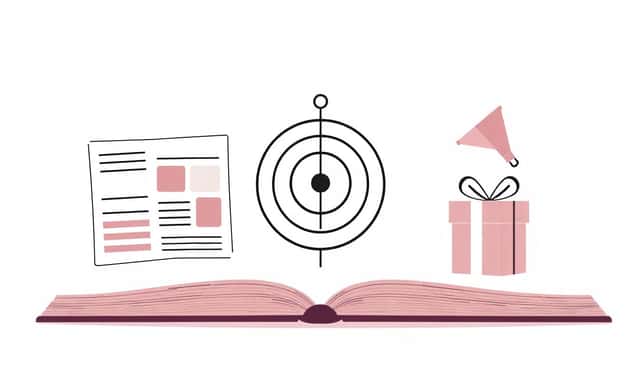
- Publicity: earned media. You’re trying to get reviews, interviews, articles, and features without paying for the placement.
- Marketing: direct campaigns to reach readers (often paid ads, email sequences, landing pages, and other targeted outreach).
- Promotion: short-term incentives like discounts, bundles, giveaways, or limited-time deals.
Example: getting a review in a genre blog is publicity. Running a Facebook ad to your Amazon page is marketing. Offering a limited-time $0.99 deal is promotion.
My preference? Don’t treat them like separate universes. A good strategy uses publicity to build credibility, marketing to capture and convert interest, and promotion to create urgency during key windows (launch week, review push, holiday spikes).
How to Select the Best Publicity Service Based on Your Book Genre
Your genre affects everything: who covers it, how they write about it, and what readers expect. So choosing book publicity services without considering genre is like choosing a fishing rod without knowing the lake.
What I look for by genre:
- Romance: outreach to romance reviewers, relationship-focused blogs, and podcasts that cover tropes and subgenres (second-chance, enemies-to-lovers, etc.).
- Thriller / suspense: crime and investigation podcasts, suspense blogs, and reviewers who consistently post on release schedules.
- Kids’ books: family media, school/community channels, and reviewers who focus on age-appropriate reading.
- Nonfiction: niche experts, industry publications, podcast hosts who talk about the specific problem your book solves.
Here’s a practical test: ask the agency to describe their pitch angle in one paragraph. If they can’t connect your book’s themes to the outlet’s audience, that’s a red flag.
Understanding Book Publicity Costs and Budgeting Tips
Let’s talk money—because publicity pricing can look all over the place.
In my experience, you’ll usually see pricing that falls into a few common tiers:
- PR-only / basic packages: often $500–$2,000. Usually includes press release writing and a limited amount of pitching or asset building.
- Mid-tier campaigns: often $2,000–$7,500. More outreach, better targeting, a stronger media kit, and more structured follow-ups.
- Full-service / premium: often $7,500–$20,000+. Typically includes extensive outreach, review strategy, events support, and more hands-on campaign management.
Those ranges aren’t a guarantee (some agencies price differently), but they help you sanity-check proposals.
What you should confirm in any quote:
- What’s included (press release? media kit? number of pitches? review outreach? events?)
- How long the campaign runs (and what happens after it ends)
- How many assets you’ll receive (number of press kit versions, graphic deliverables, etc.)
- What reporting you get and how often (weekly vs biweekly)
And please don’t overspend early just to feel productive. I’d rather see you invest in the parts that improve reviewability and pitch acceptance (clean formatting, a usable press kit, and a clear hook) than pay for a “big campaign” with weak deliverables.
Tips for Making Your Publicity Campaign Stand Out
Want to stand out? Here are the tactics that consistently matter—because they make your book easier to say “yes” to.
1) Nail your pitch angle (and keep it specific).
A strong pitch has a hook and a reason the outlet’s audience should care. I like to include:
- Subject line: short, specific, and relevant (e.g., “Interview request: [Book Title]—a [subgenre] story about [theme]”)
- First line: 1 sentence that explains why it’s timely or different
- 2–4 sentence summary: no plot dumping, just clarity
- Why you: 1 line about your author perspective or expertise
- What you’re asking for: review, interview, feature, or guest segment
2) Build a press kit that’s actually press-ready.
A media kit should typically include:
- Author bio (100–150 words + extended bio)
- Book synopsis (150–250 words)
- High-res cover (and any alternate cover art if available)
- Author headshots (at least 1–3 options)
- Buy links (Amazon/website) and ebook/audiobook format details
- Interview Q&A or “talking points”
3) Use a 30/60/90-day plan (not just “launch and hope”).
- First 30 days: assets + outreach list + initial pitches + ARC/review strategy setup
- Days 31–60: follow-ups, interview confirmations, review scheduling, and second-wave pitching
- Days 61–90: post-launch angles, additional outlets, and momentum pushes based on what worked
4) Personalize without making it exhausting.
You don’t need to write a novel for every email. But you should reference something real—an article they published, a podcast theme they cover, or a reviewer’s past focus. Generic pitches get ignored. Every time.
5) Tie your campaign to a timely hook.
Examples: a seasonal theme (summer reads, back-to-school, holiday family stories), a trend angle (workplace burnout, AI ethics, mental health), or a “why now” reason that makes the book feel relevant today.
6) Don’t forget the “human” part.
If you can, record a short author intro video (30–60 seconds). It’s amazing how often that simple asset helps hosts and reviewers decide you’re easy to work with.
How to Measure the Success of Your Publicity Efforts
Measuring publicity is where most authors get stuck. They either track nothing, or they only look at social likes and call it a day.
Here’s a better framework I’ve used: track KPIs per channel, and connect them to actions you can actually influence.
1) Outreach KPIs (before you even get placements):
- Pitch sent count (by outlet type)
- Response rate (responses ÷ pitches)
- Positive response rate (requests for ARC, interview acceptance, etc.)
- Follow-up outcomes (how many “no reply” turn into “yes” later)
2) Placement KPIs (what the public actually sees):
- Number of reviews posted and the average time from request to posting
- Interview/feature count and the audience size of each outlet (where available)
- Quality indicators: do the outlets match your genre? Are the posts shared?
3) Conversion KPIs (did it lead to sales?):
- Click-through rate (CTR) from your links
- Conversion rate on your landing page or store page
- Sales lift during and after placements
Attribution tip that actually works: use UTM links for your website and run a simple promo code (like PROMO-APRIL) for a 2–3 week window. That way, when a review goes live, you can see if traffic and purchases spike right after.
When you have that data, decisions get easier. If placements are happening but sales don’t move, we adjust the offer, the landing page, or the buy-link flow. If responses are low, we revise pitch angles and outlet targeting. It’s not guesswork anymore.
Common Mistakes to Avoid in Book Publicity
Let’s turn “mistakes” into something actionable—what to do instead.
-
Mistake: sending the same pitch to everyone.
Do this instead: create 2–3 pitch versions tied to subgenres/outlet types (blogs vs podcasts vs review sites). Reference one relevant detail about the outlet or show. -
Mistake: targeting the wrong media.
Do this instead: only pitch outlets that cover your genre consistently. Ask the agency to show a sample outreach list (even a partial one) before you start. -
Mistake: over-promoting in every message.
Do this instead: focus on the story angle and reader benefit. Your book isn’t a flyer. It’s a fit. -
Mistake: skipping follow-ups.
Do this instead: schedule a follow-up at 5–7 business days. A polite “bumping this in case it got buried” often earns replies. -
Mistake: expecting instant bestseller results.
Do this instead: plan for a multi-week campaign. Publicity builds. Track results by week, not by day. -
Mistake: ignoring the press kit quality.
Do this instead: proofread bios, use high-res cover images, and make sure buy links work. I’ve seen “great pitch” campaigns stall because the media kit link didn’t load.
FAQs
Publicity helps you earn awareness through reviews, interviews, and media features—things readers trust. In practice, that credibility often translates into more visibility, more clicks to your buy links, and better sales momentum than relying on ads alone.
Most book publicity services include press release writing, media kit creation, media pitching/outreach, author interview requests (podcasts/blogs), review and blogger outreach, and sometimes event support and social media coordination.
Look for genre fit and ask for proof: request case studies (even anonymized), clarify their process (outreach lists, pitch angles, follow-ups), and confirm what reporting you’ll receive. If they can’t explain how they’ll measure progress, keep looking.
Publicity is earned coverage (reviews, interviews, features). Marketing is the strategy and campaigns that directly reach readers (often ads and email). Promotion is short-term incentive work like discounts, bundles, or giveaways. Together, they support different stages of your launch.