Table of Contents
If you love books but get lost trying to find the best reading events, you’re not alone. Sometimes the world of book events can feel a bit overwhelming or just plain confusing. But don’t worry—there are many cool events happening in 2025 that you’ll want to know about.
Stick with me, and I’ll share the top book reading events this year, everything from dates and places to what makes each special. Plus, I’ll give you simple tips on how to join in and why attending can make your reading life way more fun. Ready to discover some awesome book events? Let’s go!
Key Takeaways
Key Takeaways
- 2025 has many big book events worldwide, like the Frankfurt Book Fair, London Book Festival, and National Book Festival. These events feature readings, panels, and book signings and are great for connecting with authors and fellow readers.
- Major events happen on specific dates and locations, so check schedules online beforehand. Mark your calendar for the ones that interest you to plan ahead and attend smoothly.
- Each event focuses on different genres or themes, from trade discussions at Frankfurt to diverse voices at the London Book Festival. Expect activities like panel discussions, live readings, and book signings.
- To enjoy these events more, plan your schedule, arrive early, ask questions, and talk to others. Bringing a notebook helps you remember exciting titles or ideas you discover.
- The book world is shifting with more digital sales, audiobooks, and support for indie stores. This creates more chances for everyone to find books in formats they love and for indie authors to shine.
- Local bookstores and smaller gatherings play a big role in building reading communities. Attending these can help you find new books, meet authors, and support local businesses.
Step 1: List of Top Book Reading Events in 2026
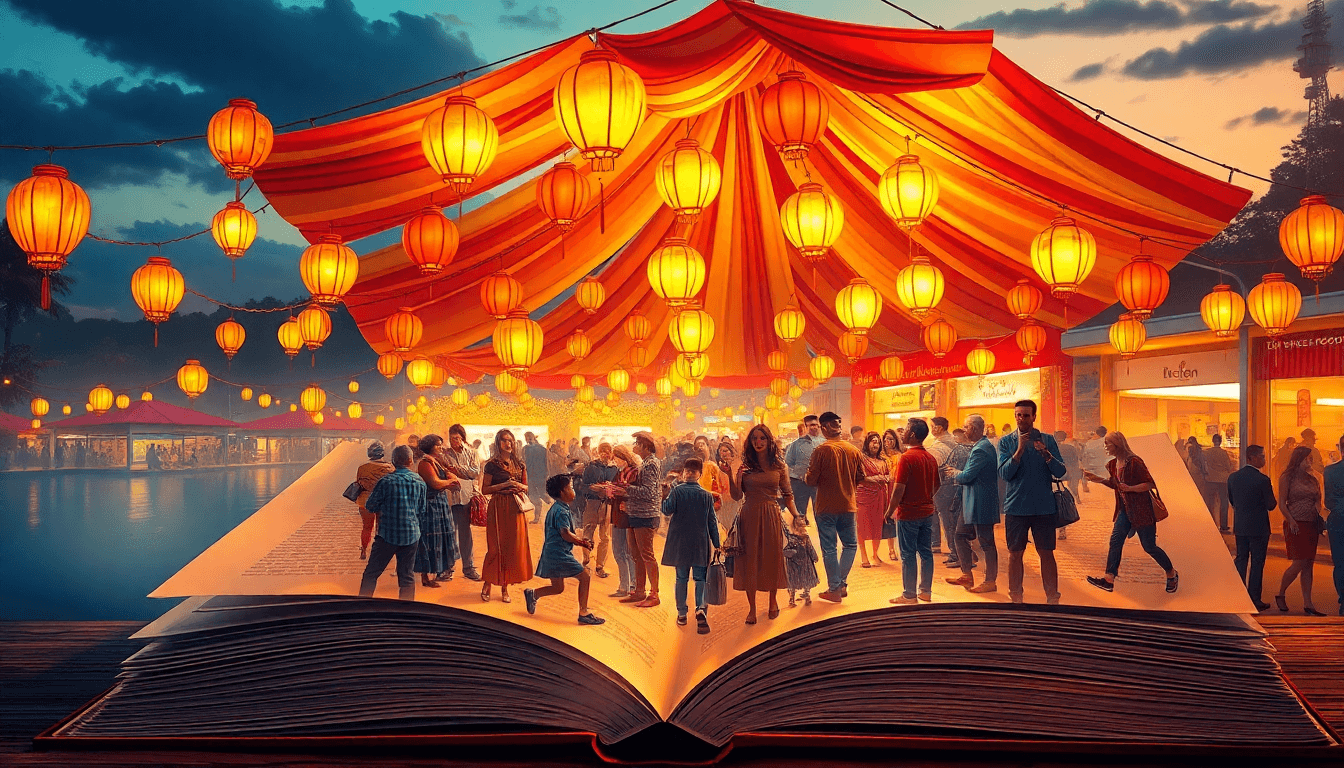
Looking to immerse yourself in the world of literature? 2025 is shaping up to be a big year for book lovers, with numerous memorable events around the globe. Some of the top book reading events include the annual Winter Literary Festival in New York, where authors gather to share excerpts and discuss storytelling. The Horror Writers Conference in San Francisco is perfect for fans of spooky tales and author Q&A sessions. Don’t miss the Frankfurt Book Fair, the largest of its kind, attracting over 300,000 visitors eager to discover new books and authors. Other notable events include the London Book Festival and the Sydney Readers’ Convention, each offering a variety of readings, panels, and book signings. Keep an eye on local bookstores and libraries for smaller, themed reading nights and author meet-and-greets that happen throughout the year. With so many options, there’s no excuse not to attend at least one!
Step 2: Details of Major Book Events, Including Dates and Locations
Major book events in 2025 are scheduled across different parts of the world, making it easy to find something nearby or plan a trip. The Frankfurt Book Fair runs from October 15–19 in Germany, bringing together publishers, authors, and readers for five days of panels, readings, and networking. The London Book Festival is set for June 10–14 at the Southbank Centre, with a schedule full of author readings and book launches. In the United States, the National Book Festival is planned for September 12–14 in Washington, D.C., featuring author panels and book signings. In Australia, the Sydney Readers’ Convention takes place August 5–7 at the Sydney Opera House, with a focus on contemporary literature. Smaller events like local literary nights and themed reading series are often held monthly at bookstores or community centers in your area. Checking event websites and social media pages will help you stay updated with exact dates and location details.
Step 3: Descriptions of Each Event’s Focus and Activities
Each book reading event has its own vibe, focusing on different genres or themes. The Frankfurt Book Fair is a massive trade event, but it also hosts public readings with emerging authors and special panel discussions on the future of publishing. The London Book Festival emphasizes diverse voices and features multiple panel discussions, author interviews, and interactive readings, which are often family-friendly. The National Book Festival offers a relaxed atmosphere where authors introduce their new works through readings and engage in Q&A sessions—perfect for both casual readers and die-hard fans. The Sydney Readers’ Convention centers on contemporary fiction, hosting workshops, book signings, and themed panel discussions. Smaller local events, like bookstore read-alongs, often focus on genres such as mysteries, romance, or young adult fiction, providing opportunities for direct interaction with authors. No matter the event, activities typically include book signings, panel discussions, and live readings, making each one a unique way to connect with literature and authors firsthand.

Step 6: How to Maximize Your Experience at Book Reading Events
Want to get the most out of your time at book festivals and literary events? Arriving prepared is key.
Check the event schedule ahead of time and plan which panels, readings, or signings you really want to attend—don’t try to do everything.
Bring a notebook or a note-taking app to jot down interesting ideas or book titles you discover.
Follow the event’s social media pages for last-minute updates and extra tips on where to catch favorite authors or special sessions.
If possible, arrive early to secure good seats and beat the rush for book signings and popular panels.
Don’t be shy about asking questions during Q&A sessions; it’s your chance to connect and get insights straight from the authors.
Take advantage of opportunities to meet other readers; sometimes, sharing your thoughts can lead to great new friendships.
Remember, engaging genuinely with the event and its attendees makes the experience much richer.
If an author mentions a new project or book, consider buying a copy at the event—supporting authors directly is always a win.
Finally, leave with some new favorite titles or contacts—these events are all about building your reading community.
Step 7: Trends and Growing Opportunities in Book Publishing and Reading
The book world is changing fast, and 2025 is no different. Book sales are booming, especially online, with digital formats like audiobooks gaining even more ground—double-digit growth shows that people love listening to stories on the go.
In fact, digital sales now make up nearly 30% of all book sales worldwide, which means more options to enjoy books in new ways.
Print books still hold their charm, with nearly 789 million units sold in the U.S. in 2022, proving that physical copies are here to stay—though maybe a little less dominant than before.
Independent bookstores are seeing a big comeback, especially on [Independent Bookstore Day](https://automateed.com/winter-writing-prompts/), where sales jumped over 170% last year, and online engagement is soaring.
This gives authors and publishers a chance to focus on creative, niche titles that serve specific audiences, rather than just chasing mainstream hits.
There’s even a noticeable shift toward more diverse stories and voices, reflecting the wide world we live in.
For writers, this means more opportunities to publish independently, with tools and platforms making it easier to get your book in front of readers.
Keep an eye on trends—what’s hot now might be another genre or format next year, so staying adaptable is key.
Whether it’s traditional publishing or self-publishing, now’s a great time to get your story out there and find your audience.
Step 8: How Small Book Events and Local Bookstores Contribute to the Scene
Your local bookstore might just be the unsung hero of the literary world. These smaller events, like themed reading nights or author meet-and-greets, happen all year round and can be surprisingly influential.
Participating in these events helps build a tight-knit community and creates a more personal connection to books and authors.
Many of these gatherings focus on specific genres—mysteries, romances, or YA novels—so you can find something that really sparks your interest.
Don’t underestimate the power of showing up—sometimes, a simple book club at your local store leads to discovering new authors and ideas.
Plus, local stores often organize writing workshops or story swaps that give aspiring writers a chance to learn and grow.
Supporting community bookstores keeps literary culture alive in your neighborhood and boosts small business.
If you’re looking for ways to get more involved, ask about upcoming events or volunteer opportunities – your participation can make a big difference.
And hey, chances are you’ll leave with a new favorite book, or even a signed copy from a local author.
Remember, the heart of reading isn’t just big festivals; it’s also those cozy gatherings right around the corner.
FAQs
How can I find the top book reading events in 2026?
You can discover the top book reading events in 2025 by checking event calendars, visiting publisher websites, following literary organizations, and joining book-related forums or social media groups for updates.
To participate, register online or at the event, buy tickets if needed, or join through social media groups. Follow event instructions for registration deadlines and any required materials or pre-event activities.
Attending book reading events allows you to discover new authors, meet like-minded readers, gain insights into books, and enhance your literary knowledge through engaging discussions and activities.