Table of Contents
Building a book series isn’t just about writing great stories, it’s about making sure readers recognize it easily. Many authors struggle with making their series stand out and look cohesive. If that sounds familiar, don’t worry—there’s a way to make your series look professional and appealing at a glance.
Keep reading, and I’ll show you some simple tricks to create a strong visual identity that sticks, from cover art to online promos. These tips will help your series not only catch eyes but also stay memorable, making readers want to pick up the next book in the series without a second thought.
By the end, you’ll have clear ideas on how to give your series a unified look and feel, so it’s irresistible to new and returning fans alike. Let’s get started on making your book series the one everyone talks about.
Key Takeaways
Key Takeaways
- Create a consistent visual style for your series using specific colors, fonts, and design elements that make your books easily recognizable. This helps your series stand out on shelves and online.
- Keep typography uniform across all your books with the same fonts and formatting. This adds professionalism and makes it simple for readers to identify your work quickly.
- Design covers that reflect your series identity with recurring symbols, colors, and styles. A good cover communicates the series’ tone and encourages readers to pick up each book.
- Use recurring visual elements like logos or styles on all covers to build familiarity. This connection makes your series more cohesive and memorable.
- Offer different entry points, like prequels or spin-offs, to attract new readers who may not start from the beginning. This broadens your audience and increases sales.
- Cross-promote your books through social media, author websites, and online platforms. Linking your series helps each book support the others and encourages readers to explore the full story.
- Build a strong online presence by sharing updates, teaser content, and engaging with readers through social media and newsletters. This boosts recognition and interest in your series.
- Use bundles and special editions, such as boxed sets or signed copies, to entice fans and increase sales. Offering limited-time discounts can also make readers more eager to buy.

1. Establish a Clear Visual Style for Your Book Series
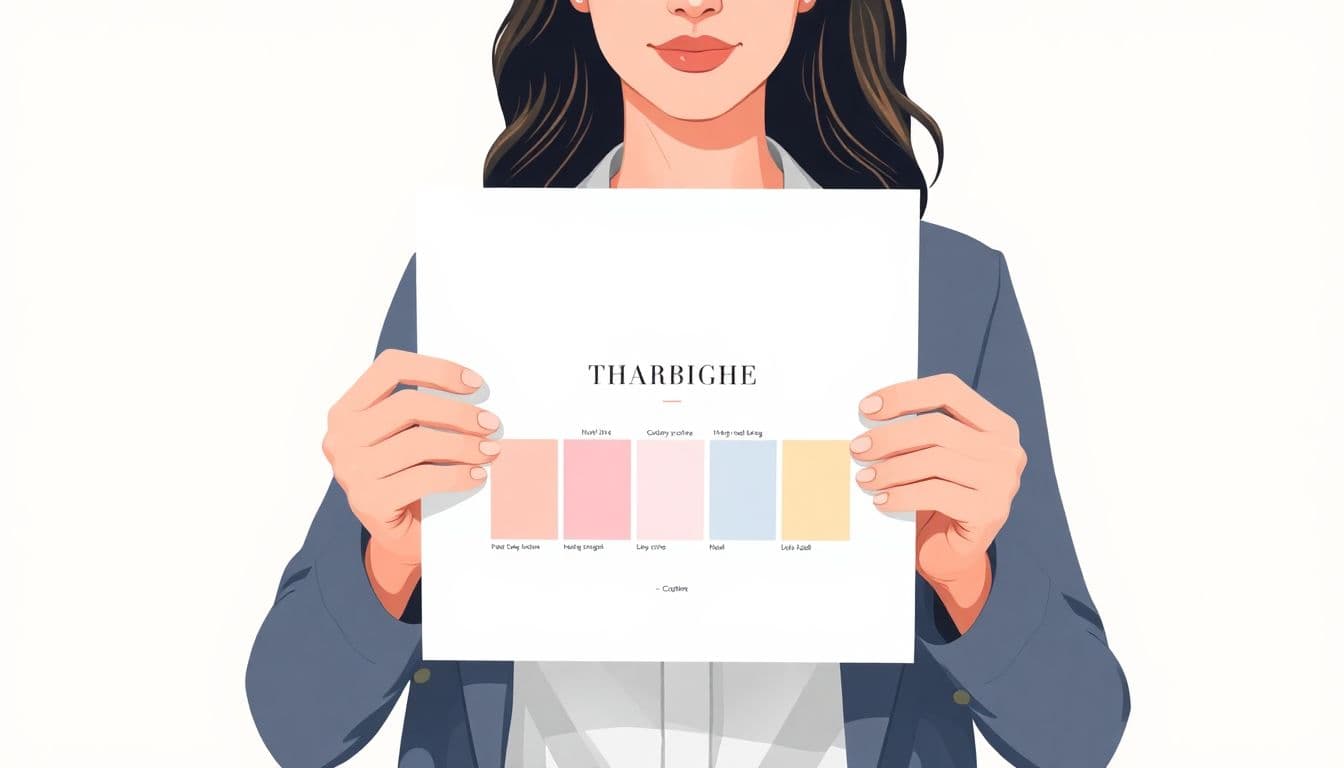
Creating a consistent visual style is the first step in building a strong series brand. Think of it as giving your series a signature look that readers can instantly recognize. Use a specific color palette, recurring design elements, and a cohesive layout across all your covers and promotional materials.
Start by choosing a color scheme that fits the mood of your series. For example, dark and moody tones work well for thrillers, while bright, cheerful colors are perfect for children’s books. Consistently apply these colors to your covers, website, and social media posts.
Make sure your cover design style—font choices, imagery, and layout—remains uniform. This doesn’t mean every cover has to be identical, but they should feel like part of the same family. For inspiration, look at successful series like the
best fonts for book covers or browse series on platforms like Amazon.
By establishing a recognizable visual style, you help potential readers know what to expect and make your series stand out on bookshelves and digital storefronts alike.
2. Maintain Consistent Typography Across All Books
Typography isn’t just about font choice; it’s about creating a seamless reading experience that ties your series together. Using the same fonts for titles, author name placement, and internal text across all books helps reinforce your brand identity.
Pick a primary font for your covers and a complementary font for internal text that reflect the tone of your series. For example, a serif font might convey tradition or seriousness, while a sans-serif could feel modern and clean. Stick with these choices to avoid visual confusion.
Pay attention to font size, line spacing, and heading styles so that each book looks like it belongs to the same family. This consistency not only enhances professionalism but also helps loyal readers immediately recognize your work, even if they haven’t seen the cover beforehand.
If you’re publishing digitally, check how your fonts display on various devices. Tools like the best word processors for writers can help ensure you maintain typography standards across formats.
Remember, consistent typography isn’t just aesthetically pleasing—it’s a subtle way to build trust and familiarity with your audience.
3. Design Cover Artwork That Reflects Your Series Identity
Your book cover is often the first thing a reader notices—so make it count. The cover should visually tell the story of your series and hint at its themes, characters, or tone. Consistent style elements—like recurring symbols, character silhouettes, or specific illustration styles—help create a visual language for your series.
Start by defining key visual motifs that will appear in every cover. For example, if your series features mystical creatures, incorporate similar mystical elements like stars or runes. If it’s a detective series, use similar silhouettes and urban backgrounds.
Use a dedicated color palette, as mentioned earlier, to evoke the right emotional response. For instance, cool blues and silvers might suit a sci-fi series, while warm earth tones fit a historical fiction series.
Stay consistent with font styles for titles and author names to further unify your covers. Also, consider hiring a professional cover designer who understands branding and series marketing.
Having a series logo or a distinctive badge placed consistently on each cover can be a subtle but effective branding tool. Check out examples like the
how to create content books for Amazon KDP or explore successful series for ideas.
Great cover art not only attracts attention but also quickly communicates what your series is about, making readers more likely to pick up your next book.

4. Use Recurring Elements to Help Readers Connect the Books
If you want readers to recognize your series instantly, include recurring design elements across all books.
Think of these as your series’ signature touches, like a visual handshake.
This could be a specific symbol, a consistent background pattern, or a certain style of illustration.
For example, many popular urban fantasy series feature a unique emblem on every cover, subtly hinting at the story’s core.
Such familiar cues make it easier for readers to pick out your books among others on the shelf or in an online list.
Besides visuals, consider maintaining a consistent tone or narrative style within your series, which helps establish a mood that readers come to expect.
Remember, the goal is to create an undercurrent of familiarity without making every cover look identical.
This way, your series feels cohesive and inviting without losing its individual charm.
Take cues from successful series, like the “Percy Jackson” books, which use a distinctive logo and a similar illustration style to unite all volumes.
Use these recurring features to anchor your series’ identity and encourage fans to follow along from one book to the next.
5. Create Multiple Entry Points for New Readers
Not everyone starts reading a series from the very first book, and that’s okay.
Offering ways for new readers to jump in can increase your overall readership and sales.
Consider publishing a shorter prequel or a standalone spin-off that introduces key characters or themes without requiring readers to start at the beginning.
You could also provide a detailed series guide or a “reading order” in your book descriptions or on your website.
Think about creating a free or low-cost novella or short story that acts as an appetizer, hooking new readers and leading them into your larger story.
Using serialized models on platforms like [Wattpad](https://www.wattpad.com) or [Kindle Vella](https://kdp.amazon.com/en_US/help/topic/G202173040) is another way to welcome newcomers gradually.
This approach lets readers sample your style without committing fully upfront, boosting the chance they’ll explore your entire series later.
Keep in mind, positioning your books strategically on digital marketplaces—like making sure your first book is easily discoverable—can also open the door for new fans.
6. Use Cross-Promotion to Build Series Recognition
If you have multiple books in a series, don’t let them sit on separate shelves or pages without linking them together.
Cross-promoting your books helps each part of your series strengthen the others.
Interact with your audience on social media by mentioning upcoming releases or linking to your other books.
Use your author website to feature a dedicated series page that highlights all your titles, with links to purchase.
In your book descriptions, mention the whole series or suggest the next book to read, creating a natural transition.
Leverage platforms like [BookBub](https://www.bookbub.com/writers) or Goodreads to run promotions that feature your entire series.
You can also bundle your books at a discount or offer a freebie, like a short story or bonus chapter, to encourage readers to explore the full series.
Most importantly, small touches like consistent branding and clear series numbering make it obvious that these books are part of a larger story.
7. Develop Online Strategies to Promote Your Series
Getting your series noticed online is more important than ever.
Start by building a strong presence on social media—think TikTok, Instagram, or Twitter—where book lovers hang out.
Participate in relevant hashtags like #BookTok, which has become a powerful tool for discovering new books.
Regularly share updates, behind-the-scenes insights, or teaser snippets from your upcoming releases.
Consider creating engaging content such as character profiles, book trailers, or reader polls to keep your audience involved.
Join online communities and forums dedicated to your genre, like Reddit or specific Facebook groups, to connect directly with potential readers.
Email newsletters are another effective way to keep fans informed about new releases, bundle deals, or exclusive content.
Publishing on platforms like [Kindle Unlimited](https://kdp.amazon.com/en_US/help/topic/G201289180) offers visibility in subscription services, especially when you release new books.
Lastly, collaboration with influencers or participating in virtual book events can massively boost your series recognition and sales.
8. Offer Bundles and Special Editions to Boost Sales
People love feeling like they’re getting a deal, especially when it’s for a series they’re into.
Bundling your books—like selling the first three in a boxed set—can drive up sales and introduce new readers to your work.
Special editions, such as signed copies, illustrated versions, or hardcover reprints, add a sense of exclusivity that fans appreciate.
Limited-time discounts on bundles or promotions during holiday seasons can create urgency and lift sales numbers.
Consider creating a “collector’s edition” with bonus content, author commentary, or behind-the-scenes stories.
Offering a free or discounted ebook with the purchase of a full set can also entice readers to commit.
Also, look into digital platforms that support bundles or bundle discounts—these can make the process easier and more visible.
These tactics not only boost sales but also help solidify your series’ presence in readers’ minds and bookshelves.
FAQs
Start by choosing a color palette, font styles, and design elements that reflect your series’ theme. Apply these consistently across all books and promotional materials to create a recognizable and unified look.
Select a set of fonts for headings, body text, and captions. Use these fonts in all books and marketing materials, and set standard sizes and spacing to maintain uniformity.
Create covers that visually connect to each other using similar colors, fonts, or motifs. Ensure each cover represents its individual story while maintaining series cohesion.
Offer shorter stories, prequels, or companion guides that introduce your series to new readers. These entry points can attract a broader audience and encourage series loyalty.