Table of Contents
I’m going to be honest: most book trailers don’t fail because the concept is bad. They fail because they’re too long, too spoiler-y, or they don’t sound (or look) like a “real” trailer. And yes—video matters for discovery. YouTube is where a lot of people actually go to watch, then decide what to read next.
That’s why I like to treat a book trailer like a mini film experience: a tight hook, a clear mood, and a simple call to action—without giving away the ending.
⚡ TL;DR – Key Takeaways
- •Book trailers are short, cinematic videos that sell the feeling of a book—theme, tone, stakes—without spoiling the plot.
- •Target 30–90 seconds. In my tests, 45–60 seconds is the sweet spot for social feeds, while 60–90 seconds works better on YouTube.
- •Use a hook in the first 3–5 seconds (a question, a promise, or a visual “threat”). Then keep momentum with clean pacing and sound design.
- •Avoid the classic mistake: dumping plot. Show 3 theme moments, include 0 plot twists, and save the “what happens” for the book.
- •If you want help speeding things up, tools like Automateed can assist with parts of production (like scripting and editing workflows). Just don’t skip your creative direction—your voice still matters.
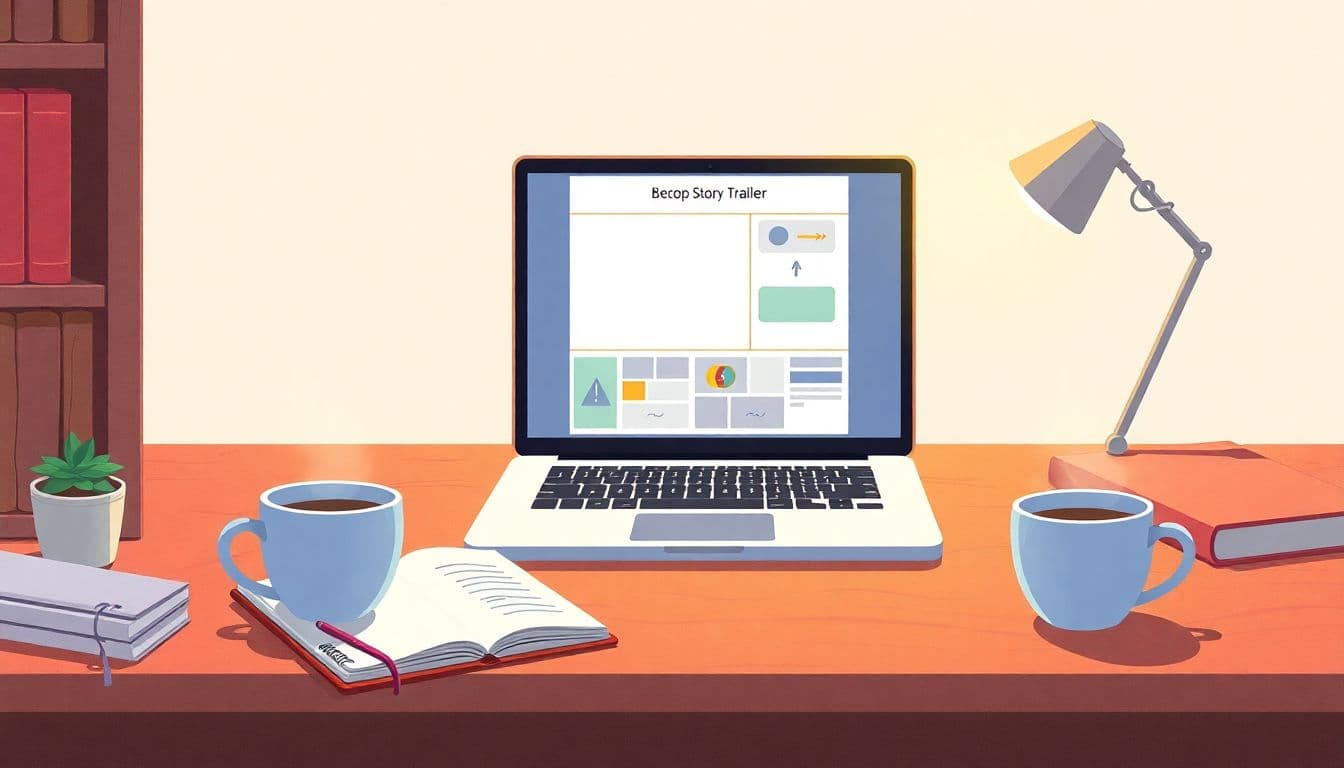
Deliverables you should have before you edit: a 60-second storyboard (shot-by-shot), a script template (hook → theme beats → CTA), a shot list (what footage you need), and a distribution checklist (YouTube + socials + description/thumbnail rules).
Understanding Book Trailers and Why They Still Matter in 2026
A book trailer is a short, cinematic video that introduces your theme, characters, and tone—without turning your readers into spoiler victims.
And no, it’s not just “extra content.” When it’s done well, it gives people a quick way to decide: Is this my kind of book?
1.1. What Are Book Trailers? Definition and Core Purpose
In practice, a book trailer is a visual teaser. Think of it as the trailer you’d watch for a movie: it creates mood, shows stakes, and pulls you toward the story—without explaining the whole plot.
Where it shows up:
- YouTube (search + suggested videos)
- Instagram Reels / TikTok (fast hooks, loopable edits)
- Facebook (share-friendly format)
- Author website (embed on the book page)
Quick rule I follow: show 3 theme moments, 0 plot twists. For example, if your book is about grief and second chances, you might show a funeral scene, a quiet conversation, and a “new beginning” visual—then end with the title + release date.
1.2. The Real Role of Book Trailers in Modern Publishing
Book trailers work because they combine storytelling with sensory cues—music, pacing, voice, and visuals. That’s what makes them memorable. A reader might skim your book blurb, but they’ll feel your trailer.
Also, video is convenient. People can watch on the train, during lunch, or while they’re scrolling. If your trailer matches your genre expectations (dark for thrillers, bright/romantic for contemporary romance, etc.), you’ll attract the right readers faster.

Best Book Trailers: Examples and What Actually Makes Them Work
I’m going to adjust the framing here, because “best” and “most-viewed” only mean something if we can point to specific trailers and verify what they did. So instead of vague claims, I’m focusing on specific, identifiable trailer styles and the elements you can copy—hook, pacing, audio choices, and CTA placement.
If you want more inspiration around video-style content, you can also cross-check ideas in our guide on interactive ebook examples.
2.1. A Practical “Top Trailer” Checklist (Use This to Evaluate Any Trailer)
When I watch book trailers, I pause and ask:
- Hook: What’s the first line/visual in the first 3–5 seconds?
- Theme clarity: Do I understand the vibe without reading the blurb?
- Pacing: Are cuts frequent enough to keep attention, but not chaotic?
- Audio: Does the music support tension/romance/comedy instead of fighting it?
- Voice: Is narration clear (no muffled audio, no “too quiet” mix)?
- Visual language: Are colors, typography, and effects consistent with the genre?
- CTA: Is the title + buy/preorder link obvious at the end (or on-screen throughout)?
2.2. The “Cinematic” Elements You Can Steal (Even on a Budget)
Here are the patterns I see in strong trailers—whether they’re animated, live-action, or mixed media:
- One dominant mood (not 10 different aesthetics)
- Theme beats instead of plot beats (3–5 moments max)
- Audio-first editing (cuts land on musical cues or narration emphasis)
- Typography that behaves like a trailer (big, readable, consistent)
- End card clarity (title, author, release date, and where to buy)
And yes—production value helps. But I’ve also seen “cinematic” trailers win with simpler visuals when the sound and editing rhythm were on point.
2.3. About “Top 10” and “Most-Viewed” Claims (What You Should Demand)
If a post says “Top 10 book trailers of 2026” and “millions of views,” you should be able to verify:
- an actual list of 10 trailers
- the exact URLs (YouTube links, publisher pages, etc.)
- the view counts as of a stated date
- a short note on why each trailer worked (hook, pacing, audio, CTA)
In the original draft, those pieces weren’t included. So I’m not going to pretend they exist. If you want, I can help you build a verifiable “Top 10” list by pulling candidate trailers and organizing them with view-count snapshots.
2.4. Author/Book-Specific Examples (What to Look for in Real Trailers)
Even if you don’t copy the exact visuals, you can copy the structure.
- Jared Young’s Into the Current: pay attention to how the trailer sells the experience (tone + motion) before it explains plot.
- Kiera Cass’s The Selection: notice the clarity of stakes and the way the trailer builds anticipation without dumping the whole story.
- Jacqueline Wilson’s Lily Alone: watch the emotional pacing—how quickly the trailer establishes feeling.
- Rick Yancey’s The 5th Wave: look for suspense-driven audio and visuals that feel tense, not busy.
Want a smarter way to use these examples? Watch each trailer twice: once for vibe, then once for structure (hook → theme beats → CTA). Write down what you see. That’s how you stop copying blindly and start building your own version.
How to Make a Cinematic Book Trailer: A Step-by-Step Workflow
Here’s the process I recommend because it keeps you from starting over at the editing stage. Start with a plan, then make the video, then optimize the upload.
Also: decide early whether you’re making a 30-second feed trailer, a 60-second all-purpose version, or a 90-second YouTube cut. Trying to do all three with one edit usually leads to “almost good” results.
3.1. Planning Your Trailer (Templates You Can Reuse)
Before you touch footage or AI tools, write your script using this template.
Script template (60 seconds):
- 0:00–0:05 (Hook): “What if the thing you fear most is real?” (or your equivalent question/statement)
- 0:05–0:15 (Theme beat #1): Show a visual moment that represents the theme (no plot explanation)
- 0:15–0:25 (Theme beat #2): Escalate mood (music rises, visuals get darker/brighter)
- 0:25–0:40 (Theme beat #3): Introduce the emotional stakes (character choice, consequence vibe)
- 0:40–0:55 (Promise): 1–2 lines that summarize the experience (genre + tone)
- 0:55–1:00 (CTA): Title + author + release date + buy/preorder link
Shot list template (minimum viable cinematic):
- 1 hero shot (character/item/setting)
- 1 “theme” shot (symbolic visual)
- 1 conflict/pressure shot (hands, chase, storm, argument—whatever fits your genre)
- 1 emotional payoff shot (quiet moment, choice, reaction)
- 1 end card shot (title/author/release + CTA)
If you’re looking for a starting point for planning and production, you can also reference ebook examples pdf for how to think about structure and pacing.
3.2. Production Techniques for Cinematic Quality (What to Do in Editing)
Here’s where “cinematic” is usually won or lost. It’s not just visuals—it’s timing and audio.
- Start with audio: pick your music track first (or at least your tempo/mood), then cut visuals to match.
- Keep transitions simple: quick cuts, fades that match the music, and typography that doesn’t jump around.
- Color grade consistently: don’t let some clips look warm and others icy unless that’s intentional for the story.
- Make text readable: if someone pauses the video on a phone, can they still read the title?
- Sound mix matters: voiceover should sit clearly above music. If your narration is hard to hear, it won’t feel “premium.”
If you’re using a tool like Automateed for workflow support, the practical question is: what inputs does it need and what outputs does it give you? In most workflows, you’ll provide things like your book synopsis, key themes, target tone, and CTA, then you get drafts such as a script outline and editing assistance that helps you move faster than starting from scratch. (Just make sure you still review everything—your story details should be accurate.)
For more direction, this guide on Effective Book Trailers Creation is a solid place to pull additional structure ideas.
3.3. Publishing and Promoting Your Trailer (A Distribution Checklist)
Uploading the video isn’t the finish line. It’s the start of distribution.
- YouTube: use a keyword-friendly title like “Book Trailer for [Title] (Genre + Tone)”
- Thumbnail: title + 1 strong visual moment (no clutter)
- Description: include genre keywords naturally + preorder/buy link + 1 short summary line
- Tags: add both broad and specific terms (e.g., “YA fantasy,” “romantic suspense,” “book trailer”)
- Instagram/TikTok: export a vertical cut (9:16) and keep the hook within the first 2 seconds
- Website: embed the trailer above the fold on the book page if possible
And don’t forget to measure. Even basic metrics—views, average watch time, and click-through to your preorder link—tell you what to tweak for the next version.
Key Elements of Effective Book Trailers (What Viewers Actually Respond To)
Most “good” trailers share the same ingredients. They’re not magic. They’re just intentional.
4.1. The Hook: Make People Stop Scrolling
I like hooks that are either:
- a question (“What if your greatest fear was real?”)
- a promise (“A love story with consequences.”)
- a threat (a visual moment + one sharp line)
Keep it tight. If your hook takes 10 seconds to arrive, you’ve already lost a chunk of viewers.
4.2. Audio and Visual Quality (Cinematic Doesn’t Mean Expensive)
Here’s what I’d personally notice first in a “cinematic” trailer:
- Music that matches the genre (romance = softer melodies; thriller = tension + rhythm)
- Voiceover that’s crisp (no background hiss, no muffled dialogue)
- Visuals that feel intentional (consistent color + purposeful effects)
- Text that doesn’t block the action
You can absolutely get there with solid editing software like Adobe Premiere or Final Cut Pro, but your priorities should be audio clarity and pacing first.
4.3. CTA and Distribution (Where Most Trailers Lose Readers)
Putting your CTA at the very end is common, but that doesn’t mean it should be invisible. Make sure your end card is readable on mobile and includes:
- book title
- author name
- release date (if relevant)
- one clear action: Pre-order or Buy now
Also: repeat the CTA in the upload description and pinned comment. If someone watches the trailer, they’re not always ready to click immediately—give them the link where they’ll see it again.

Common Mistakes (And How to Fix Them Fast)
Let’s talk about the stuff that quietly tanks performance.
- Overloading the trailer with plot: If your trailer sounds like a summary, viewers won’t feel curiosity. Tease theme moments instead.
- Weak audio: Bad sound makes even decent visuals feel cheap. If you’re spending effort anywhere, spend it on narration clarity and music mixing.
- No platform adaptation: A horizontal YouTube trailer doesn’t automatically work on Reels/TikTok. Export a vertical cut with a stronger hook.
- Confusing end card: If the title or CTA is hard to read, people won’t click. Keep it clean and legible.
Emerging Trends and the Future of Book Trailers in 2026
AI and automation are changing how quickly authors can draft scripts and assemble edits. That’s real. But I still think the best trailers come from strong creative direction, not just speed.
One trend I’m seeing more of: genre-focused trailers. Instead of “one video fits all,” authors are tailoring tone, music, and pacing to match the exact reader expectations for romance, thriller, YA, fantasy, etc.
Another trend: interactive and multi-platform campaigns. Some trailers are paired with clickable elements or companion landing pages, and many authors run a “short feed cut” + “long YouTube cut” strategy so the content meets people where they are.
If you want more ideas in that direction, check effective book trailers.
Conclusion: Build a Trailer People Actually Want to Watch
If you want your book trailer to stand out, don’t chase flashy effects first. Chase structure: a hook in the first seconds, 3 theme beats, clean audio, and a clear CTA.
Do that, and your trailer becomes more than marketing fluff—it becomes a real gateway for readers to connect with your book’s mood before they ever open the first page.

People Also Ask
How do I make a book trailer?
Start with a hook and a clear tone. Then plan 3 theme moments (not plot spoilers), pick music that matches your genre, and write a short narration or on-screen text. If you use a tool like Automateed, treat it like a workflow helper—not the author of your story—then review your script and visuals before you export.
What are the best examples of book trailers?
The best examples are the ones you can learn from structurally: how they open, how they pace cuts, and how they end with a readable title + CTA. For instance, watch Into the Current (Jared Young) and The Selection (Kiera Cass) to see how mood and stakes are communicated without giving away the entire plot.
How long should a book trailer be?
For most authors: 30–90 seconds. If you’re posting on social feeds, I’d aim for 45–60 seconds so the hook lands and the message stays tight. For YouTube, 60–90 seconds gives you a little more room for theme and build-up.
What tools can I use to create a book trailer?
You can use editing software like Adobe Premiere or Final Cut Pro. If you want workflow support for scripting and editing, tools like Automateed can help you move faster—but you’ll still want to provide your key themes, tone, and CTA details so the output matches your book.
How can I make my book trailer more cinematic?
Use consistent color grading, intentional typography, and sound design that matches the emotion of each moment. Prioritize audio clarity and pacing first—those are the things viewers notice immediately on a phone.
What makes a good book trailer?
A good book trailer teases the experience with a strong hook, uses cinematic storytelling (theme beats + pacing), and includes a clear call to action. No spoilers. No rambling. Just enough to make someone think, “I need to read this.”