Table of Contents
If you’ve been staring at the TikTok screen wondering why your book views aren’t turning into clicks… you’re not alone. I’ve been there. TikTok (and BookTok especially) moves fast, and it can feel like everyone’s posting at once.
So what I did instead was stop trying to “go viral” and focus on building a profile and content routine that actually earns attention. In my experience, the authors who win on BookTok don’t just show a cover and hope for the best—they make it easy for the right readers to find them, understand their book, and decide to buy.
Below is the exact strategy I’d use if I were starting from scratch today: how to set up a strong profile, what to post (with examples), how to use trends without getting lost, and how to run campaigns that generate real engagement and sales.
Key Takeaways
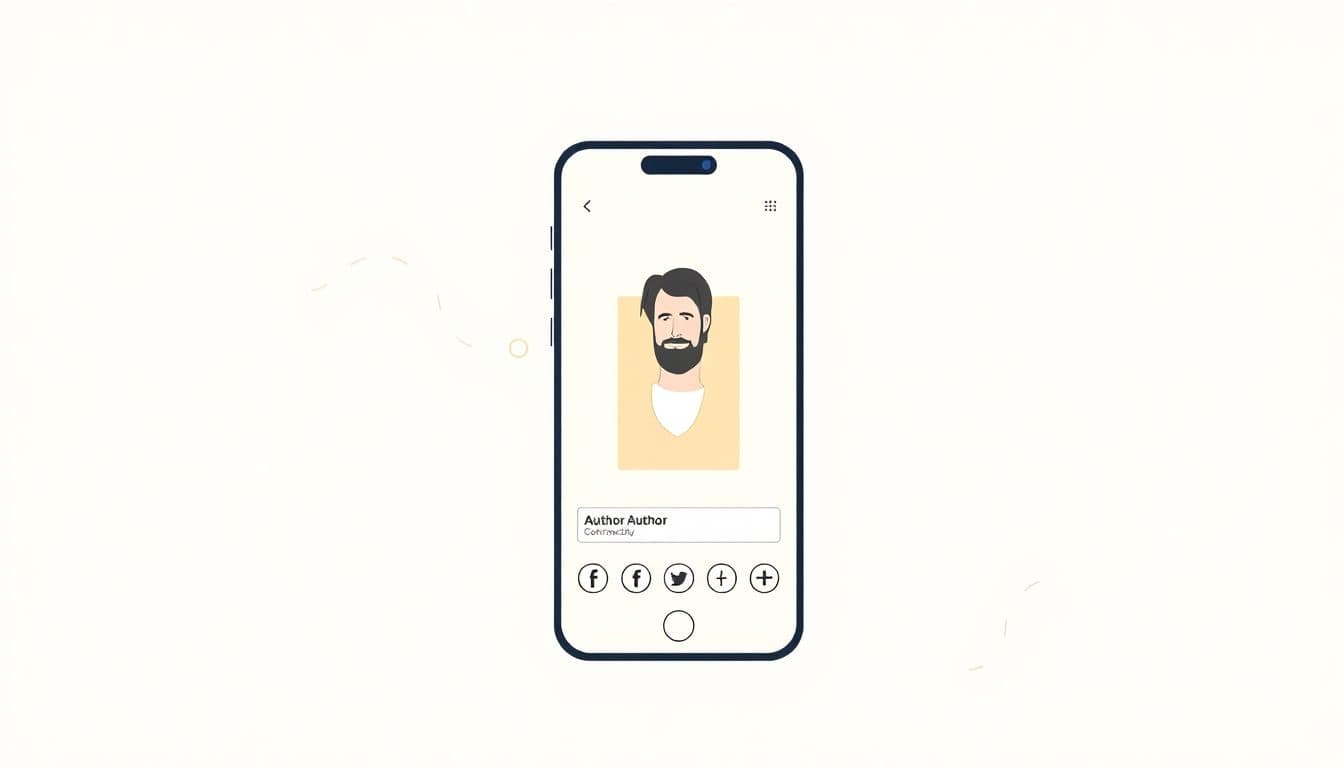
- Build a BookTok-friendly profile: a recognizable picture (cover or author headshot), a bio that says your genre + your hook, and a working link to your book page. I also recommend switching to a TikTok Business Account so you can track what’s actually working.
- Post content that feels personal: writing process, deleted scenes, “what inspired this,” and reading moments. I found that 3 content types repeated consistently beat random posting. Aim for a cadence you can sustain (more on testing below).
- Use short, visual videos to sell the vibe: cover reveals, page flip-throughs, character moments, and quick read-alouds. Keep it moving—BookTok rewards clarity and momentum.
- Engage like a real person: reply to comments quickly, duet or stitch reader reactions, and participate in community challenges. Your comment prompts matter because they directly affect comment rate.
- Collaborate strategically: reach out to micro-creators in your genre, offer free copies, and propose a specific video idea (not “let’s collab”). In my experience, clearer pitches get faster yeses.
- Run interactive campaigns with simple entry rules: fan art, “tell me your favorite scene,” or review prompts. Track UGC and conversions, not just views.
- Follow trends selectively: use trending sounds and formats that match your book’s tone. Don’t force it—if the trend clashes with your genre, your audience will bounce.
- Connect TikTok to your wider marketing: link to your website/newsletter, repurpose clips across platforms, and use analytics to refine your messaging.
- Keep relationships going off-platform: email list signups, virtual book clubs, and exclusive previews. Those readers are usually your most reliable buyers.

Want your books to catch fire on TikTok? It starts with a profile that makes people think, “Oh—this is my kind of author.” I’ve tested a lot of variations, and the pattern is consistent: your profile should answer three questions in 5 seconds or less.
1) Who are you? Use a clear profile picture—cover art for brand-forward authors, or a professional headshot if you’re building a personal brand.
2) What do you write? Your bio shouldn’t be vague. Mention your genre and a specific hook. For example:
- “Fantasy romance author | magic-school vibes + slow-burn heat”
- “Cozy mystery writer | small-town secrets + found-family”
- “YA sci-fi | fast pacing, big twists, under 24 hours to read”
3) What should I do next? Add a link to your website or book landing page. If you can, link to the exact book you want to sell right now (not your entire catalog). That “one-click” focus matters.
Also, switching to a TikTok Business Account is worth it for the analytics alone. You don’t need fancy reporting—you just need to see which videos earn watch time and which ones drive profile clicks.
Once your profile is solid, the next step is content. And not just “posting more.” Posting is easy. Posting with purpose is the hard part.
Authentic and consistent content that actually connects is usually built from a few repeatable formats. When I’m doing well on BookTok, my feed tends to include:
- Writing process (how you outline, your drafting ritual, what you cut)
- Story moments (a scene snippet, a character decision, a “read this part” moment)
- Reader-facing context (themes, tropes, “what to expect,” inspiration behind a plot twist)
Here’s a decision rule I use for posting cadence: test first, then commit. For example, run a 30-day experiment with two schedules:
- Schedule A: 3 posts/week (Mon/Wed/Sat)
- Schedule B: 5 posts/week (Mon/Tue/Thu/Sat/Sun)
Track the difference in average watch time, retention (where viewers drop off), and profile visits. If 5 posts/week gives you more views but doesn’t increase profile clicks, you’ve learned something important. More output isn’t automatically better.
On the content length question: I’ve seen plenty of great BookTok videos over 60 seconds, but the sweet spot is usually where you can deliver one clear idea quickly. If you’re rambling, it won’t matter how “good” the story is. People scroll for a reason.
Now—let’s talk about trending hashtags and audio, because this is where most authors either overdo it or ignore it completely.
I don’t treat trends like magic spells. I treat them like distribution tools. Here’s a mini playbook I actually follow:
How I pick hashtags + audio without losing my niche
- Match the trend to the book’s emotion: if the audio is upbeat and your book is dark, your retention will suffer.
- Use 3–6 hashtags max on most posts. Too many can look messy and dilute targeting.
- Include one “genre intent” tag (what readers search for) and one “format” tag (what your video is).
- Avoid irrelevant trends that don’t fit your audience. I’ve seen creators chase a trend and get views… from people who never buy.
Below are some concrete examples you can copy/adapt. (Yes, copy. Then personalize.)
Genre-specific hashtag/audio strategy examples
- Cozy mystery:
- Hashtags: #CozyMystery, #BookTok, #MysteryBooks, #ReadingVlog
- Audio idea: a calm “morning routine” or “cozy ambient” sound while you do a page flip + quick synopsis
- Caption: “If you like small-town secrets and a comforting mystery, this one’s for you. Which suspect would you pick?”
- Fantasy romance:
- Hashtags: #FantasyRomance, #Romantasy, #SlowBurn, #BookRecommendations
- Audio idea: a dramatic cinematic sound while you show a “character oath” moment
- Caption: “Be honest—are you a ‘kiss on chapter 20’ reader or a ‘wait for the finale’ reader?”
- YA sci-fi:
- Hashtags: #YASciFi, #SciFiBooks, #BookTok, #PlotTwist
- Audio idea: fast-paced beat during a quick montage of key scenes
- Caption: “This book starts normal… then it refuses to let you sleep. Want the twist in one sentence?”
- Nonfiction / memoir:
- Hashtags: #Memoir, #Nonfiction, #BookRecommendations, #ReadingHabits
- Audio idea: softer “storytelling” audio while you show a quote card
- Caption: “What’s a lesson you learned the hard way? I’ll share mine next.”
- Horror:
- Hashtags: #HorrorBooks, #SpookySeason, #BookTok, #ScaryStories
- Audio idea: tense sound or glitchy “creep” vibe while you reveal a chilling line
- Caption: “One line from the book. If you flinch, you’re my kind of reader.”
Notice what I did? I didn’t just throw hashtags on. Each one supports the reader intent.
Next: Visuals and short videos to showcase your books. This is where you can stand out even if you’re not a “camera person.”
In my experience, the highest-performing videos are the ones that look like they’re going somewhere. Here are formats that consistently work:
- Cover reveal with a hook: show the cover for 1–2 seconds, then immediately say the premise
- Scene snippet: 3–6 seconds of the most intense moment (with on-screen text)
- Character “decision” moment: show a character card + explain what they chose and why
- Read-aloud micro-teaser: one paragraph, then a question (“Would you do the same?”)
- Quick animations: if you use text overlays, keep them big and readable
And yes, movement matters. If your video is mostly still, add motion: zooms, quick cuts, or text that changes with your narration. TikTok rewards attention, not just information.
What about length? If you want a practical starting point, create three versions of the same idea:
- Version 1: 20–30 seconds
- Version 2: 35–55 seconds
- Version 3: 60–90 seconds
Then watch retention. The “winner” is the one people stay for, not the one that sounds best in your head.
Engage with the BookTok community to build relations—this part isn’t optional if you want momentum. Here’s what I do that’s simple but effective:
- Spend 10–15 minutes after posting replying to comments (especially in the first hour)
- Use comment prompts that are easy to answer (yes/no, pick A or B, “what would you do?”)
- Duet or stitch reader reactions—make it feel like a conversation, not a broadcast
Quick example of a stronger CTA: instead of “Thoughts?” try “Team sword or team spell? Comment one and I’ll pin my favorite.” That one small tweak can meaningfully change how many people comment, because it removes effort.
5. Collaborate with Influencers and BookTok Creators to Amplify Your Reach
I’m a fan of collaborations, but only when they’re targeted. Partnering with the “right” BookTok creators can bring in readers who already like your genre—so the conversion from views to sales feels way more natural.
Here’s the approach I use:
- Find creators whose audience matches your book: don’t just look at follower counts. Look at comment quality and what people ask for.
- Engage before you pitch: comment on 5–10 videos, respond to them, and make your presence real.
- Pitch one specific idea: “I’d love to send you a copy for a POV reading + trope discussion” beats “Let’s collab.”
- Offer free copies or exclusive content: ask for an honest review, a scene reaction, or a “would you read this?” style video.
Micro-influencers (smaller, niche audiences) can outperform bigger accounts because people trust them more. If your collaboration gets 2,000 views but 300 comments and 20 link clicks, that’s often better than a million views with zero intent.
6. Launch Interactive Campaigns and Giveaways to Spark Engagement
Giveaways can work really well on BookTok—if you design them for community participation instead of “enter and forget.” I’ve seen campaigns flop when the entry is too complicated or the prize feels random.
Here’s a blueprint you can run in a week or two:
A simple campaign timeline (example)
- Day 1: Announce the giveaway + post rules (one video)
- Days 2–6: Post 2–3 supporting videos (UGC prompts, behind-the-scenes, “favorite quote” teasers)
- Day 7: Reminder video + last chance
- Day 8: Winner announcement + thank-you video
Entry rules that boost participation
Keep it easy. Choose one main action:
- Comment: “Comment your favorite trope” (and pin your favorite answers)
- Duet/Stitch: “Duet this with your reaction to the first line”
- Tag: “Tag a friend who would love this vibe”
- Fan art/review: “Submit a drawing or a 2-sentence review in your caption”
Prizes that feel worth it (and what they might cost)
- Signed paperback (cost: printing + shipping; often $15–$30 per winner depending on your setup)
- Ebook + audiobook code (cheap to distribute; great if you already have digital rights)
- Exclusive bonus chapter (low cost, high appeal for superfans)
- Merch (stickers, bookmarks, tote bag—usually $5–$15 per item)
How to measure success (not just views)
- UGC count: number of duets/stitches/fan art submissions
- Engagement rate: comments per view, saves per view
- Conversion signals: profile clicks, link clicks, and sales spikes within 48 hours of the winner announcement
Mini case example (hypothetical, but realistic)
Let’s say you run a 10-day campaign for a romance release. You give away 10 signed copies. Your announcement video gets 18,000 views. You include a comment prompt: “Comment the trope you want most.” You notice:
- Comment rate jumps compared to your usual posts (example: 1.2% vs 0.4%)
- You get 25 duets and 40 comment-based entries
- Your link clicks increase in the last 48 hours
That’s the real win: you’re generating community content and proving there’s buyer intent.
7. Stay Ahead by Following Trends and Adapting Your Content Quickly
Trends can help you get discovered, but only if you treat them like a format—not a personality transplant. Here’s what I do to avoid wasting time:
- Pick 1–2 trends per week max. More than that turns into chaos.
- Replace the trend’s “topic” with your book’s topic: use the audio, but your narration and text overlays should stay true to your story.
- Post within 24–72 hours of a trend peaking (that’s when it’s still widely shared).
Examples of timely content that tends to land well:
- Seasonal themes: spooky reads in October, cozy reads in winter
- Book-to-film moments: when a trailer drops, do a “this book has the same vibe” comparison
- Reader challenges: “weekend TBR,” “one-sentence hook,” “favorite first chapter”
And one honest note: if you chase every trending audio, your feed can start to look inconsistent. Your goal isn’t to “be on trend.” Your goal is to be recognizable.
8. Connect Your BookTok Efforts with Your Overall Marketing Strategy
BookTok shouldn’t live in a vacuum. I like to think of it as the top of your funnel—then you guide people to the next step.
Practical ways to connect everything:
- Link consistently: put your best “buy/read” page in your TikTok bio. If you have multiple books, rotate the link every time you push a new release.
- Repurpose the best clips: post the same video to Instagram Reels and Facebook (and sometimes YouTube Shorts). Different audiences, same hook.
- Use analytics intentionally: check which videos drive profile visits. Then reuse the same format for your next posts.
- Offer a next step: newsletter sign-up, “get the first chapter,” or “join the street team” (if you have one).
Also, pay attention to how link clicks behave. If you get views but no clicks, the problem is usually the landing page (too many steps, confusing pricing, or the wrong book linked).
9. Build Relationships with Readers Beyond TikTok for Longevity
Here’s the part that’s easy to overlook: TikTok is great for discovery, but your long-term sales usually come from relationships you build outside the app.
What I recommend (and what tends to work):
- Collect emails through your website or newsletter. Give a reason: “Get a free bonus scene” or “early access to the next book.”
- Host small events: a monthly Q&A, a live reading, or a virtual book club discussion.
- Reply thoughtfully to comments and DMs. People can tell when you’re rushing.
- Reward your most loyal fans: private previews, behind-the-scenes drafts, or “character backstory” extras.
Those readers don’t just buy once—they come back. And when you release your next book, you’re not starting from zero.
FAQs
Make it instantly clear what you write and what readers should do next. Use a clean profile picture, a bio that names your genre + your hook, and a link that goes straight to the book you want to sell. If you can, switch to TikTok Business so you can track profile clicks and understand which videos actually drive traffic.
Content that feels like a recommendation from a real person tends to win. Think: reading snippets, trope breakdowns, “if you like X, you’ll like Y,” and behind-the-scenes story context. The best videos usually have one clear point and a strong hook in the first 1–2 seconds.
Be consistent with engagement. Comment on creators in your niche, respond to people who comment on your videos, and join trends only when they fit your book’s tone. Duets and stitches are especially good because they turn “viewers” into participants.