Table of Contents
Did you know that 78% of marketers who plan content in advance see better results? A well-structured content calendar is essential for creators aiming for consistent growth and engagement in 2025. In this comprehensive guide, we will explore everything you need to know about building an effective content strategy that leverages a detailed content plan, optimized for SEO and platform success.
1. What Is a Content Calendar and Why You Need One
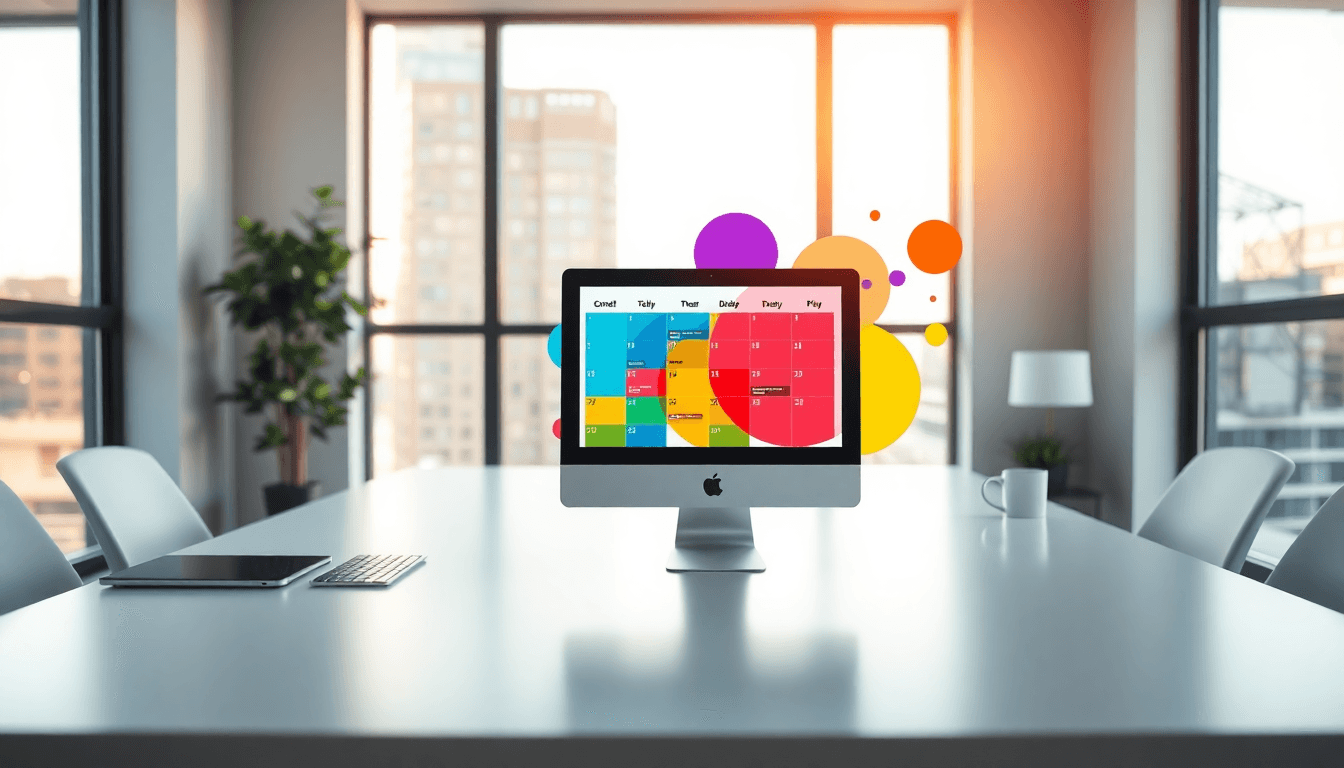
A content calendar is a structured schedule that maps out what, where, and when to publish your content across platforms. It helps maintain consistency, aligns content with your overall goals, and ensures you’re targeting the right target keywords and search intent for maximum organic traffic. In 2025, it’s become an industry standard for creators and marketing teams alike. By planning ahead, you can identify content gaps, prevent last-minute scrambles, and streamline your publishing schedule.
1.1. Defining a Content Calendar
A content calendar is more than just a posting schedule. It’s a strategic tool that helps you organize various content types, such as blog posts, videos, social media updates, and newsletters. It ensures all content pieces are aligned with your overall content strategy, whether your goal is to increase organic traffic, boost engagement, or generate leads. In 2025, the best content calendars incorporate data from content updates strategy and leverage keyword research to prioritize high-impact topics.
1.2. Benefits of Using a Content Calendar
Using a content calendar increases planning efficiency and reduces creator burnout. By batching content creation tasks and scheduling posts in advance, you free up time for creative thinking and strategic growth. It also enhances search rankings by ensuring a consistent flow of quality content optimized around search intent. Additionally, a well-maintained calendar supports multi-platform distribution, enabling you to repurpose content types across channels like Instagram, TikTok, YouTube, and LinkedIn. Regular content audits and performance tracking allow you to refine your approach, boosting overall search rankings and organic traffic.
2. Step 1: Define Your SEO Goals and Audience
Before diving into keyword research or creating your content outline, you need clear SEO goals and a deep understanding of your target audience. Setting measurable objectives—such as increasing organic traffic, improving search rankings, or generating more conversions—is the foundation of an effective content strategy. Use tools like YouTube AI detection tools, Google Search Console, and SEMrush to gather data on your current performance and identify search intent. Establish KPIs aligned with your goals to measure success accurately.
2.1. Setting Clear Content Objectives
Start by pinpointing what you want your content to achieve—be it brand awareness, lead generation, or community building. For each goal, define key metrics like page views, engagement rate, click-through rate (CTR), or conversions. Use Google Analytics and Search Console to monitor progress and identify search rankings opportunities. Incorporate keyword research and analyze the search intent behind keywords to craft targeted content that resonates with your audience’s needs. For instance, creating pillar pages around core topics helps you dominate relevant search queries and improve overall SEO performance.
2.2. Understanding Your Audience
Deep audience insights are vital for tailoring your content types and messaging. Use Google Trends and AnswerThePublic to discover trending topics and questions your audience is asking. Build detailed audience personas that include demographics, preferences, and pain points. This understanding guides your content plan and ensures your content aligns with what your audience seeks, ultimately boosting engagement and conversions. Remember, the more specific your audience insights, the better your content outline and content gap analysis can be.

3. Step 2: Conduct Keyword Research & Topic Planning
Effective keyword research is the backbone of your SEO goals. Use tools like Google Keyword Planner, Ahrefs, and SEMrush to identify high-volume, low-competition target keywords and long-tail phrases relevant to your niche. Incorporate these into your content types and subject ideas. Organize your research using a content inventory to track top-performing keywords and content gaps. Building your content around a pillar-cluster model helps establish topical authority and improves search rankings. Map out target keywords for each piece, considering search intent—whether informational, transactional, or navigational—to craft content that matches user expectations.
3.1. Researching Keywords for SEO
Start with comprehensive keyword research using free and paid tools. Look for keywords with high search volume but manageable competition. Identify long-tail keywords that capture niche queries and can rank quickly. Focus on search intent to create content that satisfies user needs—whether they’re looking for how-to guides, reviews, or product info. Regularly update your content inventory to reflect new opportunities and seasonal trends, enhancing your overall search rankings.
3.2. Planning Content Topics & Pillars
Organize your content into pillars—broad themes like education, behind-the-scenes, or community—and cluster related topics. This structure improves search rankings by creating comprehensive coverage around core subjects. Use trending topics based on seasonality and audience interests to keep content fresh. Layering trending themes into your calendar ensures your content remains relevant and engaging throughout the year. For example, a fitness creator might have pillars like nutrition, workouts, and mental health, each with multiple content types targeting specific search intent.
4. Structuring Your Content Calendar Effectively
Designing a content calendar that works requires including key elements like date & time, platform, format, content pillar, and target keywords. Use tools like Google Sheets, Notion, or Trello to organize your content outline and track progress through stages like scripting, filming, editing, and scheduling. Incorporate metrics for performance measurement and plan for regular content audits. A custom template allows you to visualize your entire publishing schedule, ensuring all content types are balanced and aligned with your goals.
4.1. Key Elements to Include
Make sure your content calendar captures essential info: publication dates, platform-specific formats (Reel, TikTok, blog), content pillar, working titles, assets needed (images, videos, links), owner responsibilities, and current status. This detailed approach streamlines workflows and helps prevent missed deadlines. Including performance metrics enables ongoing content velocity analysis, guiding future planning. For example, tracking how many posts perform well can inform your next content plan.
4.2. Using Templates & Tools
Leverage popular tools like Google Sheets or Notion with ready-made content outline templates. Integrate native schedulers such as Instagram, TikTok, or YouTube Studio for automation. Many creators find that customizing templates to fit their workflow improves efficiency. Specialized tools like cliptics or luppa ai can assist in automating content ideation and scheduling, saving hours each week. Remember, the goal is to create a flexible system that adapts to your evolving content velocity and platform changes.
5. Implementing the Pillar-Cluster Model & Batch Production
The pillar-cluster model is a proven framework for organizing your content types around core topics, boosting search rankings and authority. Create comprehensive pillar content—such as in-depth guides or videos—and produce smaller cluster pieces that link back to the main pillar. This approach improves search intent alignment and helps you dominate niche keywords. Batch production involves dedicating blocks of time for content creation, which reduces content velocity stress and enhances quality.
5.1. Organizing Content Around Pillars
Start by identifying 3-5 key pillars that align with your niche and audience interests. Develop detailed content outlines for each and plan related content types—articles, videos, social posts—that support the main topic. Use tools like SEMrush to analyze search intent and optimize each piece for target keywords. Cross-linking between pillar and cluster content improves search rankings and provides a cohesive user experience. A good example: a tech reviewer might have pillars around smartphones, accessories, and apps, with each pillar supporting multiple content types.
5.2. Batching Content Creation
Batching involves setting specific days for scripting, filming, editing, and publishing to maximize content velocity. This reduces decision fatigue and helps maintain consistency. For instance, dedicate Mondays to filming videos, Tuesdays for editing, and Wednesdays for scheduling posts. Use your content calendar to plan ahead for reactive or trending topics, ensuring you can respond quickly without disrupting your routine. This approach has repeatedly proven to boost search rankings by maintaining a steady flow of fresh content.

6. Scheduling & Publishing Best Practices
Optimizing your publishing schedule is critical for maximizing engagement. In 2025, recommended frequencies include 4–7 content types per week on Instagram, daily or multiple times daily on TikTok, and 1–2 long-form videos weekly on YouTube. Use tools like Hootsuite, Buffer, or Later to automate posting and schedule content during peak engagement hours. Pre-scheduling reduces daily workload and allows you to focus on creating high-quality content. Remember to account for seasonality—posting around holidays or cultural moments can significantly boost reach.
6.1. Optimal Posting Frequencies in 2025
Consistency is key. For Instagram, aim for 4–7 feed posts weekly plus Stories. TikTok creators often post daily or multiple times daily early in their growth phase. YouTube channels should publish 1–2 long-form videos per week supplemented with Shorts to increase content velocity. For LinkedIn, 3–5 posts weekly can help establish thought leadership. Regularly review analytics to refine your frequency based on audience response and platform algorithms.
6.2. Timing & Automation
Schedule posts for times when your audience is most active, which varies by platform. Use scheduling tools like Later or Buffer to automate content publishing. Pre-scheduling helps you maintain a consistent publishing schedule without daily manual effort. Incorporate insights from platform analytics and seasonality trends to optimize post times, boosting engagement and search rankings. This strategic approach ensures your content reaches the right audience at the right moment.
7. Analyzing & Optimizing Your Content Strategy
Continual analysis is vital for growth. Regularly review your content briefs and performance metrics—views, shares, CTR, conversions—using Google Analytics, Search Console, and platform insights. Schedule monthly or quarterly content audits to assess what’s working and what’s not. Use data to refine your content outline and improve search rankings. A/B testing different content types, hooks, or thumbnails can help identify best practices. Keep tracking your content velocity to ensure consistent delivery and adapt your content plan accordingly.
7.1. Tracking Performance Metrics
Track key performance indicators such as engagement rate, CTR, and conversions. Use tools like Google Analytics and native platform insights to gather data. Create a dashboard to visualize trends and identify patterns. Schedule a dedicated content audit day each month to analyze results, adjust your content strategy, and update your content inventory. This disciplined approach helps you stay aligned with your SEO goals and improves search rankings.
7.2. Iterating Based on Data
Use insights to refine your hooks, thumbnails, and posting times. Drop low-performing topics and double down on successful ones. Incorporate audience feedback and trending topics to keep your content relevant. Regular iteration based on data-driven decisions enhances search rankings and maintains a high content velocity. For example, if a certain type of video consistently outperforms others, produce more of that format and experiment with similar content types.
8. Addressing Common Challenges & Solutions
Many creators face issues like burnout, lack of strategy, and platform overwhelm. In 2025, a disciplined content calendar offers solutions. For burnout, batching content creation and scheduling off days helps sustain content velocity without overextending yourself. To avoid aimless posting, define clear SEO goals and regularly perform search rankings and content gap analysis. Prioritize revenue‑driving content types and drop low-impact channels if necessary. Regular content audits and analytics reviews help you focus on what works, making your efforts more effective and sustainable.
8.1. Burnout & Inconsistency
Batch your content creation tasks into dedicated days to reduce daily decision fatigue. Schedule regular off days and lighter content types like Q&As or user-generated content. Your content calendar should reflect a sustainable publishing schedule that prevents burnout while maintaining growth. Incorporate feedback loops to monitor your workload and adjust as needed.
8.2. Lack of Strategy & Focus
Start each month by setting SEO goals and aligning your content plan with broader business objectives. Use search rankings and content gap analysis to prune irrelevant activities. Regularly revisit your content outline to keep content focused and aligned with audience needs. This disciplined approach ensures your efforts yield measurable results.
8.3. Managing Multi-platform Overwhelm
Prioritize your revenue‑driving platforms and create content families that can be repurposed across channels. Color‑code your content calendar entries to visualize platform focus. Consider pausing low-impact channels temporarily and revisiting later. This targeted approach prevents overwhelm and ensures your efforts translate into tangible results.
8.4. Measuring & Improving Performance
Schedule monthly deep dives into analytics, tracking key metrics such as engagement, conversions, and search rankings. Use insights to refine your content outline and plan future content velocity. Tag campaigns or series in your calendar to measure their impact. Continuous improvement ensures your content strategy remains effective and aligned with your goals.

9. Latest Trends & Industry Standards for 2025
In 2025, AI‑integrated content calendars are the new standard. Use AI tools for content creation and editing, but always mark AI‑assisted assets clearly in your calendar. Human review remains essential for tone, accuracy, and brand consistency, as highlighted in AI video models. The creator‑brand collaboration market is booming, projected to reach $32.55 billion, making coordinated content updates and approval workflows vital. Regularly update your content strategy—quarterly or seasonally—to stay relevant and competitive.
9.1. AI Integration in Content Calendars
Leverage AI tools like Cliptics or Luppa AI to streamline content briefs and automate content velocity. Mark AI-generated assets distinctly and incorporate human review for quality control. This hybrid approach maximizes efficiency while maintaining a high standard of content quality. As AI becomes more integrated, your content calendar should reflect AI-assisted workflows for seamless collaboration.
9.2. Shared Calendars & Creator-Brand Collaboration
Shared calendar platforms facilitate creator‑brand coordination, ensuring timely content updates and approvals. Incorporate key dates, holidays, and cultural moments into your planning to align with brand campaigns and influencer marketing efforts, which are forecasted to hit $32.55 billion in 2025. Centralized workflows reduce miscommunication and accelerate search rankings through consistent, targeted content release.
9.3. Updating Your Strategy Regularly
Make your content calendar a living document by updating it quarterly, integrating new trends, seasonal shifts, and niche milestones. This ongoing process keeps your content types fresh and aligned with evolving audience interests. Regular updates also allow you to adapt to algorithm changes, platform updates, and emerging search rankings factors, ensuring sustained growth and visibility.
10. Top Content Calendar Templates & Tools for Creators
Choosing the right tools and templates is crucial. Google Sheets and Notion are popular for their flexibility and ease of customization. Trello and Smartsheet offer visual workflows and task tracking. Many creators also rely on native platform schedulers like Instagram Creator Studio, TikTok’s scheduling features, and YouTube Studio to automate posts and save time. Use templates that include sections for content outline and content inventory, enabling you to plan ahead, track performance, and adjust your content velocity seamlessly.
10.1. Best Templates & Platforms
Templates from Google Sheets or Notion often come with built-in columns for date, platform, content types, status, and metrics. Tools like Socialaf.ai can help automate social media scheduling. Many paid platforms like Buffer, Later, or Planoly offer advanced features, including analytics and multi-platform management. For comprehensive planning, consider integrating these tools into your workflow to optimize search rankings and content velocity.
10.2. How to Choose the Right Tool
Assess your team size, complexity, and automation needs. Solo creators benefit from simple templates and native schedulers, while larger teams might prefer integrated project management platforms like Notion or Trello with automation plugins. Look for templates that facilitate tracking content outline, content inventory, and key metrics. Compatibility with your existing workflow and ease of use are critical to ensure consistent adoption. Experiment with free trials to find the perfect fit for your content calendar.
11. Conclusion: Building a Sustainable & Effective Content Calendar
Effective planning is essential for long-term success. A well-structured content calendar boosts search rankings, enhances organic traffic, and reduces creator burnout. Use data and analytics to inform your content velocity and continually refine your content outline. Leverage templates and tools to streamline your workflow, making content creation less stressful and more strategic. Remember, your content plan should be flexible enough to adapt to trends, seasonality, and audience feedback.
Next, start by setting clear SEO goals and conducting thorough keyword research. Build a layered content calendar around your pillars, integrating content types aligned with user search intent. Regularly review your performance metrics, prune irrelevant activities, and adjust your content strategy accordingly. With discipline and the right tools, you can create a sustainable content calendar that drives growth and keeps your audience engaged.
FAQ
What is a content calendar?
A content calendar is a planning tool that schedules and organizes your content types across platforms, helping you stay consistent, aligned with your SEO goals, and focused on your audience’s search intent.
How do you create a content calendar?
Start by defining your goals, conducting keyword research, and understanding your audience. Choose a tool (like Google Sheets or Notion), map out your content outline and content inventory, and plan your publishing schedule with key dates, platforms, and content types. Regularly review performance metrics and adjust your plan accordingly.
What should be included in a content calendar?
A comprehensive content calendar includes date & time, platform, format, content pillar, topic, content outline, assets needed, owner responsibilities, status, and performance metrics. This detailed structure ensures smooth workflow and strategic alignment.
How do you make a social media content calendar?
Identify your target audience, plan your content types for each platform, and schedule posts around peak engagement times using tools like Later or Buffer. Incorporate seasonality and key dates for maximum relevance and reach.
What is the best content calendar template?
The best template depends on your needs. Many creators prefer Google Sheets or Notion templates that allow customization and tracking of content outline and content inventory. Choose one that integrates well with your workflow and supports your content velocity.
Is there a free content calendar template?
Yes, numerous free templates are available online, especially for Google Sheets and Notion. These templates often include sections for scheduling, tracking content types, and performance metrics, making them perfect for small creators or those starting out.