Table of Contents
Creating a fictional world can feel tricky, especially if you’re concerned about missing details or making your fantasy feel unrealistic. You’re probably wondering where to start or how to keep everything consistent.
Don’t worry, you’re in the right place! I’ll guide you through each step clearly and simply, helping you build a believable fictional world you can feel proud of.
Here’s your quick preview: we’ll cover choosing your world’s type, setting clear rules, shaping people and their culture, adding magic or tech, and even techniques for keeping it all organized.
Key Takeaways
- Start by choosing your world type—fantasy, sci-fi, dystopian—to guide your creative choices.
- Clearly set rules like geography, climate, politics, and economy to maintain story consistency.
- Design landscapes and environments realistically, influencing lifestyles, travel, and resources.
- Develop diverse cultures, traditions, rituals, phrases, and mythology to add depth.
- Create meaningful histories and relationships among different societies or groups.
- Establish clear, logical rules for your world’s magic or technology system.
- Include specific sensory details naturally through actions and dialogue to help readers visualize clearly.
- Keep notes organized but flexible, leaving room for surprises and new story directions.
Step 1: Decide the Type of Fictional World You Want to Create
The very first step in creating a fictional world is figuring out just what kind of world you actually want to build. Ask yourself if it’s going to be set in fantasy, sci-fi, dystopian, steampunk, or maybe something totally different. Making this basic choice upfront helps guide all your future worldbuilding decisions.
If you’re thinking of fantasy worlds, is it more like Middle-earth from The Lord of the Rings, or are you leaning towards something grittier like Westeros from Game of Thrones? For instance, fantasy worlds often integrate magic and mystical creatures, while science-fiction worlds generally focus on futuristic technology or distant planets.
An excellent example of real-world influence adapted into a fictional setting is Panem in The Hunger Games. It’s loosely based on a futuristic North America where an oppressive government rules over a divided society. Considering tangible references from the real world can lend authenticity to your fictional setting.
To narrow down ideas, you can brainstorm using various story prompt generators or check out resources on realistic fiction writing prompts. Doing this early can set the stage and help you feel clear about where your story lives.
Step 2: Define Clear Rules and Systems for Your World
The next step after deciding your world’s general type is to create solid rules and systems. These guidelines determine what’s possible and what’s not in your fictional universe, keeping the story consistent and believable.
Consider practical questions early on. What’s the weather pattern like? How do economics and trade systems function? Are there any religions or political struggles central to your narrative? Defining these systems clearly helps you avoid plot holes or contradictory information.
Here’s a quick tip: create a reference document or spreadsheet where you jot down all the rules and systems you define. You can reference this anytime you’re unsure about something, making sure the narrative stays tight. Much like how an author might plan out how to write a dystopian story, mapping out the logistics early prevents confusion later.
For example, J.K. Rowling set precise and detailed magical rules in the world of Harry Potter. Hogwarts had clear time frames, limitations on magic, and consequences—each aligned consistently throughout seven books. Your readers appreciate this consistency; it lets them fully immerse themselves in your fictional world without distractions.
Step 3: Create the Landscape and Environment
With the basic type of world and its rules defined, your next logical step is sketching out the physical world your characters inhabit. Having a clear sense of geography, climate, and natural environment makes your world feel believable and alive.
Think about how the terrain and climate impact the lives of your characters. Suppose your world is mostly covered in harsh deserts or icy tundra—people living there will significantly differ from those residing in lush forests or coastal regions. This impacts food supply, resources, transportation methods, and even character traits and values.
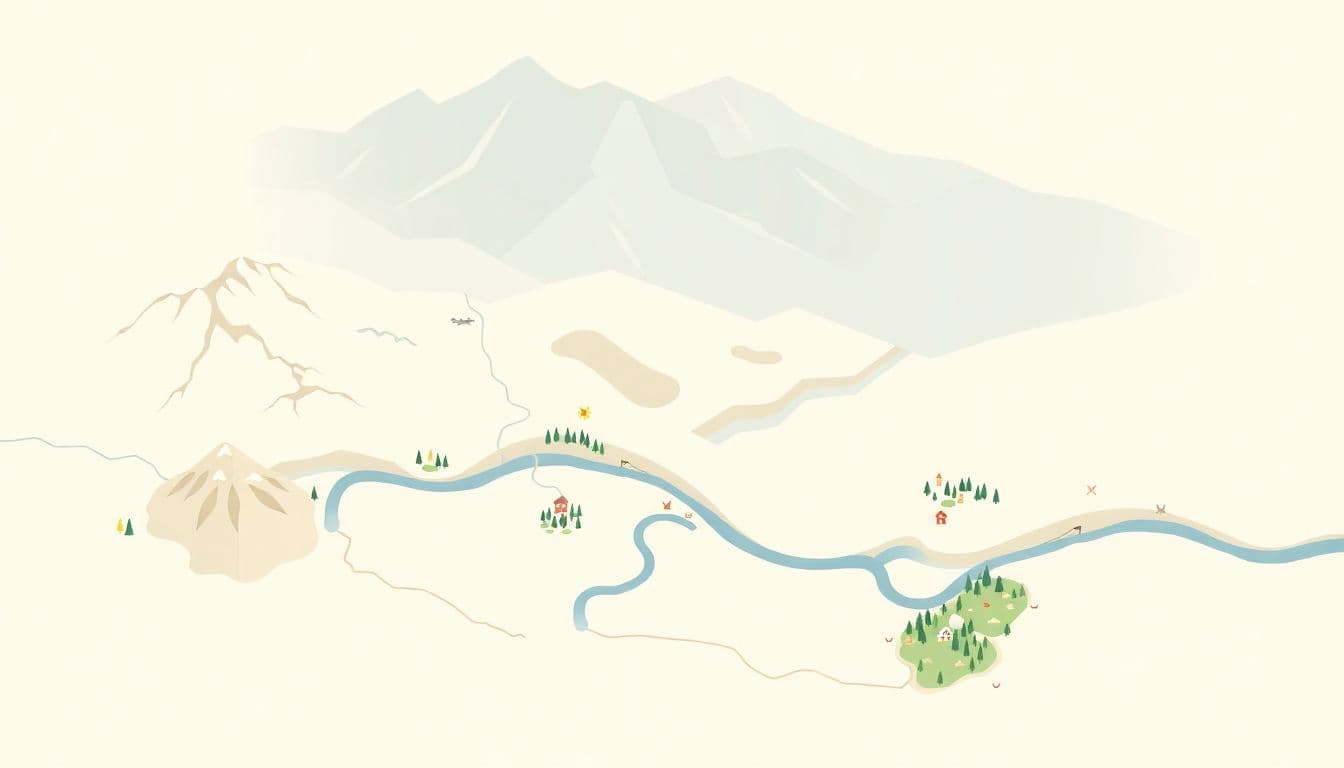
If mapping isn’t your strong suit, don’t sweat it! Tools like Inkarnate or World Anvil help create beautiful, professional-looking maps easily. These visual representations offer clarity and help pinpoint inconsistencies before you get too far into your story.
Consider realistic factors such as distances between places, political territories, natural landmarks, rivers, mountain ranges, and local climates. Remember, if traveling 100 miles takes your characters a month at one point, it shouldn’t take a week somewhere else without explanation.
Once again, real-world inspirations come in super handy here. For example, George R.R. Martin has admitted the map for Westeros has influences from the real UK and historical British kingdoms—allowing his readers subtle familiarity with the landscape of Game of Thrones.
Step 4: Develop the Culture and Traditions of the People
When creating a fictional world, culture and traditions make it believable and give it depth—the way your characters greet each other, what they celebrate or mourn, and what food they eat says a lot about them.
Start by identifying the central values and beliefs influencing daily life in your world (e.g., honor, unity, survival).
Figure out how those values shape rituals and celebrations—think weddings, funerals, festivals, coming-of-age ceremonies, or even mundane events like meals.
Add details like common phrases, slang, mannerisms, and gestures specific to certain cultures in your fictional society—these nuances bring characters to life.
You might also include fictional myths, legends, and historical events passed down through generations to make the culture feel authentic and layered (check out these fun winter writing prompts to spark your imagination).
Step 5: Determine Who Lives There and Their History
Your characters anchor your world, so once the environment and culture are set up, define clearly who’s living there, their relationships, struggles, and backgrounds.
Create distinct groups of people—tribes, kingdoms, societies—with their own detailed pasts, alliances, rivalries, and mixtures of friendship and animosity.
Remember, just as our world now has reached 8.20 billion people, populations in your fictional world also fluctuate, influencing politics, resources, and conflicts (these historical fiction writing prompts might spark ideas).
Give each society a well-defined origin story or milestone historical moments—wars, discoveries, plagues—to explain current social dynamics and prejudices.
You don’t have to outline every detail immediately, but knowing at least the broad strokes of your world’s history helps readers understand character actions faster, without confusion.
Step 6: Build Magic or Technology Systems
Whether you’re working on a science-fiction dystopia or high fantasy magic land, readers expect consistent and logical magic or technology frameworks—it’s part of the fun!
Decide exactly how magic or advanced tech work—are there limits, side-effects, sources, laws or governing principles?
You can base your magic system on something scientific or spiritual, as long as it’s consistent throughout your story—for example, Brandon Sanderson’s Mistborn series has specific metals enabling precise types of powers the readers can easily follow.
With sci-fi tech systems, make sure your details align logically—remember, there are over 5.78 billion mobile users in the real world, so think how widely accessible a futuristic gadget or system is in your world and what implications that has on culture, economy, and society.
Record all your magic and tech rules clearly in a reference notebook or digital tool to avoid later contradictions or confusing inconsistencies when writing the story.
Step 7: Add Details and Descriptions to Make Your World Feel Real
Details matter—it’s the small stuff, like unique architectural styles, smells, tastes, and sounds, that immerse readers fully in your fictional world.
Layer in sensory information—character emotions, everyday sensations (scents of food markets, texture of clothing, ambient city noises)—that pull the reader in without being overly descriptive or slowing down the narrative.
Show how characters interact with their surroundings: someone from a coastal society naturally navigating boats vs a mountain-dwelling individual climbing with ease.
Avoid long boring descriptions—let details emerge naturally through character action and dialogue, giving readers just enough information to picture the scenes clearly without drowning them in loads of unnecessary facts.
If feeling stuck, try some creative prompts like crafting a horror story plot to vividly imagine atmosphere and tension, or focusing on different viewpoints to enrich your world-building process.
Step 8: Keep Your World Organized but Allow Space for Changes
Speaking from experience, fictional worlds often evolve beyond original plans, and that’s okay—don’t box yourself in with overly rigid outlines or overly detailed constraints.
Keep your notes organized but flexible, whether you prefer software applications like Notion or even simple notebooks and spreadsheets.
As your story develops, allow room for unpredictability—maybe a legendary city gets destroyed or new magic emerges unexpectedly—being open lets your story grow naturally.
Regularly revisit and update your notes to maintain consistency—this saves tons of rewrites or embarrassing plot holes down the line.
Remember, storytelling isn’t static—you’ll encounter fresh insights or fun new ideas along the way, so let your fictional world expand organically as you continue writing.
FAQs
Your fictional world’s rules should explain how society, magic, technology, government, and economics function. Clear, consistent systems make your setting believable and help readers understand how your characters interact with their surroundings.
Give your fictional cultures enough detail on languages, customs, traditions, beliefs, and daily habits to make them relatable. Avoid overwhelming readers, choosing meaningful details that enrich stories without distracting from your main narrative.
Your world’s history should provide context and motivation behind key events, conflicts, and character actions. Include impactful historical conflicts, turning points, or discoveries that shape society, politics, and culture in your fictional world.
Organize notes, timelines, maps, and character profiles systematically. Create simple documentation such as charts, outlines, or digital files that you regularly update, making it easier to reference and modify details as your stories evolve.