Table of Contents
Creating book swag can feel like a guessing game—what’s worth making and how do you make it memorable? If you’ve ever wondered how to stand out with your giveaways or worried you’ll waste time and money, you’re not alone. Keep reading, and I’ll show you simple steps to craft cool, effective book swag that gets readers excited and spreads the word about your book.
In this quick guide, I’ll walk you through what book swag really is, the popular types you might pick, and how to choose the best fit for your story. We’ll even look at ways to make your swag unforgettable and share options for doing it yourself or getting help. Stick around—you’ll be surprised how easy it is to create swag that sticks!
Key Takeaways
Key Takeaways
- Book swag is promo items like bookmarks, stickers, and pins that help you stand out and turn readers into promoters. The goal is to make items that are memorable and encourage sharing on social media.
- Popular swag options include bookmarks, stickers, enamel pins, and art cards—choose based on what your readers will love and what suits your book’s vibe.
- Select swag that matches your genre and target audience. For example, colorful pins for YA or sleek bookmarks for literary works. Clear branding with your title and name is important.
- Use digital platforms to showcase your swag. Post photos, run contests, and partner with influencers to reach more readers and encourage sharing.
- Stay aware of trends like audiobooks and TikTok. Create swag that complements these formats to keep your marketing fresh and relevant.
- Build long-term brand recognition with consistent, branded items. Limited editions or series-themed swag can boost loyalty and anticipation for future books.
- Track your swag campaigns by monitoring social engagement and asking for feedback. Adjust your approach based on what works best to maximize results.

1. Find Out What Book Swag Is
Book swag means promotional items that authors and publishers give away to build buzz around their books. Think of items like bookmarks, stickers, enamel pins, and art cards—stuff that fans love to collect and share. Creating book swag helps generate excitement and makes your book stand out in a crowded market. It’s a way to turn readers into ambassadors for your story, especially when they share pictures of your swag on social media.
Most importantly, book swag isn’t just random swag—it’s a tool to connect your readers with your book’s vibe. These items act as little reminders of your story and can spark conversations online or at events. If you’re wondering where to start, just think about what would make you excited to receive and show off—that’s your best bet for making swag that hits home.
Remember, with the right book swag, you’re not just handing out free stuff—you’re creating tiny, portable advertisements. And considering how the promotional product industry is projected to hit $27.8 billion in sales [source], it’s clear that giving away clever, themed swag is a smart move for any author or publisher looking to boost their reach.
2. Choose Popular Types of Book Swag
Some types of book swag have stood the test of time because readers genuinely love them. Bookmarks are a classic—they’re practical and keep your story front and center. Stickers are fun, especially if they feature your book cover or characters, making them perfect for laptops and notebooks.
Enamel pins are trending right now for their durability and style—they make great collectibles. Art cards or small posters that showcase your book’s artwork or map details can also excite fans. If you want to get creative, consider plush bookmarks or qr code cards that link to your audiobook or website.
Pro tip: Look at what top book marketing campaigns are using—these tend to be the most effective. Sites like [publishers’ marketing guides](https://automateed.com/how-to-publish-a-graphic-novel) can give you ideas on what types of swag are making waves in the industry today. Keep it simple, useful, and visually appealing—that’s the recipe for popular swag that gets shared.
3. Pick the Right Swag for Your Book
Choosing the best swag depends on your book’s genre, target audience, and what kind of impression you want to leave. For YA or fantasy books, colorful enamel pins or posters with vibrant art work work well—think of it as wearable or displayable bits of your book’s universe.
If your book is more literary or aimed at professionals, refined bookmarks or elegant art cards might suit better. Consider what your audience loves; if they’re tech-savvy, QR code cards linking to bonus content or exclusive sneak peeks can make a big impact.
Actionable tip: Imagine your ideal reader. What would make them excited to show off your swag? Once you identify that, choose items that match your book’s vibe and your readers’ preferences. Also, don’t forget to include your book title and author name clearly—branding matters. Want to see some ideas? Check out [tips for creating effective book swag](https://automateed.com/horror-story-plot) for inspiration.
7. Leverage Digital Platforms to Amplify Your Swag’s Reach
As more readers turn to social media to find and share book content, digital platforms are goldmines for showcasing your swag.
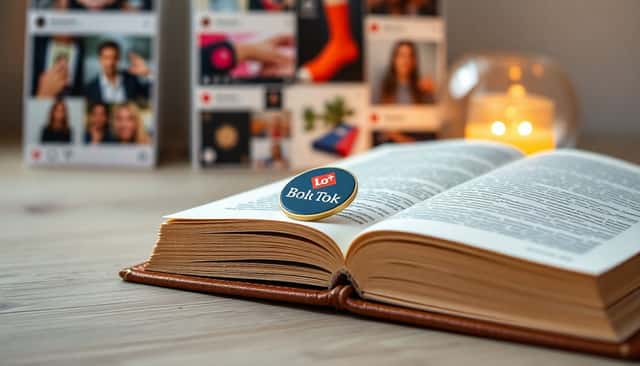
Start by creating eye-catching photos of your swag on platforms like Instagram and TikTok, where #BookTok communities thrive.
Encourage your readers to post pictures of your swag, perhaps by running small contests or giveaways for the best post.
Partner with influencers or book bloggers who can feature your swag in their content, giving it a broader audience.
Using hashtags relevant to your genre and audience, like #Bookstagram or #AmReading, can also help your swag get discovered.
Consider creating short videos unboxing or showing how fans can style or display your swag — videos tend to generate more engagement.
Remember, digital sharing turns a simple piece of swag into free advertising, so make sure every post is appealing and easy to share.
8. Keep Up with Book Marketing Trends to Stay Ahead
The book industry is shifting fast, especially with audiobooks gaining popularity and TikTok becoming a main promotional tool.
In 2025, audiobooks are expected to dominate, so think about creating swag that complements audiobooks, like QR codes linking to exclusive audio content.
Follow trending hashtags and challenges on TikTok to see what types of swag resonate most with users.
Stay connected with industry news through sites like [Automated](https://automateed.com) which often highlight new marketing trends and strategies.
Participate in online groups or forums devoted to book marketing to exchange ideas and discover what’s working for others.
Adapt your swag and promotional approach accordingly — what worked five years ago might not be as effective now.
The goal is to keep your marketing fresh and aligned with what readers and collectors are into today.
9. Think About Long-Term Value and Branding
Great swag isn’t just about promoting one book — it’s about building your brand as an author or publisher.
Design custom items like logo pins or branded bookmarks that readers can collect over multiple releases.
This consistent branding helps readers easily recognize your work and creates a sense of loyalty.
Offer limited edition swag for special occasions or future releases to foster excitement and anticipation.
Remember, a well-branded swag line can become a lasting part of your author identity, increasing your book’s visibility over time.
If you have a series, consider creating a cohesive set of swag items that tell a story or reinforce your brand theme.
This approach keeps your audience engaged and eager for what’s next.
10. Measure Your Swag Campaigns to Improve Results
If you want to get the most bang for your buck, track how your swag efforts perform.
This could mean monitoring social media engagement, hashtag usage, or even offering special discount codes on your swag items.
Ask fans directly for feedback about what swag they LOVE or want to see in the future.
Set clear goals, like increasing your followers or boosting pre-orders, and see if your swag is helping meet those targets.
Use simple tools like Google Analytics or your social platforms’ own insights to see what’s resonating.
Adjust your strategy based on what you learn — maybe stickers are more popular than art cards or vice versa.
Continuously refining your approach turns swag from a shot in the dark into a strategic marketing tool.
Building your book brand with thoughtful, well-chosen swag is all about consistency, understanding your audience, and staying on top of trends.
Mixing creative ideas with a bit of data to see what works best helps you make the most of your efforts.
Remember, the key is to keep your swag fun, memorable, and aligned with your overall marketing plan.
And don’t forget — the more your fans share, the wider your message spreads without extra cost to you.
FAQs
Book swag refers to promotional items like bookmarks, tote bags, or posters given away to promote a book or author. It’s a fun way to connect with readers and generate interest around a new release.
Popular book swag includes bookmarks, tote bags, pins, posters, and signed bookplates. These items are memorable, useful, and help promote the book while engaging readers in fun ways.
Pick swag that reflects your book’s theme and appeals to your target audience. Consider practical items that people will keep, like bookmarks or tote bags, to maximize exposure and engagement.