Table of Contents
Want to give a thoughtful gift but not sure how to put together a boxed set? It can seem tricky to make something really special that people will love to collect.
Stick with me, and I’ll show you how easy it can be to create a box that feels both personal and professional. Keep reading, and you’ll find simple steps to turn your idea into a finished set that’s sure to impress.
In just a few minutes, you’ll learn everything you need to create a boxed set, from picking the right items to packing them nicely.
Key Takeaways
Key Takeaways
- Create a boxed set by choosing related items that follow a theme, like books or music collections, and package them attractively.
- Select items that are high quality and appealing to your target audience to make the set more valuable.
- Use eye-catching packaging and consider adding extras like exclusive content or notes to boost appeal.
- Set the right price by researching competitors, offering discounts or bonuses to attract buyers, and making customers feel they’re getting good value.
- Market your set through social media, reviews, and clear product pages, then track sales and feedback to improve future sets.
- Stay aware of industry trends and the popularity of collections in digital and physical markets to keep your offerings relevant and profitable.
- Planning each step carefully, listening to customers, and staying updated on market changes helps make your boxed sets successful and desirable.
Define what creating a boxed set involves
Creating a boxed set means gathering related items, like books, movies, or music, and packaging them together as a single product. This process is common in publishing and entertainment to give customers a complete experience. The key is choosing items that complement each other to make the set appealing and valuable.
Choose the right items to include
Select items that follow a common theme, series, or genre to appeal to your target audience. For example, compiling a trilogy of books or a collection of hit albums can boost sales. Make sure the items are in good condition or high quality, whether digital or physical, to keep your set attractive.
Decide on packaging and presentation
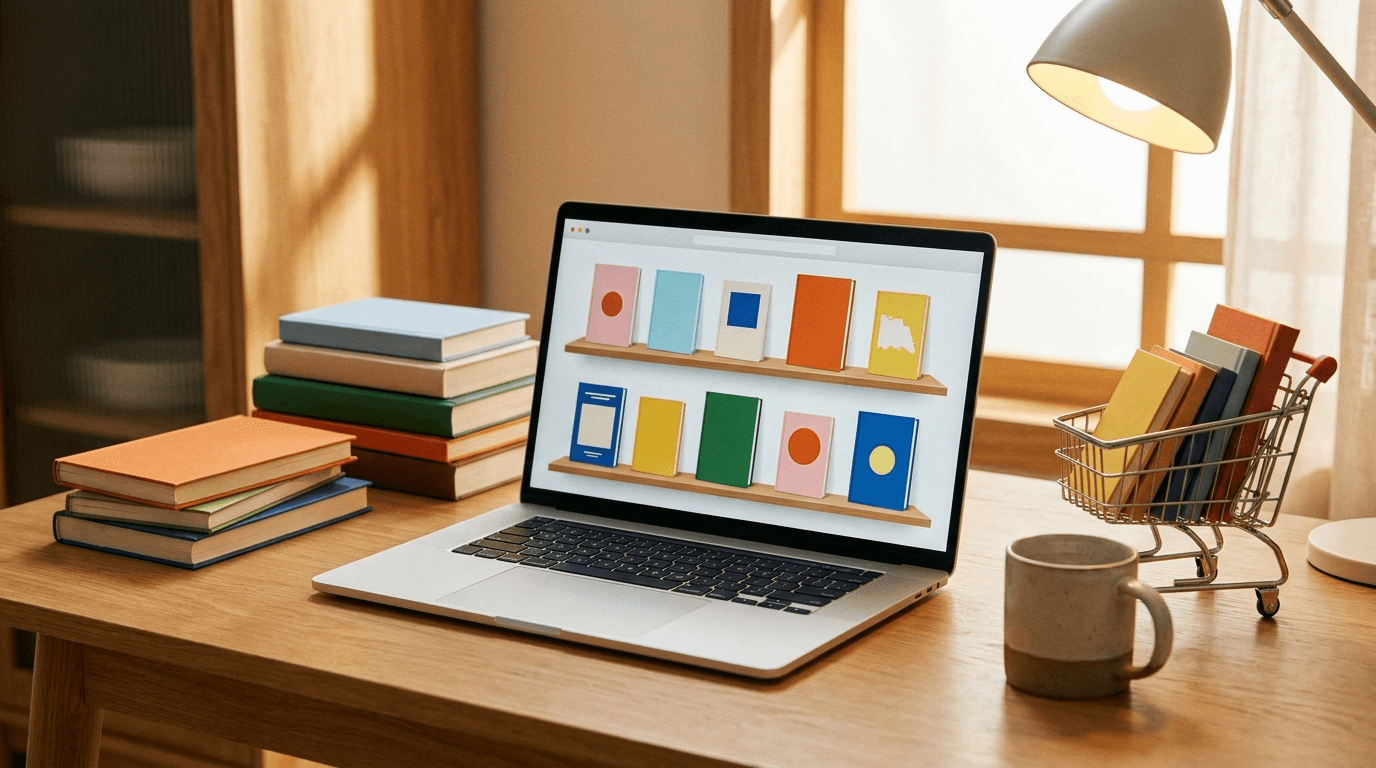
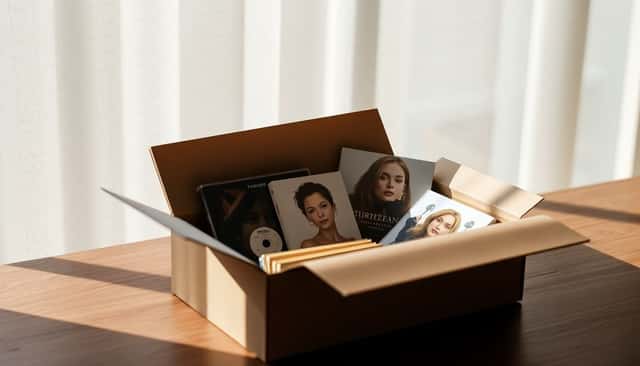
Focus on eye-catching packaging—use attractive covers, sturdy boxes, or digital mockups—that reflect the theme of your set. Consider adding bonus items like exclusive artwork, behind-the-scenes content, or personalized notes to add extra value. Well-designed packaging can make your boxed set stand out on shelves or online shelves.
Decide on the pricing strategy and offer discounts
Pricing your boxed set can be trickier than setting the price of a single item, but aim to offer a deal that feels like a steal without undervaluing your work.
Look at comparable sets in your niche to find a price point that attracts buyers without undercutting the market.
Offering limited-time discounts or bundling bonuses can encourage quick sales and make the set more appealing.
Remember, people love feeling like they’re getting extra value, so consider including exclusive content or freebies that aren’t available elsewhere.
If you sell through your own website or storefront, you can directly control discounts, but stay aware of what competitors are doing, especially on popular platforms like Amazon or Etsy.
Market and promote your boxed set effectively
Getting your set in front of the right audience is key—use social media, email newsletters, and relevant online communities to spread the word.
Share sneak peeks, unboxing videos, or behind-the-scenes glimpses to pique interest and build excitement around your offering.
Partnering with influencers or reviewers in your niche can also give your boxed set a boost in visibility.
Consider running promotions on dates tied to your theme or creating a limited-edition version to add exclusivity.
Make sure your product page—whether on a marketplace or your own site—is clear, attractive, and optimized with keywords so people can find it easily in search results.
Leverage sales data and feedback to improve future sets
Keep an eye on how your boxed set is performing—track sales numbers, customer reviews, and website analytics to see what’s working and what isn’t.
If a set is selling well, consider creating sequels or related themes to capitalize on its popularity.
Customer feedback is gold—listen to what buyers say about packaging, content, or price to refine your next set.
Don’t be afraid to experiment with different formats, themes, or price points; sometimes small tweaks can lead to big sales boosts.
Remember, the data you collect isn’t just numbers—it’s insight into what your audience truly values, helping you craft sets that sell naturally.
Stay updated with industry trends and market growth
The market for set-top boxes and entertainment collections keeps growing, with the global set-top box market reaching over USD 25 billion in 2023 and climbing steadily—showing there’s a demand for bundled entertainment.
This trend extends beyond tech—people love collecting themed sets of movies, books, or music that offer a complete experience.
By keeping an eye on shifts like digital media consumption or new release strategies, you can better position your boxed sets for success.
Check out platforms like **Box Inc.** which reported profits of over $1 billion in 2025, reflecting the increasing commercial value of well-curated collections.
Staying aware of these changes lets you adapt your approach, whether in packaging, marketing, or content creation, to stay relevant and profitable.
Final thoughts: Making boxed sets work for you
Creating a successful boxed set involves more than just grouping items together—you need to think through every step, from choosing the right products to pricing and promotion.
Watch market trends and listen to customer feedback to continuously improve your offerings.
With a little planning, a focus on quality, and smart marketing, your boxed set can become a real hit—whether it’s a collector’s item or a steady income stream.
Remember, the key is providing value and making it easy for people to find and buy what you’ve put together.
FAQs
You’ll need items like the individual books or products, a sturdy box or case, decorative elements, and materials for packaging such as tissue paper or ribbons to enhance presentation.
Arrange items neatly, with the main components at the forefront, and consider adding layers of tissue or padding for protection and enhanced visual appeal.
Use personalized touches like custom labels, thematic wrapping, or branded elements to make the boxed set unique and more appealing to recipients or customers.
Use sturdy packaging materials, add protective padding inside the box, and choose reliable shipping options to prevent damage during transit.