Table of Contents
Cross-promotion really can move the needle—because you’re not “cold” to a new audience. You’re borrowing trust. I’ve seen that firsthand when I’ve guest-hosted and run reciprocal promos with creators whose listeners already care about the same topics I do (just in a different way).
That said, I’m not a fan of tossing around huge growth multipliers without context. The truth is: results vary a lot based on your niche fit, how good the guest segment is, and whether you make it easy for new listeners to follow and actually stick around.
⚡ TL;DR – Key Takeaways
- •Cross-promotion works when you earn trust transfer: your partner’s audience should feel, “This host gets me,” not “Who are these people?”
- •Clips outperform full episodes for discovery—what usually performs best is a short, specific hook (problem → insight → what to do next), posted within 24–72 hours of the episode going live.
- •Partner selection beats “more outreach.” Aim for complementary audiences (overlap on interests, not overlap on the exact same show promise).
- •Personalized outreach and a clear promo plan (dates, formats, links, and what you’ll send them) makes reciprocal promotion far more likely.
- •In 2026, AI-assisted discovery and personalization helps you find better matches and craft faster outreach—but you still need human-level relevance to convert.
Understanding How Cross-Promoting Podcasts with Other Creators Works in 2026
In 2026, cross-promotion is still one of the most practical ways to grow—because it’s built on relationships, not guesswork. The basic idea is simple: you promote each other’s shows to audiences that already have a reason to care.
In my experience, the best collaborations aren’t just “similar topic” matches. They’re compatible listening habits. For example, a podcast about “career transitions” can pair well with “job search strategy,” even if they don’t sound identical. The listeners want practical help, and they’ll usually follow if the guest segment delivers.
The Fundamentals of Cross-Promotion
Cross-promotion typically shows up as:
- Guest appearances (you appear on their show, they appear on yours)
- Trailer swaps (you trade short promos for upcoming episodes)
- Episode swaps (sharing each other’s episodes with a clear call-to-action)
- Short-form clip sharing (TikTok/Instagram Reels/YouTube Shorts style discovery)
Guest interviews are usually the highest-conversion format because they’re interactive. Listeners hear your voice, your perspective, and why you’re worth following. Trailer swaps are great for momentum, but they’re more “awareness” than “trust.”
And yeah—platforms can help with matching and coordination. But I always treat tools as logistics support, not the strategy. The strategy is still: relevance + clarity + follow-through.
The Benefits of Cross-Promoting Podcasts
Here’s what cross-promotion tends to do well:
- It lowers the “risk” for new listeners. They’re more likely to try you because someone they already follow recommended you.
- It builds credibility through association—especially when you’re on shows with a strong brand or consistent audience.
- It compounds when partnerships turn into ongoing series (not just one-off episodes).
On the distribution side, cross-promotion also helps you show up in more places: podcast apps, email newsletters, social shares, and platform discovery surfaces that reward engagement.
About those big “2x–5x” type claims—what I’ve noticed is that clip-based promos can produce outsized results compared to audio-only promos, mostly because short-form content is built for scrolling behavior. If your clip is specific and your caption includes a direct takeaway, it can pull in listeners quickly. But if the clip is vague (“great episode!”) you’ll get attention without conversion.

Methods of Cross-Promotion for Podcast Growth
Different methods fit different goals. If you’re trying to grow fast, you usually need a mix of discovery (clips) and trust (guest segments). If you’re trying to stabilize growth, you lean more into repeatable formats like reciprocal episodes and trailer swaps.
When I’ve run collaborations, the “combo” that worked best was:
- one guest segment (trust + follow)
- 3–6 short clips (discovery)
- a trailer or email mention (reminder + conversion)
For partner discovery, tools like Rephonic and Spotify Creators can help you compare listener overlap and audience demographics. But don’t stop at “similar.” You want complementary positioning.
For more on that kind of audience alignment, see our guide on genre crossing novels.
Guest Appearances and Reciprocal Episodes
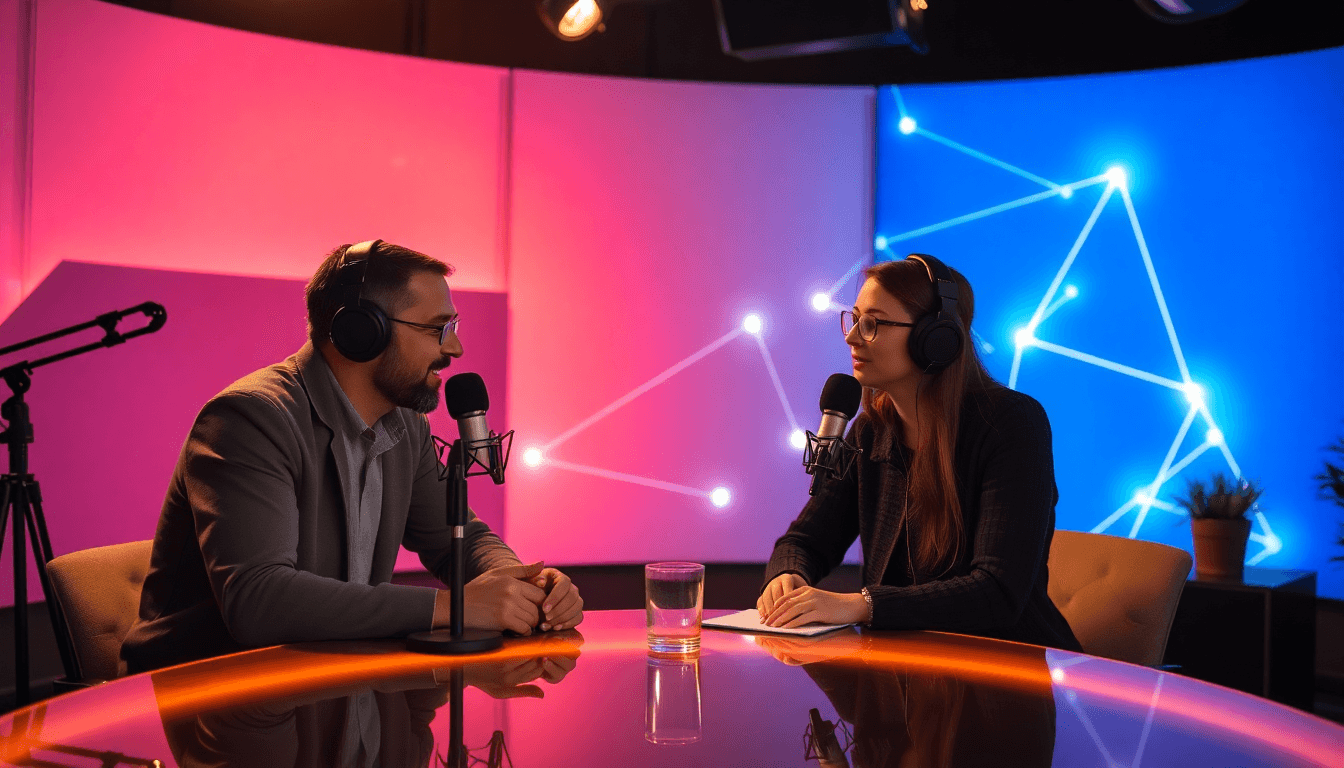
This is the core of most serious cross-promotion. The key is that the audience should be similar enough to care—but different enough that you’re not just repeating the same show promise.
My rule: don’t reuse your “best hits” blindly. If you’ve done the topic before, great—now tailor it. Change the framing, add a new example, and answer the question their audience is most likely asking.
Example mini-case: I once paired a “productivity for freelancers” podcast with a “client communication” podcast. The topics weren’t identical, but the listeners had the same pain point: getting better outcomes from work. The guest segment focused on “how to set expectations that reduce scope creep.” After the episode, we saw the biggest spike in follows from listeners who clicked the show notes link right after the segment (not from people who only heard the intro and bounced). That told me the CTA placement mattered as much as the topic.
Social Media Collaborations and Clips
Short clips are where you can get real leverage—because they’re designed for discovery. But the clip has to earn the click.
What I look for in clips that perform:
- A specific hook: “If you’re getting ghosted after proposals, try this…”
- One actionable takeaway: not 10 tips, just one clear move
- Fast pacing: 20–45 seconds beats “let me summarize the episode”
- Caption clarity: include the takeaway in text so people understand without sound
In practice, the best conversion path is usually: clip → show notes / follow link → subscribe. If you only post the clip and hope, you’re leaving money on the table.
Trailer and Trailer Swap Strategies
Trailer swaps work best when they’re timed tightly. Don’t swap trailers months before the episode. Do it when your audience is already in “new content” mode.
A simple approach I’ve used:
- Send trailer copy 7–10 days before release
- Confirm the posting schedule (date + platform)
- Include a single link target (one place to act)
Trailer promos are also useful for “momentum episodes”—like live recordings, special guests, or seasonal series.
Promo Codes and Special Offers
Promo codes aren’t just for ecommerce. They work for podcasts too—if you attach them to something tangible.
Examples that make sense:
- “Use code PODCAST10 for my free template”
- “Get early access to the workshop”
- “Download the checklist included with the episode”
The real win is tracking. If you use unique referral codes, you can see which partner actually drove conversions—not just which partner got likes.
How to Build Effective Relationships with Other Podcast Creators
Cross-promotion is easier when you treat it like a relationship, not a transaction. I’ve found that creators are more willing to say yes when you make their job simple: you bring a clear idea, you follow the agreed schedule, and you promote in the way you promised.
Tools like Rephonic, Spotify Creators, and Podgagement can help you identify shows with overlapping audiences. But here’s the workflow I recommend (because it’s easy to do wrong):
- Step 1: Filter for niche match. Don’t chase “big.” Chase “right.”
- Step 2: Compare audience overlap. Look for overlap that suggests shared interests, not identical positioning.
- Step 3: Check format compatibility. If their audience loves interviews, don’t pitch a promo that sounds like a lecture.
- Step 4: Validate with recent episodes. Skim titles and descriptions. Does their recent content match your angle?
For more audience-alignment thinking, see our guide on book publishing podcasts.
Finding the Right Partners
Target shows that match your niche but serve different segments. A self-publishing podcast might pair well with a writing craft show. Same world, different entry point.
Another thing I do: I look for shows that consistently publish. If they’re irregular, your collaboration schedule will be painful, and your promo timing won’t land when the audience is ready.
Approaching and Pitching Collaborations
Personalized outreach wins. Not “Hi I love your podcast.” That’s everywhere. Instead, I suggest you reference something specific:
- a recent episode topic
- the guest’s angle
- why your segment would add a new perspective
Then make the next step easy. Offer two options like:
- “Would you be open to a guest segment on client communication?”
- “Or a trailer swap + 2 clips for each side?”
Starting small helps. A short guest swap is usually less risky than a full co-produced series.
Maintaining and Nurturing Partnerships
After the episode drops, don’t disappear. I recommend a simple cadence:
- Day 0–1: share the episode (with a clear follow/sub link)
- Day 2–4: share 2–3 clips
- Day 7: send one “best moment” clip or a short follow-up post
And keep it reciprocal. If you want them to promote your next episode, promote theirs like you mean it.
Best Practices for Successful Cross-Promotion in 2026
Custom content is the difference between “a collaboration” and “a conversion.” Don’t show up with a generic pitch that could work on any show.
In my experience, the best guest segments feel tailored to the host’s audience. You can still reuse your expertise—just repackage it.
Also, use video snippets and visuals strategically. A clip that’s just someone talking over a static background usually underperforms compared to clips with on-screen text, quick b-roll, or a visual example.
For more on topic alignment and crafting content for publishing-adjacent audiences, see our guide on publishing industry podcasts.
Promoting Actively and Consistently
Consistency matters because algorithms reward activity, and humans need repetition. But you don’t need to post every hour. You need a predictable rhythm.
A practical posting plan I like:
- Release day: episode share + 1 clip
- Next 3 days: 1 clip per day
- Following week: 1 “best takeaway” clip + newsletter mention (if you have one)
If you’re coordinating multiple creators, scheduling and reminders can get messy fast. Tools like Automateed can help automate follow-ups and promo reminders, so partners don’t fall through the cracks.
Tracking and Measuring ROI
This is where a lot of cross-promotion falls apart—people “feel” like it worked, but they can’t prove it.
Here’s what to track (and how I calculate it):
- New listeners: unique listeners from the partner’s link (use unique URLs per partner)
- Click-through rate (CTR): clicks ÷ impressions (for social posts) or clicks ÷ delivered (for emails)
- Conversion rate to follow/subscribe: follows/subscribes ÷ unique visitors from that partner’s link
- Engagement rate: plays-to-completion or average listen duration ÷ total plays (depending on your analytics)
- Retention: percentage of listeners who continue past the first segment (or who return within 7–14 days)
The attribution window matters. I typically use a 7-day window for social clips and a 14–30 day window for guest episodes, because some people binge later.
Set targets based on your baseline. If you’re starting from a small audience, even modest conversion can be a win. The goal is to improve the process, not chase vanity numbers.

Overcoming Common Challenges in Podcast Cross-Promotion
Let’s be honest: cross-promotion can be annoying at first. It takes time to find partners, pitch them, coordinate schedules, and then actually promote on time.
Here’s what I do to make it manageable:
- Start with 2–3 outreach contacts per week. That’s enough to build momentum without burning out.
- Use a simple follow-up system. If you don’t hear back in 3–5 days, follow up with a shorter message and a clear CTA.
- Keep your pitch short. 5–8 sentences max, with one proposed collaboration format.
If you’re trying to reduce audience overlap risk, research demographics and listener overlap using Rephonic or Chartable-style data. When overlap is high, that doesn’t always mean “don’t collaborate.” It can mean you need a better angle (different promise, different segment focus, different episode structure).
One more common issue: retention drops after collaborations. It’s normal if your new listeners clicked from a clip but didn’t hear content that matched their expectations.
My fix is simple: tighten alignment between the clip hook and the episode content. If your clip says “here’s how to do X,” make sure the episode actually delivers X early, not 30 minutes in.
The Future of Cross-Promoting Podcasts: Industry Trends in 2026
AI is changing the “finding partners” part more than the “selling your value” part. In 2026, AI-driven recommendations and personalization can improve discovery—usually measured as better CTR, more qualified responses, and higher conversion from outreach to collaboration.
But instead of quoting a vague “45% boost” without context, I’ll say this: what matters is what your funnel looks like. If your outreach open rates and response rates improve because you’re matching more relevant shows, that’s a real gain. The AI didn’t magically grow your audience; it helped you spend time on the right opportunities.
Also, video clips and short-form content dominate. Clips from cross-promos often drive a meaningful share of new listeners because they’re easier to discover and share. The reason it can feel “faster” than audio-only promos is that short-form platforms deliver high-frequency exposure, while podcast discovery is slower and more search-driven.
For more on writing content that actually holds attention in podcast formats, see our guide on writing scripts podcasts.
On the broader market side, podcast advertising continues to grow (and that’s exactly why creators are looking for smarter ways to reach people). Cross-promotion stays essential because it’s not dependent on ad budgets or algorithm luck—you’re leveraging real audience trust.
Conclusion: Mastering Cross-Promotion to Grow Your Podcast Audience in 2026
If you want your podcast to grow in 2026, cross-promotion can be a dependable lever—as long as you treat it like a system, not a one-time favor.
Pick partners with complementary (not identical) audiences, create content that feels tailored to their listeners, and track what actually converts. Do that consistently, and you’ll keep finding new listener pools without constantly starting from zero.

Frequently Asked Questions
How can I effectively cross-promote my podcast?
Start with complementary niches, then pitch a specific collaboration format (guest segment, trailer swap, or clip exchange). Make it easy for the other host to say yes by sharing your promo plan: dates, what you’ll post, and the exact links you’ll use.
What are the best strategies for podcast collaboration?
Guest interviews are great for trust, while clips are great for discovery. Use analytics to find partners with shared interests, then keep the content tailored so new listeners instantly “get” why your show fits them.
How do ad swaps work in podcast cross-promotion?
Ad swaps are basically exchanging promotional segments (or trailer-style promos) between shows. They work best when the message is specific and when you include a clear CTA—ideally with tracking like unique links or promo codes.
What tools can help with cross-promoting podcasts?
Rephonic and Spotify Creators can help with partner research. Automateed can help with coordination—follow-ups, reminders, and keeping your promo schedule on track. The tool helps you execute; your relevance drives the results.
How do I build relationships with other podcast creators?
Reach out with personalization, propose a low-friction first collaboration, and then promote as promised. After the episode, follow up, share results if you can, and suggest the next step while the momentum is still there.