Table of Contents
Creating a dystopian plot can feel like navigating a maze with no exit in sight. You might worry about making your story unique or capturing the essence of societal issues that resonate today. Trust me, you’re not alone in this struggle!
But here’s the good news: if you stick around, I’ll guide you through the process of crafting a compelling dystopian narrative. Together, we’ll explore themes, character archetypes, and tips that can light your creative spark.
So, get ready to dive into the world of dystopian storytelling! We’ll break down each step, from developing your central conflict to the thrilling resolution that leaves your readers breathless. Let’s unleash your imagination!
Key Takeaways
- Start with a strong central conflict to drive your dystopian story forward.
- Create an immersive setting that reflects societal fears and influences character behavior.
- Develop multi-dimensional characters with relatable motivations and growth arcs.
- Incorporate relevant societal issues, like government control, technology, and inequality, to engage readers.
- Utilize common character archetypes like rebels, oppressors, and survivors to deepen your narrative.
- Reflect real-world themes through your story to create a resonant and thought-provoking experience.

1. How to Create a Dystopian Plot
Creating a dystopian plot involves several key steps that can elevate your storytelling and captivate readers. Start by considering the core elements that define your narrative, from the setting to the characters and the central conflict. With a well-thought-out framework, you can develop a story that resonates and sparks thought about societal issues. Let’s break down the steps involved in crafting your dystopian tale.
1.1. Choose a Central Conflict
The central conflict is the heart of your story, determining the emotional stakes and driving the narrative forward. To create a compelling conflict, think about the challenges your protagonist will face. For example, is it a battle against an oppressive government, or is your character grappling with moral dilemmas in a post-apocalyptic world?
Consider various types of conflicts such as protagonist vs. antagonist situations, internal struggles, or societal issues. Ask yourself: What is at stake? What obstacles will your character encounter? Ensure that the conflict is relatable enough for readers to connect with, while also reflecting broader themes relevant to the dystopian setting.
1.2. Develop the Setting
The setting serves as the canvas on which your story is painted. A dystopian world should feel immersive, reflecting a bleak future shaped by societal fears or failures. Start by envisioning what this world looks like—think about the environment, architecture, and the everyday lives of its inhabitants.
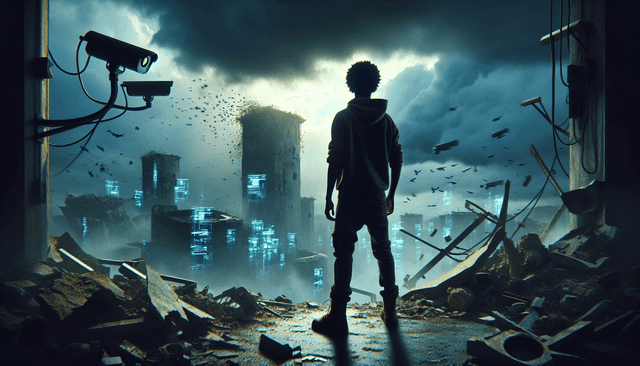
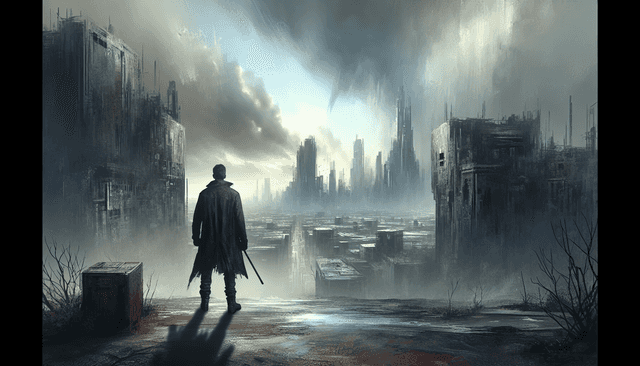
Use atmospheric descriptions to set the tone. Is the sky perpetually gray? Are there crumbling buildings and abandoned streets? Integrate sensory details to make your setting feel vivid and alive, giving readers a sense of authenticity and urgency. The world is not just a backdrop; it influences character behavior, societal dynamics, and thematic depth.
1.3. Build the Characters
Characters are the backbone of your story, and in dystopian fiction, they need to be multi-dimensional. Start by creating a relatable protagonist who embodies both strengths and flaws. Consider what motivates them and how they respond to the dystopian environment.
Your antagonist can also be complex. Instead of being purely evil, explore their motivations and insecurities. This adds depth and allows readers to understand why they act the way they do. Invest in the character arcs to showcase growth, showcasing how the grim circumstances shape their decisions and humanity.
1.4. Define the Societal Issues
One of the most intriguing aspects of dystopian storytelling is its ability to critique real-world issues. When defining societal problems in your narrative, think about what themes resonate with contemporary audiences. Consider themes like government control, social inequality, or technological overreach, and weave them into your plot.
Examine the implications of these problems within the context of your story. For instance, how does the lack of privacy affect everyday lives? What moral dilemmas arise from extreme environmental degradation? By grounding your characters’ experiences in recognizable societal flaws, you create a narrative that resonates on multiple levels.
2. Common Themes in Dystopian Stories
The power of dystopian stories lies in their themes, which reflect our deepest societal fears and critiques. Exploring these themes enriches your plot and gives readers a way to engage with real-world issues through fiction. Here are some common themes found in these gripping narratives.
2.1. Government Control
Government control is a prevalent theme in many dystopian narratives. It often manifests through oppressive regimes and authoritarian leadership.
Characters may find themselves living under constant surveillance, where personal freedoms are sacrificed for a perceived sense of security.
This theme can incite tension and conflict, as your characters struggle against the oppressive forces of their society. Think of George Orwell’s *1984* or Aldous Huxley’s *Brave New World*, where characters grapple with the consequences of totalitarianism.
To make this theme resonate even more, reflect on contemporary issues such as censorship or loss of civil liberties. Ask yourself how these themes apply in your society and explore them through your character’s journey.
2.2. Technology and Its Impact
Technology can be a double-edged sword in dystopian fiction. On one hand, it offers conveniences and advancements; on the other, it often leads to unintended consequences.
Imagine a world where society relies entirely on artificial intelligence, leading to a disconnect from humanity. Films like *Ex Machina* explore these ethical dilemmas.
As you create your plot, consider how technology shapes your characters’ lives and the rules of their society. Does it empower them, or does it become a tool for oppression?
To enhance this theme, delve into current technological issues that frighten people today, such as data privacy and surveillance, and let those fears inspire your plot development.
2.3. Environmental Catastrophes
Environmental catastrophes serve as stark reminders of the potential consequences of our actions. Dystopian worlds often depict decaying landscapes where nature has taken its revenge due to humanity’s negligence.
Consider stories like *The Road* by Cormac McCarthy, where a post-apocalyptic world is starkly shaped by climate change and resource scarcity.
When working with this theme, let your characters navigate the harsh realities of a damaged environment. Use their struggles to mirror real-life concerns about sustainability and human impact on the planet.
Creating a chilling setting can heighten the stakes, drawing readers into the peril your characters face in a world gone awry.
2.4. Social Inequality
Social inequality is another prominent theme in dystopian literature. It highlights the disparities in wealth, status, and power among different social groups.
Groundbreaking works like *The Hunger Games* by Suzanne Collins showcase class divides that lead to oppression and conflict. Your characters may fight against an unjust system that keeps them marginalized.
This theme allows you to explore issues of privilege and systemic injustice. Ask yourself how societal structures in your story reflect the inequalities of today’s world.
Crafting characters from varied backgrounds can help illuminate the struggles against inequality, making your narrative both relatable and powerful.
2.5. Loss of Individual Freedoms
The theme of losing individual freedoms is central to many dystopian stories. As characters navigate oppressive systems, their personal rights and liberties continuously hang in the balance.
This loss often leads to strong emotional stakes, compelling readers to empathize with characters longing for autonomy, as seen in *Fahrenheit 451* by Ray Bradbury.
To effectively convey this theme, illustrate the everyday implications of lost freedoms through your characters’ lives. How do they cope in a world that restricts them?
Focus on their emotional journeys toward reclaiming their identity and autonomy, which can resonate deeply with readers who value their freedoms in real life.
3. Character Archetypes in Dystopian Fiction
Character archetypes add depth and relatability to dystopian tales. They help establish recognizable roles that readers can connect with, enhancing your narrative and themes.
Let’s explore some common archetypes that can help frame your characters and their journeys.
3.1. The Rebel
The rebel embodies the spirit of defiance against oppressive systems. They question authority and often become leaders in the fight for freedom.
This character might be driven by personal loss or a strong sense of justice. Think of Katniss Everdeen from *The Hunger Games*, who becomes a symbol of resistance.
To craft a compelling rebel, focus on their motivations and the risks they take. What sacrifices do they make for their beliefs? Highlight their inner conflicts to create a multi-dimensional character.
3.2. The Oppressor
The oppressor serves as the antagonist, representing the destructive power of authoritarianism. These characters often possess a misguided sense of purpose, driven by fear or the desire for control.
Instead of being purely evil, give them complex motivations that make them relatable. Think about characters like President Snow in *The Hunger Games*, who sees his actions as necessary for maintaining order.
To develop an effective oppressor, create a backstory that explores how they became who they are. This adds layers to their character, making them more than just a villain.
3.3. The Survivor
The survivor archetype showcases resilience in the face of adversity. They adapt to harsh conditions and often undergo significant growth throughout the story.
Characters like the protagonist in *The Road* embody this archetype, exhibiting strength and resourcefulness amid despair.
When developing a survivor, emphasize their coping mechanisms and the emotional toll that survival takes on them. How do they navigate loss, fear, and uncertainty?
By connecting their journey to readers’ own experiences of resilience, you foster empathy and engagement.
3.4. The Marked Ones
The marked ones are characters who bear the brunt of societal prejudice or stigma. They often exist at the margins of society, facing discrimination that influences their narrative arc.
Think of characters such as those in *Divergent*, who are labeled and ostracized due to their differences.
This archetype allows you to explore themes of acceptance, identity, and belonging. Focus on their struggles and triumphs, showcasing the evolution of their self-worth as they navigate a hostile environment.
3.5. The Innocent
The innocent archetype often represents purity and hope in a corrupt world. They can be tragic figures whose innocence is tested by the harsh realities of their environment.
Consider characters like children or naïve youths who serve as a stark contrast to the darkness surrounding them, highlighting the loss of childhood in dystopian settings.
To effectively portray this archetype, craft scenarios that threaten their innocence. Explore how they adapt and respond to the world around them, which can evoke strong emotional responses from readers.
4. Tips for Writing Dystopian Plots
Writing a compelling dystopian plot requires careful consideration and planning to make your story resonate with readers.
Here are some practical tips to help you craft a captivating narrative.
4.1. Start with a “What If” Question
One of the best ways to kickstart your dystopian story is by asking yourself a “What If?” question.
Think about scenarios that twist reality—like “What if everyone lost their ability to feel emotions?” or “What if technology controlled every aspect of our lives?”
This approach can guide the direction of your plot and help you explore unique takes on dystopian themes.
4.2. Research Current Social Issues
Don’t shy away from investigating real-world social issues that resonate with your story’s themes.
Whether it’s climate change, economic disparity, or government surveillance, these issues can add depth to your narrative.
When you weave these themes into your plot, readers will find your story more relatable and impactful.
4.3. Interweave Character Development with World-Building
Ensure that your characters’ development is closely tied to the world they inhabit.
How do the societal norms shape their decisions? Are they rebels fighting against injustice or conformists thriving in the system?
This connection helps create a rich, immersive experience for readers, allowing them to understand both the character and the world better.
4.4. Use Symbolism and Metaphors
Symbolism can deepen the reader’s understanding of your themes and characters.
Consider using objects, colors, or even recurring phrases that represent broader ideas in your narrative.
For instance, using darkness to symbolize ignorance can subtly scaffold your storytelling, enriching your reader’s experience.
4.5. Create a Gripping Opening
First impressions matter, especially in dystopian fiction where your opening should capture readers’ attention immediately.
Start with action or a scene that introduces the chaos or gloom of your world.
A line that throws the reader straight into conflict or a shocking reveal can set the stage for an engaging read.
6. Resources for Further Inspiration
If you find yourself stuck or looking for fresh ideas, there are plenty of resources available to fuel your creativity.
6.1. Books and Novels
Reading widely is essential for any writer, and immersing yourself in classic and contemporary dystopian literature can inspire your own writing.
Consider diving into works like *The Handmaid’s Tale* by Margaret Atwood or *Brave New World* by Aldous Huxley.
Analyzing the strengths of these narratives will provide insights on plot development and thematic exploration.
6.2. Movies and Documentaries
Visual storytelling can spark new ideas or approaches to your narrative.
Watch dystopian films such as *Children of Men* or *Snowpiercer* to see how directors depict societal breakdowns visually.
Documentaries focused on social issues can also enhance your understanding of the real-world problems that inspire dystopian stories.
6.3. Online Writing Communities
Engaging with fellow writers can be tremendously helpful in refining your ideas and receiving constructive feedback.
Websites like Reddit or writing forums dedicated to speculative fiction can offer both motivation and valuable insights.
6.4. Writing Prompts and Exercises
Shake up your routine by using writing prompts that encourage you to explore new plot ideas or character scenarios.
Whether it’s a single sentence challenge or a character exploration, prompts can unlock creativity.
6.5. Social Media Groups and Forums
Look for Facebook groups or Twitter chats that focus on writing or dystopian themes.
Exchange ideas and experiences with fellow writers, and don’t hesitate to ask for advice or share your own tips.
7. Final Thoughts on Dystopian Storytelling
Dystopian storytelling invites readers to examine challenging themes and reflect on real-world issues.
7.1. The Importance of Theme and Message
Your story should resonate with readers beyond just entertainment.
Integrate meaningful themes that challenge or reflect societal norms, prompting readers to think critically about the world around them.
7.2. Engaging Readers with Relatable Characters
To draw readers in, create characters that reflect complex human experiences.
Relatable struggles and triumphs will allow your audience to connect and invest emotionally in your characters’ journeys.
7.3. Leaving a Lasting Impact on Society
A powerful dystopian story has the potential to influence readers’ perspectives and inspire dialogue about current societal issues.
Consider how your narrative can serve as a cautionary tale or a call to action for readers.
7.4. Balancing Hope and Despair
While depicting darkness is key, don’t forget to sprinkle in elements of hope.
Characters’ small victories or connections can provide relief amid the bleakness, making the narrative resonate more deeply.
7.5. Keeping the Narrative Relevant
Adapting timeless themes to current issues is crucial.
Always look for ways to tie your plot back to contemporary events or sentiments that evoke strong opinions, maintaining your relevance in readers’ hearts and minds.
FAQs
Focus on a central conflict, develop a unique setting, build relatable characters, define relevant societal issues, and create a resolution that resonates with readers.
Common themes include government control, the impact of technology, environmental disasters, social inequality, and the loss of individual freedoms, highlighting contemporary concerns.
Develop characters as archetypes like the rebel, oppressor, or innocent. Give them depth by exploring motivations, flaws, and growth throughout the narrative, ensuring they resonate with readers.
Start with a “What if” question, research current social issues, combine character development with world-building, and utilize symbolism to enhance engagement and relevance.