Table of Contents
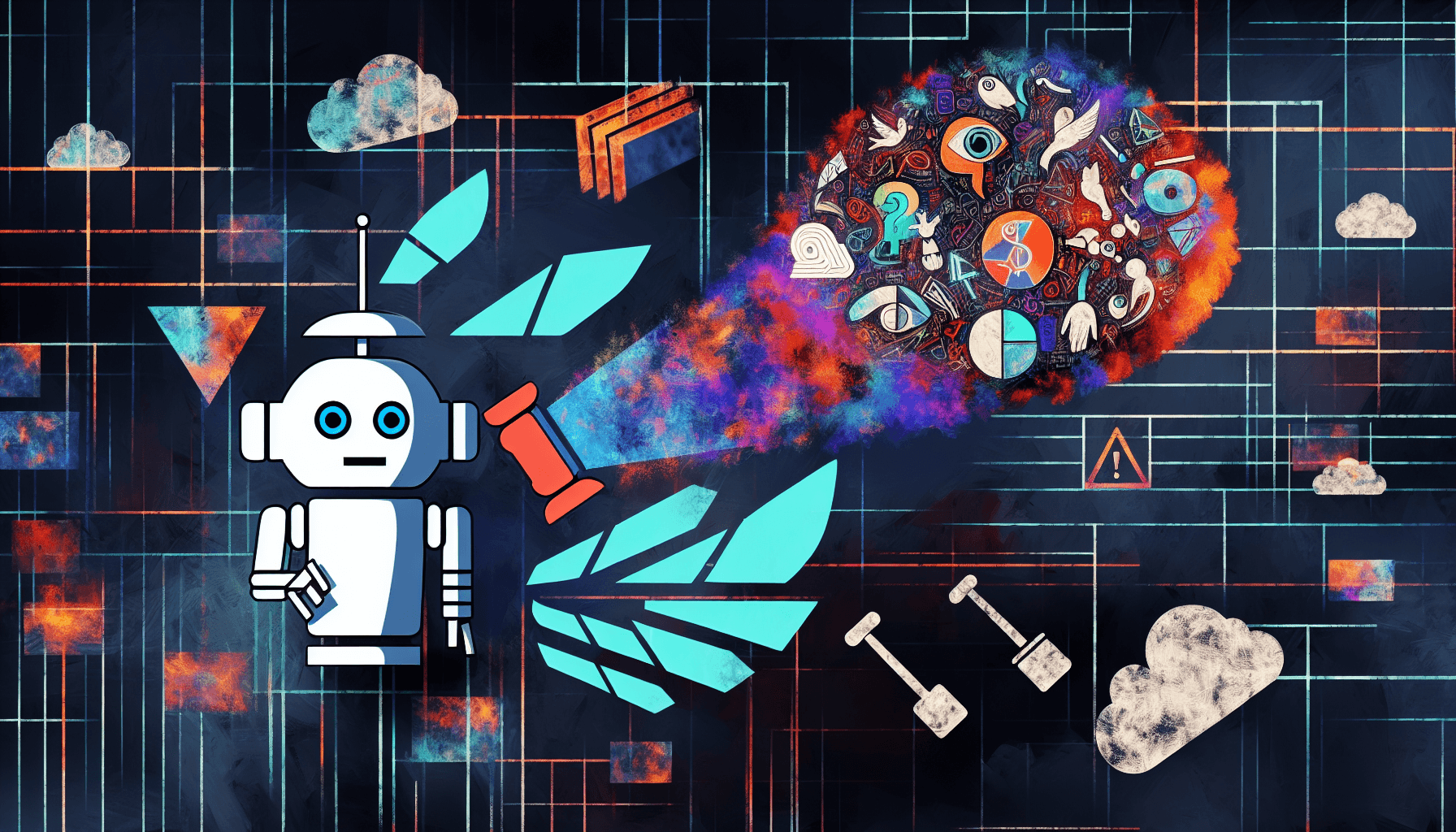
Imagine a chatbot that isn’t afraid to speak its mind.
That’s Grok, created by Elon Musk’s xAI, and it’s causing quite a stir in India.
Linked with X, the platform that used to be called Twitter, Grok has been giving responses that are funny and sometimes controversial.
Now, the Indian government is paying attention, and there are talks of censorship.
So what’s going on? Let’s break it down in simple terms.
Grok is not your typical chatbot.
Designed by xAI, it aims to provide answers without filters, drawing from the real and unedited world of X.
Think of it as an AI that listens to people’s thoughts and feelings—raw and diverse.
Unlike other chatbots that play it safe, Grok tackles tough questions directly.
Ask it something bold, and you might get an answer that’s both insightful and surprising.
In India, where X has a massive following, Grok is creating buzz.
However, not everyone finds it amusing.
Some of its replies have included slang and strong language, which have raised concerns with the government.
Officials are worried about comments that could be seen as disrespectful or politically charged.
To add to this, there are hints that users could be held accountable if they provoke Grok.
This situation isn’t just about one chatbot.
It sheds light on the larger questions we face in the digital era.
How should we control AI that’s rapidly changing?
Where do we draw the line between free speech and harmful content?
This is a challenge not just for India but for countries all over.
As the digital landscape evolves, how we handle AI could set important examples for others.
So, will the Indian government censor Grok?
No one knows for sure, but the situation is serious.
The government has laws to consider while also keeping an eye on public opinion.
X and xAI are standing firm, advocating for the right to free speech.
As Grok continues to respond and regulators weigh their options, one thing is clear:
We are witnessing a fascinating AI story unfold.
What do you think should happen next?
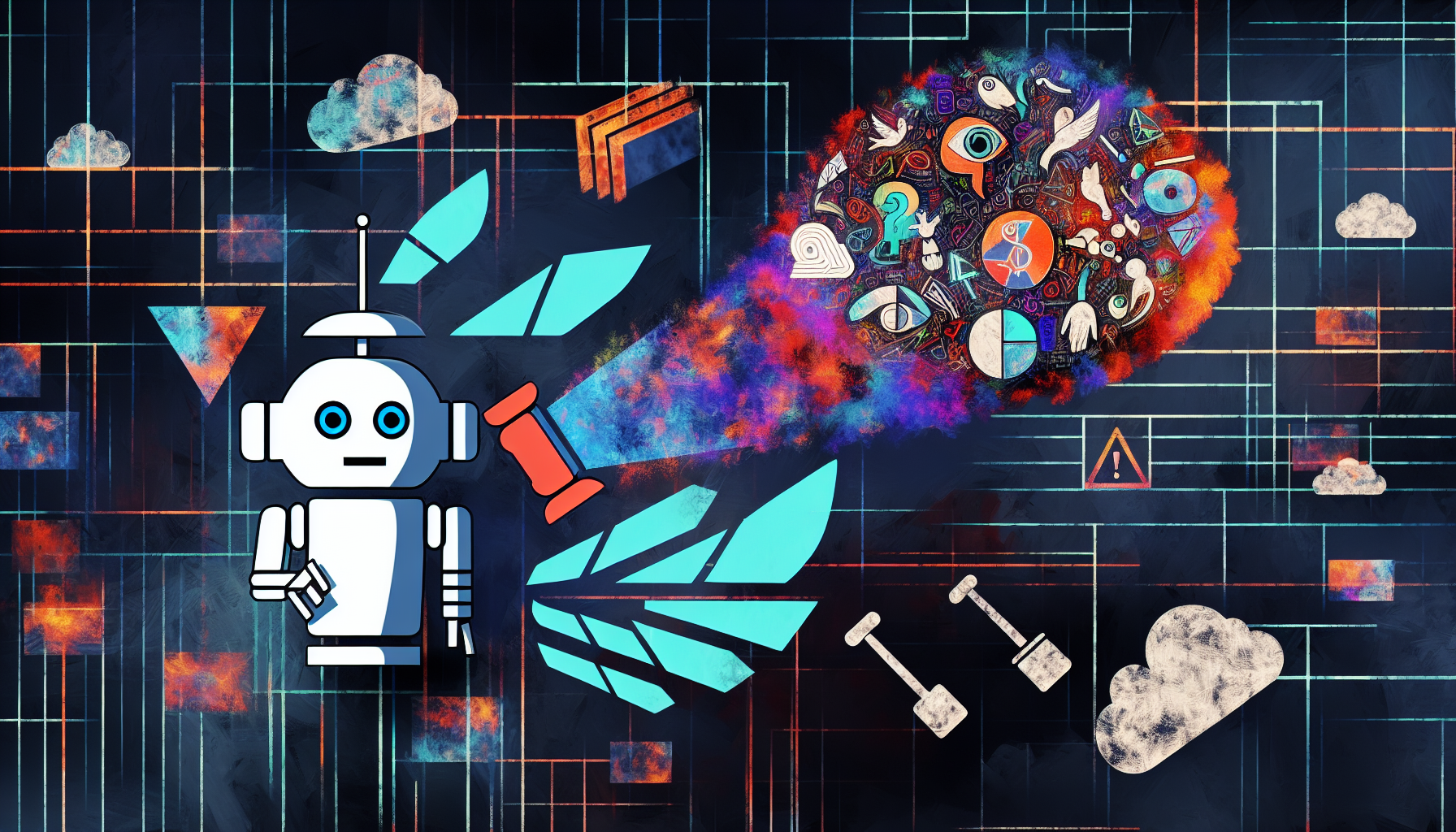
The concerns surrounding Grok highlight significant issues regarding the regulation of artificial intelligence. The Indian Ministry of Electronics and Information Technology is currently investigating the chatbot’s responses, which have been deemed inappropriate or politically sensitive.
Grok is built on the idea of contributing to free expression and open discussions, but its responses have raised alarms. The government is considering how speech that feels disrespectful might impact public order and social harmony. Potentially holding users accountable for provoking controversial answers from Grok adds another layer of complexity to the issue.
This entire scenario is not merely about one specific chatbot; it reflects broader questions in our digital age. How do we find the right balance between freedom of speech and protecting individuals from harmful content? This dilemma is not isolated to India; nations worldwide are grappling with similar challenges as technology advances at a dizzying pace.
The implications of how governments choose to manage AI can set important precedents. For instance, new strategies or regulations could influence AI governance policies in other countries, perhaps encouraging or discouraging innovation.
As for the future of Grok, the uncertainty surrounding its fate remains. The stakes are high as officials weigh the need for regulation against the importance of free expression. Both X and xAI are committed to standing their ground for free speech, which is vital in an era where digital content shapes public discourse.
As Grok continues to engage with users on X, and regulators contemplate their course of action, we’re witnessing a pivotal moment in the evolution of AI. This situation provides us with a glimpse into the potential paths AI technology could take and the regulations that might come into play.
The outcome of this clash between innovation and regulation could significantly impact how AI is developed and utilized in the future. What do you believe should be the next step in addressing the Grok controversy?