Table of Contents
Have you ever stood in the grocery store with your cart half-full… and no real idea if what you’re buying actually fits your goals? I’ve been there. That’s why I decided to test FoodFit.ai—to see if it can turn “I should eat better” into a shopping list that’s actually useful.
FoodFit.ai Review: Does a Shopping Assistant Actually Help?
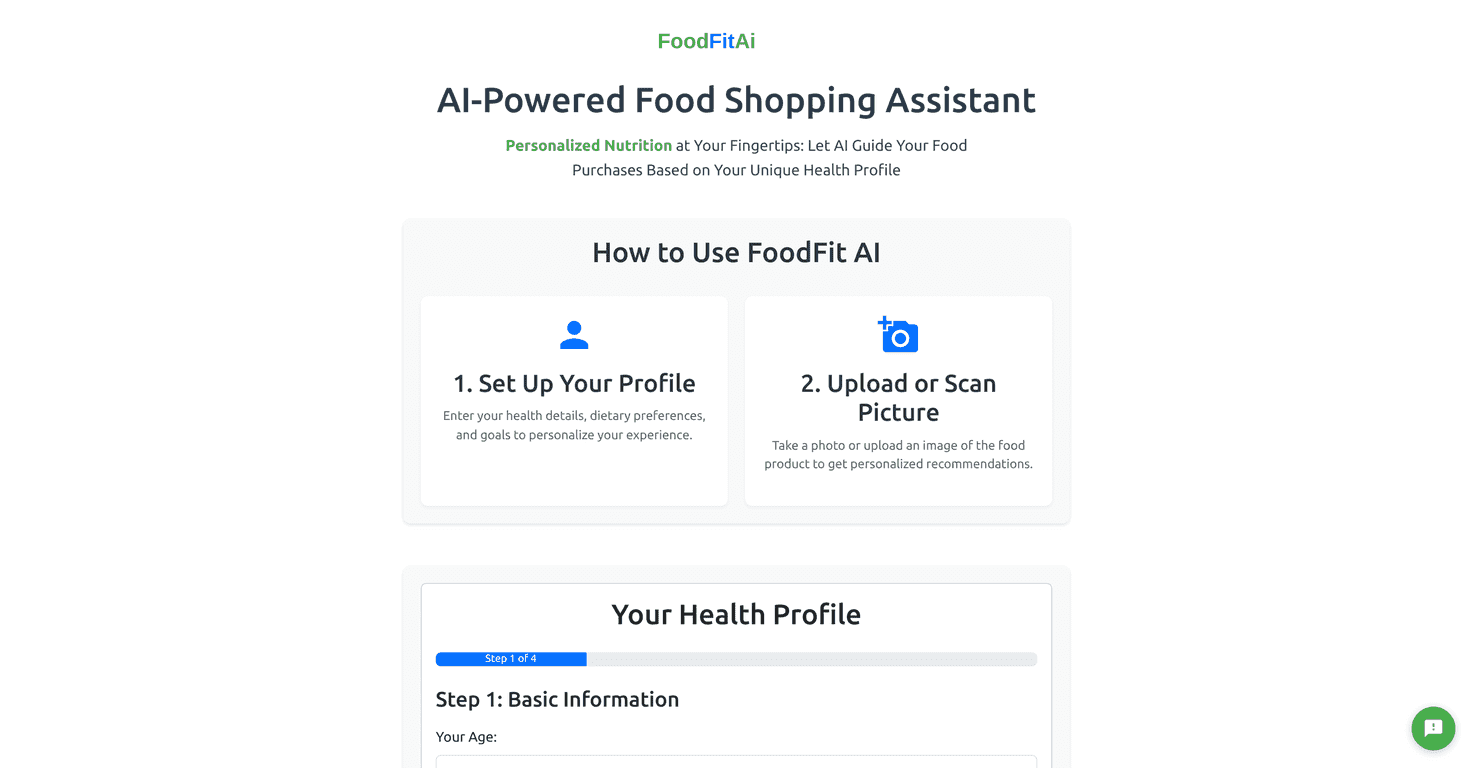
Here’s the simplest way I’d describe FoodFit.ai: it’s a personalized shopping assistant built around nutrition and your preferences. Instead of giving generic “eat more veggies” advice, it tries to match food suggestions to the kind of eating you’re aiming for.
When I first used it, what stood out immediately was how quickly I could get from “what should I buy?” to a set of recommendations. The interface doesn’t feel overly complicated. Even if you’re not super techy, you shouldn’t get stuck—at least that’s what I noticed while testing it.
FoodFit.ai also leans into the idea of connecting your health profile to your grocery decisions. If you’re trying to manage something specific—like weight loss, blood sugar goals, or food restrictions—this is where the app is supposed to shine. The promise is that it can help you build a shopping list that’s more aligned with your goals, not just whatever looks good on the shelf.
One more thing I liked: the nutritional analysis angle. It’s not just “buy this.” It’s more about understanding what you’re actually putting in your cart. That’s helpful when you’re trying to compare similar items (like two brands of pasta sauce) and want a quick gut-check on calories, macros, or general nutrition.
That said, I want to be honest—this kind of tool is only as good as the inputs you give it. If your health data or preferences are incomplete, you’ll likely get suggestions that feel “kind of right” instead of spot-on.
Key Features (What I’d Use in Real Life)
- AI-driven food suggestions based on your health needs
When I tested it with a specific eating goal in mind, the recommendations felt more targeted than a typical blog-style list. It’s basically trying to reduce the guesswork. - Easy-to-navigate interface
I didn’t have to fight the UI to get to the recommendations. It’s the kind of experience where you can move through steps without getting annoyed. - Health data integration for personalized shopping lists
This is a big part of the pitch. The more accurate your profile is, the more “personal” the shopping list feels. - Nutritional analysis of food items
Instead of treating every food like it’s equal, it focuses on nutrition so you can make choices that match your goals. - Dietary preferences and restrictions tracking
If you avoid certain ingredients or follow a specific diet style, this feature is meant to keep your list from drifting into “oops” territory.
Pros and Cons (My Honest Take)
Pros
- Recommendations feel more personalized than generic lists
That personalization is the whole point, and it’s noticeable when you compare the results to typical “healthy grocery” ideas. - Health-profile-driven suggestions can save time
If you’re constantly re-checking labels or second-guessing ingredients, a guided list is genuinely helpful. - User-friendly experience
I found it straightforward enough to use without needing a tutorial every time. - Supports healthier decisions at the shelf level
It helps you think about nutrition before you check out, not after.
Cons
- You may need solid data for accurate results
If you don’t provide clear preferences/restrictions (or your health inputs are vague), the recommendations won’t magically become perfect. - Not everyone wants to rely on tech for food decisions
Some people just want simple guidance. If you prefer “no input, no setup,” this might feel like extra steps. - Internet access is required
If you’re shopping in a spot with weak signal, you’ll run into the usual limitation of web-based tools.
Pricing Plans (What I Could Confirm)
Right now, I don’t have specific pricing numbers to share from the content provided. Your best bet is to check the FoodFit.ai website directly for the latest plan options, or reach out to their support team to confirm what’s included.
If you’re comparing plans, I’d also pay attention to things like how many profiles you can save, whether there are limits on recommendations, and what nutritional details you get access to.
Wrap up
FoodFit.ai feels like it’s built for people who want less guesswork in the grocery store—especially if you’re working toward a health goal or dealing with dietary restrictions. In my experience, the biggest win is the personalization and the nutritional angle. It’s the kind of tool that can make your shopping list feel more intentional.
But I wouldn’t call it perfect. If you don’t want to enter or refine your preferences/data, it won’t be as useful. And like any online assistant, it’s not ideal if you’re shopping where connectivity is spotty. Still, if you’re serious about improving what you buy (and you’re willing to set it up once), it’s definitely worth a look.
Promote FoodFit.ai