Table of Contents
If you’re a parent or teacher, you know how tough it can be to get kids excited about writing. They may groan at the thought of penning a story or poem, just like some of us cringe at the idea of doing math homework. But what if I told you that writing can be a blast, especially when it’s funny?
Stick around, and I’ll share a treasure trove of funny writing prompts designed to tickle their imaginations and unleash their creativity. These silly scenarios will not only make writing fun but might also have them rolling on the floor laughing!
From wacky inventions to silly dialogue between objects, you won’t want to miss these playful ideas. Let’s dive right in and discover how to turn those frowns into giggles!
Key Takeaways
- Writing can be fun for kids, especially with funny prompts that spark their creativity.
- Try silly animal characters, wacky inventions, and comical adventures to inspire storytelling.
- Starting a story with a joke or unusual settings can grab kids’ attention and boost imagination.
- Encourage dialogue through funny conversations between animals or inanimate objects, adding humor to the writing.
- Creative characters like clumsy superheroes and food with feelings can lead to entertaining tales.
- Whimsical lists, such as top funniest pets or weirdest foods, can blend laughter with creativity.
1. Quick and Easy Funny Writing Prompts
Writing doesn’t have to be hard! With these quick and easy funny writing prompts, kids can jump right into their imaginations and create hilarious stories.
1.1 Silly Animal Characters
Have you ever thought about what your pet might say if it could talk? Try creating a story featuring a silly animal character. Maybe a cat who dreams of being a famous rock star or a dog who thinks he’s a detective solving mysteries around the neighborhood. Ask your child to give these characters funny names, like Sir Sniff-a-lot or Miss Purrfect.
Encourage them to think about what silly adventures their characters could have. They could take a trip to the moon, start a band, or even run for president! Let their funny animal stories take a wild spin, and remember, the sillier, the better.
1.2 Wacky Inventions
What’s the weirdest gadget you can think of? Challenge kids to invent something completely wacky. Maybe it’s a pair of shoes that automatically tie themselves or a toaster that can sing! They can draw their invention first, which helps spark creativity, and then write a short story about how this invention works and the problems it solves.
Don’t forget to prompt them to add some funny details, like how their invention malfunctions at the worst times or causes hilariously unexpected results. It’s a great way to blend creativity with laughter!
1.3 Comical Adventures
What if a kid found a magic pen that makes everything they write come to life? This is a great springboard for a comical adventure. Start by having kids write a list of funny scenarios that could happen. Perhaps the school becomes a giant playground, or homework transforms into delicious pizzas!
Encourage kids to be imaginative and let their ideas flow. They can even include unexpected twists, like when the magic pen stops working at the most inconvenient times. Writing comical adventures should be fun, wild, and full of laughs!
2. Funny Story Starters
Sometimes all you need is a good opening line to get the creativity flowing. Here are some funny story starters that can hook any young writer in an instant.
2.1 Starting with a Joke
Starting a story with a joke is a fantastic way to grab your reader’s attention. For example, “Why did the chicken cross the road? To get to the other side…where a dinosaur was having a dance party!”
From this line, kids can create elaborate narratives about how the chicken and the dinosaur become best friends. Encourage them to brainstorm other jokes and construct stories out of them. The sillier, the better!
2.2 Unusual Settings
Where a story takes place can drastically change its direction! Challenge kids to think of unusual settings for their stories. How about a library in space or a beach made entirely of candy?
Ask them to write about characters who explore these strange places and the funny things they find or encounter. Imagining comical situations that could occur in bizarre settings is a great way to jump-start their creativity!
2.3 Unexpected Twists
Every great story needs a surprise or two! Teach kids how to weave unexpected twists into their writing. For example, your character might start off trying to win a race, only to discover they accidentally entered a cooking competition instead.
Encourage them to build the story leading up to the twist, making it funny and engaging. What happens next? Do they start cooking in a hurry, or do they hilariously sabotage their own dish? The more unexpected the twist, the more laughter it can invoke!
3. Fun Dialogue Prompts
Dialogue is like the spice of a story. It adds flavor and can make characters come alive! Here are some fun dialogue prompts to inspire kids to write funny conversations.
3.1 Talking Animals
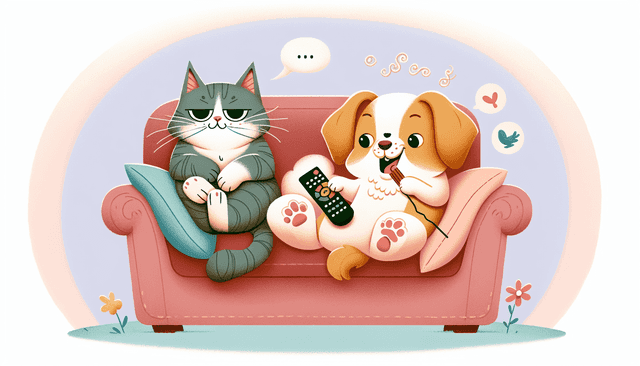
What if animals could talk? That’s where the fun begins! Encourage kids to create a scene where their pet or favorite animal has a chat with another animal. Maybe a cat argues with a dog about whose turn it is to watch the TV.
They can think about what these characters would say. Would the cat pride itself on being the best napper, while the dog brags about fetching the ball faster? Let their imaginations run wild! Plus, adding silly arguments or misunderstandings can make the conversation even funnier.
3.2 Funny Conversations Between Objects
What would a pair of sunglasses say to a sun hat? Challenge kids to write dialogues between inanimate objects! This could lead to funny scenarios like a broom complaining about being overworked or a sock getting jealous of the attention a shoe gets.
Encourage them to think about how these objects might have personalities and feelings. This can open a whole new world of humor and creativity, resulting in stories that are both entertaining and imaginative.
3.3 Silly Situations
Silly situations can lead to hilarious dialogues! Ask kids to think of a funny scenario, like a birthday party where all the balloons start arguing or a monster who is afraid of the dark.
Have them write down how characters would react and what they might say to each other. Would the balloon deflate in embarrassment? Would the monster ask for a nightlight? Prompt kids to explore and stretch the limits of their humor!
4. Creative Character Ideas
Creating characters can be one of the most enjoyable parts of writing! Here are some unusual and funny character ideas to kick-start the process.
4.1 Clumsy Superheroes
What if superheroes weren’t so super after all? Have kids invent clumsy superheroes who trip over their own capes or accidentally save the day while trying to make breakfast.
Encourage them to give these heroes funny names like Captain Clumsy or The Forgetful Avenger. They could write about how these characters tackle villains in the most unexpected ways, using their goofy skills to save the day!
4.2 Food with Feelings
What if food could talk and feel? Invite your kids to come up with characters based on their favorite snacks, like a cheeseburger that dreams of being a gourmet meal or a broccoli that tries to convince kids to eat healthier.
They can explore funny scenarios like a pizza slice getting jealous of a burger’s popularity at a party. Think about how these food characters would interact and what comical adventures they would embark on!
4.3 Unusual Friends
Friendship comes in all shapes and sizes, even when friends are unusual! Have kids think of unlikely pairs, like a robot and a stuffed animal or a rainbow and a thundercloud.
They can write about how these friends met and what kinds of silly adventures they go on together. Perhaps they team up to solve a mystery or go on a quest to find the last cookie in the jar. Let their imagination guide them to create heartwarming yet funny tales!
5. Whimsical List Prompts
Lists can be both fun and informative! Here are some whimsical list prompts that will get kids thinking and laughing at the same time.
5.1 Top 5 Funniest Pets
Challenge kids to list their top five funniest pets. They can think about their own pets or create fictional ones, describing what makes each one so hilarious.
For instance, a parrot that tells jokes or a hamster that thinks it’s a ninja! Encourage them to write a little blurb about each pet’s funny traits and the adventures they have together.
5.2 List of Weirdest Foods
Food can be quite strange! Ask kids to list the weirdest foods they can think of—maybe pickled jellybeans or spaghetti ice cream.
They can craft funny descriptions of these foods, including who might eat them and what hilarious reaction they would get. This prompt is a fun way to blend imagination with culinary creativity!
5.3 Top 10 Funniest Laughs
Laughter is contagious! Have kids brainstorm the top ten funniest laughs they’ve ever heard. Maybe their friend has a giggle that sounds like a honking goose.
Encourage them to write short anecdotes about each laugh and the situation that caused it. It’s a great way for them to reflect on joyful moments and express their humor in a personal way.
6. Playful Poetry Prompts
Poetry can be a fantastic way for kids to express their humor and creativity. Here are some prompts to inspire them to write funny poems.
6.1 Rhyming About Silly Things
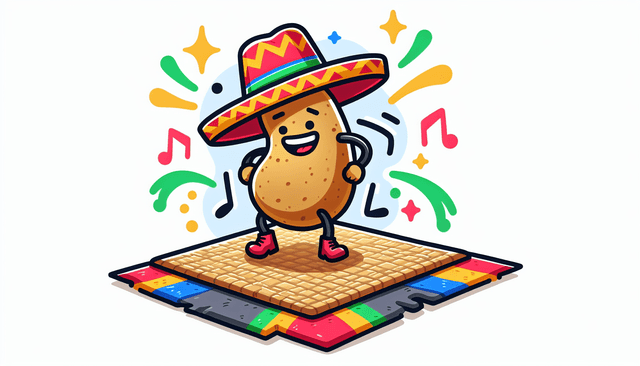
Ask kids to think of the silliest objects they can imagine—like a dancing potato or a flying spaghetti monster. Then, challenge them to create simple rhymes that incorporate these quirky subjects.
They can write lines like, “The potato wore a hat, and danced around the mat!” to make it more fun. Encourage them to play with word sounds and rhythm, and don’t forget to remind them that silly is the goal!
6.2 Funny Haikus
Haikus might be short, but they can still be packed with humor! Encourage kids to use the traditional 5-7-5 syllable structure to write about funny experiences or images.
For example, they could write: “A cat on the moon, / Chasing stars like they’re big fish, / A hard night to snooze.” Help them brainstorm amusing imagery to inspire their haiku creations!
6.3 Creating Limericks
Limericks are whimsical and a blast to write! Start by explaining the five-line structure and the typical rhythm pattern, which will make them excited about crafting their own.
They might come up with something like, “There once was a frog named Lou, / Who wore a bright purple shoe. / He danced with delight, / On a warm summer night, / While eating a bowl of warm stew!”
Encourage them to think of funny scenarios or characters, and remind them that making each line rhyme is part of the challenge!
7. Interactive Writing Activities
Writing can be even more enjoyable when it’s interactive! Here are some activities that can engage kids and enhance their creativity.
7.1 Group Story Building
Gather kids together for a fun round of group storytelling. Start with a single sentence and let each child add a line to the story.
Make it silly! For example, “Once upon a time, a brave snail went on an adventure…” Each child takes turns adding unexpected twists, like running into a dancing cactus.
This not only gets their creative juices flowing, but it also encourages teamwork and listening skills!
7.2 Mad Libs Style Prompts
Kids love Mad Libs, so why not create your own? Start with a funny story template, leaving blanks for nouns, verbs, adjectives, and adverbs.
Let the kids fill in the blanks with the wackiest words they can think of—like replacing “dog” with “flying elephant” or “run” with “skip.” Share the completed stories, and watch the laughter unfold!
7.3 Drawing and Writing Combinations
Combining drawing with writing can spark creativity. Have kids draw a picture of a funny scene, like a penguin playing soccer.
Then, prompt them to write a short story based on their illustration. This can help those who may feel shy about writing to express their ideas in a different way.
8. Seasonal and Holiday Prompts
Writing can be a fun way to celebrate different seasons and holidays. Here are some prompts to inspire kids during these festive times.
8.1 Funny Halloween Monsters
Encourage kids to create their own Halloween monsters. What if Frankenstein loved to bake cookies or a vampire couldn’t stop singing pop songs?
Have them write stories about these quirky characters and their silly adventures during Halloween. Maybe they end up throwing the funniest costume party ever!
8.2 Jolly Christmas Characters
What if Santa Claus rides a unicycle instead of a sleigh? Challenge kids to invent their own funny Christmas characters, like a snowman who’s afraid of melting.
Then, have them write short stories about the chaos that ensues when these characters try to bring joy to the holidays. A Christmas tale filled with laughter is sure to be a hit!
8.3 Springtime Adventures
Spring is full of possibilities! Encourage kids to brainstorm what funny things happen as flowers bloom and animals wake up. Perhaps a rabbit who forgets where he hid his carrots!
Ask them to write an adventure story about their springtime characters and include aspects like the weather or seasonal changes to add to the fun.
9. Tips for Encouraging Kids to Write
Giving kids the right motivation can make writing a fun and enjoyable activity. Here are some helpful tips to spark their interest!
9.1 Making Writing Fun
Start by turning writing into a game! Use writing prompts that involve humor, like “What if your teacher turned into a goat?”
Allow them to share their stories aloud to make it more interactive. The sillier the prompt, the more engaged they’ll be!
9.2 Sharing Stories with Friends
Let kids share their writings in small groups or even host a mini story-sharing party.
This creates excitement around storytelling and allows them to hear different perspectives. Kids might be inspired by each other’s funny story ideas!
9.3 Using Illustrations to Spark Ideas
Encourage the use of illustrations to kickstart their writing. Ask them to draw something silly first, like a cat wearing a tutu.
Then have them write a story about what their character is doing in the picture. This approach can make writing feel less intimidating and more imaginative.
FAQs
Quick prompts include creating silly animal characters, inventing wacky gadgets, or envisioning comical adventures. These ideas inspire creativity while keeping writing fun and engaging for kids.
Incorporate humor by using story starters with jokes, unusual settings, or unexpected twists. Encourage imaginative thinking to help your child create funny narratives and characters.
Kids can use prompts involving talking animals, funny conversations between everyday objects, or silly situations to create engaging dialogues that spark imagination and creativity.
Consider characters like clumsy superheroes, food items with feelings, or unusual friendships. These fun ideas encourage kids to brainstorm and think outside the box while writing humorous stories.