Table of Contents
Are you struggling to come up with spine-chilling ideas for your next horror story? You’re definitely not alone! Many writers hit a wall when it comes to crafting those hair-raising plots that keep readers up at night, and it can be downright frustrating.
But don’t worry, if you stick around, you’ll discover a treasure trove of inspiration right here. We’ll explore unique horror themes, character concepts, and terrifying settings that will ignite your creativity and send shivers down your spine.
Get ready to explore some thrilling plot twists and everyday fears that you can weave into your tales, along with helpful writing prompts to jumpstart your imagination. Unearth the potential darkness hidden in your mind!
Key Takeaways
- Mix horror subgenres, like supernatural with psychological, to create fresh ideas.
- Explore various types of horror such as classic, psychological, and horror-comedy.
- Set a chilling atmosphere and develop relatable characters to enhance fear.
- Use unique settings, like remote cabins or abandoned places, to heighten tension.
- Craft memorable plot twists, keeping readers on their toes with surprises.
- Incorporate everyday fears like loneliness or betrayal to build relatable horror.
- Combine genres, such as horror with romance or humor, for unique storytelling.
Horror Story Idea Generator: Create Unique Horror Themes
Creating an original horror story starts with a compelling idea or theme.
One way to spark your creativity is by mixing elements from various horror subgenres.
For instance, you might combine classic supernatural themes with modern psychological horror.
Alternatively, try flipping traditional tropes upside down; what if the monster was the protagonist?
Word prompts can also help—think along the lines of “dark forest,” “forgotten asylum,” or “ancient curse.”
Writing down a list of random phrases or images that stir up fear can lead to unique plot developments.
Consider brainstorming with friends or utilizing online tools for inspiration.
Websites like Horror Story Plot can offer structured frameworks for your themes.
Experimentation is key, so don’t shy away from unconventional ideas.
Types of Horror Stories to Inspire You
When it comes to horror, there are various types to consider that can help ignite your imagination.
Classic horror often features supernatural elements, such as ghosts and monsters.
On the other hand, psychological horror digs into the mind, playing with fear and paranoia.
Then we have horror-comedy, where fear is mixed with humor, making for a lighter approach.
Think of films like “Shaun of the Dead”—where laughter and horror coexist.
Also, don’t forget about body horror, which focuses on the grotesque transformation or mutilation of the human body.
Some stories intertwine these categories, which can provide a richer narrative tapestry.
Try blending a few types together; perhaps a psychological tale with elements of body horror to keep readers on their toes.
Key Elements of a Great Horror Story
A great horror story is a careful mix of several essential elements that keep readers engaged and unnerved.
First, an unsettling atmosphere sets the tone. Use descriptive language to create a mood that piques fear.
Next, build relatable characters. Readers should care about what happens to them, making their fears more palpable.
Another critical component is conflict, driving the story forward and adding tension.
Think about introducing an enigmatic antagonist—a monster, a supernatural force, or even another person.
Don’t overlook pacing; it’s vital to balance suspense with moments of intensity to keep readers on edge.
Finally, a twist ending can leave a lasting impact, making your horror tale memorable long after the last page.
Check out various examples from the horror genre to see these elements in action.
Setting Ideas for Your Horror Story
The setting can be a character in itself, profoundly influencing the story’s mood and events.
Feel free to draw inspiration from local folklore, ghost towns, or historical sites rumored to be haunted.
Consider isolating your characters in a remote cabin or an abandoned hospital to enhance their vulnerability.
Weather can also add an eerie vibe; a thunderstorm can amplify fear, while a thick fog can obscure what’s lurking nearby.
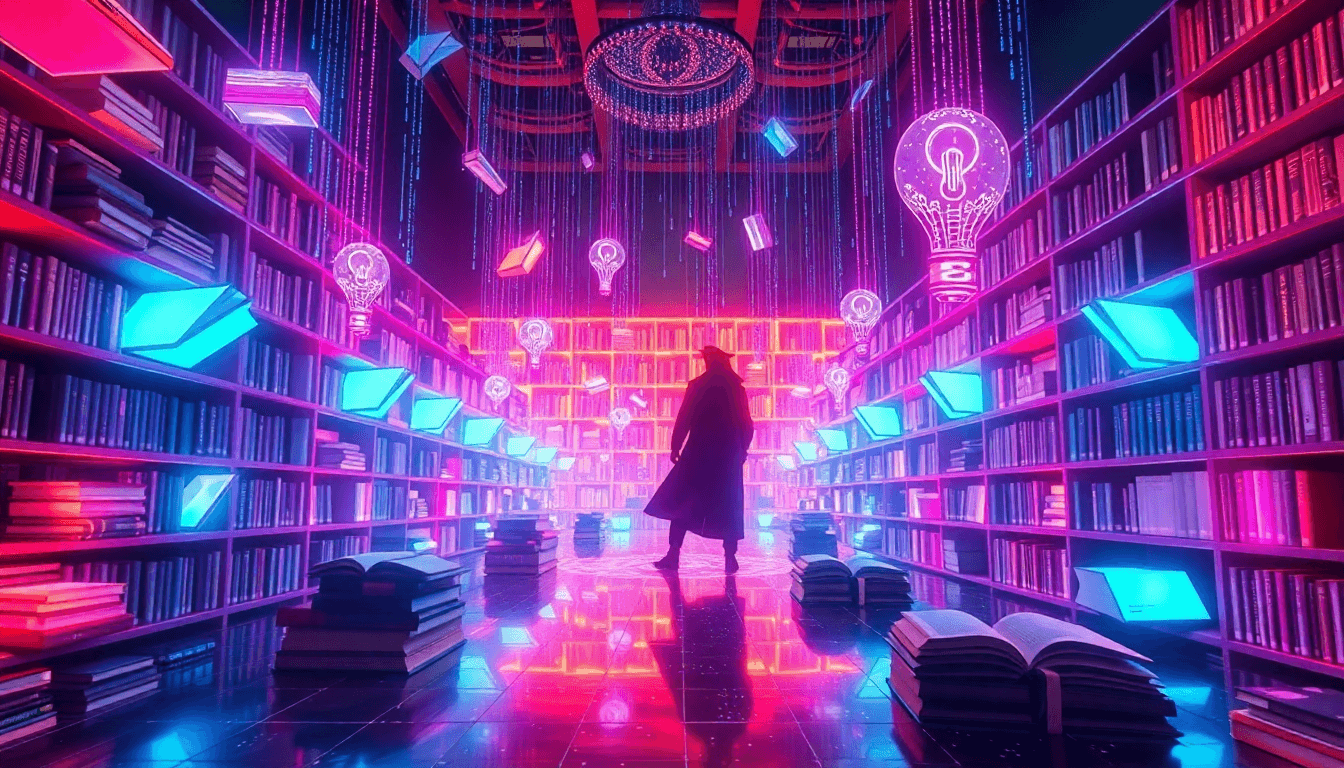
Unsettling settings, such as old libraries filled with torn books or dark basements, can be perfect for instilling dread.
Additionally, think about the time period; a story set in the past can evoke nostalgia combined with terror.
These diverse settings can shape your plot and establish your unique horror atmosphere, so don’t rush this part.
Whatever setting you choose, make sure it reflects the internal struggles of your characters; the two should intertwine harmoniously.
Character Concepts for Horror Plots
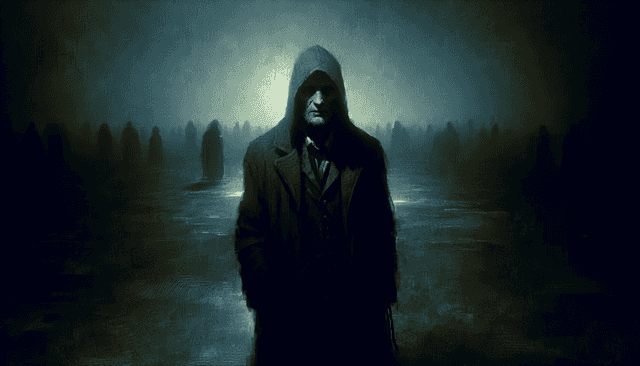
Creating memorable characters is crucial for your horror story; they’re the ones who navigate the darkness, after all.
Start with archetypes that resonate—think about the unrelenting hero, the frail victim, or the localized monster.
You can also explore the idea of a morally ambiguous protagonist; someone who might not be a “good” person but finds themselves in horrific circumstances.
Backstory can add depth; consider a character with a traumatic past that shapes their actions during the story.
Relationships matter too; siblings fighting against something ominous or friends torn apart by madness can enhance emotional investment.
Don’t forget the side characters—they can play pivotal roles, providing comic relief or becoming unexpected casualties.
For example, characters who embrace their fears can set the stage for significant character development, transforming as the plot thickens.
Keep in mind that everyone has their own unique fears, so incorporating them into your character designs can make them relatable and more engaging.
Plot Twists and Endings to Shock Your Readers
A well-crafted plot twist can elevate your horror story, leaving readers gasping for breath when the truth comes to light.
Think about subverting expectations; lead your audience down one path, then turn sharply into uncharted territory.
The reveal of the “monster” can be a memorable twist—what if it’s the very person your protagonist trusts the most?
Consider an unreliable narrator who misleads the readers, making for a shocking conclusion when their true nature is revealed.
Endings should give a sense of finality but can also leave lingering questions for readers, deepening the horror.
For example, instead of a clean resolution, you might choose to end in ambiguity, suggesting that the horror is far from over.
Utilizing a cliffhanger or a shocking last line can also deliver that “what just happened?” feeling, achieving impact long after the story is finished.
Ultimately, fresh perspectives on traditional horror endings—be they flat-out terrifying or creepily optimistic—can leave a lasting imprint on the reader’s mind.
Using Everyday Fears to Build Tension
Everyday fears can create relatable horror, tapping into the reader’s subconscious to pack a punch.
Consider what kind of simple fears plague your audience; loneliness, betrayal, or losing control are all rich areas to explore.
Imagery that evokes the unknown—like dark spaces or sudden silence—can evoke tension long before any actual horror occurs.
For instance, leaving a character alone in an unfamiliar location can heighten feelings of vulnerability, leading to greater suspense.
Introduce psychological horror elements, where the fear of judgment or failure gnaws at the characters under the surface.
Dive into concepts like fear of technology; imagine a world where smart devices turn against their users in ominous ways.
Much of the horror we experience in life lingers below the surface, so use those relatable moments to ground your story in reality.
Exploiting these fears will not only build tension but can also foster a deeper connection with your audience, making your story all the more gripping.
Combining Genres for a Unique Horror Experience
Blending genres can breathe new life into horror and capture reader attention in unexpected ways.
For instance, fusing horror with science fiction can create chilling scenarios involving technology gone wrong or alien invasions.
Alternatively, mixing horror with romance can lead to fascinating dynamics; think of a love story set against a backdrop of impending doom.
Humor can also serve as an excellent foil; horror-comedy provides levity while still allowing for genuine scares, much like in movies like “Tucker and Dale vs. Evil.”
Experiment with historical elements too; imagine characters trapped in a haunted historical event, marrying the past with the supernatural.
By weaving different genres together, you have a chance to explore new narratives that can captivate a broader audience.
Don’t shy away from taking bold chances; this experimentation can yield unforgettable results, making your horror story stand out.
Above all, ensure that the genres you combine harmoniously complement one another, creating an immersive and cohesive reading experience.
Prompts and Writing Exercises to Spark Creativity
Writing prompts and exercises can breathe fresh life into your creativity when you’re feeling stuck.
One effective method is to use random word generators; pick three words and craft a short scene around them.
Another fun exercise is to take a horror cliché and flip it on its head—what if the haunted house was actually comforting?
Joining writing communities online can also provide you with prompts and feedback; places like r/WritingPrompts on Reddit are gold mines.
Additionally, try setting a timer for ten minutes and writing nonstop; don’t worry about quality—just get your thoughts flowing.
You can also use visual prompts, like looking at eerie photographs or art, then jotting down what feelings or stories they evoke.
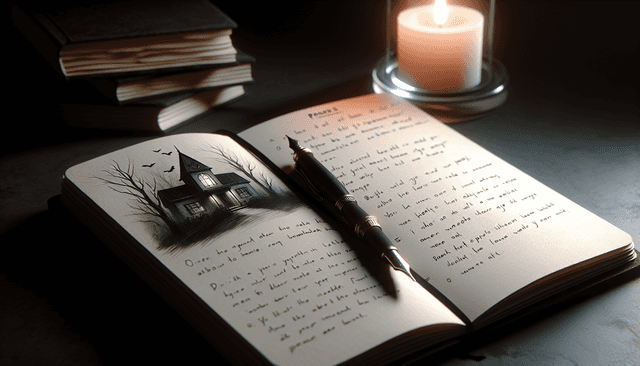
Consider keeping a writing journal where you jot down dream fragments; there’s often deep horror nestled in the subconscious.
Experimenting with different styles of prompts, like dialogue-only scenes or first-person perspectives, can open up new avenues for your writing.
Resources for Further Inspiration
If you’re looking for more resources to feed your horror story appetite, there are plenty out there.
Start with classic horror literature—authors like H.P. Lovecraft or Shirley Jackson can inspire themes and styles.
Movies are a fantastic source too; watching horror films can reveal the visual aspects of storytelling and how tension is built.
Podcasts like “Lore” explore dark folklore and stories that can spark ideas or provide historical context for your work.
Don’t overlook social media; following horror writers and artists on platforms like Instagram or Twitter can expose you to fresh content.
There are numerous horror writing blogs and forums available; exploring sites like Writer’s Digest can deepen your craft.
Attending local horror conventions or writing workshops can also provide valuable networking opportunities and ignite your inspiration.
Using these diverse resources, you can continually fill your creative well, ensuring that your horror stories resonate with readers.
FAQs
To generate unique horror story ideas, consider combining everyday fears with unexpected settings or characters. Utilize prompts, brainstorm with friends, or explore themes from folklore to inspire originality.
Key elements of a great horror story include a gripping plot, well-developed characters, an eerie setting, and realistic conflicts. Incorporating suspenseful pacing and unexpected plot twists enhances the overall impact.
Build tension by leveraging everyday fears, developing relatable characters, and employing psychological horror elements. Slow reveals, ominous foreshadowing, and pacing that alternates between calm and chaos can also enhance suspense.
Resources for horror writing inspiration include classic horror literature, horror films, podcasts, writing prompts, and online forums. Engaging with other writers and reading horror anthologies can spark fresh ideas.