Table of Contents
The question of how long should an eBook be is increasingly relevant for authors and publishers. With the shift towards digital reading, eBooks have become a popular medium for delivering content across various genres.
The length of an eBook can significantly impact its appeal and effectiveness. It’s not just about the word count but about capturing and retaining the reader’s interest while providing value through your content.
As we delve into this topic, we’ll explore various factors that influence the ideal length of an eBook, offering insights for both seasoned writers and those new to the world of digital publishing. This exploration aims to guide authors in creating eBooks that resonate with their target audience, balancing depth with accessibility.
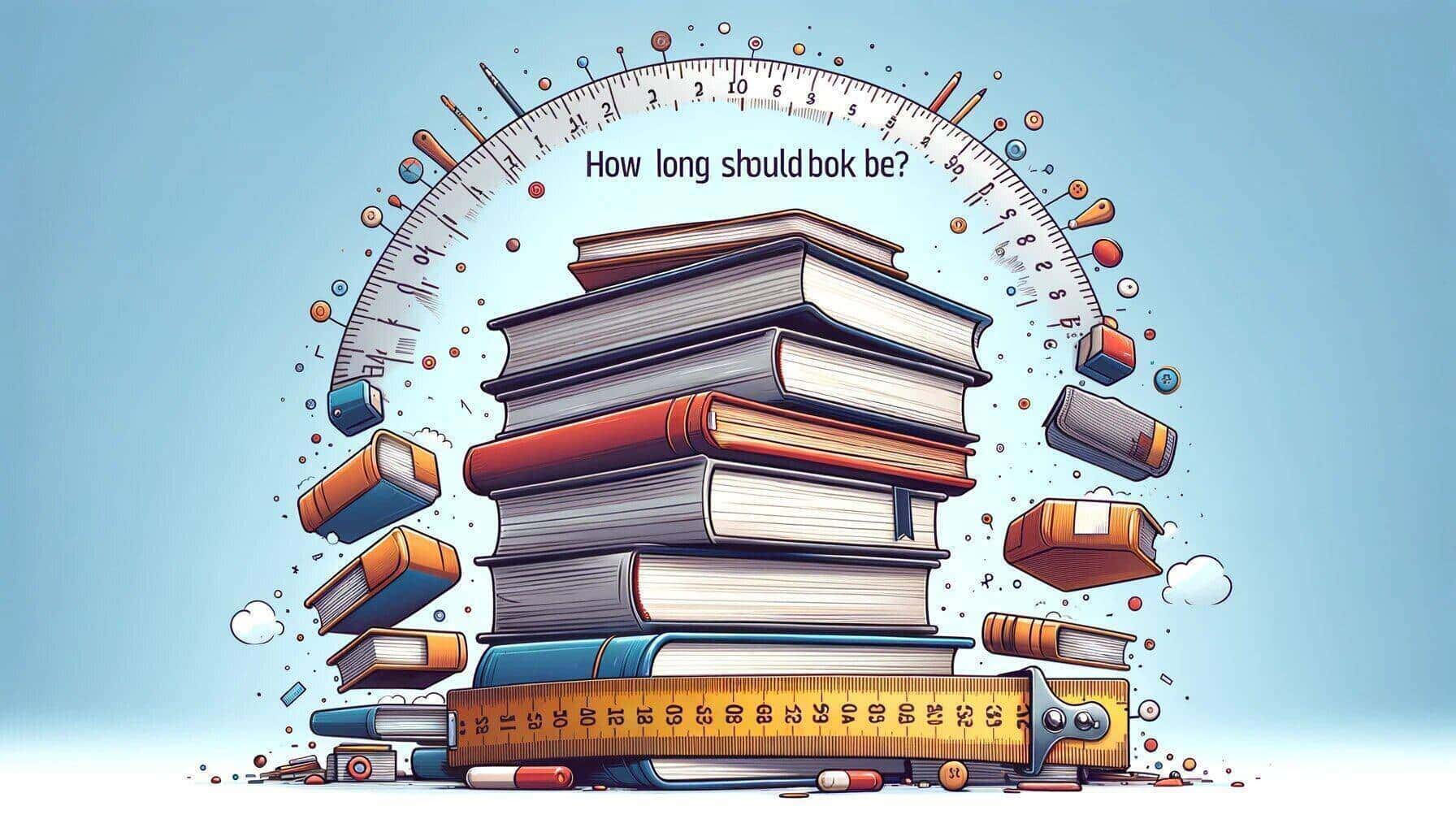
How Long Should an eBook Be?
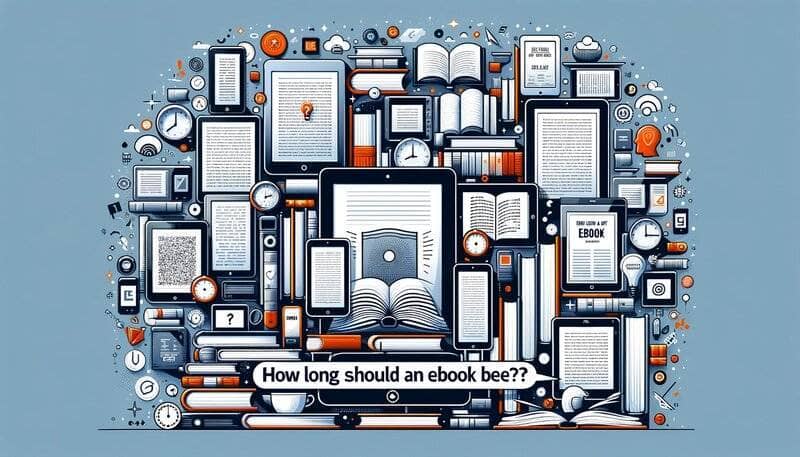
When considering the length of an eBook, there are some general guidelines to keep in mind. Typically, eBooks range from about 20,000 to 50,000 words.
However, this is a broad spectrum, and the ideal length can vary greatly depending on several factors.
Firstly, the purpose of the eBook plays a crucial role. If you’re writing a how-to guide or a self-help book, brevity can be key. Readers looking for specific information or practical advice often prefer concise and focused content.
On the other hand, if you’re delving into a comprehensive subject like a historical account or a detailed technical guide, your eBook might need to be longer to cover the topic thoroughly.
The genre of the eBook is another significant factor.
Fiction genres – that are among the best-selling categories on Amazon – have different expectations.
A romance novel might be shorter, typically around 40,000 to 50,000 words, while epic fantasy can easily exceed 100,000 words due to world-building and complex plots.
Non-fiction genres also vary: a biography or a business book might demand more in-depth coverage than a cookbook or a travel guide.
In summary, there’s no one-size-fits-all answer to how long an eBook should be. The key is to consider the purpose of your eBook and the expectations within its genre. Your goal should be to provide enough content to thoroughly address the topic or tell the story, without adding unnecessary length that could disengage your readers.
Factors Influencing eBook Length
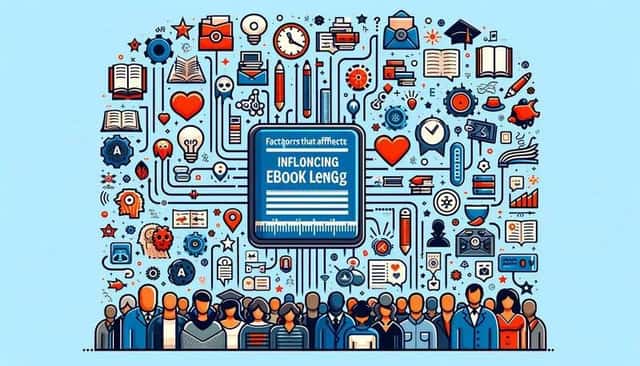
The length of an eBook can be influenced by a variety of factors, each playing a crucial role in determining how much content is appropriate. Let’s explore some of these key influences.
1. Genre Expectations
Different genres come with different length expectations.
In fiction, genres like fantasy and science fiction often run longer due to complex world-building and plot developments, usually over 100,000 words.
Romance and mystery novels, however, tend to be shorter, around 40,000 to 60,000 words, as they often focus more on a singular narrative arc.
In the non-fiction, instructional books like cookbooks or self-help guides are often on medium content and might be shorter, focusing on direct, actionable content.
On the other hand, comprehensive subjects like history or science might require more extensive coverage.
2. Audience Expectations
The target audience of your eBook significantly impacts the ideal length.
Professionals looking for in-depth analysis or detailed guides in fields like business or technology might prefer longer, more detailed content.
Hobbyists or enthusiasts in areas like cooking or gardening might enjoy medium-length eBooks that blend informative content with engaging storytelling.
Casual readers, often seeking entertainment or quick insights, generally lean towards shorter, more concise eBooks.
3. Purpose of the eBook
The intended purpose of your eBook is also a decisive factor.
eBooks meant for leisure reading, like novels or personal stories, vary in length depending on the genre but are generally written to keep the reader engaged without feeling overwhelming.
Educational eBooks, used for learning and academic purposes, need to be comprehensive enough to cover the subject adequately.
Professional guides or how-to eBooks are typically more concise, focusing on delivering actionable information in a straightforward, accessible manner.
So, when determining the length of your eBook, consider the expectations set by its genre, the preferences of your intended audience, and the primary purpose of the book.
Balancing these factors will help you create an eBook that not only meets the needs of your readers but also fits comfortably within the conventions of your chosen category.
Pros and Cons of Different eBook Lengths
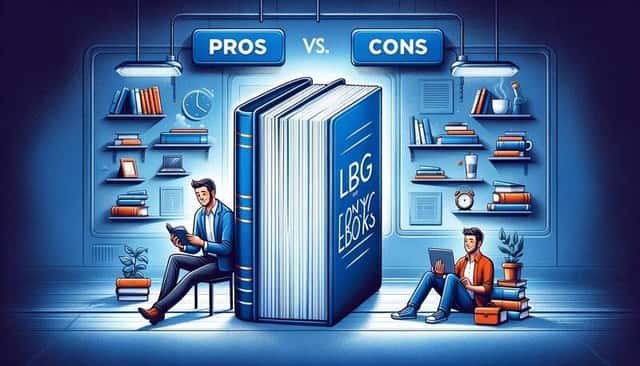
When deciding on the length of your eBook, it’s important to weigh the pros and cons of both short and long formats. Each has its unique advantages and potential drawbacks, depending on your goals and audience.
Short eBooks
Pros:
- Quicker to Write: Shorter eBooks can be completed and published more quickly, allowing for more frequent releases or the ability to respond swiftly to current trends.
- Engaging for Busy Readers: With the fast-paced nature of modern life, many readers prefer concise content that delivers value without a significant time investment.
- Lower Barrier to Entry for Readers: Short eBooks can be less intimidating for readers, making them more likely to start and finish the book.
- Cost-Effective: They are often less expensive to produce, requiring fewer resources for editing, cover design, and formatting.
Cons:
- Limited Depth: Short eBooks may not provide enough space to cover complex topics in detail.
- Perceived Lower Value: Some readers equate length with value, so shorter eBooks might be perceived as less substantial.
Long eBooks
Pros:
- Comprehensive Coverage: Longer eBooks allow for a more in-depth exploration of the subject matter, which can be particularly beneficial for complex topics or detailed narratives.
- Perceived Higher Value: Many readers see longer books as more comprehensive and, therefore, more valuable.
- Room for Detailed Explanations and Story Development: This is especially important in genres that thrive on complexity and detail, such as fantasy, science fiction, or comprehensive non-fiction.
Cons:
- Longer Time to Write: They require more time to write, edit, and format, which can delay publication.
- Risk of Losing Reader Interest: If not well-written, longer eBooks can become tedious and lose the reader’s interest.
- Higher Production Costs: More content means potentially higher costs for editing, design, and formatting.
In conclusion, the decision between a short or long eBook should be based on the subject matter, your target audience’s preferences, and your publishing goals.
Both lengths have their place in the eBook market, and understanding these pros and cons can help you make the best choice for your specific project.
Balancing Quality and Quantity
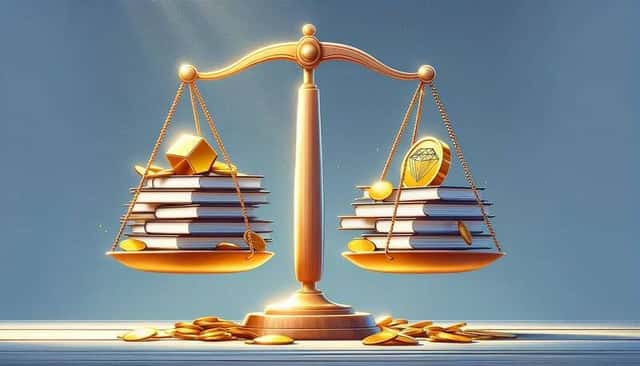
While the length of your eBook is important, the quality of the content is paramount and should always take precedence.
A well-written, informative, and engaging eBook, regardless of its length, can captivate readers and leave a lasting impression. Quality content is characterized by clear writing, well-researched information, engaging narrative (for fiction), and thorough editing. It’s about making every word count and ensuring that what you include in your eBook adds value to the reader.
However, finding the right balance for your eBook can involve a few key considerations:
- Understand Your Audience: Know what your target readers prefer. Do they seek comprehensive guides or quick reads? Their preferences can guide the length of your eBook.
- Define Your eBook’s Purpose: Is your eBook meant to educate, entertain, or inform? A detailed instructional guide naturally might be longer, while a light-hearted novella would be shorter.
- Consider Genre Norms: Each genre has its expectations for length. Researching successful eBooks in your genre can provide insights into the ideal length.
- Quality Checks: Ensure that every section of your eBook is necessary and contributes to the overall purpose. Remove fluff or unnecessary content that doesn’t add value.
While the length of your eBook is a factor to consider, it should not compromise the quality of the content. The goal is to provide readers with an eBook that not only meets their expectations in terms of length but also delivers in terms of substance and quality. This balance is what ultimately defines the success of your eBook.
Tips for Determining the Right Length for Your eBook
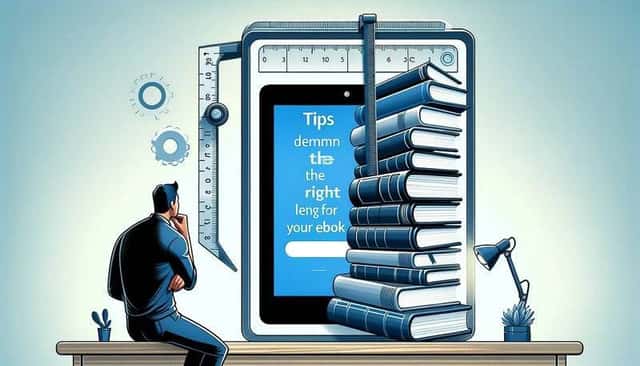
Deciding on the optimal length for your eBook can be challenging. Here are some practical tips to help authors determine the best length for their work, tailored to their specific goals and target audience:
- Define Your Objectives: What are you aiming to achieve with your eBook? Whether it’s to educate, entertain, or inform, your objectives will influence the amount of content needed.
- Understand Your Audience: Research and understand the preferences of your target audience. Different groups have varying attention spans and interests. For example, busy professionals might prefer concise, to-the-point content, while enthusiasts in a particular field may appreciate more detailed and comprehensive material.
- Analyze Competing eBooks: Look at successful eBooks in your genre or topic area. How long are they? This can give you a ballpark idea of what readers expect and accept in terms of length.
- Start with an Outline: Before you start writing, create a detailed outline of your eBook. This can help you estimate the length of your content and ensure that you cover all necessary points without unnecessary fluff.
- Focus on Value, Not Word Count: While keeping an eye on your word count, prioritize the value you’re providing. Every chapter, section, and paragraph should serve a purpose and contribute to your overall objective.
- Consider Publishing Formats: Different publishing platforms may have specific requirements or recommendations for eBook lengths. Make sure your eBook aligns with the guidelines of the platform you intend to use.
- Be Flexible: As you write, you might find some topics require more depth than initially planned, while others need less. Be open to adjusting the length of your eBook accordingly.
- Get Feedback: Share your draft with beta readers or a writing group. Feedback can help you gauge if the length feels right and if the content is engaging throughout.
Conclusion
Determining how long should an eBook be is a balance of understanding your audience, genre, and content depth. There’s no one-size-fits-all answer, as the ideal length varies based on the purpose of the eBook and the expectations of your readers.
Focus on delivering value and maintaining engagement, regardless of the word count. Remember, a successful eBook is one that effectively communicates your message and keeps the reader interested from beginning to end, whether it’s a brief guide or a comprehensive exploration.
Minimum pages for eBook on Amazon?
The minimum number of pages to sell on Amazon KDP is 74 pages for an eBook, and 24 pages for a paperback.
How many chapters should an ebook have?
The number of chapters varies greatly and should align with the eBook’s content and structure.
How long should an ebook be to sell on Amazon?
Length isn’t a direct factor in sales, but a well-structured eBook typically ranges from 20,000 to 50,000 words.
Is 10 pages enough for an ebook?
Yes, for certain topics and short guides, a 10-page eBook can be sufficient.
What is the average size of an ebook?
The average size varies by genre but is generally between 20,000 to 50,000 words.
What is the minimum length of an ebook?
There’s no set minimum, but most eBooks have at least 20 pages or around 5,000 words.