Table of Contents
Ever tried narrating a book aloud and felt your tongue tie itself in knots? Trust me, we’ve all stumbled over those tricky sentences and character voices.
But here’s the good news: with some simple tips and a bit of practice, you can transform into a captivating audiobook narrator.
From mastering clear articulation to creating unique character voices, let’s dive into the essentials that will bring your storytelling to life!
Key Takeaways
- Practice clear articulation to ensure your narration is understandable and engaging.
- Coordinate your eyes, brain, and mouth for smooth and natural reading flow.
- Develop your delivery and tone to captivate listeners and convey emotions.
- Analyze the story and characters to portray them authentically.
- Create unique voices for each character to add depth and distinction.
- Differentiate your narrator voice from characters to maintain clarity.
- Use vocal techniques and inflections to enhance storytelling and mood.
- Engage listeners by making your narration personal and relatable.
- Set up a professional recording environment with quality equipment.
- Practice regularly and seek feedback to refine and improve your skills.
- Explore additional resources and training to continue developing as a narrator.

1. Learn How to Articulate Clearly
Speaking clearly is the foundation of great audiobook narration.
With over 137 million Americans listening to audiobooks, clear articulation ensures your story reaches and resonates with this vast audience.
Your listeners rely on your words to paint vivid images in their minds.
Slurred speech or mumbling can pull them out of the story.
To improve your articulation, practice tongue twisters and enunciation exercises.
Reading aloud regularly helps you become more aware of your speech patterns.
Recording yourself can highlight areas where you might be dropping consonants or slurring words.
Consider working with a vocal coach if you need professional guidance.
Remember, clear articulation keeps your audience engaged and immersed in the narrative.
For more tips on creating quality audiobooks, check out our guide on how to make an audiobook.
2. Master Eye-Brain-Mouth Coordination
Narrating an audiobook isn’t just about reading words on a page.
It involves a seamless coordination between your eyes, brain, and mouth.
Your eyes scan ahead to anticipate the next sentence, your brain processes the meaning, and your mouth delivers the words with the right emotion and pacing.
This coordination helps maintain a natural flow and prevents stumbling over words.
One way to improve this skill is by practicing cold reading.
Pick a random passage and read it aloud without pre-reading.
This challenges your brain to process and deliver the content smoothly on the first try.
As the audiobook market grows—valued at over $6 billion in 2023 and expected to exceed $8 billion by 2025—mastering this skill helps you stand out in a competitive field.
With AI-narrated audiobooks on the rise, honing your human narration skills is more important than ever.
For those interested in exploring AI tools, you might find our article on top AI voice generators insightful.
3. Develop Your Delivery and Tone
Your delivery and tone can make or break an audiobook.
A well-delivered narration keeps listeners engaged and brings the story to life.
Pay attention to the pacing of your reading.
Slow down during dramatic moments to build suspense, and pick up the pace during action scenes to convey excitement.
Tone is also crucial.
Match your voice to the mood of the scene—use a solemn tone for serious moments and a lighter tone for humorous parts.
Experiment with different vocal styles to find what best suits the material.
Listening to professional narrators can provide inspiration and insight into effective delivery techniques.
Remember, your goal is to immerse the listener in the story and evoke emotions through your voice.
As the audiobook industry evolves with technologies like spatial audio and dynamic sound effects, refining your delivery ensures you provide a deeply immersive experience.
If you’re interested in further developing your storytelling skills, check out our tips on how to write a play, which can offer valuable insights into pacing and dialogue.

4. Analyze the Story and Characters
Before you hit the record button, take time to dive deep into the story and its characters.
Understanding the plot, themes, and each character’s motivations will help you deliver a more authentic narration.
Create notes or character sketches to keep track of personalities and relationships.
This preparation allows you to bring nuance to your reading and helps prevent inconsistencies in character voices.
Remember, your goal is to bring the author’s vision to life and guide listeners through the journey.
With over 38% of American adults listening to audiobooks, providing a rich and engaging experience is more important than ever.
If you’re narrating a complex tale like historical fiction, diving into our historical fiction writing prompts can offer additional insights.
5. Create Unique Character Voices
Giving each character a distinct voice helps listeners differentiate between them and adds depth to your narration.
You don’t need to be a master of accents, but small variations in pitch, tone, or speech patterns can make a big difference.
Consider the character’s age, background, and personality when deciding how they should sound.
Practice their dialogues to find the right voice that fits naturally with your own.
Just be careful not to overdo it—subtlety often works best.
With AI-narrated audiobooks becoming more prevalent, your ability to create unique character voices sets you apart from synthetic narration.
For inspiration on developing character traits, check out our list of character writing prompts.
6. Differentiate Narrator from Characters
Maintaining a clear distinction between your narrator voice and character voices is essential for listener clarity.
Your narrator voice should be consistent and neutral, guiding the listener through the story.
When voicing characters, shift your tone or style slightly to signal dialogue.
This helps listeners follow along without confusion, especially in conversations between multiple characters.
Practicing this skill enhances the overall flow of the audiobook.
As audiobooks become more integrated into daily life through smart devices, clear narration ensures a seamless listening experience.
If you’re exploring different narrative techniques, you might find our article on what is fourth person point of view intriguing.
7. Use Vocal Techniques and Inflections
Your voice is your instrument, and mastering vocal techniques can significantly enhance your narration.
Use inflections to convey emotions and highlight important moments in the story.
Vary your pitch, pace, and volume to match the mood of each scene.
For example, lower your voice for suspenseful moments or speed up during action sequences.
Proper breathing techniques also help maintain stamina during long recording sessions.
Consider doing vocal warm-ups before you start to keep your voice in top shape.
With innovations like spatial audio on the rise, delivering a dynamic vocal performance complements these immersive experiences.
If you’re looking to refine your vocal style, you might be interested in learning how to write in present tense to align your narration with different storytelling techniques.
8. Engage Your Listener
Keeping your listeners engaged is key to a successful audiobook.
Imagine you’re telling the story to a friend to make your narration more personal and relatable.
Use pauses effectively to build suspense or emphasize important points.
Ask rhetorical questions or use expressions that draw the listener into the story.
Your enthusiasm and connection to the material can be felt through your voice.
As more than half of the US population has listened to an audiobook, standing out means making a genuine connection with your audience.
If you’re narrating genres like horror or mystery, engaging the listener is even more critical.
For some spine-chilling ideas, check out our horror story idea generator.
9. Implement Practical Recording Tips
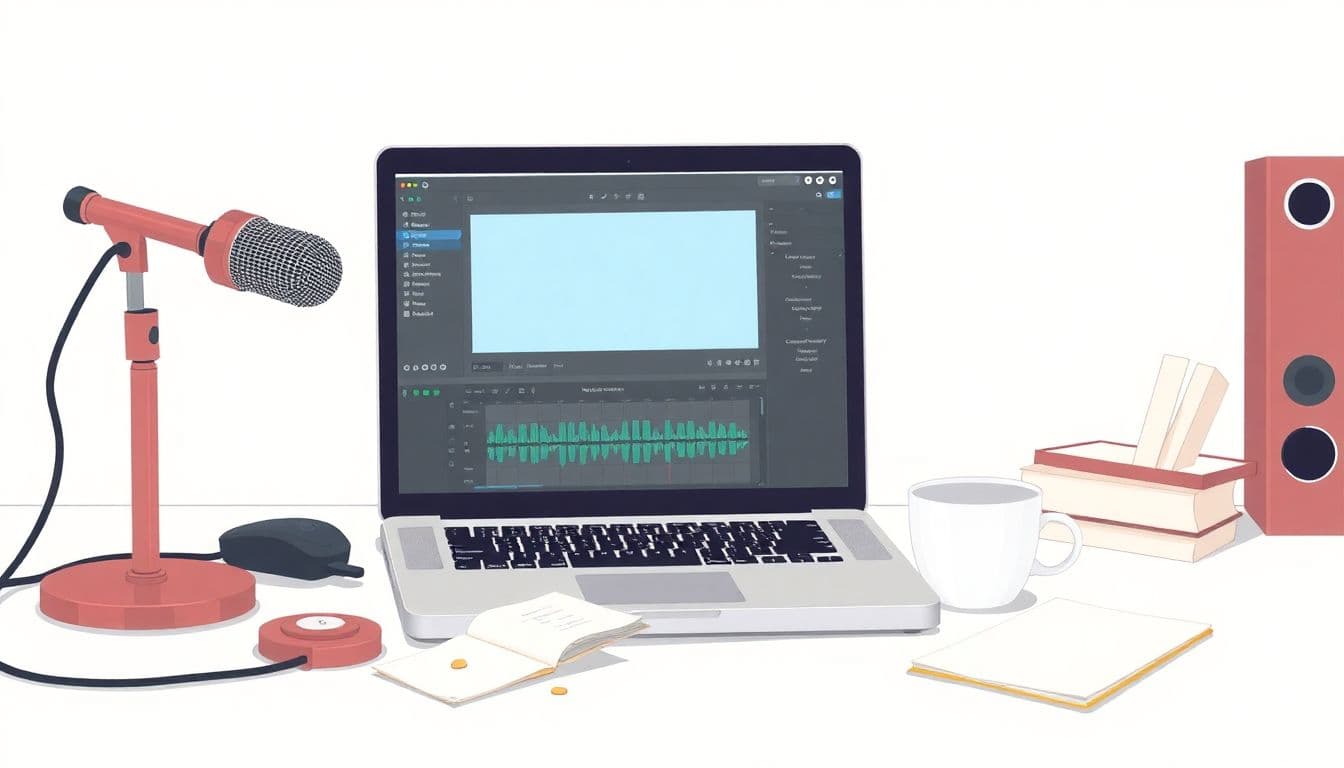
Having a good recording setup ensures your narration sounds professional.
Use a quiet, comfortable space free from background noise.
Invest in a quality microphone and headphones to capture clear audio.
Monitor your recordings to catch issues like pops or hisses early on.
Take regular breaks to rest your voice and stay fresh.
Remember to stay hydrated—your voice will thank you.
As AI tools make audiobook production more accessible, maintaining high production values helps your work stand out.
For more on creating polished content, you might explore our article on the best ebook creation software.
10. Refine Your Skills Through Practice
Like any craft, audiobook narration improves with practice.
Set aside time each day to read aloud and experiment with different styles.
Seek feedback from others or join a community of narrators to share tips and experiences.
Recording yourself regularly helps you track your progress and identify areas for improvement.
As the market continues to grow, with publishers’ audiobook revenue hitting $2 billion in 2023, honing your skills is crucial.
Consider volunteering to read for the visually impaired to gain experience and give back to the community.
For ways to keep your creative juices flowing, try our winter writing prompts.
11. Explore Additional Resources for Improvement
Continuing education is vital in any field, and audiobook narration is no exception.
Attend workshops, webinars, or online courses to learn from experienced professionals.
Books and blogs on voice acting and storytelling can provide new insights.
Stay updated with industry trends, such as the rise of AI narration and technological advancements.
Networking with authors, publishers, and fellow narrators can open doors to new opportunities.
Consider using AI tools to complement your work, but don’t forget that your human touch is irreplaceable.
If you’re interested in how AI is impacting creative fields, read about AI tools for artists.
FAQs
Practice tongue twisters and enunciation exercises regularly. Focus on pronouncing each syllable clearly, and consider recording yourself to identify areas of improvement. Consistent practice enhances muscle memory for clearer and more precise speech.
Study the character’s background, age, and personality to inform voice choices. Experiment with pitch, tone, and speech patterns. Recording and listening back can help refine distinct voices that are consistent and believable.
Use vocal variety and emotion to bring the story to life. Maintain a natural pace and use pauses strategically. Connecting emotionally with the content allows listeners to become more invested in the narrative.
Set up a quiet recording space with minimal background noise. Use a quality microphone and monitor your recordings with headphones. Check levels before recording and take breaks to avoid vocal strain.