Table of Contents
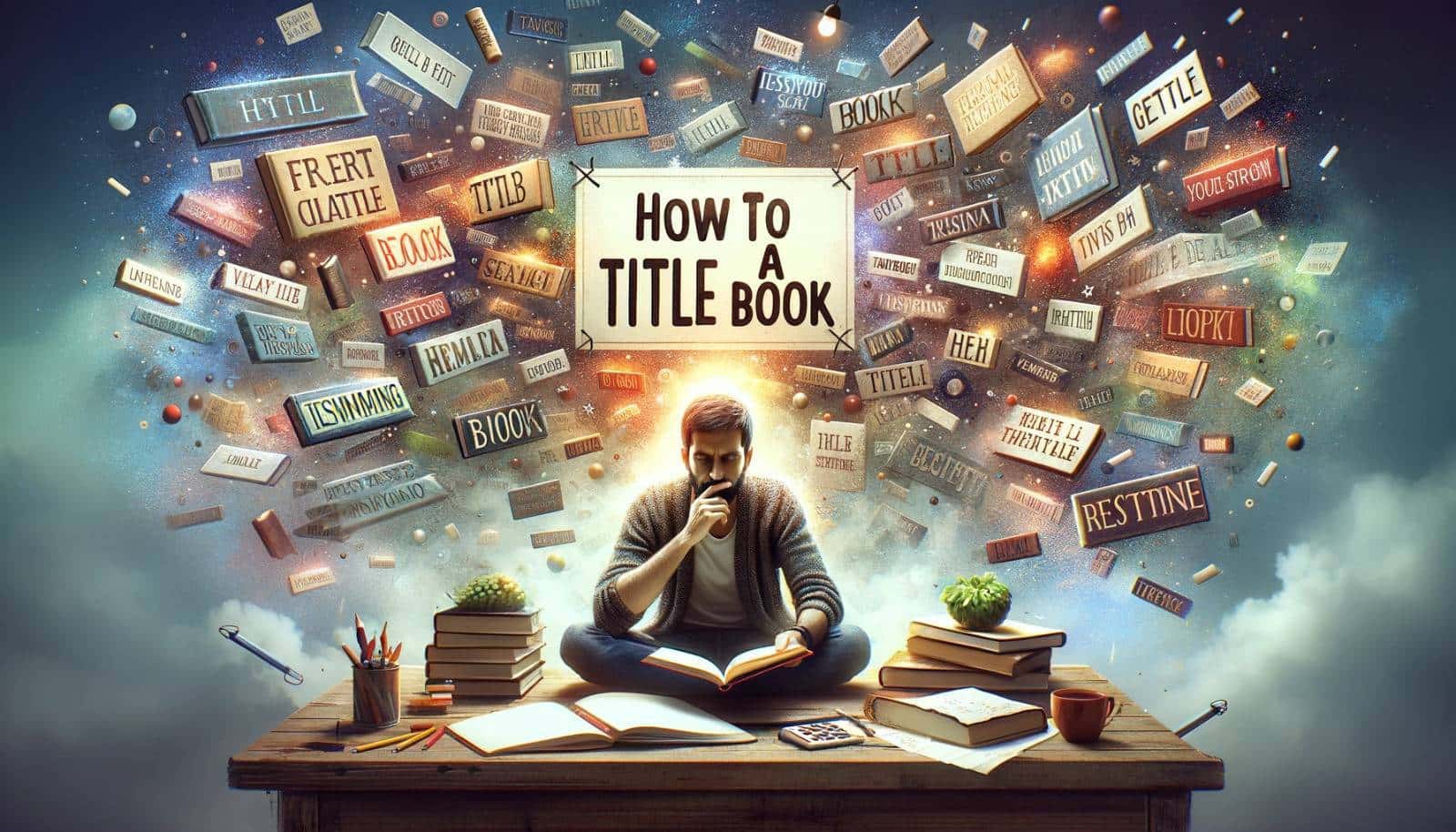
Picking the perfect title for your book can feel like a daunting task. How to title a book is a question many authors wrestle with, as the title serves as the first impression between your book and its potential readers. It’s that that can either invite readers in or pass them by.
A great title does more than just label your book; it hints of the story’s soul, its genre, and its potential to resonate with someone’s personal journey. It’s a powerful tool that can spark curiosity, evoke emotions, and even provoke thought before the first page is turned.
So, as we dive into the art and science of book titling, remember, this isn’t just about slapping a catchy phrase on the cover. It’s about capturing the essence of your work in a few memorable words, making it stand out in a sea of stories.
How to Title a Book

1. Understand Your Book’s Core Theme
Before you even start brainstorming titles, it’s crucial to get to the heart of your book – its theme.
Think of your book’s theme as the backbone of your story — it’s what everything else builds around. Understanding this can make the difference between a title that’s just “okay” and one that really grabs attention.
Why is this so important?
Because a title that reflects the main theme or message of your book can resonate more deeply with readers. It’s like giving them a glimpse of your story.
When someone reads your title, you want them to get a sense of what they’re about to dive into. Is it a tale of redemption? A journey of discovery? A battle between good and evil?
Moreover, a title that’s closely tied to your book’s core theme can also help attract the right audience.
So, take your time to really understand the essence of your book. It’s from this deep understanding that the perfect title can emerge, one that not only captures the imagination but also the heart of what your book is all about.
2. Know Your Audience
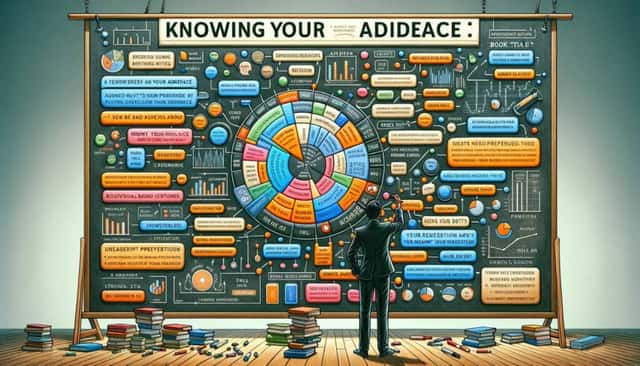
Knowing your target audience is about what you want to say, but also about what will resonate with the readers you’re aiming to reach.
The style, tone, and even the words you choose for your title can significantly influence its appeal to your target audience.
For instance, if you’re writing a young adult novel, a title that’s edgy, mysterious, or even a bit romantic might draw in readers from that demographic.
On the other hand, a non-fiction book aimed at professionals might benefit from a title that’s straightforward, promising clear value or insights into their field.
Understanding your audience goes beyond just age or profession, though. It’s about knowing their interests, fears, aspirations, and the kind of stories or information they gravitate towards.
A title that speaks their language, that echoes the themes and concerns relevant to their lives, is far more likely to catch their eye.
So, think about who your readers are. What are their hobbies? What challenges are they facing? What do they dream about?
The answers to these questions can guide you in crafting a title that not only stands out but also speaks directly to the hearts and minds of your intended audience.
3. Use Keywords and Phrases
When giving a title to your book, keywords and phrases play a pivotal role. Choosing the right keywords and phrases for your title can significantly enhance its visibility and appeal.
Think of these keywords as magnets. They attract readers by striking a chord with their interests, emotions, or curiosity.
For a thriller, words like “secret,” “vanished,” or “conspiracy” can instantly evoke a sense of mystery and urgency. For a romance, phrases like “heart’s desire” or “forbidden love” speak directly to the emotional journey readers are seeking.
Moreover, keywords can signal your book’s genre and content to potential readers at a glance, aligning their expectations with what your story delivers.
This alignment is crucial not just for attracting readers but for ensuring they’re satisfied with what they find.
A well-chosen keyword can also make your book more discoverable, whether it’s being searched for in online bookstores or libraries.
So, when brainstorming your title, consider the core elements of your book. What are the main themes, settings, or character archetypes? What words or phrases encapsulate the essence of your story?
Selecting keywords that are both relevant and evocative can bridge the gap between your book and its intended audience, drawing them closer to the world you’ve created.
4. Use AI Automated for Title Ideas

If you’re stuck on what to title your book, AI Automated might just be the solution you need.
It’s a powerful tool that not only helps write books but can also spark creativity for your book title.
By providing AI Automated with details about your book’s niche and target audience, maybe even a general title or idea of the book, it can generate a variety of title ideas that align with your book’s content and appeal.
Here’s how it works: AI Automated takes the information you provide about your book’s focus and the people you want to reach. Then, it uses that to brainstorm title options that capture the essence of your story or message.
This can be a game-changer when you’re drawing blanks on a title that’s both catchy and relevant.
And to understand the process and how simple it is, here is a demo for you:
But that’s not all AI Automated does.
Beyond title generation, it can assist in creating a complete book outline, writing the content, and even designing a cover. If you’re unsure about your book’s direction, it offers niche and sub-niche ideas, along with marketing campaign suggestions for social media.
Essentially, it’s like having a personal assistant that guides you through the entire book creation and promotion process.
It’s a great way to ensure your title resonates with your target audience and fits the style of your book. So, if you’re looking for a bit of inspiration or a push in the right direction, AI Automated could be the tool you’re looking for.
However, the main purpose of AI Automateed is writing eBook for you, and in a matter of minutes. You can literally have a complete 90-page book, 100% original with images and all in 15 minutes.
5. Test Your Title
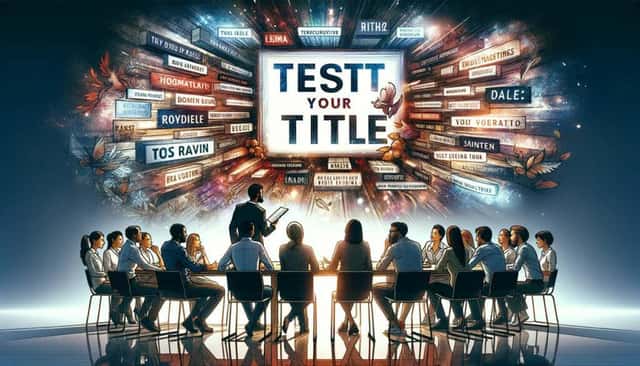
Testing your title with potential readers is a smart move. It’s like getting a sneak peek into how well your title might do out in the real world. Here’s how you can do it:
- Ask Friends and Family: Start with the people around you. Show them your title and see how they react. Do they get interested? Confused? Their first reactions can tell you a lot.
- Use Social Media: If you’re on social media, why not share a few title options and see which one gets more likes or comments? People love to give their opinions online, and this can be a goldmine of feedback.
- Join Writing Groups: There are tons of writing groups out there, both online and in real life. These folks know what it’s like to pick a title, and they can give you some solid advice.
- Create a Survey: Tools like SurveyMonkey make it easy to set up a quick poll. Send it out to your email list or post it online, and ask people to pick their favorite title.
- Look for Patterns in Feedback: As you collect feedback, keep an eye out for any patterns. If lots of people are drawn to one particular title or if they’re all saying the same thing about why a title doesn’t work, that’s valuable info.
Remember, while it’s important to listen to feedback, the final choice is yours. Use what you learn to make your title as strong as possible, but stay true to what your book is about.
6. Keep It Simple and Memorable
Keeping your book title simple and memorable is super important. You want a title that sticks in someone’s mind and is easy to remember. Here’s why this matters:
- Easy to Remember: If people hear about your book and want to tell their friends, you want a title that’s easy to recall. Simple titles are like catchy tunes; they just stick in your head.
- Easy to Search for: In a world where a lot of book shopping happens online, you want your book to pop up easily in search results. If your title is too complicated or hard to spell, people might not find your book when they look for it.
- Simplicity Sells: A simple title also makes your book more approachable. It can give readers a clear idea of what your book is about or spark curiosity without overwhelming them.
- Memorability: A memorable title continues to work for your book long after people have finished reading it. It’s the title they’ll recommend to friends and the one that stands out when they’re scrolling through a list of books to buy.
So, when you’re thinking of a title, aim for something straightforward but engaging. It should capture the essence of your book in a way that’s easy for readers to grasp and remember. This doesn’t mean it has to be boring—just clear, concise, and catchy.
7. Consider the Marketing Aspect

Considering the marketing aspect of your book title is crucial. Your title isn’t just a name; it’s a key part of how you sell your book to the world.
It works together with your cover design, the book description, and all your promotional materials to grab attention and get people interested.
Think of your title as the headline of an ad. It’s the first thing people see, and it needs to make them want to learn more.
A good title can intrigue potential readers and make them pick up your book or click on its online listing. Once they’re interested, they’ll read the description, check out the cover, and, hopefully, be convinced to buy.
Your title also sets the tone for your book’s branding. It influences the design of your cover, the style of your promotional materials, and even the way you talk about your book on social media or in interviews.
Everything needs to match the vibe your title gives off, whether it’s mysterious, romantic, adventurous, or something else entirely.
In short, your book’s title is at the heart of your marketing strategy. It’s not just a label; it’s a tool that can help your book stand out in a crowded market.
So, when you choose your title, think about how it will work with the rest of your marketing efforts to make your book irresistible to readers.
Conclusion
Navigating the process of how to title a book can be both an exciting and daunting task. It’s a crucial step that can significantly impact your book’s first impression and its journey to the readers’ hearts. With the right approach and tools, like AI Automated, you can craft a title that not only captures the essence of your book but also attracts your target audience.
Remember, a great title is clear, memorable, and reflective of your book’s content and theme. Utilize the strategies discussed, from understanding your book’s core theme to knowing your audience and testing your title. With patience and creativity, you’ll find a title that perfectly introduces your book to the world.
FAQ
How do you make a good title?
Making a good title involves understanding your book’s theme, knowing your target audience, using relevant keywords, and keeping it simple yet impactful. A good title should hint at the book’s genre or content, be easy to remember, and intrigue potential readers enough to make them want to read more.
How should a book title look?
A book title should be clear, legible, and visually appealing on the cover. It should stand out while also fitting the overall design and theme of the book. The font, size, and placement of the title are crucial in drawing attention and making a strong first impression.
Are book titles italicized?
Yes, book titles are typically italicized when mentioned in text to distinguish them from the rest of the text. This convention helps to highlight the title and clarify that it is a book title being referenced.
How do you write a title for a book with subtitles?
To write a title for a book with subtitles, start with the main title that captures the essence of the book, followed by a colon or dash, and then the subtitle. The subtitle should provide additional information, such as the book’s focus, perspective, or unique selling point.
Book title generator?
A book title generator is a tool or software that generates potential book titles based on keywords, genre, or other criteria you provide. It’s a useful resource for brainstorming and can offer inspiration when you’re stuck trying to find the perfect title for your book.