Table of Contents
Hey there! Ever thought about writing a children’s book but feel a bit overwhelmed? You’re not alone—turning those wonderful ideas into stories for kids can be quite the adventure.
But don’t worry! I’m here to help you navigate the process. Together, we’ll turn that brilliant idea of yours into a book that kids will fall in love with.
We’ll cover everything from understanding your young audience to creating engaging characters and even planning your marketing strategy. Ready to dive in?
Key Takeaways
- Understand your audience by choosing the right age group and matching your story to their interests.
- Develop a strong idea that will captivate children and spark their imagination.
- Create engaging characters that are relatable and memorable for kids.
- Build a solid plot with a clear beginning, middle, and end that keeps young readers hooked.
- Write in an inviting style using simple language and vivid descriptions suitable for children.
- Incorporate illustrations to bring your story to life and help kids visualize the narrative.
- Edit and polish your manuscript to ensure it’s the best it can be before publishing.
- Plan your marketing strategy to effectively reach parents and children who will love your book.
- Choose the publishing method that fits your goals, whether it’s traditional or self-publishing.
- Launch and promote your book to share your story with the world and attract readers.
- Reflect on your journey and keep writing to continue growing as an author.
Step 1: Understand Your Audience
Knowing who you’re writing for is the first big step in creating a children’s book. Are you aiming for toddlers who love bright pictures or older kids ready for more complex stories? For example, board books are perfect for ages 0-3—they usually have no words, consist of 12-32 sturdy pages, and feature illustrations on every page. On the other hand, picture books cater to ages 2-5, typically containing 200-400 words across 32 pages with full-page illustrations. If you’re targeting ages 6-10, chapter books range from 3,000-10,000 words, have 32+ pages, and include illustrations sprinkled throughout.
Keep in mind that over 70% of children’s book buyers are women aged 30-44, often purchasing for their kids. They tend to prefer physical books since traditional storytime is cherished over digital versions. Understanding these preferences helps you tailor your book to both the young readers and the adults buying for them. If you need some inspiration on topics that resonate with kids, these topics for kids to write about might spark some ideas.
Step 2: Develop a Strong Idea
Every great book starts with a compelling idea. Think about stories that would captivate your target audience. What adventures would they love to embark on? Maybe it’s a journey through a magical forest or a tale about making new friends at school. Don’t be afraid to let your imagination run wild—kids appreciate creativity and originality.
Consider incorporating themes that are both entertaining and educational. This not only engages children but also appeals to parents looking for meaningful content. If you’re stuck, try exploring different funny writing prompts for kids to jumpstart your creativity. Remember, the goal is to develop an idea that excites you as much as it will excite your readers.
Step 3: Create Engaging Characters
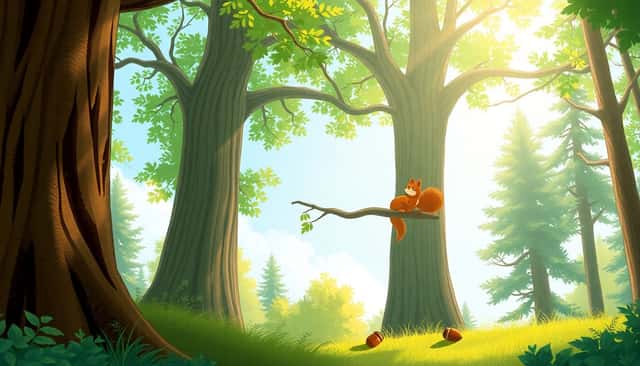
Characters are the heart and soul of your story. They are the ones who will lead your readers through the adventure. Spend time crafting characters that are relatable, interesting, and memorable. Maybe your protagonist is a shy squirrel who learns to be brave, or perhaps a clever child who solves mysteries in their backyard.
Give your characters distinct personalities, quirks, and goals. Kids love characters they can see themselves in or aspire to be like. Don’t forget supporting characters—they can add depth and richness to your story. For some guidance on creating dynamic characters, check out these helpful character writing prompts. Engaging characters not only make your story more enjoyable but also help convey the messages and themes you’re aiming to share.
Step 4: Build a Solid Plot
Your story needs a beginning, middle, and end that keeps kids engaged from page one. Start by outlining the main events that will happen. What’s the problem your characters will face, and how will they solve it? Maybe your shy squirrel decides to venture out of his tree to find a lost acorn, facing obstacles along the way.
Ensure the plot is simple enough for kids to follow but interesting enough to hold their attention. Incorporate surprises or twists that will delight your readers. Remember, children love stories where characters overcome challenges. If you’re looking for inspiration on crafting compelling storylines, these memoir writing prompts can spark some ideas, even if you’re writing fiction.
Keep the pacing steady, and make sure each event logically leads to the next. This helps young readers understand the flow of the story without getting confused. It’s okay to keep it straightforward; sometimes, the simplest plots make the most impact.
Step 5: Write in an Inviting Style
When writing for children, the language you use is crucial. Aim for clear, concise sentences that are easy to read aloud. Use vivid descriptions to paint pictures in the minds of your young readers. For instance, instead of saying “the tree was big,” you might say “the towering tree stretched its branches toward the sky.”
Don’t shy away from using expressive words and sounds that can make reading fun, like “buzz,” “whoosh,” or “giggle.” These can make your story more engaging. Also, consider the rhythm and flow of your sentences, especially if your book will be read aloud by parents during storytime.
If you’re not sure about your writing style, think about the books you loved as a child. What made them special? You might find it helpful to explore how to write in different tenses, which you can learn more about in this guide on how to write in present tense.
Step 6: Incorporate Illustrations
Pictures are a huge part of children’s books. They not only complement the story but also help kids understand and visualize the narrative. If you’re an artist, you might illustrate the book yourself. If not, consider hiring a professional illustrator who can bring your characters and setting to life.
Think about how the illustrations will interact with the text. Sometimes, the pictures can tell parts of the story that the words don’t. Be clear with your illustrator about your vision, but also be open to their creative input. They might come up with ideas that enhance your story in ways you hadn’t imagined.
Also, remember to maintain consistency in style and character appearance throughout the book. This helps in creating a cohesive and visually appealing book that kids will love to look at again and again.
Step 7: Edit and Polish Your Manuscript
Once your story is written, it’s time to refine it. Editing is a crucial step that can make your book shine. Read your manuscript aloud to catch any awkward phrasing or sentences that don’t flow well. You might also consider getting feedback from others.
Having someone else read your work can provide valuable insights. They might spot typos, grammatical errors, or areas where the story could be improved. You could even consider hiring a professional editor who specializes in children’s literature.
Don’t be discouraged by the editing process. Even the best writers need to revise their work. Taking the time to polish your manuscript ensures that your final book is the best it can be.
Step 8: Plan Your Marketing Strategy
With your book polished and ready, it’s time to think about how you’ll get it into the hands of readers. Marketing is key to your book’s success. Start by identifying where your target audience spends time. Parents often look for books online, so having a strong digital presence is important.
Consider creating an author website or social media pages where you can share updates, sneak peeks, and connect with your audience. Utilizing platforms like Smashwords for publishing can also increase your book’s visibility.
Think about reaching out to local bookstores and libraries for book readings or signings. Engaging with the community can help spread the word about your book. Remember, the goal is to create excitement and anticipation for your story.
Step 9: Choose Your Publishing Method
You have options when it comes to publishing your book. Traditional publishing involves submitting your manuscript to publishing houses, who may offer you a deal if they’re interested. This route can be competitive and time-consuming but provides professional support.
Alternatively, self-publishing gives you full control over the process. Platforms like Amazon Kindle Direct Publishing (KDP) allow you to publish your book independently. If you’re interested in this path, you might want to learn more about how much you can make from Amazon KDP.
Consider the pros and cons of each method. Traditional publishing may offer wider distribution and marketing support, while self-publishing allows for greater creative freedom and higher royalty rates. Choose the option that best aligns with your goals and resources.
Step 10: Launch and Promote Your Book
Launching your book is an exciting milestone. Plan a launch strategy that builds momentum. You might host a virtual launch party, offer limited-time discounts, or run a giveaway to attract readers.
Utilize social media, email lists, and any platforms where your target audience is active. Encourage readers to leave reviews, as positive feedback can greatly influence potential buyers. Don’t forget to reach out to book bloggers or influencers who may be interested in featuring your book.
Stay engaged with your audience during this time. Respond to comments and messages, and show your appreciation for their support. The more you connect with readers, the more invested they’ll become in your work.
Step 11: Reflect and Keep Writing
After your book is out in the world, take time to reflect on the journey. What did you learn from the process? What would you do differently next time? Use this experience to grow as a writer.
Remember that writing is a continual learning process. Keep honing your craft, and don’t be afraid to start your next project. If you enjoyed writing for children, consider exploring new genres or formats. You might even want to look into how to publish a graphic novel if you’re interested in more visual storytelling.
The most important thing is to keep the passion alive. Writing can be challenging, but it’s also incredibly rewarding. Keep going, and who knows? Your next book might be the one that becomes a favorite bedtime story for kids everywhere.
FAQs
Research different age groups to understand their reading levels and interests. Consider language complexity, themes, and illustrations suitable for that age. Align your content with the developmental needs of your target audience for maximum engagement.
If you have artistic skills, you can illustrate your book yourself. Otherwise, hiring a professional illustrator is advisable. High-quality illustrations are crucial in children’s books to captivate young readers and complement your story effectively.
You can opt for traditional publishing, self-publishing, or hybrid methods. Traditional publishing involves submitting to publishers, while self-publishing gives you full control but requires handling all aspects, including editing, design, and marketing.
Utilize social media, create a website or blog, and engage with online communities. Offer virtual readings, collaborate with schools, and use word-of-mouth promotion. Leverage free or low-cost marketing tools to reach your audience effectively.