Table of Contents
Writing for children can be a delightful yet challenging adventure, don’t you think? It’s not always easy to find the right words to spark their imagination and keep them hooked.
But guess what? Together, we’ll uncover some simple tips and tricks to make your stories shine and resonate with young readers.
From crafting engaging tales to making writing fun, let’s embark on this creative journey and bring your ideas to life!
Key Takeaways
- Focus on fun and adventure to create engaging stories that spark children’s imagination.
- Understand your audience’s age and interests to make stories relatable.
- Use simple and clear language suitable for young readers.
- Include visuals and interactive elements to enhance engagement.
- Read your work aloud to ensure it flows naturally and keeps attention.
- Draw from personal experiences to add authenticity to your stories.
- Teach children the value of writing to encourage their expression.
- Apply effective writing strategies, like regular practice and creative exercises.
- Use prompts to inspire creativity and overcome writer’s block.
- Make writing fun to foster a lifelong love for storytelling.

1. Write Engaging Stories for Children
Children love stories that spark their imagination and keep them entertained. To write engaging stories for kids, start by focusing on fun and adventure. Incorporate elements that are exciting and relatable to their world. For example, create a magical forest where animals talk or a superhero who goes to school just like them. Using imaginative scenarios helps children stay interested and eager to read more.
Consider adding interactive elements like questions or prompts that encourage them to think and participate. This makes the reading experience more engaging and enjoyable. Remember, the goal is to make reading a delightful experience that they want to return to again and again.
2. Understand Your Young Audience
Knowing who you’re writing for is key to creating stories that resonate. Children of different ages have varying interests and comprehension levels. For instance, kids aged 5-8 are more likely to enjoy stories with pictures and simple plots, while those aged 9-12 might prefer more complex characters and exciting adventures. Pay attention to what excites them, whether it’s fantasy worlds, mysteries, or humorous tales.
You might find it helpful to spend time with children, observe their conversations, and note what sparks their curiosity. By understanding your young audience, you can tailor your stories to match their preferences and keep them engaged. If you’re looking for inspiration, you might explore some kids book ideas to get started.
3. Keep Your Language Simple and Clear
Using simple and clear language is essential when writing for children. Avoid complicated words and long sentences that might confuse them. Instead, use words that are appropriate for their reading level. Short sentences can make the story flow better and are easier to understand.
It’s also a good idea to read your story out loud. This can help you catch any awkward phrasing and ensure that the text sounds natural. If you need help keeping your language suitable for kids, consider using resources that focus on funny writing prompts for kids to inspire you.
Also, consider using dialogue and action to show what’s happening instead of just telling. This makes the story more dynamic and engaging for young readers.
4. Use Visuals and Interactive Elements
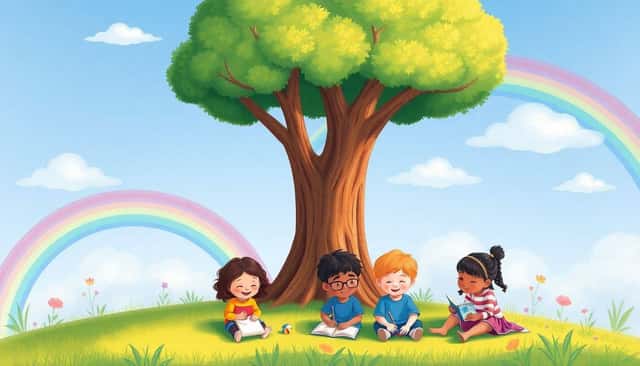
Children are naturally drawn to visuals and interactive content.
Adding pictures, illustrations, and other visual elements can make your writing more appealing and easier to understand for young readers.
For younger children, especially those aged 5-8 who are still developing their reading skills, visuals can help them follow along and stay engaged.
Consider including colorful images or even turning your story into a picture book.
Interactive elements, like questions or activities within the story, can also enhance engagement.
These features encourage children to actively participate in the story, making the reading experience more enjoyable.
For instance, you could include simple puzzles, prompts to draw a scene, or suggestions for acting out parts of the story.
By making your writing interactive, you help children connect with the content on a deeper level.
If you’re interested in learning more about creating engaging content for kids, check out these funny writing prompts for kids to spark your creativity.
5. Read Your Work Aloud for Better Engagement
Reading your work aloud is a simple yet powerful tool to improve your writing.
When you read your story out loud, you can hear how the words flow and catch any awkward sentences or confusing phrases.
This technique helps you ensure that your language is clear and that the story sounds natural when spoken.
It’s especially important when writing for children, as they often enjoy being read to.
By reading aloud, you can also gauge the pacing of your story.
If you find yourself stumbling over certain parts, it might be a sign that those sections need revising.
Remember, a story that reads well aloud will likely engage young readers more effectively.
Plus, it’s a great way to experience your story from the listener’s perspective.
6. Draw Inspiration from Personal Experiences
Your personal experiences can be a rich source of inspiration for your stories.
Children appreciate authenticity, and weaving in elements from your own life can make your writing more relatable and genuine.
Think about the adventures you had as a child, the lessons you learned, or funny moments that stuck with you.
These memories can provide unique ideas that resonate with young readers.
Using personal anecdotes can also help you write with more emotion and depth.
When you write about something you know well, your enthusiasm shines through, making the story more engaging.
Don’t be afraid to share your experiences; they might inspire or comfort a child going through something similar.
For more inspiration, you can explore various topics for kids to write about that might spark new ideas.
7. Teach Children the Importance of Writing
Writing is not just about putting words on paper; it’s a valuable skill that helps children express themselves and develop critical thinking.
Unfortunately, less than a third of children (29%) say they enjoy writing in their free time, the lowest level recorded since 2010.
By teaching children the importance of writing, we can help them discover the joy and benefits it brings.
Encouraging kids to write can improve their academic performance.
Children who enjoy writing are seven times more likely to write above the expected level for their age compared to those who do not enjoy writing.
Writing also plays a significant role in mental health and self-expression.
One in four children reported that writing helps them feel better and allows them to explore their emotions.
By emphasizing these benefits, you can inspire children to engage more with writing and develop a lifelong appreciation for it.
If you’re looking for ways to get started, you might consider exploring some memoir writing prompts that encourage self-expression.
8. Apply Effective Writing Strategies
Using effective writing strategies can greatly enhance the quality of your work and make your stories more engaging for children.
One useful strategy is to write regularly, as practice helps improve your skills over time.
However, only 11% of children write daily in their free time, a figure that has halved from 19% in recent years.
Encouraging regular writing habits can help children develop their skills more effectively.
Another strategy is to use prompts and creative exercises to stimulate ideas.
Children who participate in creative writing activities are more likely to enjoy writing and write daily in their free time.
Incorporating fun writing exercises can make writing feel less like a chore and more like an enjoyable activity.
You can also focus on storytelling techniques, such as building strong characters and plots, to make your stories more compelling.
For tips on developing your characters, you might find these character writing prompts helpful.
9. Encourage Creative Writing with Prompts
Using writing prompts can be a great way to encourage creativity in children.
Prompts provide a starting point that can spark imagination and help overcome writer’s block.
Children who participate in creative writing activities are more likely to enjoy writing and to write daily in their free time.
This engagement not only improves their writing skills but also enhances their enjoyment of the process.
You can find prompts on various topics, such as adventure, mystery, or fantasy, to match the interests of the children you’re writing for.
For instance, these realistic fiction writing prompts might inspire new ideas and stories.
Encouraging children to respond to prompts can help them explore new themes and develop their creativity.
10. Make Writing Fun for Children
Making writing fun is essential to keep children engaged and interested.
When children enjoy writing, they’re more likely to do it regularly and develop their skills further.
Only 29% of children say they enjoy writing in their free time, so finding ways to make it enjoyable can have a big impact.
Incorporate games, challenges, or fun themes into your writing activities.
You could start a creative writing club, organize storytelling sessions, or set up friendly competitions.
For younger kids, interactive stories where they can choose the ending or fill in the blanks can be particularly engaging.
Remember that the goal is to create a positive association with writing.
By making it an enjoyable experience, you help foster a love for writing that can last a lifetime.
If you need some ideas to get started, check out these fall writing prompts for some seasonal inspiration.
FAQs
To engage children, create relatable characters, use vivid descriptions, and include exciting plots. Incorporate adventure, humor, and surprises while keeping the language simple and appropriate for their age.
Spend time with children, observe their interests, and listen to their conversations. Reading contemporary children’s books and gathering feedback from young readers can also provide valuable insights into their perspectives.
Visuals like illustrations and interactive components make writing more engaging for children. They aid in comprehension, stimulate imagination, and keep young readers interested in the content.
Reading aloud helps identify awkward phrases and ensures the language flows naturally. It allows you to hear how the story sounds to a listener, making it easier to adjust the tone and pace for better engagement.