Table of Contents
Writing gothic fiction can feel daunting, especially if you’re unsure how to conjure those eerie vibes and create haunting atmospheres. The genre, rich with dark themes and mysterious characters, often leaves aspiring writers scratching their heads, wondering where to start. Trust me, you’re not alone in this!
But don’t worry! If you stick around, I’ll guide you through essential steps that will help you craft your own gothic tale. From setting the scene to weaving intricate plots, we’ll tackle it all together. You’ll be penning chilling stories in no time!
We’ll begin by creating an atmospheric setting that envelops readers, then move on to establishing a mood that sends shivers down their spines. So grab your quill (or keyboard) and let’s dive into the dark enchantment of gothic fiction!
Key Takeaways
- Create a setting that feels alive and evokes isolation, using sensory details to engage readers.
- Establish a dark mood with shadowy imagery and consistent atmospheric elements.
- Develop complex characters with relatable struggles and emotional depth.
- Weave suspenseful plots featuring Gothic themes like forbidden love and the supernatural.
- Maintain internal logic, ensuring characters and events are believable within the story’s context.
- Identify your sub-genre for targeted marketing; engage with niche communities for support.
- Incorporate personal fears into your writing to create authentic emotions and deeper connections.
- Review key elements before writing and establish a consistent routine that fuels your creativity.
Step 1: Create an Atmospheric Setting for Your Gothic Fiction
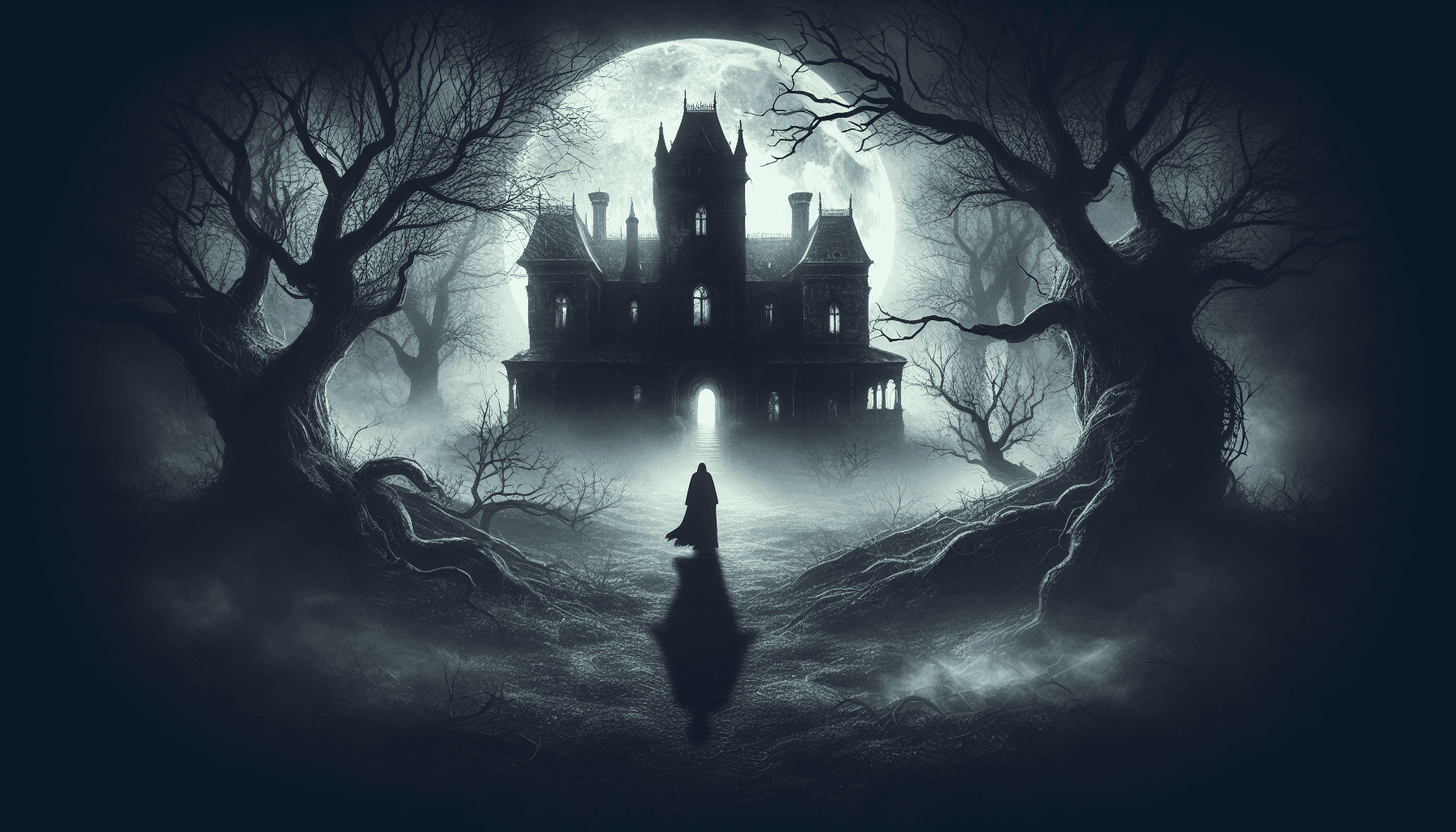
Start by choosing a setting that evokes isolation and mystery. Think along the lines of a small town, a dark forest, or even a decaying mansion. The setting should feel alive, almost like a character itself, contributing to the story’s suspense and mood.
To do this effectively, use vivid descriptions that engage all five senses. Imagine how an eerie fog smells, the sound of creaking floorboards, or the chilly touch of the wind against the skin. This helps your readers feel as if they are right there with your characters.
Consider historical contexts too; settings in periods like the Victorian age can naturally lend themselves to Gothic themes. If you’re looking for inspiration, seasonal prompts like those found on winter writing prompts can spark unique ideas.
Step 2: Establish a Dark and Evocative Mood
The mood in Gothic fiction is paramount. It sets the stage for tension and suspense, enticing readers to turn the page. Use a blend of descriptive language and pacing to set this tone.
Employ shadowy imagery and weather conditions like thunderstorms or moonless nights to enhance the mood. Think about how a character feels as they navigate through a haunted landscape, and reflect that emotion in your writing.
Lighting is another crucial aspect. Dark candlelit rooms or dimly lit corridors can create anxiety and mystery, prompting readers to feel what your characters are experiencing. Consistency in mood ensures that your readers remain engaged.
Step 3: Develop Compelling Characters
Your characters should be as intricate as your settings. Gothic heroes often possess a strong sense of curiosity and resilience, traits that make them relatable and engaging. Think of how their backgrounds influence their behavior and decision-making.
First-person narratives can provide deeper insight into their motivations. Use this perspective to explore their fears and desires, creating a sense of intimacy. A character grappling with a haunting secret or emotional turmoil can significantly enrich the story’s depth.
Make sure to showcase their vulnerabilities. Characters who face hardship resonate well with readers, leading to stronger emotional connections. This can make their journey—whether it involves confronting a supernatural enemy or personal demons—more impactful.
Step 4: Craft an Intriguing Plot with Gothic Themes
Your plot should weave together elements of suspense, mystery, and the supernatural. Consider incorporating Gothic themes such as forbidden love, the supernatural, and the exploration of madness.
Start with a compelling premise that grabs attention. This could be a haunted location or a secret that unravels over time, pulling readers deeper into the narrative.
Think about using a non-linear timeline or multiple perspectives to create intrigue. This can help build tension and enhance the suspense.
Don’t shy away from classic Gothic tropes, like a tragic hero or a cursed lineage. These elements resonate with readers and can set a strong foundation for your plot.
Infuse personal stakes into your characters’ journeys. The more invested the reader is in characters’ motivations, the more they will be drawn into the story. For instance, set the protagonist’s journey against the backdrop of a dying family legacy, as seen in many classic Gothic novels.
Step 5: Maintain Internal Logic for Characters and Events
Even in a world filled with supernatural elements, your story needs a sense of internal consistency. This means that characters should behave in ways that are believable based on their backgrounds and experiences.
Create character backstories that influence their motivations. If a character has suffered loss, their actions and decisions must reflect that trauma throughout the narrative.
Establish rules for how the supernatural works in your world. If ghosts can interact with the living, what are the boundaries? This clarity helps maintain a sense of realism in your Gothic tale.
Even as you explore dark and surreal elements, ensure the narrative flows logically. Readers should be able to follow the plot without feeling lost.
Step 6: Determine Your Sub-Genre and Plan Your Marketing
Gothic fiction has various sub-genres, such as Southern Gothic, Victorian Gothic, and even contemporary Gothic. Identify which one resonates with your story.
Research successful titles in your chosen sub-genre to understand market trends. This can inform your writing style and the themes you want to explore.
Once you finalize your sub-genre, strategize your marketing accordingly. Seasonal promotions can be effective since Gothic stories often see heightened interest during the fall and winter months.
Connect with niche communities through social media platforms or forums that focus on Gothic literature. Engaging with readers in these spaces can create a supportive audience for your work.
Consider collaborating with bloggers or websites that specialize in Gothic fiction. Highlight your unique angle or theme to capture their interest.
Step 7: Incorporate Personal Fears into Your Writing
Nothing resonates with readers more than authentic emotions. By drawing from your own fears or insecurities, you can create powerful and relatable narratives.
Think about situations that genuinely frighten you. Whether it’s fear of the unknown or loss, weave these themes into your characters’ journeys.
This connection will help evoke real fear and tension, making the story feel more vivid. A protagonist, haunted by a fear of abandonment, can create emotional depth as they navigate eerie situations.
Create scenarios that force characters to confront these fears. This not only drives the plot but also adds layers of complexity to your characters.
Step 8: Review Key Elements and Start Your Writing Journey
Before you start writing, take stock of the key elements you’ve created. Check that your atmospheric setting, mood, characters, plot, and internal logic are refined and cohesive.
Revisit your initial outline and make any necessary adjustments. Ensure that all parts work together seamlessly and highlight the Gothic essence.
After your review, establish a writing routine that fits your lifestyle. Consistency is key to making progress on your Gothic fiction.
Start with a scene that excites you the most. This can build momentum and draw you deeper into the writing process.
Lastly, remember to have fun and embrace your creative journey. Whether it’s bubbling creeks or thick fog, let your words paint the atmosphere. Your unique voice is what will truly make the Gothic genre your own!
For more writing prompts to inspire your Gothic stories, consider checking out these winter writing prompts.
FAQs
Key elements include a dark, eerie backdrop, such as decaying castles or misty forests. Use of sensory details like sounds and smells enhances the atmosphere, creating an immersive experience that captivates the reader.
To create compelling characters, give them deep psychological complexity, inner conflicts, and relatable fears. Use archetypes like the tragic hero or the enigmatic villain to enrich their roles and make them memorable.
Incorporate themes like isolation, madness, forbidden love, and the supernatural. These themes contribute to tension and conflict, enriching your plot and enhancing the overall Gothic atmosphere.
Identify your sub-genre by examining the distinct elements in your story, like horror, romance, or psychological. Analyzing similar works can guide your decision and define your target audience for marketing.