Table of Contents
Magical realism can feel a bit daunting, right? You might be wondering how to blend the extraordinary with the mundane without sounding ridiculous. It’s a tricky balance, but trust me, you’re not alone in this. Many writers grapple with capturing that enchanting essence!
But here’s the good news: If you stick around and dive into this guide, you’ll discover some solid tips on how to craft your own magical worlds. By the end, you’ll feel much more confident sprinkling a touch of magic into your stories.
We’ll walk through everything from understanding the genre and setting the stage, to creating memorable characters and using symbolism. So, grab your favorite snack and let’s unlock the wonders of magical realism together!
Key Takeaways
- Magical realism blends the ordinary with the extraordinary, creating a unique narrative style.
- Choose a realistic setting to make magical elements feel more impactful.
- Create ordinary characters who reflect human experiences to enhance relatability.
- Introduce subtle magical elements that enhance themes without overpowering reality.
- Use symbolism to connect ordinary details to deeper story themes.
- Draw inspiration from real life for relatable magical elements.
- Develop complex characters with flaws that contrast with the magical events.
- Write descriptive prose to immerse readers in your magical world.
- End your story with openness, inviting readers to ponder its meaning.
- Blend genres and cultures to create rich, layered narratives.
1. Understand Magical Realism
Magical realism blends the ordinary with the extraordinary, creating a unique narrative style.
To write in this genre, you need to immerse yourself in the juxtaposition of reality and magic.
Start by reading influential works, like Gabriel García Márquez’s “One Hundred Years of Solitude”, which showcases how magical elements can enhance storytelling.
Think of magical realism as a way to reveal deeper truths about the human experience through an added layer of wonder.
2. Choose a Realistic Setting
The foundation of magical realism is a believable world where the fantastical elements exist.
Your setting should mirror everyday life, whether it be a bustling city or a tranquil village.
Highlights the music of everyday sounds, familiar scents, and sights so that the deviations into magic can feel more impactful.
Imagine a story set in a neighborhood where time flows differently for some locals—a perfect blend of the mundane and the unexpected.
3. Create Ordinary Characters
Characters in magical realism are often relatable and grounded, reflecting the common human experience.
Think about how everyday people respond to extraordinary events; this is where the magic feels most realistic.
Your protagonists might be teachers, janitors, or baristas—individuals whose lives are full of dreams, worries, and aspirations.
By grounding your characters in reality, their encounters with magical elements become even more profound.
For example, you could write about a grandmother who sees her deceased husband in the gardening flowers, showcasing how the extraordinary can coexist with grief and memory.
4. Introduce Magical Elements
Magical elements should reveal and enhance the underlying themes in your story.
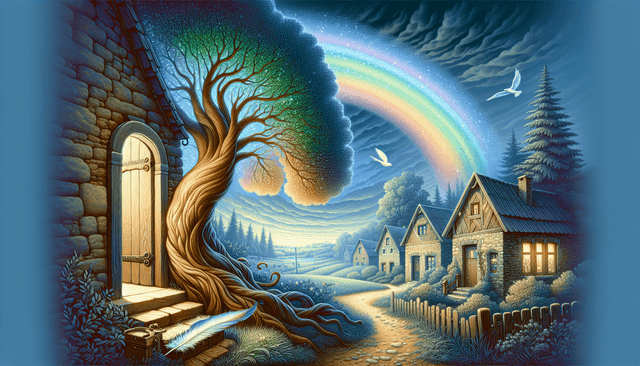
Think of adding small, quirky details, like a village where rainbows appear only on Tuesdays or a character who can hear the thoughts of trees.
These details make the world vibrant while still feeling authentic.
Remember, the key is balance; you want your magic to feel ordinary within the context of your story.
For inspiration, try reading works by authors like Toni Morrison or Isabel Allende, who seamlessly weave magic into everyday life.
5. Keep the Magic Subtle
The magic in your story shouldn’t overpower the realistic aspects.
Instead, allow the magical occurrences to blend smoothly into the narrative.
This subtlety creates a sense of wonder without losing the sense of reality.
For example, a character might find a feather on their doorstep that seems to glow under moonlight, causing them to ponder its significance rather than treating it as shocking.
6. Use Symbolism in Your Story
Symbols can elevate a magical realism narrative significantly.
Every detail—whether a recurring color, object, or element—should connect to deeper themes within your work.
Consider a story where a single abandoned shoe represents lost dreams or missed opportunities, tying the ordinary to the extraordinary.
Readers enjoy discovering these layers, making your narrative more engaging.
7. Draw Inspiration from Life
Real life is brimming with inspirations for magical realism.
Base your magical elements on culture, history, or personal experiences to make them resonate with readers.
For instance, if you grew up hearing family stories about a grandparent’s miraculous recoveries, you can weave those experiences into your narrative.
Your story might explore how that magic influences a character’s perception of health and healing.
8. Develop Complex Characters
Complex characters are essential in bringing your magical realism to life.
Ensure your characters have flaws, dreams, and desires that contrast with the magical events they experience.
This tension between ordinary and extraordinary will help readers connect on a human level.
For example, a character struggling with self-doubt might encounter an unexpected mentor who appears and disappears at will, offering guidance when needed most.
9. Write Descriptive Prose
Your prose should paint vivid images that encompass both reality and magic.
Utilize sensory details to immerse readers in the world you create.
Describe how the air feels electric before a storm or how colors seem to breathe life during twilight.
Descriptive writing fuels imagination, enhancing the surreal atmosphere of magic.
10. End with Openness
Leave your readers with questions rather than answers, inviting them to ponder your story.
An open ending can emphasize the magical components of your narrative, leaving room for mystery.
Consider a conclusion where a character simply gazes into the unknown, leaving their fate ambiguous and allowing readers to interpret the magic in their own way.
11. Blend Genres and Cultures
Magical realism thrives on the fusion of different genres and cultural elements.
Mix storytelling styles, themes from other genres, or insights from various cultures to create a rich, layered story.
This approach can spark fresh ideas and invite diverse perspectives into your narrative.
For example, a tale might intertwine traditional folklore with contemporary issues, showcasing how past and present coexist.
FAQs
Magical realism blends fantastical elements with realistic settings and characters. It presents magical occurrences as part of everyday life, prompting readers to question the nature of reality while maintaining a grounded narrative.
Introduce magical elements subtly and organically, allowing them to emerge naturally within the story. This can be achieved through character experiences or environmental phenomena that evoke wonder while remaining believable.
Symbolism enhances the depth of magical realism, allowing readers to explore underlying themes and emotions. It helps create connections between the magical and the mundane, enriching the narrative and inviting deeper interpretation.
Maintain realism by grounding characters in relatable experiences and emotions. Ensure the magical elements don’t overshadow the story’s ordinary aspects, allowing them to coexist credibly rather than creating a stark contrast.